









Californian Poppy
Californian Poppy
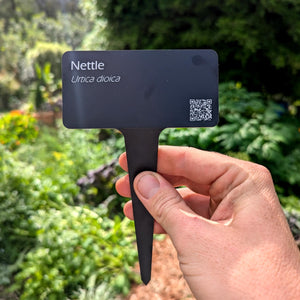
Drawn from the same file the laser uses, so this is exactly what you get.


Usually available: April to November
Life cycle: Annual
Height: 30 - 50cm
Position: Full sun
Soil preference: Well drained
This is how we pack and send your Herb Plants
You will receive
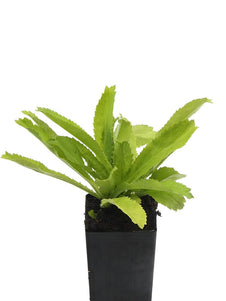
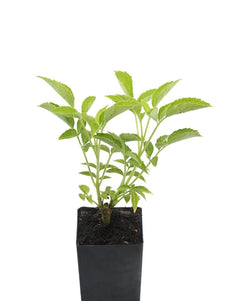
- 1 Californian Poppy Herb Plant in a 50 X 75mm tube - General growing instructions
All of our Herb Plants are grown organically with certified organic potting mixes and fertilizers
Botanical Name: Eschscholzia californica
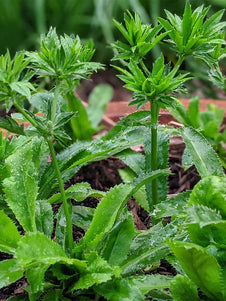
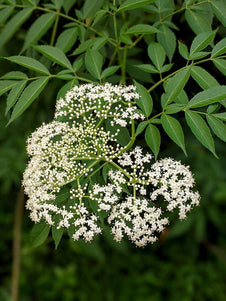
The Californian Poppy is an annual or perennial flowering plant that grows to approximately 30 - 50cm tall. The flowers have a silken texture and a distinctive four large petals, which may be 2-6cm long and equally as broad. The natural flower colour ranges from yellow to orange, with the flowering period being from early spring to late summer. The petals may close at night or if it is very cold, cloudy or windy, and open again the following morning. The fine, blue-green leaves are divided into round, lobed segments and are held on alternate branches. The fruit or seed pod is quite large at 3-9cm long and is filled with tiny black seeds.
Californian Poppy was first named in 1810 and is also known as Golden Poppy, Californian sunlight, or Cup of Gold, all referring to the species Eschscholzia californica. The latter name is derived from the Spanish meaning of the words ‘copa de ora’. Although these terms refer to the ‘original’ poppy, the species itself is quite variable with up to 90 synonyms and several cultivars. Some botanists say that there are really two subspecies and others say there is one species and four varieties. Regardless of the disagreement, there are numerous varieties to be found and they may exhibit different features, such as flower colour or height.
It is native to Mexico and the United States, where it has had the distinction of being the state flower of California since 1890. The natural habitat of the Californian Poppy extends from California to Oregon, Southern Washington, Nevada, Arizona and similar US climatic zones. It has since been naturalised in many regions with similar Mediterranean climates, such as Australia. It was introduced to South Africa, Chile and Argentina and grows larger in Chile than in California, possibly due to lack of pests and competition.
When the early Spanish explorers first discovered the poppy, the mountainous area was apparently covered in a carpet of gold and the name ‘Land of Fire’ was given to California. Anecdotal evidence suggests that the sailors of the time could navigate by the position of the golden hills. The name ‘the golden west’ was given to California long before the Gold Rush. The Californian Poppy was has since been displaced by development and one of the few places to see them in their glory is the 1745 acre Antelope Valley Californian Poppy Reserve in Los Angeles County.
The Native American tribes of the region used the seeds in cooking, the pollen cosmetically and the whole plant medicinally. The Californian Poppy does not have a narcotic effect and is quite safe. It is not a member of the Papaver somniferum species that supplies opium poppy, with addictive qualities. It should also be noted, that this flowering plant should not be confused with the Californian Tree Poppy.
Growing Conditions
The Californian Poppy thrives in sandy soils and can tolerate dry to drought conditions. It requires full sun and a well drained soil. The flowering season is over spring and summer, but it will flower for longer if water is supplied and it does not get too hot during the summer period. There is now a range of flower colours available, including red, yellow, orange and pink, courtesy of plant breeders. It is considered quite easy to grow and a plant that has few pest problems. To harvest the plant for later use, collect the stems, leaves and flower heads and dry in the shade.
This flowering plant does well as an annual in some areas and as a perennial, in climates similar to its native range. It survives mild winters similar to temperate climates, but may completely die off in colder conditions, particularly where there is frost. However, it self-seeds readily and should return the following year. After flowering, the seed pod will split into two and release the many seeds. If you would like to control seed dispersal simply collect the seed capsules before they open. The seeds are easy to grow and once you have decided where you would like the flower show, simply throw the seeds on the ground and water, or wait for the first rain of the season. No need to dig in the soil and cover them.
Culinary Uses
The Native American tribes used the poppy seed for cooking and they contain edible oil. However, they are generally not considered culinary poppies.
Medicinal Uses
The Californian Poppy has a sap that contains a different class of alkaloids to the addictive ‘opium poppy’ and it does not have a narcotic effect on the human body. The active constituents are the alkaloids, protopine, cryptopine and chelidonine and flavone glycosides. Where the opium poppy has a disorienting effect, the Californian Poppy seems to have a more normalising effect on human physiology and psychology. Like all poppies, these alkaloids do have a sedative and relaxant effect on the body and mind, but it is quite gentle and mild.
The Californian Poppy has been used to treat bed wetting, sleep problems, nervous tension and anxiety. It is highly valued for its gentle antispasmodic, potent sedative, relaxant and analgesic effects. It was used as a pain killer by the Native American people, especially for toothache and headaches. An herbal poultice was used to treat mouth ulcers and sores. However, the most common use was as a tea infusion for treating insomnia, reduction of anxiety and promotion of a restful sleep. The Spanish called it the ‘Dormidera’ or ‘the drowsy one’.
To make an infusion collect fresh leaves, flowers, stems and seeds or used dried materials. Combine the materials and steep for 10 minutes in hot water. Add more plant matter or steep longer for a more potent tea. If using fresh leaves choose the younger ones as the first flush of growth is more palatable. You may like to add mint or honey to taste.
Other Uses
Native Americans in the region used the pollen of the Californian Poppy for cosmetics, for example, to cover skin blemishes. It was also used as a hair tonic by cooking the seeds in olive oil and this is still practiced today.
All information provided on this website is for informational purposes only. Please seek professional advice before commencing any treatment.
Our shipping costs are a flat rate, meaning you can add any amount of products to your order and you will pay the same.
Express Post - $12.95
Plants are sent via Express Post only.
Dispatch days: Monday and Tuesday only.
We can send plants to Queensland, New South Wales, Victoria, South Australia and ACT.
We cannot send plants to Western Australia, Northern Territory or Tasmania due to restrictions.
*Subject to actual conditions. Find out more on our Delivery information page.
We want you to be thrilled with your purchase from us. If you are not satisfied with an item and need to return it, we're here to help.
If you are unhappy with the quality of herb plants, they must be photographed on the day of receiving and emailed to us within 24 hours.
Find out more about our Returns & Refunds.


