


Chillies

22 products

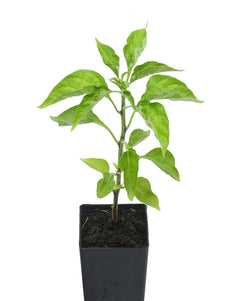
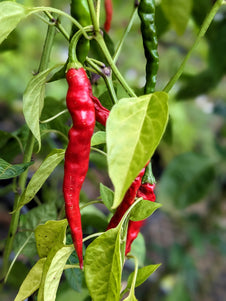
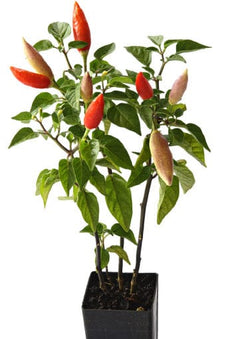
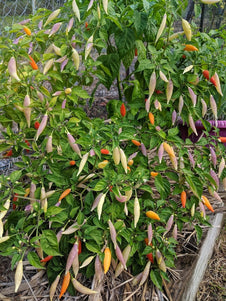
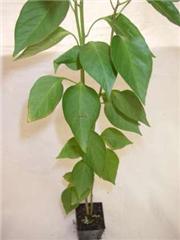
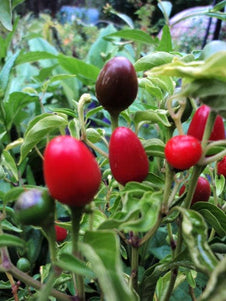
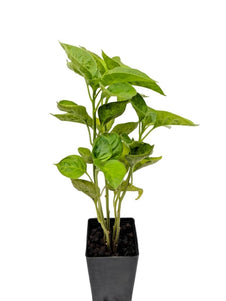
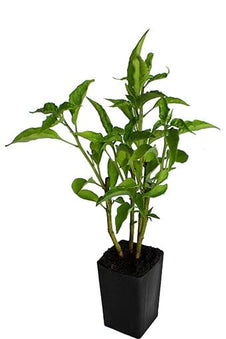
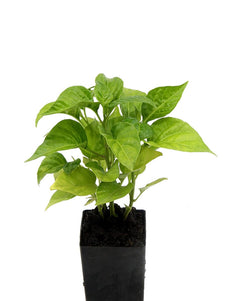
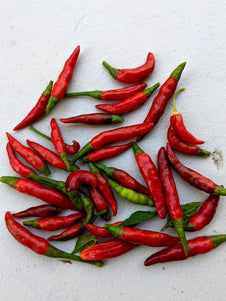
Grow your own chilli plants at home with 25 varieties ranging from mild to seriously hot. Whether you want a Jalapeno for salsas, a Cayenne for drying, or a Naga for heat lovers, all our chilli plants are grown organically at our Gold Coast nursery.

Learn more about this collection

Chillies are one of the most rewarding plants to grow in a warm Australian climate. They love heat, produce heavily in pots or garden beds, and most varieties will fruit for months once they get going. Our collection covers 25 organically grown varieties, from mild kitchen staples through to some of the hottest chillies in the world.

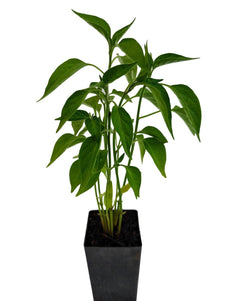
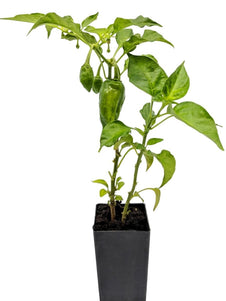
For everyday cooking, Jalapeno, Ancho and Fresno are reliable mild to medium varieties that fruit well in pots or garden beds. Cayenne, Long Red and Tabasco sit in the medium to hot range and are great for drying, sauces and pickling. Bird's Eye and Thai Chilli are kitchen essentials for Asian cooking.

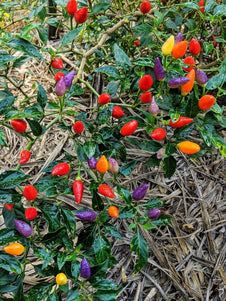
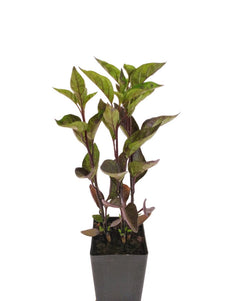
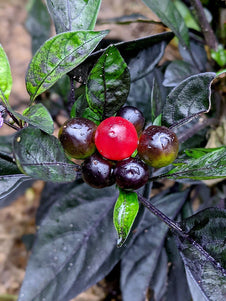
If you want serious heat, the Habanero Red, Habanero Orange and Naga (also known as Ghost Pepper) deliver intense, fruity fire. For something different, try Purple Tiger or Rainbow Chilli for ornamental colour, or Aji Limon and Rocoto for South American varieties with unique flavour profiles.

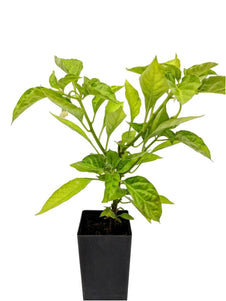
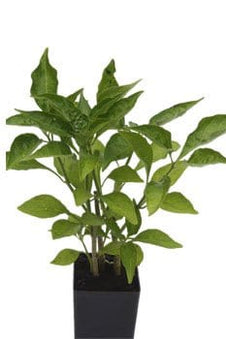
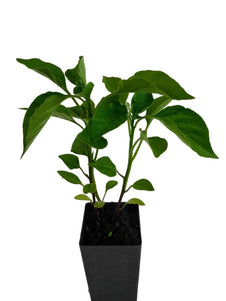
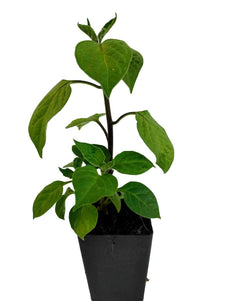
All chilli plants are shipped as 50 x 75mm tubes via Express Post to most Australian states (excluding WA, NT and TAS). For a full breakdown of our varieties by heat level, read our blog post From Mild to Wild: A Guide to our Top Chilli Varieties. Browse our culinary herbs and organic spices for more ways to spice up your cooking.
    22 products

    About Chillies

    Mudbrick Herb Cottage has been growing chilli plants on the Gold Coast for over 30 years. All 25 varieties in this collection are raised using certified organic methods and shipped as healthy 50 x 75mm tubes via Express Post on Mondays and Tuesdays. We ship to QLD, NSW, VIC, SA and ACT.

    Not sure which chilli to grow? Our blog post From Mild to Wild breaks down every variety by heat level, flavour and best uses. Chillies are perfect for pots, garden beds or even a sunny windowsill, and most will keep producing for years in a warm climate.

    Frequently asked questions

    When should I plant chillies in Australia?

    In subtropical and tropical areas like the Gold Coast, you can plant chilli plants almost year-round. In cooler southern states, plant after the last frost, typically from September to November. Chillies need warm soil and consistent warmth to fruit well, so spring planting gives them the longest growing season.

    Do chilli plants like full sun or shade?

    Chilli plants love full sun. Aim for at least 6 to 8 hours of direct sunlight per day for the best fruit production. In very hot climates, a little afternoon shade can help prevent sunburn on the fruit, but overall more sun means more chillies.

    Do chillies grow better in pots or in the ground?

    Both work well. Pots are ideal if you have limited space or want to move your plants to catch the sun or avoid frost. Use at least a 20 to 25cm pot with good drainage. In-ground planting gives the roots more room and usually produces larger plants with heavier harvests. Either way, chillies need well-drained soil and consistent watering.

    Do chilli plants come back every year?

    Yes, in warm, frost-free areas chilli plants are perennial and will produce for several years. In cooler regions they are often grown as annuals, but you can overwinter them in pots by bringing them under cover. Pruning back hard at the end of the season encourages fresh growth the following spring.

    What is the hottest chilli you sell?

    The Naga Chilli (Bhut Jolokia, also known as Ghost Pepper) is our hottest variety, rated at over 1,000,000 Scoville Heat Units. The Habanero Red and Habanero Orange are also very hot, sitting around 100,000 to 350,000 SHU. For a guide to all our varieties by heat level, see our blog post From Mild to Wild.

    How do I dry chillies at home?

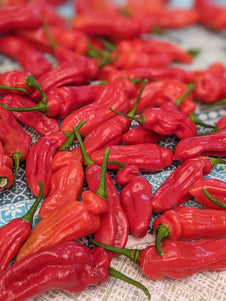
    The easiest method is to thread them onto a string through the stems and hang them in a warm, dry spot with good airflow. Thin-walled varieties like Cayenne and Bird's Eye dry faster and more reliably than thick-fleshed types. You can also use a food dehydrator or a low oven (around 60 degrees) for a few hours. Once fully dried, store in an airtight jar away from light.

    Recently viewed