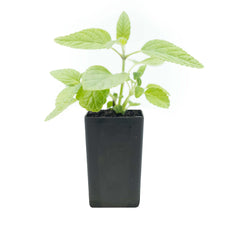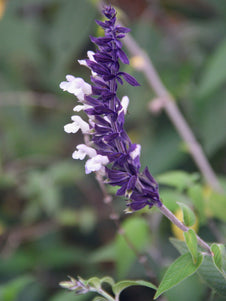



Salvias

82 products

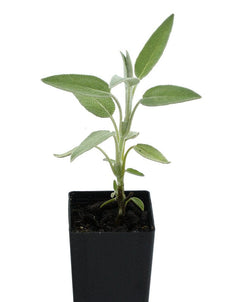
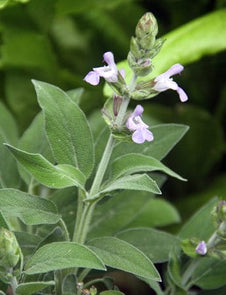
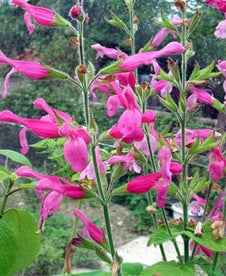
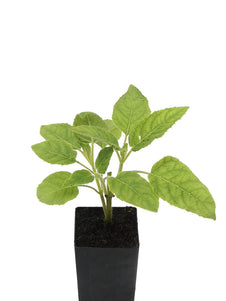
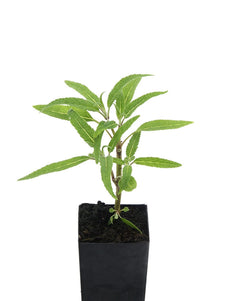
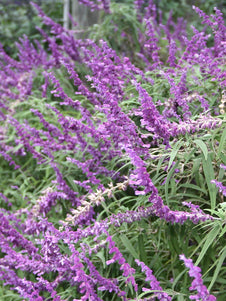
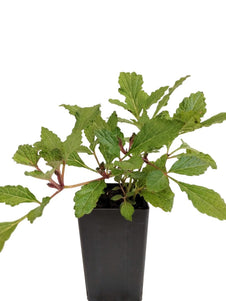
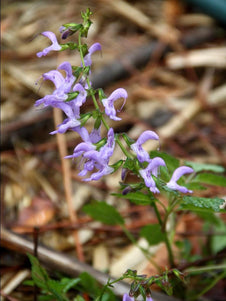
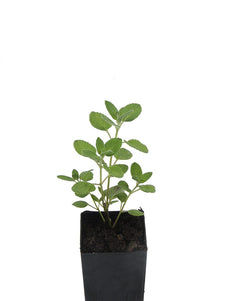
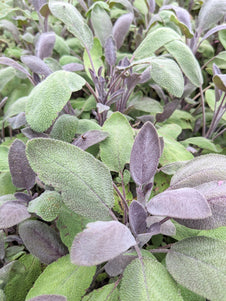
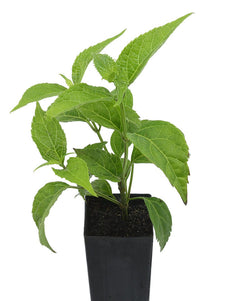
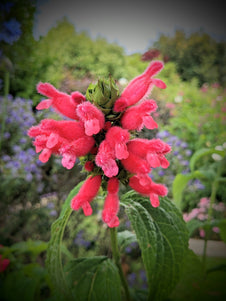
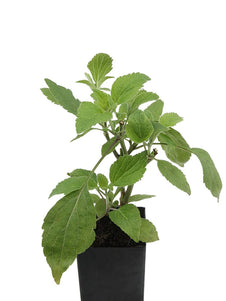
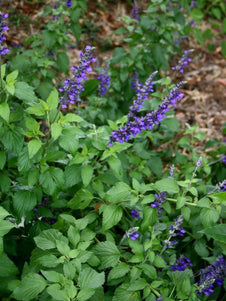
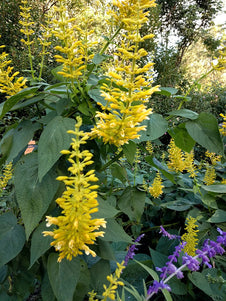
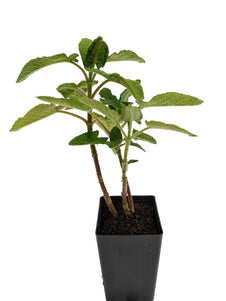
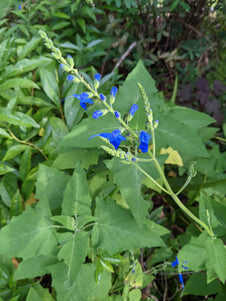
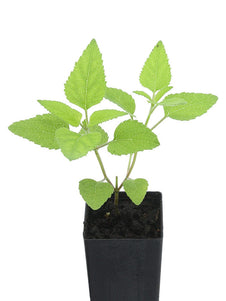
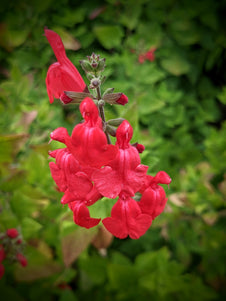
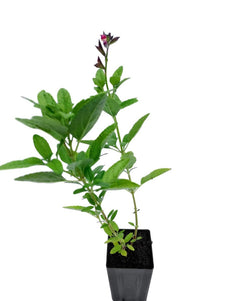
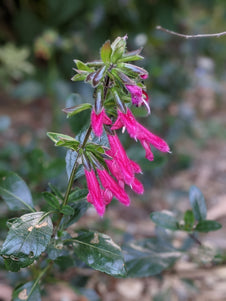
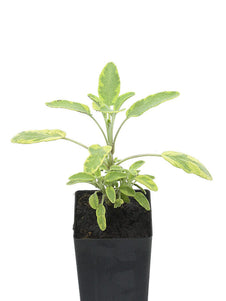
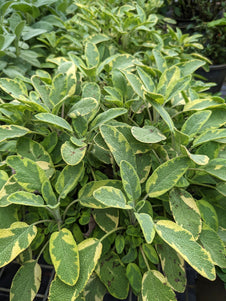
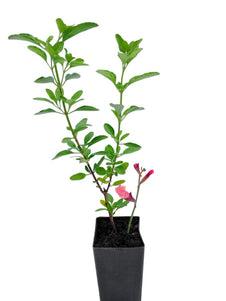
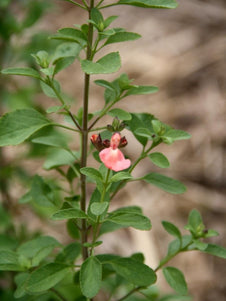
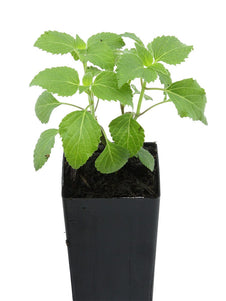
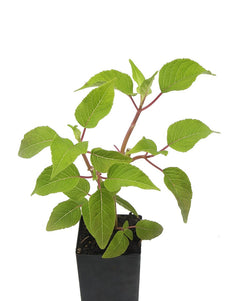
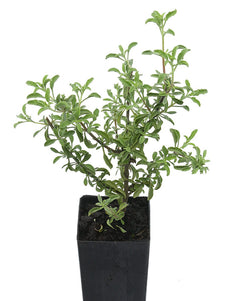
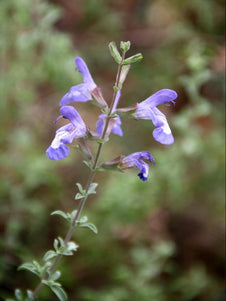
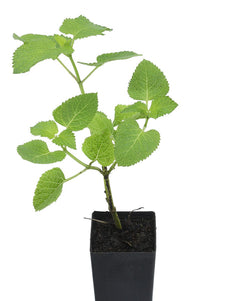
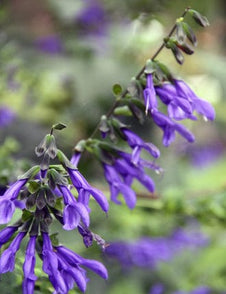
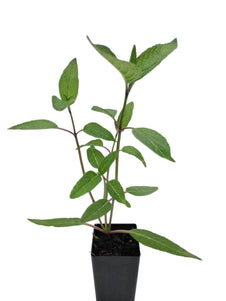
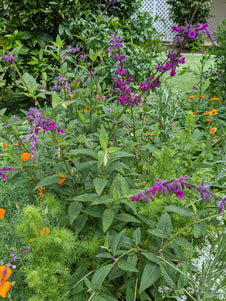
With over 80 varieties, Herb Cottage has one of the largest collections of salvias for sale in Australia. Whether you are after a compact border plant or a tall flowering hedge, you will find perennial salvias in every colour here, from deep purples and electric blues to soft pinks, reds and whites, all grown organically on the Gold Coast.

Learn more about this collection

Salvias are some of the hardest-working plants in the garden. They flower for months, handle heat and dry conditions well, and attract bees, birds and butterflies. Most perennial salvias are low maintenance once established, which makes them a favourite with gardeners across Australia.

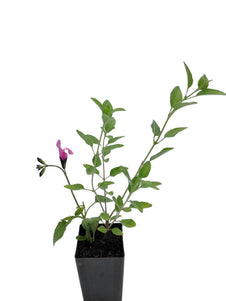
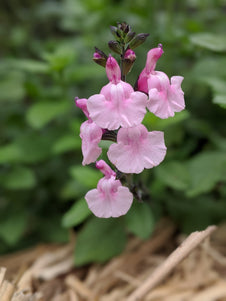
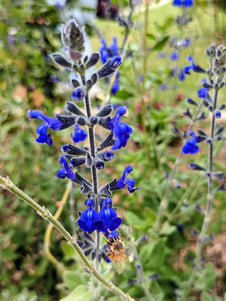
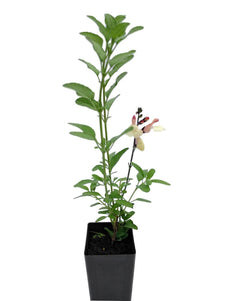
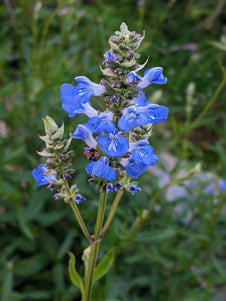
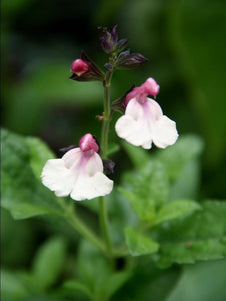
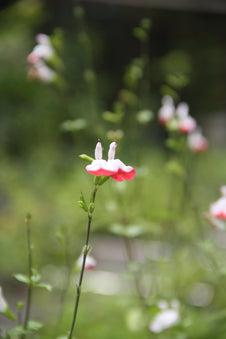
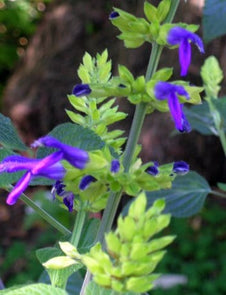
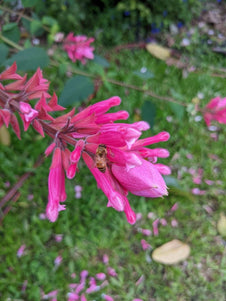
Our range covers a wide mix of species and hybrids. For blue and purple salvias, try Marine Blue, Mystic Spires, Purple Majesty or Indigo Spires. If you prefer pink, look at Pink Icicles, Pink Mink or Ribambelle. The ever-popular Hot Lips produces red and white bicolour flowers that change with the temperature.

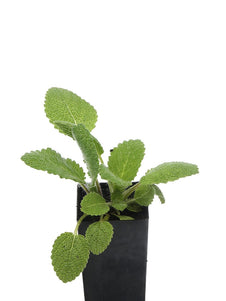
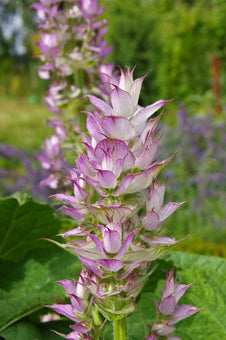
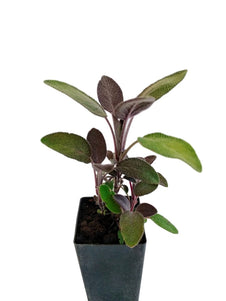
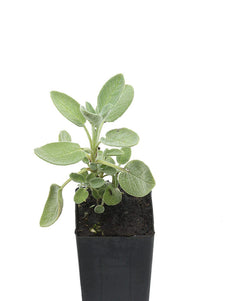
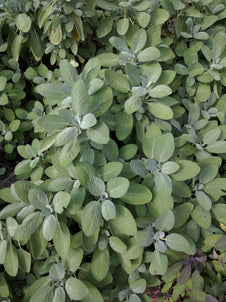
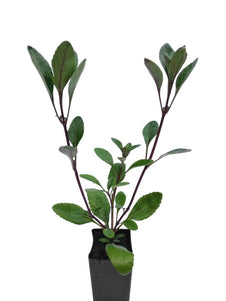
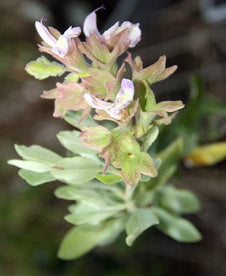
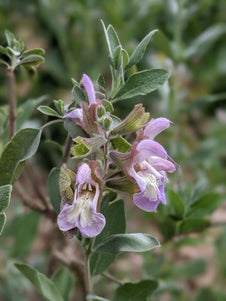
We also stock culinary and medicinal sages including White Sage, Clary Sage, Purple Sage, Golden Sage and Greek Sage. For sage varieties used in cooking and herbal remedies, see our sage herb plants and smudge sticks collections.

All salvias are grown at our Gold Coast nursery using organic methods and shipped via Express Post to most Australian states (excluding WA, NT and TAS due to quarantine). Browse our cottage garden plants and bee-attracting plants collections for more pollinator-friendly options.
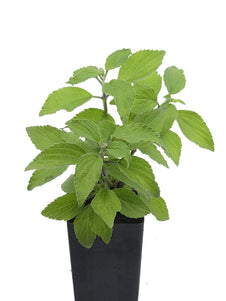
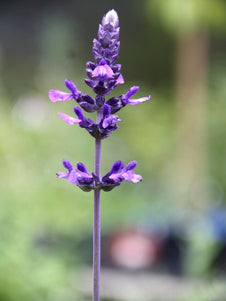
    82 products

    About Salvias

    Herb Cottage has been growing salvias at our Gold Coast nursery for over 30 years, and they are one of our favourite plant families to grow and share. With 80+ varieties in the collection, from rare species salvias to popular garden hybrids like Hot Lips and Purple Majesty, there is a salvia for every garden and every climate.

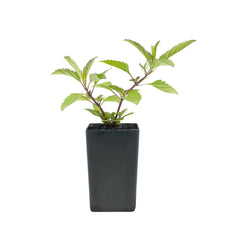
    All our salvia plants are grown using certified organic methods and shipped in 50 x 75mm tubes via Express Post. We ship to most Australian states (excluding WA, NT and TAS due to quarantine). Visit our Grow Your Health blog for growing tips and care guides.

    Frequently asked questions

    Do salvias like sun or shade?

    Most salvias prefer full sun with at least 6 hours of direct sunlight per day. They will tolerate partial shade, but flowering is usually heavier in a sunny spot. In hot climates, some afternoon shade can help protect foliage from scorching. Good drainage matters more than anything else.

    When should I cut back salvias in Australia?

    The best time to prune salvias in Australia is late winter or early spring, just before new growth appears. Cut them back by about one third to one half to encourage bushy regrowth and a strong flush of flowers. You can also lightly trim them after each flowering cycle through the warmer months to promote repeat blooming.

    How many years do salvias last?

    Perennial salvias can live for many years with the right care. Most will give you 5 to 10 years of reliable flowering, sometimes longer. Regular pruning keeps them compact and productive. If a plant becomes leggy or woody at the base, it is often easier to replace it with a fresh one.

    Do salvias spread?

    Some salvias spread gently by underground runners or self-seeding, but most stay as tidy clumps. Species like Bog Sage can spread more readily in moist conditions. If you want to keep things contained, growing salvias in pots works well and keeps them in check.
    When is the best time to plant salvias in Australia?

    Spring and autumn are the best times to plant salvias in most parts of Australia. In subtropical areas like the Gold Coast, you can plant almost year-round as long as you water them in well. Avoid planting during the hottest part of summer or during frost periods in cooler regions.
    Are salvias native to Australia?

    No, salvias are not native to Australia. Most species come from Central and South America, with others from the Mediterranean, Africa and Asia. However, they have adapted extremely well to Australian conditions, especially in warm and temperate climates. See our Australian native plants collection for locally indigenous species.
    Recently viewed