



Nettle Tea Benefits: What It's Good For, How to Brew It and Who Should Take Care
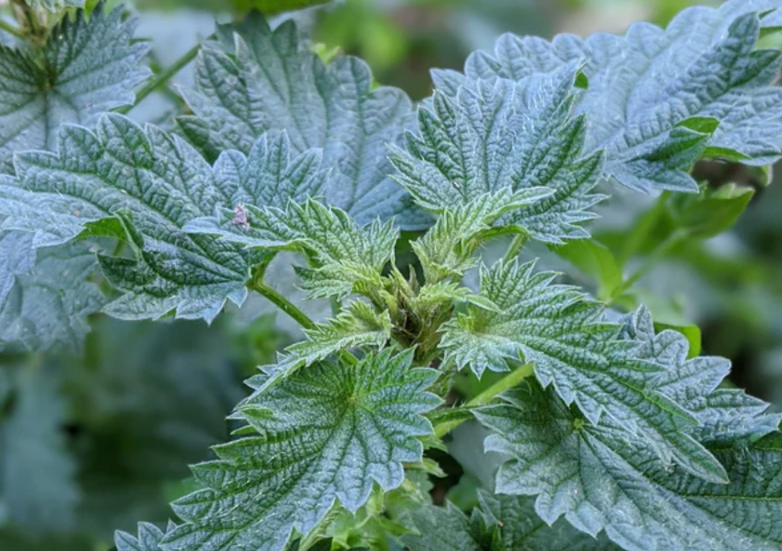
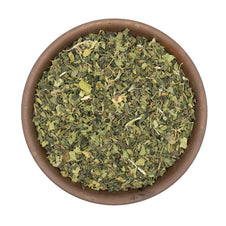
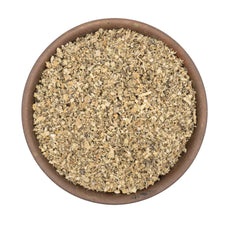
Nettle tea is made from the dried leaves of stinging nettle (Urtica dioica), and once the leaves are dried the sting is gone. It brews into a deep green, earthy cup with no caffeine, a bit like a mild green tea with a hint of cooked spinach. Most people drink it for its minerals: dried nettle leaf is rich in calcium, iron, magnesium and potassium, and in European herbal tradition it was the tea people drank at the end of winter to get back on their feet.
This guide covers what nettle tea is traditionally used for, what's actually in it, how to brew a normal cup and a long overnight infusion, and who should check with their doctor before drinking it.
What is nettle tea?
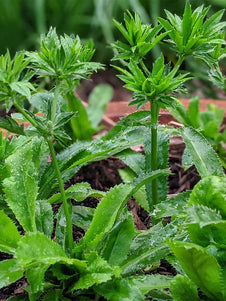
Stinging nettle grows wild through Europe, Asia and North America and has naturalised in parts of Australia, where it likes rich, damp soil. Brush against a fresh plant and the tiny hollow hairs on its leaves and stems release histamine, acetylcholine and formic acid into your skin, which is where the sting comes from. Drying or cooking breaks those hairs down, so dried nettle leaf is safe to handle and brew.
Nettle has been useful for a lot more than tea. Its stem fibre has been woven into cloth since the Bronze Age, and in the First World War the German army made uniforms from it when cotton ran short. In Hans Christian Andersen's The Wild Swans, the heroine makes eleven shirts out of nettles to break the spell on her brothers.
Australia has its own native stinging nettle too, the scrub nettle (Urtica incisa), which grows along creeks and rainforest edges in eastern and southern Australia. Aboriginal people ate its leaves after baking them between hot stones. The nettle in our tea is the European species.
You'll also see nettle root for sale. It's the same plant but a different part, with different traditional uses, mostly around men's urinary health, and it isn't what people mean by nettle tea. Everything below is about the leaf.
Nettle tea benefits
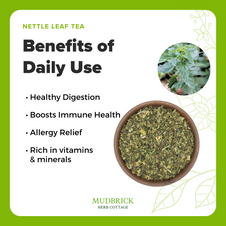
In European herbal tradition nettle is a tonic: a tea you drink regularly through a season rather than a remedy for one thing. These are the reasons people drink it.
It's rich in minerals
Dried nettle leaf is unusually rich in minerals. 100 g of dried leaf holds roughly 2 g of calcium, 1.3 g of potassium, just over 700 mg of magnesium and about 17 mg of iron, along with beta-carotene, vitamin C, vitamin K and several B vitamins.
A cup of tea only draws out part of that, and how much depends on how long you steep it. That's why people who drink nettle for its minerals make a long infusion instead, with a big handful of leaf left to steep for several hours (see below). A squeeze of lemon in the cup is a good habit too, because vitamin C helps your body take up the iron in plant foods.
A traditional spring tonic
Across Europe, nettle was one of the first greens up after winter, and nettle soup and nettle tea were how people got fresh greens back into their diet. That's where its reputation as a spring tonic comes from, and plenty of people still drink a pot every day through spring. It's often blended with dandelion leaf, the other classic spring herb.
Through hay fever season
Nettle leaf is also a traditional tea for the hay fever months, drunk through spring and early summer while the pollen is up.
Hair, skin and nails
Nettle has a long history as a hair rinse. A strong, cooled nettle tea poured through the hair as the final rinse after washing is an old country practice for glossy hair and a fresh-feeling scalp, and it still turns up in homemade hair tonics. Drinking it for hair, skin and nails comes back to the minerals, particularly silica, iron and zinc.
Stiff joints
Nettle is traditionally used for stiff joints, both as a tea and, historically, by stinging the sore spot with fresh leaves, a practice called urtication. We'd stick with the tea.
An everyday caffeine-free tea
Plenty of people drink nettle simply because it makes a good daily tea with no caffeine. It has a mild diuretic effect, which is why it's traditionally used to support the urinary tract, and it mixes well with other herbs, so it's an easy base for your own blends.
Nettle tea for women
Nettle has a long history in women's herbalism, mostly because of its iron. It's a traditional part of tonic blends with raspberry leaf and oat straw. If you're low in iron, though, talk to your doctor. A tea is a gentle top-up, not a replacement for iron your doctor has prescribed.
Pregnancy is different. The European Medicines Agency doesn't recommend nettle leaf during pregnancy or breastfeeding, because its safety hasn't been established. Don't start drinking nettle tea while pregnant or breastfeeding unless your midwife or doctor says it's fine for you.
How to make nettle tea
A normal cup. Put 1 to 2 teaspoons of dried nettle leaf in a cup or small pot, pour over just-boiled water, cover, and steep for 10 to 15 minutes. Strain and drink. The longer it steeps, the darker, earthier and more mineral-rich it gets. Most people drink up to three cups a day.
An overnight infusion. This is the way to make nettle for its minerals. Put about 30 g of dried leaf (a generous handful) in a 1 litre jar, fill it with boiling water, put the lid on and leave it for 4 to 8 hours or overnight. Strain, squeeze the leaves out well, and drink it through the day, cold or gently warmed. Keep it in the fridge and use it within three days.
Nettle on its own is earthy and grassy. If you find it a bit plain, add a pinch of peppermint or lemon balm for a brighter cup, or chamomile for a softer one. There's more on brewing in our guide to making nettle tea.
Other ways to use dried nettle
- In the kitchen. Crumble a handful into soups, stews, stocks and risotto near the end of cooking. It tastes like a mild spinach.
- In smoothies and porridge. Grind the dried leaf to a powder and stir in a teaspoon.
- As a hair rinse. Brew a strong pot, let it cool, and pour it through your hair as the final rinse after washing.
- In the garden. Nettle makes a classic homemade liquid fertiliser. Soak fresh nettles in a bucket of water for two to three weeks, then dilute the liquid about 1 part to 10 with water before using it on your plants. It smells terrible, so keep the bucket well away from the house.
Side effects and who should take care
Nettle leaf tea is mild, and most adults drink it without any trouble. A few people get an upset stomach. These are the groups who should check first.
- Pregnancy and breastfeeding. Its safety hasn't been established, so avoid it unless your midwife or doctor says otherwise.
- Blood thinners. Nettle contains vitamin K, which can work against warfarin. If you take a blood thinner, talk to your doctor before drinking it regularly.
- Blood pressure, diabetes, sedative and lithium medicines. Nettle may add to the effect of blood pressure, diabetes and sedative medicines, and because it's mildly diuretic it can change how your body clears lithium. Check with your pharmacist or GP.
- Kidney problems, or fluid retention from a heart condition. Talk to your doctor first.
- Before surgery. Stop drinking nettle at least two weeks before a scheduled operation.
- Nettle allergy. If you react to the plant, skip the tea.
This information is not a substitute for medical advice. Consult a healthcare provider before use, especially if pregnant, breastfeeding, or taking medication.
Common questions about nettle tea
What is nettle tea good for?
It's traditionally drunk as a mineral-rich tonic tea: at the end of winter and through spring, during hay fever season, for hair, skin and nails, and for stiff joints. Plenty of people simply drink it as an everyday caffeine-free tea.
Is nettle tea good for you?
For most adults, yes. It's caffeine-free, rich in minerals and has been drunk as a tonic tea for a very long time. The exceptions are pregnancy, breastfeeding and some medicines, listed above.
What is the best time to drink nettle tea?
Any time of day suits it, since there's no caffeine. Because it's mildly diuretic, most people find it works better earlier in the day than right before bed. If you make an overnight infusion, drink it through the next day.
Can you drink nettle tea every day?
Yes. Most adults drink one to three cups a day, which is how it's traditionally used. If you take any regular medicines, check the list above first.
What does nettle tea taste like?
Earthy and grassy, a bit like a mild green tea with a hint of cooked spinach. It gets darker and stronger the longer you steep it, and peppermint or lemon balm brighten it up.
Is nettle tea the same as nettle root?
No. Nettle tea is made from the leaf. The root is a different part of the plant with different traditional uses, and it's usually simmered rather than steeped.
Does nettle tea sting?
No. Drying breaks down the tiny stinging hairs, so dried nettle leaf is safe to handle and brew. Fresh nettle loses its sting once it's cooked or steeped in boiling water too.
Buying and storing nettle
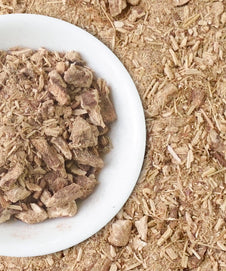
Our nettle leaf tea is certified organic dried leaf, sold in 50 g, 200 g and 500 g packs. At about 30 g a litre, a 50 g pack makes fewer than two jars of overnight infusion, so if you're making it regularly, the 500 g pack costs about half as much per gram. Store it in an airtight container away from light and heat and it will keep its colour and flavour for up to 18 months. Good dried nettle is a deep green and smells fresh and grassy, not dusty.
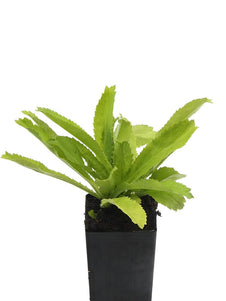
If you'd rather grow your own, we also sell nettle plants, sent by Express Post to most Australian states (not WA, NT or Tasmania). Plant them somewhere you won't brush past them, like a back corner or a big pot, and pick the young tops with gloves on.

