


Sage

11 products

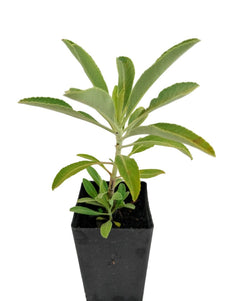
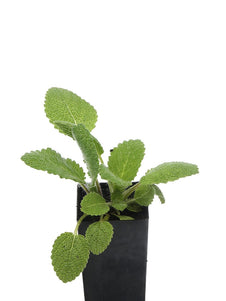
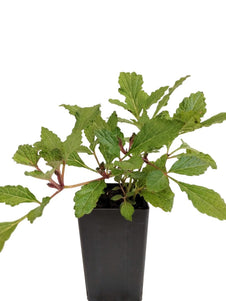
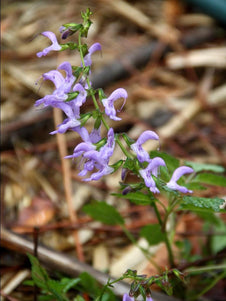
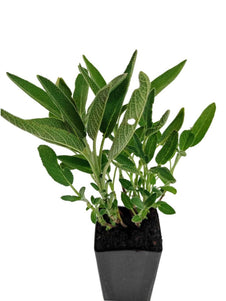
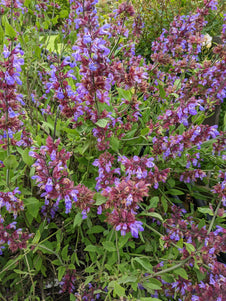
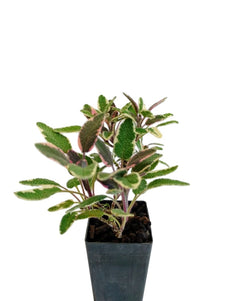
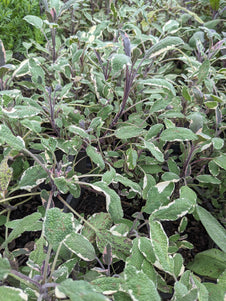
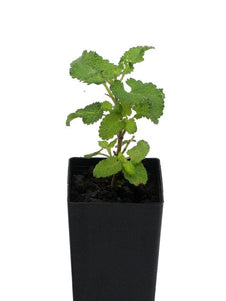
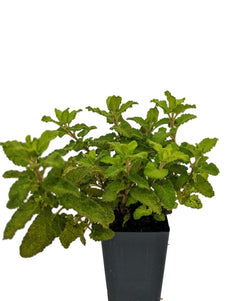
We grow 11 varieties of certified organic sage plants at our Gold Coast nursery. From common garden sage for cooking to white sage for smudging and pineapple sage for teas, all are shipped fresh by Express Post.

Learn more about this collection

Sage is one of the most versatile herbs you can grow. It is a staple in the kitchen, a favourite in the cottage garden, and several varieties have a long history of traditional use in herbal medicine. Our sage plants are all certified organic, propagated and raised at our nursery on the Gold Coast.

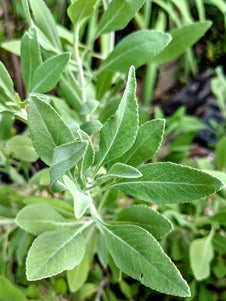
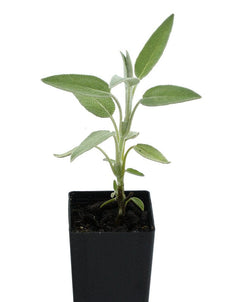
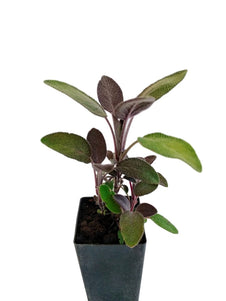
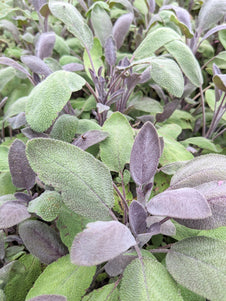
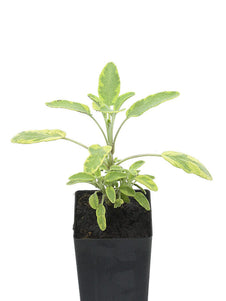
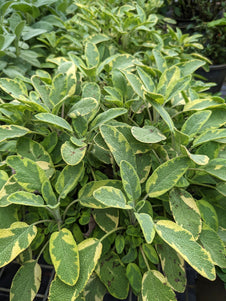
The collection includes 11 types of sage to suit different uses. Common sage (Salvia officinalis) is the classic culinary variety, perfect for burnt sage butter, stuffing and roasted meats. If you want something more ornamental, purple sage, golden sage and tricolour sage all have striking foliage while still being useful in the kitchen.

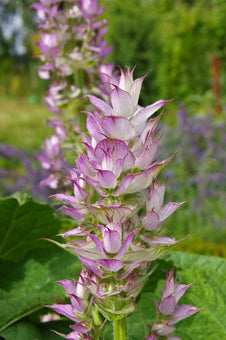
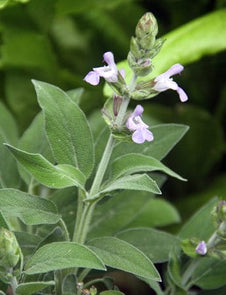
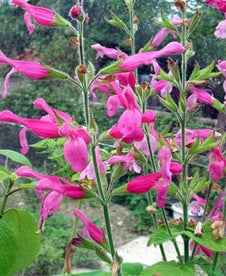
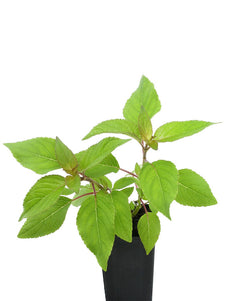
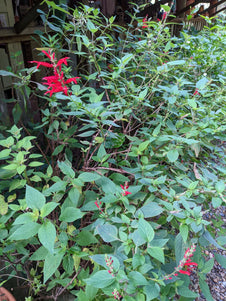
Pineapple sage is one of our most popular varieties. It has a sweet, fruity scent and bright red flowers that attract hummingbirds and bees. The leaves make a lovely fresh tea. White sage (Salvia apiana) is widely used for smudging, and we carry a range of ready-to-use smudge sticks if you prefer. For something more unusual, clary sage is traditionally used in aromatherapy, and Greek sage is the variety most commonly used for herbal tea in the Mediterranean.

We also grow a much larger range of ornamental salvias in our salvia collection, plus dried sage if you need it straight away.
    About Sage

    Sage has been grown in herb gardens for thousands of years, and for good reason. It is tough, drought tolerant, and useful in the kitchen year-round. A few leaves of fresh sage make an enormous difference to dishes like roast pork, pumpkin soup and pasta with burnt butter.

    We grow 11 sage varieties at Mudbrick Herb Cottage on the Gold Coast, from the classic culinary herb through to specialty types like pineapple sage, white sage and clary sage. All are certified organic and shipped fresh by Express Post. If you are after ornamental salvias for garden colour, see our salvia collection.

    Frequently asked questions

    When is the best time to plant sage in Australia?

    In warm climates like Queensland and northern NSW, you can plant sage most of the year. Autumn and spring are ideal because the soil is warm and the weather is mild. In cooler southern states, plant in spring after the last frost. Sage likes warm, dry conditions and will struggle if planted during cold, wet winters.

    Do sage plants come back every year?

    Yes, common sage (Salvia officinalis) is a perennial and will come back year after year. It tends to get woody after three or four years, so many gardeners replace their plants at that point or take cuttings to start fresh. Most of the sage varieties in our collection are perennial, though clary sage is a biennial that completes its life cycle over two years.

    What are the different types of sage plants?

    We grow 11 sage varieties. Common sage is the classic culinary herb. Purple sage, golden sage and tricolour sage are ornamental forms that double as kitchen herbs. Pineapple sage has a sweet fruity scent and is great for teas. White sage is used for smudging. We also carry a large range of ornamental salvias in a separate collection.

    Where should I not plant sage?

    Avoid planting sage in heavy, wet soil or in full shade. Sage needs good drainage and at least six hours of direct sunlight per day. Do not plant it near moisture-loving herbs like mint or basil, as they need very different watering. Sage grows best alongside other Mediterranean herbs like rosemary, thyme and oregano.

    What is sage companion planting?

    Sage is a great companion for rosemary, thyme, oregano and lavender, as they all enjoy similar dry, sunny conditions. In the vegetable garden, sage is traditionally planted near brassicas (cabbage, broccoli, cauliflower) because its strong scent is said to help deter cabbage moths.

    Do you ship sage plants across Australia?

    We ship sage plants by Express Post to most Australian states. We are unable to send live plants to Western Australia, Northern Territory or Tasmania due to quarantine restrictions. Each plant is carefully packed to travel safely. See our shipping information page for details.

    Recently viewed