






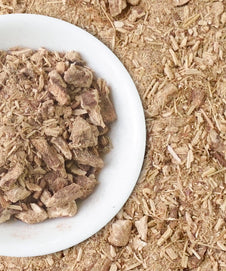


Cats Claw
Cats Claw
- In stock, ready to ship


Country of Origin may differ from what is shown above.
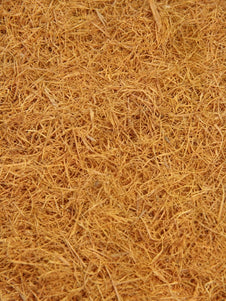
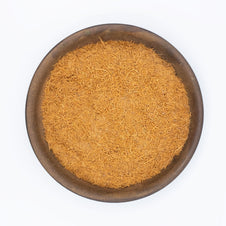
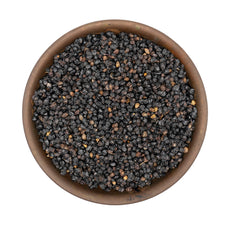
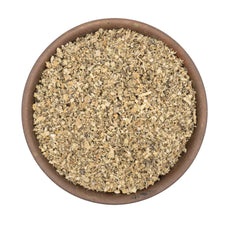
Cat's claw bark from Uncaria tomentosa is a tropical climbing vine named for the distinctive hook-shaped thorns it uses to climb through the canopy. Used in traditional herbal medicine for over 2,000 years, cats claw is traditionally valued for its role in supporting healthy immune function and joint comfort. The bark is prepared as a decoction (simmered tea) to extract its beneficial oxindole alkaloids and other bioactive compounds.
Key Benefits
- Immune support: Traditionally used to support the body's natural immune response. Contains pentacyclic oxindole alkaloids that have been the subject of modern research into immune modulation.
- Joint comfort: Traditionally used in herbal medicine to support joint mobility and comfort. A 52-week clinical study investigated its use for joint support.
- Rich in bioactive compounds: Contains oxindole alkaloids, quinovic acid glycosides, and proanthocyanidins that contribute to its traditional properties.
- Decoction herb: Cats claw bark needs to be simmered (not just steeped) to properly extract the beneficial compounds from the tough woody bark.
Decoction: Add 1 to 2 teaspoons of cats claw bark to 2 cups of water. Bring to the boil, then reduce heat and simmer for 15 to 20 minutes. Strain and drink 1 cup up to 3 times daily. The taste is mildly bitter and woody.
Blending: Combines well with Astragalus Root for immune support blends, or with Turmeric Pieces and Ginger Root for a warming joint-comfort decoction.
Tincture: Combine 1 part bark to 5 parts alcohol (at least 40% strength) in a sealed glass jar. Steep for 4 to 6 weeks, shaking daily. Strain and take 1 to 2 ml up to 3 times daily.
The Ashaninka people call cat's claw "saventaro," meaning "powerful plant." It was traditionally reserved for use by their healer-priests, who reportedly could identify the most potent vines by characteristics invisible to others.
Cat's claw was largely unknown to Western science until Austrian researcher Klaus Keplinger travelled to the rainforest in the 1970s and documented its traditional uses. His research led to several patents and brought the herb to international attention.
Not suitable during pregnancy. Not recommended for people with autoimmune conditions or those taking immunosuppressant medications. This information is not a substitute for medical advice. Consult a healthcare provider before use, especially if pregnant, breastfeeding, or taking medication.
Our shipping costs are a flat rate, meaning you can add any amount of products to your order and you will pay the same.
Regular Post - $10.95
Express Post - $12.95
Dispatch days: Monday to Thursday.
We send Australia wide.
*Subject to actual conditions. Find out more on our Delivery information page.
We want you to be thrilled with your purchase from us. If you are not satisfied with an item and need to return it, we're here to help.
Find out more about our Returns & Refunds.