





Radium Weed: Why It's Called Cancer Weed and Why to Handle It With Care
We often have groups come for morning tea and a walk around the herb garden, and I like showing people the weedy herbs that help themselves to the best spots in the beds. Radium weed is one that always gets a reaction, because of its reputation. Here's where that reputation came from, what happened to the medicine made from its sap, and how to handle the plant safely.
What is radium weed?
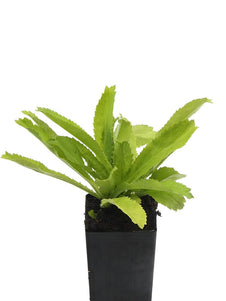
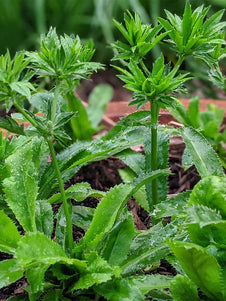
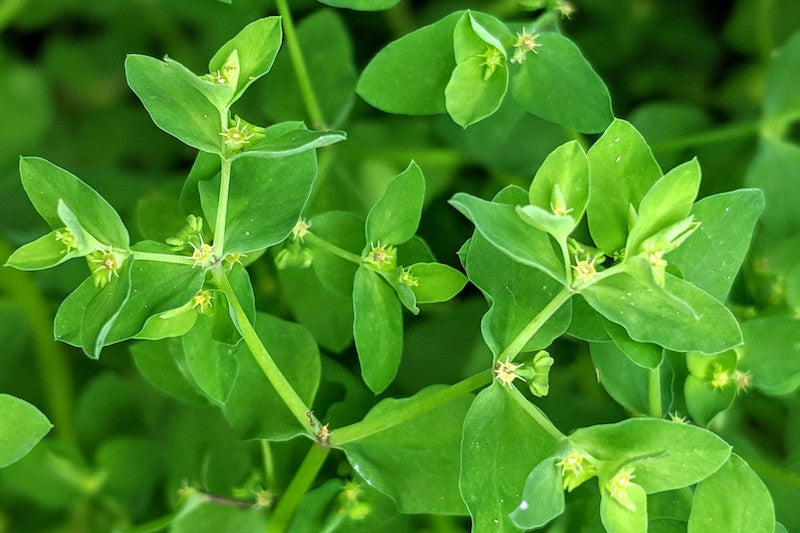
Radium weed (Euphorbia peplus) is also known as petty spurge, milkweed and cancer weed. It's a small annual weed, common throughout Australia, that came here from Europe in the 1800s. It has branched stems with alternate, oval leaves and small yellow-green flowers you'd barely notice. Break a stem and it oozes a milky sap, and that sap is why the plant is famous.
Why is it called radium weed?
The sap is caustic. On skin it burns, blisters and scabs over, and for generations people dabbed it on warts, corns and sunspots to burn them off, much as radium treatments once did. That's where the names radium weed and cancer weed come from.
The medicine that came from its sap
In the late 1990s an Australian company, Peplin Biotech, started researching the sap and identified a compound in it called ingenol mebutate. Peplin later became part of LEO Pharma, and the compound became Picato, a prescription gel for sun spots (actinic keratoses).
In 2020 the European Medicines Agency concluded that ingenol mebutate may increase the risk of skin cancer and that its risks outweighed its benefits. LEO Pharma withdrew Picato, and the TGA cancelled its Australian registration in November 2020. The one medicine made from radium weed is no longer sold.
Don't use it on your skin
The sap is corrosive and easy to get wrong, and a spot you treat yourself hasn't been checked. Some skin spots are skin cancers that need proper treatment, and burning the top off one can hide what's underneath and delay a diagnosis. If you have a spot you're worried about, see your GP or a skin cancer clinic.
The sap is also dangerous in the eyes. Euphorbia sap can cause severe, painful eye inflammation, and there are published cases of radium weed sap getting into someone's eye while they were putting it on a skin growth. If sap gets in your eyes, rinse them under running water for at least 15 minutes, get medical help, and call the Poisons Information Centre on 13 11 26.
Handling it in the garden
Wear gloves when you pull it out, wash your hands afterwards, and keep your hands away from your eyes and mouth until you have. Keep children and pets away from the sap too.
Radium weed self-seeds readily. It will grow in poor soil and awkward spots, but does best in a well-watered position in sun to part sun. Here in South East Queensland it comes up mostly in the cooler months, and in the cooler southern states it grows through summer.
Know your weeds
Chickweed grows at the same time of year, often in the same beds. It's a gentle, useful herb: people eat it, and use it in creams and oils for dry, itchy skin. If radium weed gets picked in with it, you could be putting a caustic sap into a cream, oil or meal you meant to be soothing. Be sure you know what you're picking before you use any weed from the garden.
This article is general information, not medical advice. Please see a doctor about any skin spot or skin concern.

