





Chamomile Tea Benefits: What It Does, How to Make It and Who Should Take Care

Chamomile tea is a caffeine-free herbal tea made from the dried flowers of German chamomile (Matricaria chamomilla). It brews into a golden cup with a honey-sweet, faintly apple-like flavour, and it's the tea most people reach for when they want to wind down in the evening or settle their stomach after a big meal.
We've sold organic chamomile flowers for years and it's one of the most reviewed dried herbs in our range, so we get a lot of questions about it. This guide covers what chamomile tea is traditionally used for, what the research says about sleep, how to make a proper cup from whole flowers, and who should go easy on it.
What is chamomile tea?
There are two chamomiles you'll come across. German chamomile is the one used for tea. It's a tall, self-seeding annual with lots of small daisy-like flowers on branching stems, and its flowers are the ones you'll find in every chamomile tea bag and in our organic chamomile tea. Roman chamomile (Chamaemelum nobile) is a low, sprawling perennial that's mostly grown as a lawn or groundcover and for its essential oil. It makes a more bitter cup, so if you're brewing tea, German is the one you want.
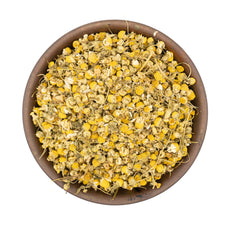
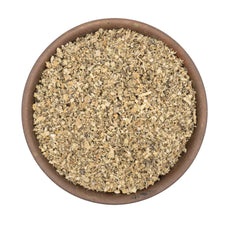
The difference between whole flowers and tea bags is mostly about freshness. Whole dried flowers still have their bright yellow centres and a strong, sweet, apple-like smell when they're in good condition. Tea bags usually contain broken flowers and dust, which lose their aroma faster. Either will make you a cup of chamomile, but if you drink it regularly, whole flowers give a noticeably rounder, sweeter brew.

Chamomile tea benefits
Chamomile has been drunk as a calming tea for a very long time. Beatrix Potter had Peter Rabbit's mother put him to bed with a dose of it after his misadventure in Mr McGregor's garden, and she chose it deliberately. Here's what people mostly drink it for.
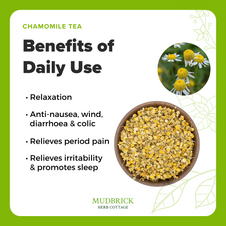
- Winding down in the evening. Chamomile is traditionally used to promote sleep and relaxation. Most people describe the effect as calming rather than drowsy, which is why it's become the classic pre-bed cup.
- Settling the stomach. A cup after a heavy meal is traditionally used to ease mild digestive discomfort, and it's a common after-dinner tea for that reason.
- Easing mild nervous tension. In Western herbal traditions chamomile is used to take the edge off a stressful day. Part of that is the herb, and part of it is the ritual of stopping to make a warm drink.
- Naturally caffeine free. A cup contains about a milligram of caffeine, so you can drink it late at night or give it to someone who's avoiding caffeine.
- Gentle enough for daily use. For most healthy adults one to three cups a day is fine. See the precautions below for the exceptions.
On the sleep question specifically, there is some real research. A 2024 systematic review and meta-analysis by Kazemi and colleagues pooled ten studies covering 772 people and found chamomile improved sleep quality scores, with the clearest effect on the number of times people woke during the night. It didn't change how long people slept. That fits what our customers tell us: chamomile helps you drift off and stay settled, but it isn't a knockout drop and it won't fix a sleep problem on its own.
Chamomile tea for sleep
If you're drinking chamomile for sleep, a few things make a difference.
- Timing. Have your cup 30 to 60 minutes before bed, so you're not up again for the bathroom.
- Strength. Make it stronger than a daytime cup. A heaped tablespoon of flowers, water just off the boil, covered, and steeped for 10 minutes gives a fuller brew.
- Make it a habit. The calming effect is partly the routine. Same cup, same time, phone down.
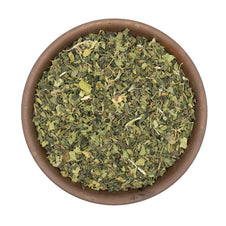
- Blend it. Chamomile pairs well with other calming herbs. Lemon balm adds a lemony freshness, a pinch of lavender deepens the floral note, and passionflower or a small amount of valerian root makes a heavier evening blend. You'll find all of these in our herbs for sleep collection, and we compare them all in our guide to the best herbal teas for sleep.
A house blend we like for the evening: three parts chamomile, two parts peppermint, two parts lemon balm, one part lavender, one part passionflower and a quarter part valerian root. Mix it dry, store it in a jar, and use a tablespoon per cup.
How to make chamomile tea
You don't need anything special. A cup, a strainer or infuser, and hot water.
- Put one tablespoon (about 3 grams) of dried chamomile flowers into a cup or teapot. Use one to two teaspoons if you prefer a lighter cup.
- Bring water to the boil, then let it sit for a moment. Just off the boil is ideal.
- Pour 250 ml over the flowers and cover the cup with a saucer or lid. Covering keeps the aromatic oils in the tea rather than letting them steam away.
- Steep for 5 to 7 minutes. Go to 10 minutes for a stronger, more bitter cup.
- Strain, and add a little honey or a squeeze of lemon if you like.
Cold brew. Two tablespoons of flowers in 500 ml of cold water, left in the fridge for 8 to 12 hours, gives a smoother, sweeter tea with less bitterness. It's a good one for summer, poured over ice with a slice of lemon.
Chamomile honey. Push a small handful of dried flowers into a jar of runny honey, leave it for a week or two, then strain or leave the flowers in. It sweetens tea and toast with a light floral note.

Other ways to use dried chamomile
- Bath soak. Steep four or five tablespoons in a litre of hot water, strain, and add it to the bath. Traditionally used to soothe the skin and help you relax.
- Hair rinse. A strong, cooled chamomile tea used as a final rinse has been used for centuries to brighten fair hair.
- In the kitchen. Infuse the flowers into warm cream or milk for custards, panna cotta or ice cream, or add a teaspoon of finely crumbled flowers to biscuit and scone dough.
- Brewing. Chamomile is a popular flavouring for wheat beers, meads and the second ferment of kombucha, which is why you'll see it tagged for brewing in our store.
Side effects and who should take care
Chamomile is gentle, and for most people the worst you'll get from too much is feeling a bit sleepy or a mild upset stomach. There are a few groups who should be careful.
- Daisy family allergies. Chamomile is in the same plant family as ragweed, chrysanthemums, marigolds and daisies. If you react to those, you may react to chamomile too, so skip it or start with a weak cup.
- Pregnancy and breastfeeding. The occasional cup is generally considered low risk, but the evidence is limited and concentrated chamomile extracts and supplements are best avoided. Talk to your midwife or GP before making it a daily habit.
- Blood thinners and sedatives. Chamomile may add to the effect of medicines like warfarin and aspirin, and of sedatives and sleeping tablets. Check with your pharmacist or GP if you take any of these.
- Before surgery. It's usually recommended to stop chamomile at least two weeks before a scheduled operation.
- Babies and small children. Ask your GP or child health nurse before giving chamomile tea to young children.
- Pets. Keep the dried flowers away from cats in particular. Chamomile can upset their stomachs and irritate their skin.
This information is not a substitute for medical advice. Consult a healthcare provider before use, especially if pregnant, breastfeeding, or taking medication.
Common questions about chamomile tea
Will chamomile tea make me sleepy?
Usually it makes you feel calmer rather than drowsy. It's not a sedative in the way a sleeping tablet is, so you can drink it in the afternoon without worrying. If you're using it for sleep, have a stronger cup 30 to 60 minutes before bed.
Is it safe to drink chamomile tea every day?
For most healthy adults, yes. One to three cups a day is a common amount. The exceptions are people with daisy-family allergies, anyone on blood thinners or sedatives, and pregnant or breastfeeding women, who should check with their doctor first.
When is the best time to drink chamomile tea?
Whenever suits you, since it's caffeine free. Most people drink it in the evening to wind down, or after dinner to settle their stomach.
Who should not drink chamomile tea?
Anyone with a known allergy to plants in the daisy family. People on blood thinners, sedatives or sleeping tablets, and anyone with surgery coming up, should check with a health professional first. Pregnant women should stick to the occasional cup and avoid concentrated extracts unless their doctor says otherwise.
Does chamomile tea have caffeine?
No. A cup contains about one milligram, which is as close to caffeine free as a drink gets.
Which is better, chamomile or green tea?
They do different jobs. Green tea has caffeine and a grassy, savoury flavour, so it's a daytime drink. Chamomile is caffeine free and calming, so it's the evening one. Plenty of people drink both.
Is your chamomile German or Roman?
German. Our chamomile tea is certified organic whole German chamomile flowers, the species used for tea. If you'd like to grow your own, we grow German chamomile plants at the nursery too.
Buying and storing chamomile
Our organic chamomile tea is whole flowers, not dust, and comes in 50 g, 200 g and 500 g bags. A 50 g bag makes roughly 15 cups at a tablespoon each, and the 500 g is the one to buy if it's a nightly habit or you make blends. Everything else chamomile, from the plants to the essential oil, is in our chamomile collection, and the calming herbs it pairs with are in herbs for sleep and herbal tea blends.
Store the flowers in an airtight jar in a cool, dark cupboard, not the fridge, where condensation can cause mould. Kept this way they hold their aroma for a year or more. If they've faded to brown and lost the apple smell, they'll still make tea, but a flat one.
Dried herbs ship Australia-wide, Regular Post $10.95 or Express Post $12.95, sent Monday to Thursday, or you can pick up from the nursery on the Gold Coast. If sleep is what brought you here, our guide to the best essential oils for sleep covers what to diffuse alongside a nightly cup.

