



The Best Herbal Teas for Sleep: 8 Herbs to Try and How to Blend Your Own

The best herbal teas for sleep are caffeine-free infusions of calming herbs, drunk in the hour before bed. Chamomile, lemon balm and lime flower are the gentle, everyday ones. Passionflower and skullcap sit in the middle. Valerian root and hops are the strongest of the traditional sleep herbs, and taste like it.
None of them will knock you out, and that's the honest starting point. What a good sleep tea does is give you a warm, caffeine-free ritual that tells your body the day is over, with herbs that are traditionally used to help you unwind and settle. Done most nights, that adds up. We stock all of the herbs below as loose dried herbs in our herbs for sleep collection, plus two ready-made blends, so this guide is as much about choosing between them as it is about brewing.
How to choose a sleep tea
- Start gentle. If you sleep reasonably well and just want a better wind-down, chamomile, lemon balm or lime flower are pleasant enough to drink every night for years.
- Go stronger only if you need to. Passionflower and skullcap are a step up. Valerian and hops are for people who've tried the gentle ones and want more, and both need blending to be drinkable.
- Taste decides whether you'll keep it up. A tea you enjoy and drink nightly beats a stronger one you dread. That's the case for blends, which soften the strong herbs with the pleasant ones.
- Buy whole, loose herbs. Whole flowers and leaves keep their aromatic oils longer than the dust in tea bags, and you control the strength.
1. Chamomile
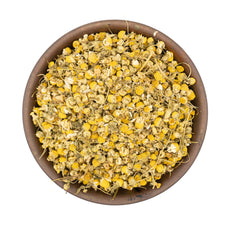
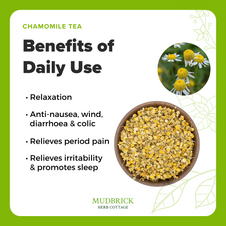
German chamomile (Matricaria chamomilla) is the classic bedtime tea for good reason. It's honey-sweet, mild, and traditionally used to promote sleep and relaxation. A 2024 review of ten studies covering 772 people found it improved sleep-quality scores, mostly by reducing the number of times people woke in the night. Brew a heaped tablespoon of whole flowers per cup, covered, for 10 minutes. It's the easiest one to like and the best base for a blend. We've written a full guide to chamomile tea benefits and how to make it, and our organic chamomile tea is whole flowers, not dust.
2. Lemon balm
Lemon balm (Melissa officinalis) is a mint-family leaf with a fresh, lemony flavour and a long history in Western herbalism for easing mild nervous tension and helping with sleep. Its European regulator, the EMA, accepted lemon balm leaf for the relief of mild symptoms of mental stress and to aid sleep back in 2013. It's a natural partner for chamomile and for the stronger herbs below, because it makes them taste better. Use 2 to 3 teaspoons of dried lemon balm per cup and steep, covered, for 10 minutes. If you take thyroid medication, check with your pharmacist before drinking it daily.

3. Passionflower
Passionflower (Passiflora incarnata) is the leaf and stem of a climbing vine, and it's the one to try when an overactive mind is what's keeping you awake. It's traditionally used to quieten mental chatter and support sleep. A 2011 double-blind study had healthy adults drink a cup of passionflower tea nightly for a week and found they rated their sleep quality better than the placebo group. The flavour is grassy and mild. Use 1 to 2 teaspoons of dried passionflower per cup, covered, for 10 to 15 minutes. Best avoided in pregnancy and alongside sedative medicines.
4. Valerian root
Valerian (Valeriana officinalis) root is the strongest sleep herb most people will ever drink, and the one with the most research behind it. It's traditionally used for people who struggle to fall asleep, and reviews of the trials point to better self-reported sleep quality, though the studies vary a lot in quality and researchers keep calling for better ones. Be warned about the smell. It's earthy and pungent, like old socks, and it gets stronger as it steeps. Nobody drinks it neat. Use 1 to 2 teaspoons of valerian root per cup with lemon balm or chamomile, steep covered for 10 to 15 minutes, and add honey. Don't combine it with sleeping tablets, sedatives or alcohol, skip it before driving, and give it a miss in pregnancy unless your doctor says otherwise. A small number of people find it makes them more alert rather than less, so try it on a night when it doesn't matter.
5. Lavender
Lavender (Lavandula angustifolia) flowers make a floral, slightly bitter tea that most people use as an ingredient rather than on its own. A little goes a long way: a quarter to half a teaspoon in a chamomile or lemon balm cup adds the aroma without the soapiness. Most of the sleep research on lavender is about the essential oil breathed in rather than the tea, so treat the tea as a pleasant calming addition rather than the main event. Our Australian-grown organic lavender is culinary grade, which is what you want for tea. If you'd rather use the oil, our guide to essential oils for sleep covers that.
6. Hops
Yes, the beer ingredient. Hops (Humulus lupulus) are the papery flower cones of a vine, and long before lager they were a strewing herb and a sleep herb. Traditional Western herbalism regards hops as strongly relaxing, and they're often paired with valerian. Medieval monks were reportedly given hops tea to keep them calm and celibate, which tells you something about the effect. The tea is bitter and pungent, so use about a tablespoon of dried hops per cup, steep 5 to 10 minutes, and blend it with lemon balm and chamomile. Old-fashioned hop pillows, a handful of cones sewn into a small cotton bag and tucked under the pillow, are another way to use them. If you're on hormone treatment or have a hormone-sensitive condition, check with your GP before making hops a habit.
7. Lime flower (linden)
Lime flower (Tilia species) has nothing to do with the citrus fruit. It's the blossom of the European linden tree, and it makes a sweet, honey-like tea that's traditionally drunk before bed across much of Europe. It's one of the gentlest herbs on this list and one of the nicest tasting, which makes it a good choice for someone who finds chamomile too "apple". Use 1 to 2 teaspoons of lime flower per cup, covered, for 5 to 10 minutes.
8. Skullcap
American skullcap (Scutellaria lateriflora) is a mint-family leaf traditionally used for the kind of wired, overthinking tiredness where you're exhausted but your head won't stop. It's mildly bitter and grassy, and it blends well with lemon balm. Use 1 to 2 teaspoons per cup, covered, for 10 to 15 minutes. Skullcap has a documented history of being adulterated with a different plant that damaged people's livers, so buy it from a source you trust. Our Australian-grown organic skullcap is the real thing.

Ready-made sleep blends
If you'd rather not measure out five jars at 9pm, we make two blends.
- Sleep Time Tea is our house blend of chamomile, catnip, lemon balm, passionflower and skullcap. Two teaspoons per cup, steeped 5 to 10 minutes, one or two cups before bed. A 50 g bag makes about 36 cups. It's the gentle-to-medium option and the one to start with.
- Jilungin Sleep Tea is an Australian native, the wildcrafted leaf of Terminalia canescens, brewed as a bedtime tea by Aboriginal people for a very long time. It has a mild, slightly sweet flavour and is naturally caffeine free. We've written about jilungin tea and how to make it separately.
How to blend your own sleep tea
Blending is mostly about balancing the pleasant herbs against the strong ones. Mix the dry herbs, keep them in an airtight jar, and use a tablespoon per cup.
- Gentle every-night blend: 3 parts chamomile, 2 parts lemon balm, 1 part lime flower, a pinch of lavender.
- Busy-mind blend: 2 parts chamomile, 2 parts lemon balm, 2 parts passionflower, 1 part skullcap.
- Strong blend: 3 parts chamomile, 2 parts peppermint, 2 parts lemon balm, 1 part lavender, 1 part passionflower, half a part each of valerian root and hops. The peppermint and honey are there to make the valerian bearable.
Getting the most out of a sleep tea
- Drink it 30 to 60 minutes before bed, so you're not up again for the bathroom.
- Cover the cup and steep for 10 minutes. Most of the calming aromatic oils escape with the steam if you don't.
- Make it stronger than a daytime tea and don't drown it. One decent cup beats a litre.
- Keep it up. The routine is half of it. Give a new tea two or three weeks of most nights before you judge it.
- Pair it with the boring stuff: same bedtime, dim lights, phone somewhere else.
Who should take care
- Pregnancy and breastfeeding. Chamomile, lemon balm and lime flower in occasional cups are generally considered low risk. Valerian, hops, passionflower and skullcap are best avoided unless your midwife or GP is happy with them.
- Sleeping tablets, sedatives, anti-anxiety medicines and alcohol. The stronger herbs, valerian and hops especially, can add to their effect. Don't combine them without advice.
- Driving and machinery. Treat valerian, hops and strong passionflower blends like anything else that makes you drowsy.
- Allergies. Chamomile is in the daisy family, so people who react to ragweed, chrysanthemums or marigolds should be careful with it.
- Children. Ask your GP or child health nurse before giving any of these to young children.
- Persistent sleep trouble is worth a conversation with your GP. Herbal teas are for winding down, not for diagnosing what's going on.
This information is not a substitute for medical advice. Consult a healthcare provider before use, especially if pregnant, breastfeeding, or taking medication.
Common questions
What is the best herbal tea for sleep?
For most people, chamomile, on its own or blended with lemon balm. It's gentle, well studied and pleasant enough to drink every night. If that's not enough, add passionflower, and only then look at valerian.
What is the strongest herb for sleep?
Valerian root, with hops close behind. Both are traditionally regarded as the heavy hitters, both taste strong, and both are best blended and kept for nights when you don't have to be up early or drive.
Which tea is best for sleep and stress?
Lemon balm and passionflower are the ones traditionally used when it's a busy, worried mind keeping you awake, and they combine well with chamomile. Our Sleep Time Tea blend is built around exactly that combination.
Can I drink sleep tea every night?
The gentle herbs, yes. Chamomile, lemon balm, lime flower and our Sleep Time Tea are fine as a nightly habit for most healthy adults. Valerian and hops are better used when needed rather than every night, and always with the precautions above.
How long before bed should I drink it?
Thirty to sixty minutes. Long enough to relax and use the bathroom before you lie down.
Buying sleep herbs
Everything in this article is loose, dried and sold by weight in our herbs for sleep collection, with the two blends and other calming teas in herbal tea blends. Most of the range is certified organic; the product page for each herb shows its status. Store your herbs in airtight jars in a cool, dark cupboard and they'll hold their aroma for a year or more.
Dried herbs ship Australia-wide, Regular Post $10.95 or Express Post $12.95, sent Monday to Thursday, or pick up from the nursery on the Gold Coast.

