



Infusions and decoctions: how to make herbal tea properly

There are two ways to make a herbal tea, and which one you use comes down to which part of the plant you are working with. Soft parts get an infusion. Hard parts get a decoction. Get that right and you will taste the difference, and get more out of the herb.
Here is how we make both, plus what to do when a blend contains a bit of each.
First, a note on the word tea
Herbal tea really should be called a herb tisane. Technically, tea refers to the leaves of the Camellia sinensis plant, and the different types of tea, black, green, white and red, all come from that same leaf and are simply processed differently. They all contain caffeine, from around 35 milligrams a cup for green tea up to about 90 for black.
Herbal tisanes are caffeine free, unless the herb you are using happens to contain caffeine. They can be made from a single herb or a blend, and drunk as an everyday cup or for the qualities of the herb itself. They are the most basic of herbal preparations: easy to make, comforting, and easy for the body to take in.
Infusions: for the soft parts
Infusions are used for the soft parts of the plant:
- Flowers
- Leaves
- Soft stems
These give up their goodness readily, so hot water and a bit of time is all they need. You can make an infusion straight in a cup, in a teapot, a plunger or an infusion mug.

How to make a standard infusion
The standard measurement is 2 teaspoons of dried herb, or 1 to 2 tablespoons of fresh chopped herbs, to one cup of water.
- Boil the water in a jug, then let it sit for a minute or two to cool slightly.
- Place the herb into your chosen vessel.
- Cover the herb with the recently boiled water.
- Cover with a lid or a saucer.
- Leave to infuse for 10 to 15 minutes. The longer you leave the infusion, the stronger it will be.
- Strain, and drink warm or cold if you prefer.
Why the lid matters
Herbs with a strong scent, such as peppermint, rosemary and thyme, usually contain a lot of beneficial volatile oils. Those oils are exactly what you are after, and they will leave with the steam if the cup is open. Covering the cup keeps them in the drink. It is the same reason we suggest keeping dried herbs in a sealed jar rather than an open packet.
Decoctions: for the hard parts
Decoctions are used for the harder parts of the plant:
- Roots
- Bark
- Berries
- Seeds
These are dense and woody, and a few minutes in a cup of hot water will barely touch them. They need simmering to break down properly.

How to make a standard decoction
- Put 25g of dried herb into a pot and add 750ml of cold water.
- Bring to the boil, then simmer for 20 to 30 minutes.
- Strain into a measuring jug.
- Top up with boiled water to make 750ml again.
That should give you about three one-cup serves. Refrigerate what you do not drink and use it within 48 hours.
When your blend has both
Plenty of blends mix soft parts and hard parts, and you can absolutely combine herbs that are best infused with herbs that are best decocted. You just do them in order.
- Make the decoction first with the hard, woody herbs.
- Remove it from the heat and add the soft herbs.
- Cover with the lid and infuse for 10 to 15 minutes.
- Strain and drink.
Two variations worth knowing
The cold infusion
A few herbs are better in cold water. Marshmallow root is the classic example. It is a hard root, so you would expect to simmer it, but its soothing, slippery quality comes through best cold. Cover it with cold water and leave it in the fridge overnight, then strain. Marshmallow leaf works the same way.
The long nourishing infusion
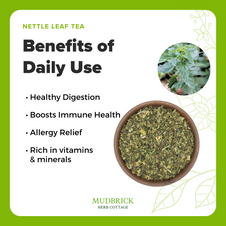
This is a different technique again: a much larger amount of herb steeped for four hours or more to draw out the minerals. A cup of nettle tea contains only a small amount of calcium, while a nourishing infusion of the same herb contains a great deal more. We have a separate guide to nourishing herbal infusions if you want to try it.
Some herbs that make great infusions
- Lemon balm is a delicious infusion with a delicate flowery lemon flavour, long taken as a calming cup at the end of the day.
- Peppermint leaves have a sharp, spicy taste, hot at first but at the same time cooling. Traditionally taken after a meal to settle the digestion.
- Rosemary tea taken in the morning warms and invigorates the whole body, and rosemary has long been associated with memory.
- Thyme makes a warming, savoury infusion, and is a traditional winter cup for coughs and sore throats.
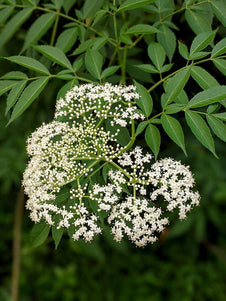
- Elderflower and yarrow are the E and the Y of the old YEP tea, combined with peppermint as the P. A well known trio through winter.
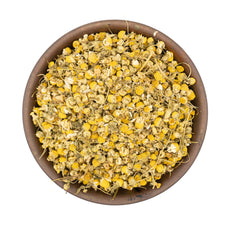
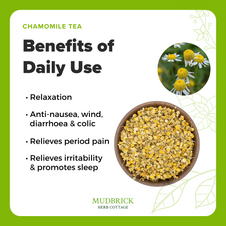
- Chamomile is the gentlest of them, and the one most people reach for before bed.
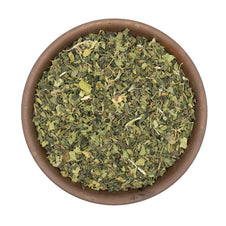
- Nettle and oat straw are the usual starting points for a nourishing infusion.
Some herbs that make great decoctions
- Roasted dandelion root makes a rich, dark cup that many people drink in place of coffee. Root dug in autumn is high in inulin. Roasted chicory root is used the same way, and both go into our own Ocodachi blend along with Byron Bay coffee.
- A note on grind. How finely a root is cut changes the method. Cut root needs simmering, but anything ground fine, like Ocodachi, gives up its flavour quickly and goes straight into a plunger or coffee machine, no pot needed.
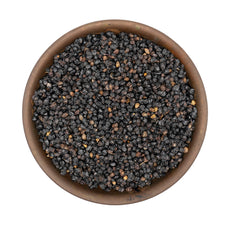
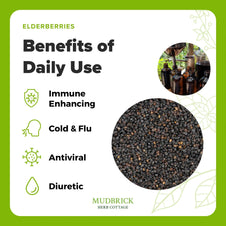
- Elderberries make a deep, fruity decoction, and are the base of the syrup a lot of people make each winter.
- Ginger root simmers into a hot, warming cup, on its own or with cinnamon sticks and a little honey.
- Hawthorn berries give a mild, slightly tart cup.
- Burdock root is earthy and goes well alongside dandelion.
- Fennel seed is the classic after dinner cup. Crush the seeds lightly first to help them open up.
Elderberry decoction

A good one to have in the fridge through winter.
100g of dried elderberries, 600ml of water.
- Place the berries and water in a saucepan and bring to the boil.
- Simmer gently for 30 to 40 minutes.
- Mash the berries a little with the back of a spoon.
- Strain through a sieve lined with muslin or cheesecloth. Lift the edges of the muslin up and squeeze out as much of the juice as possible.
- Measure the juice and add boiled water to make 700ml.
Keep it in the fridge and use it within two days. You can freeze some in ice cube trays for later use, or mix it with fruit juice or water to make ice blocks.
The short version
- Flowers, leaves and soft stems: infusion. 2 teaspoons per cup, just-boiled water, lid on, 10 to 15 minutes.
- Roots, bark, berries and seeds: decoction. 25g to 750ml cold water, boil then simmer 20 to 30 minutes.
- Both in one blend: simmer the hard parts first, take off the heat, add the soft parts, lid on for 10 to 15 minutes.
- Always cover anything strongly scented, or the volatile oils go up with the steam.
- Keep leftovers in the fridge and use within 48 hours.
If you would like a blend already made up, have a look at our herbal tea blends, or browse the full range of dried herbs.

