





How to store dried herbs so they stay fresh

This is our guide to storing dried herbs at home: how to keep them fresh, how long each type lasts, what the best before date means, why powders clump, and what to do if pantry moths ever turn up. It's based on how we look after our own herbs and on the questions customers have asked us over the years.
Why dried herbs fade (and why they rarely go off)
A well-dried herb has very little water left in it, usually under ten percent, and that is why it does not spoil the way fresh food does. What it does have is aroma: the volatile oils and other delicate compounds that give a herb its smell, flavour and colour. Those dissipate slowly with every opening of the container, and four things speed that up.
- Air. Oxygen slowly breaks down the aromatic compounds. The more air in the container, and the more often it is opened, the faster this happens.
- Light. Sunlight and even bright kitchen light bleach the colour out of leaves and flowers and hasten the loss of aroma. Rosemary kept in a clear jar on a bright shelf has been shown to lose a large share of its aroma compounds within a few months, while the same herb kept dark loses very little.
- Warmth. Heat drives the volatile oils off faster and speeds up every chemical change. Herbs are happiest somewhere that stays comfortably cool year round.
- Moisture. Damp is the one that can actually spoil a dried herb rather than just fade it. Once a herb takes on moisture it can clump, go musty and eventually grow mould.
Everything below comes back to those four.
1. Out of the bag, into a jar
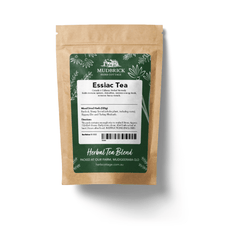
Our bags are made to get herbs to you fresh, and they do that well. Whether your herbs arrived in the kraft bags or the clear ones, tip them into a jar when the order arrives, or at least the first time you open the bag.
Cut the label off the bag and stick it on the jar. It already has the herb, the batch and the best before date on it, so there's nothing to write, and you'll always know which green leaf is which and how old it is. If you'd rather not, a bit of tape with the name and date does the same job.
2. Glass, a proper seal, and not too much air
Glass is the best home for dried herbs. It doesn't hold smells from whatever was in it before, it doesn't let air through, and nothing chews through it. A clip-top jar with a rubber seal is the best option because it seals properly every time. A good screw-lid jar is fine too. Old coffee and jam jars are perfect as long as they're clean, completely dry and shut tight.
Match the jar to the amount. A little herb in a big jar sits in a lot of air, and air is what fades it. If you buy a bigger bag, keep the jar you use every day small and full, and store the rest sealed away. Some people keep the bulk in a large jar in a cool cupboard and only refill a small working jar every few weeks, which keeps the bulk undisturbed.
Dark glass is a bonus. A clear jar in a cupboard does the same job. Metal tins with tight lids also work well; the one thing to avoid is thin plastic, which lets air through slowly, holds old smells, and is no barrier to pests.
A few herbs deserve a jar of their own. Cinnamon, clove and star anise are strong enough to scent everything stored near them, and elderberries, hibiscus and turmeric will stain a light-coloured lid or seal.
3. Cool, dark and dry (and not the fridge)
A cupboard or pantry away from the stove is ideal. Sunlight is the biggest thief of colour and aroma, so a row of jars on a sunny windowsill looks good and is the worst place for them. Above the stove or beside the kettle is next worst, because it warms up every time you cook.
Keep them out of the fridge. Every time a cold jar comes out into a warm kitchen, moisture condenses inside it, and damp is the one thing that will actually spoil dried herbs. The fridge also does nothing useful for a dry product that is already stable at room temperature. Freezing is a different matter, useful for one specific job if pantry moths ever appear (below), but day-to-day storage belongs in a cupboard.
The exception is the chilli family. Paprika, chilli flakes and cayenne hold their red colour better somewhere cold, which is why you will sometimes see them recommended for the fridge. If you do that, keep them well sealed and let the jar come back to room temperature before you open it, so you do not undo the benefit with condensation.
Humid climates, from the Queensland coast to the Top End
Everything above assumes a reasonably dry cupboard. Through a humid Queensland summer, or a Top End wet season, that assumption falls apart. Dried herbs pull moisture straight out of the air, and once they take on enough of it they clump, go musty and eventually grow mould. Powders and finely cut roots go first because they have the most surface area, which is why turmeric or slippery elm can go from free-flowing to solid in a wet week. Clumping by itself is not spoilage. Break it up and use it, as long as it smells right and there is no mould.
If the cupboard is beating you, keeping herbs cold is a sensible call, and the best version of it is to split each herb in two. Keep a small jar of what you are using now in the cupboard, and seal the rest away in the freezer. The freezer is drier than the fridge and much drier than a wet-season pantry, and because the reserve is only opened when you refill the small jar, it barely meets humid air at all.
Two things make that work. The container has to be genuinely airtight, and anything cold has to come all the way back to room temperature before you open it, or warm moist air condenses straight onto the cold herb and you have made things worse. Past that, the same habits help: a food-safe silica sachet in the working jar, close it straight after use, never spoon out of a jar over a steaming pot, and buy smaller amounts more often through the wet months instead of one big bag you will be opening for a year.
What the best before date really means
The date on the bag is the supplier's best before for the sealed bag, and it's often two or three years out. It's a guide to quality, not a safety cut-off. Stored the way above, dried herbs are perfectly fine to use past it. They just get gradually milder, so use a little more per cup or steep a little longer. The real test is your nose and eyes: if it still smells like it should and the colour has held, it's good.
The dates on our bags come from each batch, so two herbs bought on the same day can carry quite different dates. A shorter date on one bag does not mean it is old stock, it means that harvest was packed with a more conservative date, or that it is a type of herb that is given a shorter window from the start. If you rely on a long date, for example because you make products to sell, email us before you order and we will check the current batch for you.
How long dried herbs hold their flavour
This is a different question from the date on the bag. The bag date is about the sealed product; this table is about how quickly the aroma and flavour fade once a herb is opened and living in your cupboard. A herb can be well inside its best before and still be milder than it was, and it can be past the date and still perfectly usable. These are honest working guides for herbs kept in a sealed jar in a cool dark cupboard, not laboratory limits, and every herb drifts past them slowly rather than falling off a cliff.
| Type | Flavour at its best for | Examples | Notes |
|---|---|---|---|
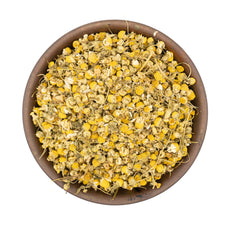
| Delicate flowers | 6 to 12 months | Chamomile, rose petals, lavender, calendula, elderflower | Fade fastest and are the most beautiful fresh. Buy amounts you will drink within the year. |
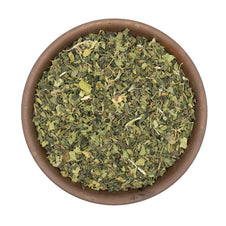
| Soft leaves | About 12 months | Lemon balm, peppermint, nettle, tulsi | Still fine well past this, just milder. Use a bit more. |
| Tougher leaves | 1 to 2 years | Rosemary, thyme, sage, oat straw | Woodier leaves hold their oils longer. |
| Berries and fruits | 1 to 2 years | Elderberries, hawthorn berries, hibiscus, rosehip | Watch for stickiness in humid weather, a sign they have taken on moisture. |
| Roots and barks | 2 to 3 years | Ginger root, turmeric pieces, marshmallow root, burdock root, cinnamon sticks | Dense and slow to fade. The best keepers. |
| Whole seeds and spices | 2 to 4 years | Fennel seed, cardamom, star anise, coriander seed | Whole seeds protect their own oils. Crush just before use. |
| Powders and ground spices | 6 to 18 months | Turmeric powder, cinnamon powder, carob powder | Grinding exposes far more surface to air. Colour holds, punch fades sooner. Keep jars small. |
| Tea blends | About 12 months | Any blend | A blend is only as long-lived as its most delicate ingredient, usually a flower. |
The rule that runs through the whole table: whole keeps longer than cut, and cut keeps longer than ground. If you have the choice, buy the whole form and crush, grind or crumble as you go.
The pantry moth question
If you keep a lot of dried goods, sooner or later you will meet the pantry moth (the Indian meal moth, to give it its proper name). The adult is a small brown-and-grey moth you might see fluttering near the pantry. It is the larvae that do the damage: tiny cream caterpillars that live on grains, seeds, nuts, dried fruit, pet food and, yes, dried herbs and roots. They spin fine silky webbing that clumps things together and leaves little cocoons in corners of the packet, and they can chew through paper, cardboard and thin plastic. One infested packet, from any shop, can spread to a whole cupboard.
Most people never see one, and if your herbs live in glass in a cool cupboard you're unlikely to. There's no need to do anything unless they turn up. If they do, here's how to deal with them.
Clearing them out
- Empty the cupboard. Anything with webbing, larvae or cocoons goes in the outside bin.
- Everything else from that cupboard goes in the freezer for three days. That kills any eggs you can't see. Pest advice services suggest three to four days at a normal household freezer temperature (about minus 18 degrees). Sealed bags can go straight in, clear or kraft (the kraft bags have a moisture barrier in the layers and only break down in active compost, not in a freezer). If you're freezing clip-top jars, take the rubber seal off first so it doesn't perish, and put it back once the jar is at room temperature.
- Take them out and let them come all the way back to room temperature before you open them. This is the important step. Opening a cold packet lets warm air condense on the cold herb. Give them a few hours on the bench, on a tea towel to catch any moisture on the outside.
- While they thaw, wipe the shelves down, paying attention to corners, screw holes and the underside of shelves where cocoons hide.
- Then everything back in, in glass. A dried bay leaf on the shelf is the traditional deterrent, and it does no harm. Sticky pheromone traps catch the adult males and tell you whether you've got on top of it.
Freezing is a one-off treatment, not a storage method. Herbs kept in the freezer long term and taken in and out get repeated condensation, which does more harm than good.
Webbing that is not webbing
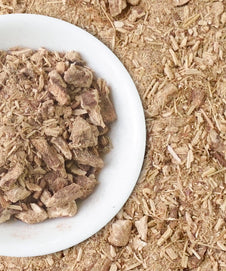
One herb causes false alarms more than any other: burdock root. The cut root has a soft, fibrous pith that can look exactly like cobweb, and it varies from batch to batch. It is fibre, not moth. If you are ever unsure, send us a photo and we will tell you which it is.
And if something has faded?
Rub a pinch between your fingers and smell it. Faint but still there means it is fine, just weaker. Use a bit more, or steep it longer.
If there is barely any smell left, don't throw it out.
- Bath tea. Tired chamomile, lavender, calendula and rose petals tied up in a muslin square or a cotton sock and hung under the tap while the bath runs.
- Foot soak. Faded mint, lemon balm or rosemary in a basin of hot water. Ten minutes and it has done its job.
- Simmer pot. Old cinnamon, clove, orange peel and any spent spice in a small pot of water on the lowest heat to make the house smell good.
- Compost. Only if it smells musty or you can see mould. Otherwise it still has a use.
Common questions
Can I use herbs past the best before date? Yes, for personal use, if they have been stored sealed, cool and dark, and they still smell and look right. They will be milder, so use a little more.
Should I keep dried herbs in the fridge? In a dry cupboard, no. Condensation every time the jar comes out does more harm than a warm cupboard, and a dry product that is stable at room temperature gains nothing from being cold. Two exceptions: paprika, chilli flakes and cayenne hold their red colour better cold, and in a genuinely humid climate cold storage beats a damp pantry. In both cases keep it well sealed and let the jar warm up before opening.
Should I freeze dried herbs? Two reasons to. As a three-day treatment if pantry moths turn up, then back to the cupboard. And in a humid climate, as the place to keep the reserve you are not using right now (see above). Either way, seal it well and let it come back to room temperature before opening.
Are plastic containers okay? Better than a folded bag, but glass is better again. Thin plastic lets air through slowly, holds old smells and offers no protection from pests. If plastic is what you have, choose a thick container with a proper sealing lid.
My powder has clumped. Is it still good? Almost always yes. It has taken on a little moisture from the air. Break it up and use it, as long as it smells normal and there is no mould. Keep that jar smaller and shut tighter, and add a silica sachet.
Why do my herbs come in different bags? We pack into kraft bags and, for some lines, clear bags, depending on the herb and what protects it best. Both are made to get the herb to you fresh; neither is meant to be a long-term home. Decant either into a jar.
What about tinctures, oils and ointments? Different rules apply. Our comfrey and calendula ointments are oil and beeswax with no water in them, so they are very stable, and the date on the jar is again a conservative guide. Kept cool and out of the sun with the lid on, they usually keep well beyond it. The nose test applies there too.
The short version
- Out of the bag and into a jar when it arrives. Cut the label off the bag and stick it on the jar.
- Glass, a proper seal, and as full as you can keep it. Clip-top jars with a rubber seal are best.
- Cool, dark and dry. Not the windowsill, not above the stove, not the fridge (paprika, chilli and cayenne excepted).
- Somewhere humid? Small working jar in the cupboard, the rest sealed in the freezer, and let anything cold warm up before you open it.
- Pantry moths? Bin the affected packet, freeze the rest for three days, let it warm up before opening, wipe the cupboard.
- Flowers and soft leaves are best within the year. Roots, barks and seeds keep two years or more. Whole beats cut beats ground.
- Best before is a guide to peak quality, not a cut-off. Nose and eyes decide.
- Faded? Use more, or turn it into a bath tea, a foot soak or a simmer pot.
Now that your jars are ready for it, have a look at what is fresh on the shelf.

