



Browse our dried herbs and teas below. Tap a size to add it to your list, then send it to the herb room and we will bring your order to the counter.
Most Popular
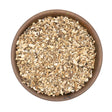
Dandelion Root Tea

A bitter, earthy organic root traditionally used for digestive and liver support.
Dried dandelion root tea from Taraxacum officinale is one of the most widely used roots in Western herbal medicine. This certified organic dandelion root has a bitter, earthy flavour and is traditionally used to support healthy digestive function and liver health. Rich in inulin, a prebiotic fibre that supports beneficial gut bacteria, dandelion root tea benefits are well documented across herbal traditions spanning centuries.
Key Benefits
- Digestive support: Traditionally used in Western herbal medicine to support healthy digestion and relieve symptoms of mild indigestion. The bitter compounds stimulate normal digestive processes.
- Liver health: Traditionally used to support healthy liver function and normal bile production. Recognised by herbal pharmacopoeias for this traditional use.
- Prebiotic fibre: Dandelion root contains up to 40% inulin by dry weight, a well-researched prebiotic that supports a healthy gut microbiome.
- Caffeine-free coffee alternative: When roasted, dandelion root produces a nutty, slightly bitter brew that makes an excellent caffeine-free alternative to coffee. This unroasted root can be home-roasted or brewed as a medicinal decoction.
- Certified organic: Grown without synthetic pesticides or fertilisers, ensuring a clean root for tea and herbal preparations.
Decoction: Because this is a dried root, it needs simmering rather than steeping. Add 1 to 2 teaspoons to a cup of water, bring to a gentle simmer, cover, and cook for 10 to 15 minutes. Strain and drink. Add honey, ginger, or cinnamon to taste.
Digestive blend: Combine with Peppermint for a soothing digestive tea, or with Nettle Leaf for a traditional spring tonic. A small piece of Licorice Root adds natural sweetness.
Home-roasted coffee: Spread dried root pieces on a baking tray and roast at 160 degrees for 15 to 20 minutes until dark and fragrant. Grind and brew as you would coffee. For a richer flavour, try blending with roasted chicory root.
The name "dandelion" comes from the French dent de lion (lion's tooth), referring to the deeply toothed leaves. The old folk name "pissabed" references the plant's well-known diuretic reputation.
Dandelion roots were roasted and used as a coffee substitute during both World Wars when coffee was scarce. Today, roasted dandelion coffee is popular in Australian cafes as a caffeine-free alternative.
Not suitable for people with gallstones or bile duct obstruction. May interact with diuretics and lithium. This information is not a substitute for medical advice. Consult a healthcare provider before use, especially if pregnant, breastfeeding, or taking medication.
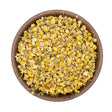
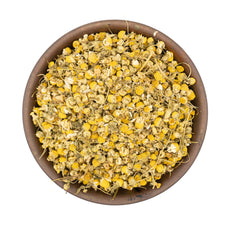
Chamomile Tea
A gentle, calming organic herbal tea for relaxation, sleep, and digestive comfort.
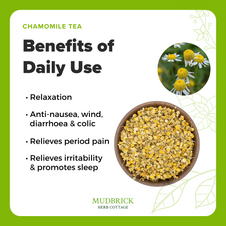
Chamomile tea (Matricaria chamomilla) is one of the world's most loved herbal teas, and for good reason. These certified organic whole chamomile flowers produce a golden, honey-sweet infusion with a gentle apple-like aroma. Traditionally used for centuries to promote relaxation and support restful sleep, chamomile is the classic evening tea. It is also traditionally valued for soothing digestive comfort and has a long history of safe, gentle use for all ages.
Key Benefits
- Calming and relaxing: Traditionally used to help ease mild nervous tension and promote a sense of calm. One of the most widely used relaxation herbs worldwide.
- Sleep support: Traditionally used as a bedtime tea to support restful, undisturbed chamomile sleep. Contains apigenin, a flavonoid that has been studied for its calming properties.
- Digestive comfort: Traditionally used to ease occasional stomach discomfort, bloating, and mild digestive upset. Gentle enough for regular use.
- Certified organic: Whole dried chamomile flowers grown without synthetic pesticides or fertilisers.
- Versatile: Use as a tea, in baking, as a hair rinse, in bath soaks, or in home brewing. The flowers also make a beautiful natural garnish.
Chamomile tea: Add 1 to 2 teaspoons of dried chamomile flowers to a cup of boiling water. Cover and steep for 5 to 10 minutes. Strain and enjoy. Covering the cup while steeping helps retain the beneficial volatile oils. Sweeten with honey if desired.
Blending: A classic pairing with Lavender for a deeply calming bedtime blend. Also lovely with Lemon Balm for a bright, uplifting daytime tea. For digestive comfort, try blending with Peppermint.
Other uses: Add a strong chamomile infusion to bath water for a relaxing soak. Use as a final hair rinse to naturally brighten blonde hair. The flowers can also be used in home brewing to add a subtle floral note to meads and light ales.
For a full guide to brewing, blends, chamomile for sleep and who should take care, read our chamomile tea guide.
The name "chamomile" comes from the Greek "khamaimelon," meaning "earth apple," a reference to the apple-like scent of the fresh flowers. In many traditions, chamomile was known as the "plant's physician" because it was believed to improve the health of plants growing near it.
Chamomile is generally considered safe for dogs in small amounts and is sometimes used in calming pet products. However, it is not recommended for cats. As with all herbs, introduce gradually.
Those with allergies to plants in the daisy family (Asteraceae) should use with caution. May interact with blood-thinning medications. This information is not a substitute for medical advice. Consult a healthcare provider before use, especially if pregnant, breastfeeding, or taking medication.
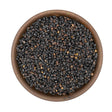
Elderberries
Tart, fruity organic berries for syrup, tea, cordials, and home brewing.
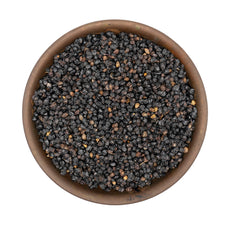
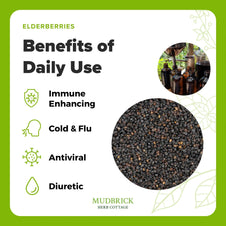
Dried elderberries from Sambucus nigra are one of the most popular and versatile berries in the herbal cupboard. These certified organic elderberries have a rich, tart, wine-like flavour and are traditionally used to support elderberry immune health during the cooler months. The elderberry benefits are well known in herbal traditions, and the berries are wonderfully versatile. Use them to make elderberry syrup, brew a warming elderberry tea, steep a cordial, or add them to your next home brew.
Key Benefits
- Immune support: Traditionally used to support healthy immune system function. Rich in anthocyanins (particularly cyanidin-3-glucoside), the compounds responsible for the deep purple-black colour.
- Naturally rich in vitamins: Elderberries contain vitamin C and vitamin A, along with flavonoids and phenolic acids that contribute to their traditional reputation.
- Versatile in the kitchen: Perfect for syrups, cordials, wines, meads, jams, pies, and gummies. Their tart, fruity flavour works well in both sweet and savoury recipes.
- Home brewing favourite: A popular ingredient for country wines, meads, and fruit beers, lending deep colour and a rich berry character.
- Certified organic: Grown without synthetic pesticides or fertilisers, ensuring a clean product for food, drink, and herbal preparations.
Elderberry syrup: Simmer 1 cup of dried elderberries in 3 cups of water with a cinnamon stick and a few slices of fresh ginger for 45 to 60 minutes until the liquid reduces by half. Strain, cool slightly, then stir in 1 cup of honey. Store in the fridge for up to 3 months. Take 1 tablespoon daily during winter.
Tea (decoction): Because these are dried berries (not leaves), they need simmering rather than steeping. Add 1 to 2 tablespoons to 2 cups of water, bring to a gentle boil, then simmer for 15 to 20 minutes. Strain and sweeten with honey. Combines well with Rosehip for extra vitamin C, or Echinacea Root for a traditional winter tonic blend.
Brewing: Add 500g to 1kg of dried elderberries per 20 litres of wine must, or 100 to 200g per 20 litres of beer for colour and fruit character. Also pairs well with Ginger Root in mead recipes.
In traditional folklore, the elder tree was believed to be inhabited by a protective spirit called the "Elder Mother." It was considered bad luck to cut an elder tree without first asking her permission.
Elderberries must always be cooked or dried before consumption. Raw elderberries contain cyanogenic glycosides that can cause nausea. Drying and cooking neutralise these compounds, making them safe to use in food and drink.
Always cook or simmer dried elderberries before consuming. Not recommended during pregnancy or while taking immunosuppressant medications. This information is not a substitute for medical advice. Consult a healthcare provider before use, especially if pregnant, breastfeeding, or taking medication.
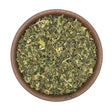
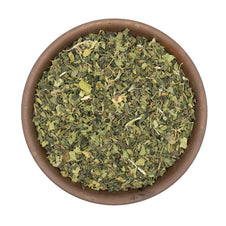
Nettle Leaf Tea
A nutrient-rich organic leaf tea traditionally valued for its mineral content and gentle cleansing properties.
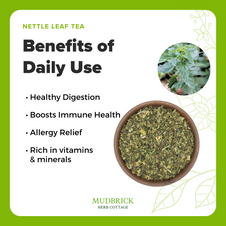
Nettle leaf tea is made from the dried leaves of Urtica dioica, one of the most mineral-rich herbs available. This certified organic stinging nettle tea has been a staple of traditional European herbal medicine for centuries, valued for its naturally high iron, calcium, and silica content. Once dried, the famous sting disappears entirely, leaving a smooth, earthy, slightly grassy tea that is as nourishing as it is versatile.
Key Benefits
- Mineral-rich: Nettle leaf is naturally high in iron, calcium, magnesium, potassium, and silica, making it one of the most nutritive herbal teas available.
- Traditional tonic: Traditionally used as a gentle spring tonic and cleansing herb to support overall wellbeing. Has a long history of use for seasonal comfort.
- Joint comfort: Traditionally used to help relieve symptoms of mild joint stiffness and discomfort.
- Hair and skin: Traditionally used as a hair rinse to support scalp health, and valued for its silica content which may support healthy hair and nails.
- Certified organic: Grown without synthetic pesticides or fertilisers, ensuring a clean, high-quality herb.
Tea: Add 1 to 2 teaspoons of dried nettle leaf to a cup of boiling water. Cover and steep for 10 to 15 minutes. The longer you steep, the more minerals are extracted. Strain and drink up to 3 cups daily.
Nourishing infusion: For maximum mineral extraction, place a generous handful (about 30g) in a litre jar, fill with boiling water, cover, and steep for 4 to 8 hours or overnight. Strain and drink throughout the day. This method draws out significantly more iron and calcium than a quick tea.
Blends: Combines well with Peppermint for a refreshing flavour, Dandelion Leaf for a traditional cleansing blend, or Chamomile for a gentler evening tea.
The sting in fresh nettle comes from tiny hollow hairs (trichomes) on the leaves and stems. Each hair acts like a miniature hypodermic needle, injecting histamine, acetylcholine, and formic acid into the skin. Drying completely neutralises the sting, so dried nettle leaf is perfectly safe to handle.
In European folk tradition, nettle was considered a "spring cleansing" herb. People would make nettle soup or tea after winter to help shake off sluggishness and restore vitality. This tradition persists in many parts of Europe today.
May have a mild diuretic effect. Nettle leaf may interact with blood-thinning and blood pressure medications. This information is not a substitute for medical advice. Consult a healthcare provider before use, especially if pregnant, breastfeeding, or taking medication.
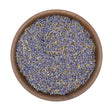
Lavender - Australian Grown
Australian-grown organic lavender flowers for tea, cooking, sachets, and bath.
This Australian-grown dried lavender (Lavandula angustifolia) is certified organic and sourced from growers right here in Australia. With its classic floral fragrance and beautiful purple buds, this lavender flowers product is perfect for tea, culinary lavender recipes, sachets, bath soaks, and potpourri. Lavender has been traditionally used for centuries to promote relaxation and calm, and the organic lavender quality here is exceptional.
Key Benefits
- Australian grown: Sourced from Australian farms, supporting local growers and reducing food miles. Certified organic for a clean, high-quality product.
- Calming and relaxing: Traditionally used to promote relaxation and ease mild nervous tension. The aroma alone may help create a sense of calm.
- Culinary grade: Safe and delicious in cooking and baking. Add to shortbread, scones, honey, sugar, and lavender lemonade for a floral touch.
- Multi-purpose: Use for tea, cooking, sachets, bath soaks, potpourri, and homemade skincare. One of the most versatile dried herbs available.
- Beautiful presentation: The purple flower buds retain their colour and fragrance well when dried, making them ideal for gifts and craft projects.
Lavender tea: Add 1 to 2 teaspoons of dried lavender to a cup of boiling water. Steep for 5 to 8 minutes (steeping too long can make it bitter). Strain and sweeten with honey if desired. The flavour is floral and slightly sweet.
Blending: Makes a beautiful blend with Chamomile for a calming bedtime tea. Also pairs well with Lemon Balm for a bright, uplifting cup, or with Passionflower for deeper relaxation.
Cooking: Use sparingly in baking (a little goes a long way). Crush buds lightly before adding to shortbread, scone, or cake batters. Infuse into cream, milk, honey, or sugar for a subtle floral flavour.
The word "lavender" comes from the Latin "lavare," meaning "to wash." The Romans added lavender to their bathwater, and the tradition continues today. Lavender sachets placed in drawers and wardrobes have been used for centuries to keep linens fresh and deter moths.
Lavender is generally considered non-toxic to dogs and horses, though cats are more sensitive to essential oils. Dried lavender flowers in small amounts are unlikely to cause issues, but keep concentrated lavender oil away from cats.
May cause skin irritation in those sensitive to the Lamiaceae family. Use in moderation during pregnancy. This information is not a substitute for medical advice. Consult a healthcare provider before use, especially if pregnant, breastfeeding, or taking medication.
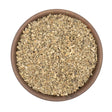
Mullein Tea
A gentle organic leaf tea traditionally used to soothe the respiratory system.
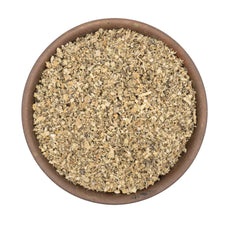
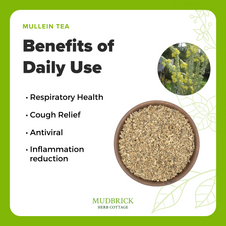
Mullein tea is made from the soft, woolly leaves of Verbascum thapsus, a herb that has been valued in traditional European herbal medicine for centuries. Rich in natural mucilage and saponins, this certified organic mullein herb is one of the most popular herbal teas for respiratory comfort. The mullein tea benefits that have made it a household staple for generations centre on its traditionally recognised ability to help relieve symptoms of mild upper respiratory tract congestion.
Key Benefits
- Respiratory comfort: Traditionally used to help soothe the throat and support clear, comfortable breathing. The natural mucilage content provides a gentle, coating effect.
- Gentle and mild: Mullein tea has a light, slightly sweet flavour that is easy to drink on its own or blended with other herbs.
- Certified organic: Grown without synthetic pesticides or fertilisers, ensuring a clean herb for tea and tincture making.
- Versatile preparation: Works well as a simple tea, steam inhalation, or infused in oil for external use.
- Caffeine-free: Naturally caffeine-free, suitable for drinking at any time of day.
Tea: Add 1 to 2 teaspoons of dried mullein leaf to a cup of boiling water. Cover and steep for 10 to 15 minutes. Strain well through a fine cloth or coffee filter to remove the tiny leaf hairs, which can irritate the throat if left in.
Respiratory blend: Combines well with Thyme and Marshmallow Root for a soothing respiratory tea. Also pairs nicely with Peppermint for flavour and added freshness.
Steam inhalation: Add a generous handful of mullein leaf to a bowl of just-boiled water. Drape a towel over your head and breathe the steam gently for 5 to 10 minutes.
Mullein has collected over 50 common names through history. Many reference the soft, flannel-like texture of the leaves, while others like "Hag's Taper" and "Candlewick Plant" recall the old practice of dipping the dried flower stalks in tallow to make torches.
Always strain mullein tea carefully. The fine hairs on the leaves are a key identifying feature of the plant, but they can be irritating if swallowed. A paper coffee filter or fine muslin cloth does the job well.
Mullein leaf may slow the absorption of some medications due to its mucilage content. Separate doses by at least two hours. This information is not a substitute for medical advice. Consult a healthcare provider before use, especially if pregnant, breastfeeding, or taking medication.
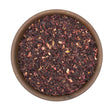
Hibiscus (Rosella) Tea
Tart, ruby-red organic flowers for tea, iced drinks, cordials, and brewing.
Dried hibiscus tea from Hibiscus sabdariffa, known in Australia as rosella tea, brews into a stunning ruby-red infusion with a tart, cranberry-like flavour. These certified organic hibiscus flowers are naturally rich in anthocyanins and vitamin C, and are wonderfully versatile. Enjoy them as a hot tea, brew a refreshing iced tea, make a rosella cordial, or add them to your next home brew for colour and fruit character.
Key Benefits
- Rich in anthocyanins: The deep red colour comes from anthocyanins, particularly delphinidin-3-O-sambubioside, naturally occurring compounds with antioxidant properties.
- Natural source of vitamin C: Hibiscus flowers contain vitamin C along with flavonoids and organic acids that contribute to their tart, fruity flavour.
- Versatile in the kitchen: Perfect for iced tea, cordials, syrups, jams, kombucha, and cocktails. The tart, berry-like flavour works beautifully in both sweet and savoury recipes.
- Home brewing favourite: Add dried hibiscus to craft beer, mead, fruit wine, or kombucha for vibrant colour and a subtle berry character.
- Caffeine-free: A naturally caffeine-free herbal tea that can be enjoyed any time of day, hot or cold.
- Certified organic: Grown without synthetic pesticides or fertilisers, ensuring a clean product for food, drink, and herbal preparations.
Hot tea: Use 1 to 2 teaspoons of dried hibiscus per cup. Pour boiling water over the flowers and steep for 5 to 7 minutes. Strain and sweeten with honey if desired. A squeeze of lemon or lime lifts the flavour.
Iced tea: Simmer half a cup of dried hibiscus in 1.5 litres of water for 3 minutes, then steep for 20 to 30 minutes. Strain, sweeten to taste, add lime juice, and chill. Keeps in the fridge for up to a week. Combines well with Rosehip for extra vitamin C or Ginger Root for warmth.
Brewing: Add 30 to 60g of dried hibiscus per 20 litres of beer in the last 5 minutes of the boil for colour and berry flavour. Also works well in kombucha second fermentation at 1 teaspoon per 500ml. Try it with Peppermint for a refreshing summer blend.
Rosella jam is a beloved Queensland tradition. The tart, ruby-red jam tastes like a cross between raspberry and rhubarb, and has been a staple of Australian bush food culture for generations.
Hibiscus acts as a natural pH indicator, turning magenta in acidic solutions and green in alkaline ones. It has also been used as a natural textile dye, producing colours ranging from pink to purple depending on the mordant used.
Not recommended during pregnancy. May interact with blood pressure or diabetes medications. This information is not a substitute for medical advice. Consult a healthcare provider before use, especially if pregnant, breastfeeding, or taking medication.
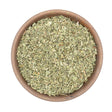
Lemon Balm Tea (Melissa Tea)
A gentle, lemony organic herb traditionally used for calm and relaxation.
Dried lemon balm tea from Melissa officinalis, also known as melissa tea, is one of the most popular calming herbs in the Western herbal tradition. This certified organic lemon balm has a gentle, sweet, herbaceous lemon flavour and is traditionally used to support relaxation and a calm state of mind. The lemon balm tea benefits are backed by a growing body of research, and its bright, uplifting flavour makes it a pleasure to drink any time of day.
Key Benefits
- Calm and relaxation: Traditionally used in Western herbal medicine to relieve symptoms of mild anxiety, calm nervous tension, and support a relaxed state of mind.
- Sleep support: Traditionally used to support healthy sleep. Enjoy a cup 30 to 60 minutes before bed as part of a calming evening routine.
- Digestive comfort: Traditionally used to relieve symptoms of mild indigestion, bloating, and digestive discomfort. Recognised by herbal pharmacopoeias for this traditional use.
- Bright lemony flavour: A gentle, sweet lemon flavour without the tartness of actual lemon. Blends beautifully with other herbs and makes a refreshing iced tea in summer.
- Certified organic: Grown without synthetic pesticides or fertilisers, supporting both plant quality and pollinator health.
Tea: Use 1 to 2 teaspoons of dried lemon balm per cup. Pour water that has just come off the boil over the herb, cover, and steep for 5 to 10 minutes. Covering the cup is important to keep the aromatic oils from escaping with the steam. Strain and enjoy.
Calming blend: Combine with Chamomile and Lavender for a soothing bedtime blend. For deeper relaxation support, try it with Passionflower.
Iced tea: Steep 2 to 3 tablespoons in 1 litre of cold water in the fridge overnight. Strain and serve over ice. Cold brewing produces a lighter, more refreshing flavour that is perfect for hot Australian summers.
The genus name Melissa comes from the Greek word for "honey bee," as the plant is one of the finest bee-attracting herbs in the garden. In the 9th century, Charlemagne ordered lemon balm to be planted in every monastery garden across his empire.
In 1611, French Carmelite nuns created the famous Carmelite Water by infusing lemon balm with lemon peel, nutmeg, and angelica root. The recipe was so prized that patents were granted by three successive French kings.
May affect thyroid function. Not recommended for people with hypothyroidism or those taking thyroid medication. This information is not a substitute for medical advice. Consult a healthcare provider before use, especially if pregnant, breastfeeding, or taking medication.
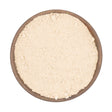
Slippery Elm Powder
A soothing bark powder traditionally used to support digestive and throat comfort.
Slippery elm powder (Ulmus rubra) is a certified organic bark powder traditionally used to soothe and support the digestive tract and throat. When mixed with water, slippery elm bark produces a smooth, mucilaginous gel that coats and comforts irritated tissues. This gentle demulcent has been valued in traditional herbalism for centuries.
Key Benefits
- Digestive comfort: Traditionally used to soothe the stomach lining and support healthy digestion. One of the most well-known slippery elm benefits.
- Throat comfort: The mucilage produced by slippery elm bark coats and soothes the throat, making it a go-to during the colder months.
- Gentle and soothing: Suitable for sensitive stomachs. Traditionally used to support recovery from occasional digestive upset.
- Versatile powder format: Mixes easily into porridge, smoothies, water or warm drinks. Can also be made into a paste or gruel.
- Rich in mucilage: Contains high levels of natural mucilage, the compound responsible for its characteristic soothing, gel-like texture.
Slippery elm gruel: Mix 1 to 2 teaspoons of slippery elm powder into a small amount of cold water to form a paste, then top up with hot water or warm milk, stirring continuously. Add honey to taste. Drink 1 to 3 times daily.
In food: Stir into porridge, yoghurt or smoothies for a gentle, nourishing addition. The mild flavour blends in easily.
Blending: Combine with Marshmallow Root for extra soothing support, or with Ginger Root to warm the blend. Chamomile Tea makes a calming companion.
The name "slippery elm" comes from the incredibly slippery, mucilaginous texture of the inner bark when moistened. First Nations peoples of North America used the bark extensively, both as a food and in traditional medicine.
Slippery elm is generally considered safe for dogs and is sometimes used by holistic veterinarians to support digestive comfort in pets. Always consult your vet before giving herbs to animals.
May slow the absorption of oral medications. Take at least 2 hours apart from other medicines. This information is not a substitute for medical advice. Consult a healthcare provider before use, especially if pregnant, breastfeeding, or taking medication.
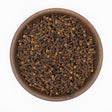
Cloves
Intensely aromatic whole clove buds for chai, curries, baking, and mulled wine.
Whole cloves (Syzygium aromaticum) are one of the most intensely aromatic spices in the kitchen. These certified organic clove buds deliver a warm, sweet, pungent flavour that works beautifully in both savoury and sweet dishes. Rich in eugenol, the compound responsible for cloves' distinctive warm aroma, they have been a prized spice for thousands of years across Ayurvedic, Chinese, and European herbal traditions.
Key Benefits
- Intensely aromatic: Whole cloves release their warm, complex flavour gradually during cooking. A little goes a long way.
- Versatile spice: Essential in chai, garam masala, Chinese five-spice, mulled wine, and pumpkin pie spice. Works across curries, baking, beverages, and pickles.
- Rich in antioxidants: Cloves have one of the highest antioxidant capacities of any spice, primarily from their high eugenol content.
- Traditional oral care: Cloves have been used in oral care traditions for centuries. Eugenol remains a staple ingredient in modern dentistry.
- Certified organic: Whole dried flower buds grown without synthetic pesticides or fertilisers.
In cooking: Add 3 to 5 whole cloves to curries, rice dishes, soups, or stews at the start of cooking. Remove before serving. Stud a whole onion or ham with cloves for slow roasting. Grind organic cloves in a spice grinder for use in baking.
Chai and beverages: Lightly crush 2 to 3 cloves and simmer with Cinnamon Sticks, Cardamom, and Ginger for a warming chai base. Also lovely in mulled wine with Star Anise and orange peel.
Clove tea: Steep 3 to 5 whole cloves in a cup of freshly boiled water for 10 to 15 minutes. Add honey if desired.
The name "clove" comes from the Latin "clavus" meaning "nail," a reference to the shape of the dried buds. These dried cloves sparked centuries of spice trade rivalry between European colonial powers, with the tiny Maluku Islands of Indonesia at the centre of it all. Chinese courtiers were reportedly required to hold cloves in their mouths when addressing the emperor to ensure fresh breath.
Cloves are not classified as toxic to dogs but should be kept away from cats, as eugenol can be harmful to felines. As with all spices, use sparingly around pets.
May interact with blood-thinning medications. Clove oil should not be applied undiluted to skin or gums. This information is not a substitute for medical advice. Consult a healthcare provider before use, especially if pregnant, breastfeeding, or taking medication.
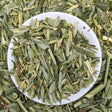
Oat Straw - Australian Grown
Australian grown organic oat straw for nervous system nourishment, mineral-rich tea, and pet wellness.
Oat straw tea (Avena sativa) is a deeply nourishing herb traditionally used to support and strengthen the nervous system over time. This certified organic, Australian grown oat straw is harvested while still green, preserving its mineral content and active compounds. Oat straw tea has a mild, slightly sweet, grassy flavour and is one of the gentlest nervine tonics available, suitable for long-term daily use and safe for pets.
Key Benefits
- Nervous system nourishment: Traditionally used as a nervine trophorestorative, meaning it gradually nourishes and strengthens the nervous system with regular use. Valued for supporting resilience during periods of stress and fatigue.
- Mineral-rich: Oat straw is naturally rich in silica, calcium, magnesium, iron, and B vitamins. A long infusion extracts these minerals effectively, making oat straw tea a natural mineral supplement.
- Australian grown: Grown right here in Australia, reducing food miles and ensuring freshness. Certified organic, with no synthetic pesticides or fertilisers.
- Safe for pets: Oat straw is safe for dogs, cats, and horses, and is commonly used in veterinary herbal practice for nervous system support and coat health.
Long infusion (best for minerals): Place a generous handful (about 30 grams) of oat straw in a large jar or teapot. Cover with boiling water, seal, and steep for at least 4 hours or overnight. Strain and drink throughout the day. The longer steep time extracts significantly more minerals than a standard tea.
Quick tea: Add 2 tablespoons of oat straw to a cup of boiling water. Steep for 15 to 20 minutes. Strain and drink. Blends well with Chamomile and Lemon Balm for a calming nervine tea.
Bath herb: Add a large handful to a muslin bag and hang under the hot tap while running a bath. Oat straw baths are traditionally used to soothe dry, itchy skin. Pairs well with Lavender for a relaxing soak.
Oat straw is different from "milky oats," which refers to the immature seed head harvested at a specific stage when it exudes a milky latex. Both come from the same plant, but milky oats are considered the most potent form for nervous system support. Oat straw (the stem and leaf) is valued primarily for its mineral content and gentle nervine properties.
Oats are naturally gluten-free, but commercial oat products are often cross-contaminated with wheat during processing. People with coeliac disease should exercise caution.
People with coeliac disease or gluten sensitivity should use caution due to potential cross-contamination during processing. This information is not a substitute for medical advice. Consult a healthcare provider before use, especially if pregnant, breastfeeding, or taking medication.
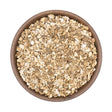
Burdock Root
Traditionally used to support healthy skin, digestion, and the body's natural cleansing processes.
Burdock root from Arctium lappa is one of the most widely used roots in Western and East Asian herbalism, traditionally valued for supporting healthy skin and the body's natural detoxification processes. Rich in inulin (a prebiotic fibre), chlorogenic acid, and arctigenin, dried burdock root makes an earthy, mildly sweet burdock tea that has been a staple in traditional medicine for centuries.
Key Benefits
- Skin support: One of the best-known burdock root benefits. Traditionally used to support clear, healthy skin from the inside out.
- Digestive health: The root is naturally high in inulin, a prebiotic fibre that may support healthy gut bacteria and normal digestive function.
- Natural cleansing: Traditionally used in Western herbalism as a gentle depurative to support the body's natural cleansing and elimination processes.
- Antioxidant activity: Contains chlorogenic acid, quercetin, luteolin, and arctigenin, which contribute antioxidant activity.
- Nutritive root: A source of potassium, magnesium, manganese, phosphorus, and iron, along with small amounts of B-group vitamins.
Decoction: Add 1 to 2 teaspoons of dried burdock root to 2 cups of water. Bring to a gentle boil, then simmer for 15 to 20 minutes. Strain and drink warm or cold. The tea keeps in the fridge for up to 48 hours. For a classic combination, blend with Dandelion Root Tea for the traditional dandelion and burdock duo.
Blended tea: Burdock root pairs beautifully with Licorice Root Tea to add natural sweetness, or with Nettle Leaf Tea for a mineral-rich, nourishing brew. Some customers enjoy it blended with elderberry and ginger for a warming daily tonic.
Culinary use: In Japanese cuisine, burdock root (gobo) is a common ingredient. Rehydrate dried root by soaking in warm water, then add to soups, stir-fries, or stews for earthy depth.
The hooked burrs of the burdock plant famously inspired Swiss engineer George de Mestral to invent Velcro in the 1940s after noticing them stuck to his dog's fur during a walk.
The cut dried root sometimes appears "cobwebby" or fibrous. This is completely normal and comes from the inner pith of the root, which can be very stringy when dried.
Burdock root is generally considered safe for dogs in small amounts and is sometimes included in canine herbal supplements. However, always consult a vet before giving herbs to pets.
May lower blood sugar levels. Avoid if you have a known allergy to plants in the daisy (Asteraceae) family. This information is not a substitute for medical advice. Consult a healthcare provider before use, especially if pregnant, breastfeeding, or taking medication.
Mushroom Powders
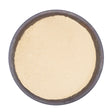
Lions Mane Mushroom Powder
A traditional medicinal mushroom powder used to support cognitive function and nervous system health.
Lions mane mushroom powder (Hericium erinaceus) is a certified organic medicinal mushroom traditionally used to support cognitive function and nervous system health. This fine powder is made from whole fruiting bodies, providing a concentrated source of the bioactive compounds that have made lions mane mushroom one of the most researched functional mushrooms available.
Key Benefits
- Cognitive support: Traditionally used to support memory, focus and mental clarity. One of the most valued lions mane benefits.
- Nervous system support: Contains hericenones and erinacines, naturally occurring compounds that have attracted significant research interest for their role in supporting nerve health.
- Immune support: Rich in beta-glucans, polysaccharides traditionally valued for supporting healthy immune system function.
- Digestive comfort: Traditionally used to support the stomach lining and healthy digestion.
- Easy to use: Fine powder format mixes readily into smoothies, coffee, cooking and hot drinks. No brewing or decoction required.
Daily dose: Add 1/2 to 1 teaspoon of lions mane powder to coffee, tea, smoothies or warm water. Stir well. Best taken in the morning or early afternoon.
In cooking: Stir into soups, broths, porridge or sauces. The mild, slightly savoury flavour blends easily without overpowering other ingredients.
Mushroom blend: Combine with Reishi Mushroom Powder for immune support, or with Ashwagandha Powder for a calming adaptogenic blend. Add Maca Powder for an energising morning drink.
Lions mane gets its common name from the shaggy, cascading spines that resemble a lion's mane. In the wild, it grows on hardwood trees and can reach impressive sizes.
This mushroom has a long history of use in traditional East Asian herbalism, where it is known as hou tou gu. Buddhist monks were said to use it as a tea to enhance concentration during meditation.
Not recommended during pregnancy or breastfeeding. May interact with blood-thinning or blood sugar-lowering medications. This information is not a substitute for medical advice. Consult a healthcare provider before use, especially if pregnant, breastfeeding, or taking medication.
Turkey Tail Mushroom Powder
Certified organic turkey tail mushroom powder for immune support, antioxidant tea, and wellness blends.
Turkey tail mushroom powder (Trametes versicolor) is one of the most extensively researched medicinal mushrooms in the world. This certified organic turkey tail powder is ground from the whole fruiting body and is rich in polysaccharides, beta-glucans, and other immune-supporting compounds. Turkey tail has been the subject of hundreds of published studies and has a long tradition of use in Asian herbal medicine for supporting immune function and general wellbeing.
Key Benefits
- Immune support: Traditionally used to support healthy immune function. Turkey tail is one of the most clinically studied mushrooms for immune support, with research spanning decades.
- Rich in beta-glucans: Contains high levels of beta-glucans, complex polysaccharides that are the primary compounds associated with turkey tail's immune-supporting properties.
- Antioxidant support: Contains a wide range of phenolic compounds and flavonoids that support the body's natural antioxidant defences.
- Whole fruiting body: Ground from the complete mushroom fruiting body, not just mycelium grown on grain. This ensures the full spectrum of naturally occurring compounds.
- Certified organic: Grown without synthetic inputs.
Tea or broth: Stir 1 to 2 teaspoons of turkey tail powder into a cup of hot water or bone broth. Simmer gently for 10 to 15 minutes for best extraction. The flavour is mild and earthy.
Coffee or smoothie: Add half to one teaspoon to your morning coffee or smoothie. Blends well with cacao, banana, and nut milk. Combine with Chaga Mushroom Powder for a dual-mushroom immune support blend.
Mushroom blend: Mix turkey tail with other medicinal mushrooms for a comprehensive mushroom formula. Pairs well with Astragalus Root for traditional immune tonic support.
Turkey tail gets its common name from the concentric rings of brown, tan, and cream that resemble a wild turkey's tail feathers. It is one of the most common bracket fungi worldwide and can be found growing on dead logs and stumps across every continent except Antarctica.
In Japan, a compound extracted from turkey tail called PSK (polysaccharide-K) has been used as an approved pharmaceutical since 1977. This reflects the depth of research behind this remarkable mushroom.
Not recommended for people with autoimmune conditions or those taking immunosuppressant medications without medical guidance. This information is not a substitute for medical advice. Consult a healthcare provider before use, especially if pregnant, breastfeeding, or taking medication.
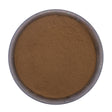
Chaga Mushroom Powder
Certified organic chaga mushroom in fine powder form for tea, smoothies, and coffee alternatives.
Chaga mushroom powder (Inonotus obliquus) is a nutrient-dense functional mushroom with one of the highest antioxidant profiles found in nature. This certified organic chaga mushroom powder has been used for centuries in Siberian and Northern European folk traditions, where it was simmered into a rich, earthy tea valued for its role in supporting general wellbeing and immune health. The flavour is mild and earthy with a slight vanilla note, making it a natural addition to coffee, smoothies, and hot chocolate.
Key Benefits
- Antioxidant rich: Chaga contains high levels of melanin and polyphenols, giving it one of the highest ORAC (antioxidant capacity) scores of any natural food. Traditionally valued for supporting the body's natural defences.
- Immune support: Traditionally used to support healthy immune function. Chaga's beta-glucan polysaccharides are the focus of ongoing research into immune system modulation.
- Coffee alternative: The dark, earthy flavour of chaga tea makes it a popular caffeine-free alternative to coffee. Add to your morning routine for a grounding, warming drink without the jitters.
- Versatile powder form: Stir into hot water, blend into smoothies, add to coffee, or mix into hot chocolate. Fine powder dissolves easily for convenient daily use.
- Certified organic: Sourced from certified organic chaga, free from synthetic pesticides and contaminants.
Chaga tea: Add half to one teaspoon of chaga mushroom powder to a cup of hot water and stir well. For maximum extraction, simmer gently for 10 to 15 minutes. The flavour is mild, earthy, and slightly sweet. No sweetener needed for most palates.
Coffee booster: Stir half a teaspoon into your morning coffee or combine with Roasted Dandelion Root for a caffeine-free coffee alternative. Also pairs well with Reishi Mushroom Powder for a dual-mushroom wellness blend.
Smoothies and hot chocolate: Blend a teaspoon into smoothies, golden milk, or hot chocolate for an antioxidant boost with minimal flavour impact.
Chaga is not technically a mushroom but a dense mass of fungal mycelium (called a sclerotium or conk) that grows on birch trees in cold climates. Its dark outer layer is rich in melanin, the same pigment found in human skin, giving it that distinctive charcoal-black colour.
In Siberian folk tradition, chaga was simmered over low heat for hours and drunk daily as a wellness tonic. The Russian novelist Aleksandr Solzhenitsyn referenced chaga's traditional use in his writings, bringing it to broader Western attention in the 1960s.
Chaga is high in oxalates. Not suitable for people with kidney disease or a history of kidney stones. Avoid if taking blood-thinning medication. Limit daily intake to under 3.6 grams. This information is not a substitute for medical advice. Consult a healthcare provider before use, especially if pregnant, breastfeeding, or taking medication.
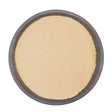
Cordyceps Mushroom Powder Organic
Fruiting body powder traditionally used to support energy, stamina, and immune function.
Cordyceps mushroom powder made from certified organic Cordyceps militaris fruiting bodies, rich in cordycepin, beta-glucans, and adenosine. Traditionally used in Chinese medicine as a tonic for energy, stamina, and respiratory support, this organic cordyceps powder has become one of the most sought-after functional mushrooms worldwide. Made from actual fruiting bodies, not mycelium grown on grain, for a higher concentration of bioactive compounds.
Key Benefits
- Energy and stamina: Traditionally used to support physical endurance and healthy energy levels. Contains cordycepin, an adenosine analogue involved in cellular energy pathways.
- Immune support: Rich in beta-glucans (25-40% of fruiting body dry weight), which interact with immune cell receptors and may support a healthy immune response.
- Respiratory support: Traditionally used in Chinese medicine to nourish lung function and support healthy breathing.
- Antioxidant activity: Contains carotenoid pigments, polysaccharides, and ergosterol, all of which contribute antioxidant protection.
- Fruiting body quality: Made from whole fruiting bodies, not mycelium on grain. This means higher beta-glucan content and lower starch filler compared to cheaper alternatives.
In drinks: Add 1/2 to 1 teaspoon (1-2 g) to coffee, tea, hot chocolate, or warm water. Stir well or use a frother, as the powder does not fully dissolve. The mild, slightly sweet flavour blends easily into cordyceps tea or coffee.
In smoothies: Add 1/2 to 1 teaspoon to your morning smoothie or protein shake. Pairs well with banana, cacao, and nut butter. One of the key cordyceps benefits is how easy it is to add to your daily routine. For a functional mushroom blend, combine with Lions Mane Mushroom Powder for both physical and mental support.
In food: Stir into soups, broths, porridge, or energy balls. Works well alongside Reishi Mushroom for a balanced adaptogenic combination. For an Ayurvedic pairing, try it with Ashwagandha. Best taken in the morning or early afternoon.
Cordyceps was first noticed by Tibetan yak herders over 1,500 years ago, who saw their animals become unusually energetic after grazing on small fungi growing from caterpillar carcasses at high altitude.
Unlike wild Cordyceps sinensis, which is critically over-harvested and can cost over $20,000 per kilogram, C. militaris is sustainably cultivated indoors and contains equal or higher levels of cordycepin.
Cordyceps is generally considered non-toxic to dogs and cats, but consult your vet before giving pets any supplement intended for humans.
Discontinue use two weeks before surgery. Not recommended for those taking blood-thinning or immunosuppressant medications without medical advice. This information is not a substitute for medical advice. Consult a healthcare provider before use, especially if pregnant, breastfeeding, or taking medication.
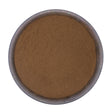
Reishi Mushroom Powder
A traditional adaptogenic mushroom used to support immune function and overall vitality.
Reishi mushroom powder (Ganoderma lucidum) is one of the most revered medicinal mushrooms in traditional herbalism, with a history of use spanning over 2,000 years. This certified organic reishi mushroom powder is made from the fruiting body and is traditionally used to support healthy immune function and overall vitality. Known as the "mushroom of immortality" in traditional practice, reishi benefits include immune support, resilience to everyday stress, and a sense of calm balance.
Key Benefits
- Immune support: Traditionally used to support healthy immune system function. Reishi mushroom benefits include the presence of beta-glucans and triterpenes, compounds valued for their role in immune health.
- Adaptogenic properties: Traditionally used to help the body adapt to everyday stress and support overall resilience. One of the most well-regarded reishi benefits.
- Calm and balance: Traditionally used to promote a sense of calm and support restful sleep, unlike stimulating mushroom varieties.
- Certified organic: Pure reishi mushroom powder from the fruiting body, with no fillers, grains, or mycelium additives.
- Easy to use: Fine powder format mixes into coffee, tea, smoothies, soups, and broths. Also suitable for capsule filling.
Reishi tea: Stir 1/2 to 1 teaspoon of reishi mushroom powder into a cup of hot water or broth. Simmer gently for 10 to 15 minutes for a fuller extraction. The flavour is earthy and slightly bitter, pairing well with honey, cacao, or chai spices.
Blending: For a comprehensive mushroom blend, combine with Lions Mane for cognitive support or Cordyceps for energy. Add to coffee or hot chocolate for a daily functional mushroom boost. Also pairs well with Astragalus for immune support.
Reishi has been called "lingzhi" in traditional practice for over 2,000 years, meaning "spiritual potency." It was so highly prized that it was reserved for royalty and depicted in ancient artwork as a symbol of longevity and good fortune.
Reishi mushroom is generally considered non-toxic to dogs, and some pet supplements contain reishi. However, it is best to consult a veterinarian before giving medicinal mushrooms to pets.
May interact with blood-thinning and blood pressure medications. Not recommended during pregnancy or breastfeeding. This information is not a substitute for medical advice. Consult a healthcare provider before use, especially if pregnant, breastfeeding, or taking medication.
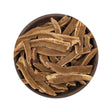
Reishi Mushroom
A traditional adaptogenic mushroom used to support immune function, best prepared as a slow-simmered decoction.
Reishi mushroom (Ganoderma lucidum) is one of the most revered medicinal mushrooms, with a history of use spanning over 2,000 years in traditional herbalism. These dried reishi mushroom slices are the whole fruiting body, ideal for preparing a slow-simmered decoction that extracts the full spectrum of beneficial compounds. Reishi benefits include support for healthy immune function and overall resilience, and the mushroom's rich content of beta-glucans and triterpenes has made it one of the most studied fungi worldwide.
Key Benefits
- Immune support: Traditionally used to support healthy immune system function. One of the most valued reishi mushroom benefits, attributed to its beta-glucan and triterpene content.
- Adaptogenic properties: Traditionally used to help the body adapt to everyday stress and support overall resilience and vitality.
- Calm and balance: Traditionally used to promote a sense of calm and support restful sleep, unlike stimulating varieties.
- Whole fruiting body: Dried sliced reishi mushroom, providing the full range of naturally occurring compounds. Ideal for decoction or long-simmered broths.
- Versatile preparation: Simmer in water for reishi tea, add to soups and bone broths, or use as the base for a homemade tincture.
Reishi tea (decoction): Add 3 to 5 slices of dried reishi mushroom to 3 to 4 cups of water. Bring to a gentle boil, then reduce heat and simmer for 1 to 2 hours. The longer the simmer, the stronger the extraction. Strain and drink 1 to 2 cups daily. The flavour is earthy and mildly bitter.
Blending: For a comprehensive immune blend, combine with Astragalus Root. Pair with Lions Mane powder for cognitive support, or add to bone broth alongside Ginger Root for warmth and flavour.
Known as "lingzhi" in traditional practice, reishi was so highly prized that it was reserved for royalty and depicted in ancient artwork as a symbol of longevity and good fortune. Wild reishi is quite rare, growing on hardwood trees in temperate forests.
Reishi is generally considered non-toxic to dogs, and some veterinary supplements contain reishi extracts. However, consult a veterinarian before giving medicinal mushrooms to pets.
May interact with blood-thinning and blood pressure medications. Not recommended during pregnancy or breastfeeding. This information is not a substitute for medical advice. Consult a healthcare provider before use, especially if pregnant, breastfeeding, or taking medication.
All Dried Herbs A-Z
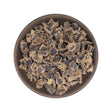
Carob Kibble
Carob kibble is the raw, kibbled pod of the carob tree (Ceratonia siliqua), broken into chunky, naturally sweet pieces with a mellow, cocoa-like character. Grown here in Australia and certified organic with no added sugar, it can be simmered into a naturally sweet, caffeine-free tea, snacked on straight from the bag, or ground into your own fresh carob powder.
Key Benefits
- Australian grown and certified organic: 100% Australian organic carob, grown and kibbled here.
- Caffeine-free by nature: carob contains no caffeine and no theobromine, unlike cocoa, so it suits afternoon and evening use.
- Naturally sweet, no added sugar: the pods are sweet straight from the tree, with around 51 grams of natural sugars per 100 grams and nothing added.
- High in fibre: naturally high in dietary fibre at around 26 grams per 100 grams.
- Free from gluten, dairy and nuts, and non-GMO: a simple, single-ingredient food that suits many dietary needs.
Carob tea: Simmer 2 teaspoons of kibble in 1.5 cups of water for 10 to 15 minutes, then strain for a naturally sweet, caffeine-free brew. For a fuller coffee-style cup, simmer it alongside Roasted Dandelion Root or Roasted Chicory Root.
Snack or bake: Eat the pieces as a chewy, sweet snack or add them to trail mix. To make your own powder, grind the kibble in a spice grinder or high-speed blender and use it one-to-one in place of cocoa in baking.
Prefer it ready-ground? Our Carob Powder Roasted is roasted carob, milled smooth for drinks and baking.
Carob has been grown around the Mediterranean for thousands of years, and its remarkably even seeds were once used by traders as counterweights for gold and gems, giving us the word carat.
Because it contains none of the caffeine or theobromine found in cocoa, carob is a popular chocolate stand-in for homemade dog treats. Store the kibble sealed in a cool, dark place, where it will keep for many months.
May contain the occasional seed. This information is not a substitute for medical advice. Consult a healthcare provider before use, especially if pregnant, breastfeeding, or taking medication.
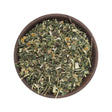
Golden Rod - Australian Grown
Bright golden flowering tops for a light, traditional herbal tea.
This Australian-grown goldenrod (Solidago virgaurea) is certified organic flowering tops, ready for a gentle goldenrod tea. A mainstay of traditional European herbalism, goldenrod has been valued for generations as a supportive everyday tisane with a mild, faintly aromatic flavour.
Key Benefits
- Australian grown: Certified organic and grown by Australian farmers, so it travels fewer miles to reach you.
- Traditional European herb: Long used as a supportive daily infusion in European herbalism.
- True medicinal species: This is Solidago virgaurea, the European goldenrod favoured by herbalists, not the taller ornamental types.
- Gentle flavour: Mild and slightly aromatic, an easy cup on its own or blended.
- Flowering tops: Harvested in flower, the aerial part traditionally preferred.
Goldenrod tea: Add 1 to 2 teaspoons of dried goldenrod to a cup of boiling water, cover and steep for 5 to 10 minutes, then strain. Traditionally taken with a good glass of water alongside.
Blending: Pairs nicely with other everyday tisane herbs. Try it with Marshmallow Root for a softer cup, or alongside our other Australian-grown dried herbs.
The botanical name Solidago comes from the Latin for "to make whole", a nod to goldenrod's old folk name, woundwort.
Goldenrod is often blamed for hay fever, but it is insect-pollinated with heavy, sticky pollen. The real culprit is usually ragweed, which flowers at the same time.
Avoid if you have a known allergy to plants in the daisy (Asteraceae) family. This information is not a substitute for medical advice. Consult a healthcare provider before use, especially if pregnant, breastfeeding, or taking medication.
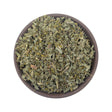
Lady's Mantle - Australian Grown
A classic European women's herb for a gentle, earthy cup.
Lady's mantle (Alchemilla vulgaris) is one of the best-known women's herbs of European tradition. This certified organic, Australian-grown lady's mantle makes a mild, earthy tea and has been valued by herbalists for centuries.
Key Benefits
- Australian grown: Certified organic and grown by Australian farmers.
- Traditional women's herb: Long associated in European herbalism with women's wellbeing across the cycle.
- Gentle everyday tea: A mild, earthy, lightly astringent cup.
- Leaf and flowering tops: The aerial parts, harvested and dried whole.
- Blends beautifully: Works well with raspberry leaf and other soft, everyday herbs.
Lady's mantle tea: Add 1 to 2 teaspoons of dried lady's mantle to a cup of boiling water, cover and steep for 5 to 10 minutes, then strain. The cup is mild, earthy and lightly astringent. It can be enjoyed through the month.
Blending: A natural companion to Raspberry Leaf and Chamomile. For a tarter cup it also sits well with Sheep Sorrel.
The botanical name Alchemilla honours the medieval alchemists, who collected the pure beads of dew that gather in the centre of its pleated leaves.
The common name comes from the leaf's scalloped, cloak-like shape, thought to resemble a lady's mantle, and from the herb's long association with women's care.
Not recommended during pregnancy, and best taken away from iron supplements as it is high in tannins. This information is not a substitute for medical advice. Consult a healthcare provider before use, especially if pregnant, breastfeeding, or taking medication.
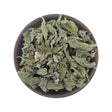
Marshmallow leaf - Australian Grown
The soft, leafy counterpart to marshmallow root, for a gentle daily tea.
This Australian-grown marshmallow leaf (Althea officinalis) is certified organic and naturally soothing, the leafy counterpart to the better-known root. Marshmallow leaf makes a soft, gentle herbal tea and has been valued in European herbalism for centuries.
Key Benefits
- Australian grown: Certified organic and grown by Australian farmers.
- Naturally soothing: Like the root, the leaf carries gentle mucilage, traditionally used to soothe and moisten, especially the throat.
- Lighter than the root: A softer, leafier cup of marshmallow tea, easy to drink daily.
- Traditional European herb: Used continuously for some two thousand years.
- Whole dried leaf: The aerial parts, cut and dried ready to steep.
Marshmallow leaf tea: Add 1 to 2 teaspoons of dried marshmallow leaf to a cup of boiling water, cover and steep for 5 to 10 minutes, then strain. For a stronger, silkier cup, use a cold overnight infusion instead.
Blending: The leaf makes a softer, lighter cup than Marshmallow Root. It blends gently with Chamomile and Licorice Root, and sits alongside our other Australian-grown dried herbs. Take it at least an hour away from any medicines.
The soft sweet we call a marshmallow was originally made from this plant, whipped from the mucilage-rich sap of its root with sugar and egg white.
The genus name Althea comes from the Greek word for "to make whole", a reminder of how long this gentle plant has been valued in European herbalism.
Because its mucilage can slow the absorption of other medicines, take marshmallow leaf at least one hour apart from medication. This information is not a substitute for medical advice. Consult a healthcare provider before use, especially if pregnant, breastfeeding, or taking medication.
Elderberries
Tart, fruity organic berries for syrup, tea, cordials, and home brewing.
Dried elderberries from Sambucus nigra are one of the most popular and versatile berries in the herbal cupboard. These certified organic elderberries have a rich, tart, wine-like flavour and are traditionally used to support elderberry immune health during the cooler months. The elderberry benefits are well known in herbal traditions, and the berries are wonderfully versatile. Use them to make elderberry syrup, brew a warming elderberry tea, steep a cordial, or add them to your next home brew.
Key Benefits
- Immune support: Traditionally used to support healthy immune system function. Rich in anthocyanins (particularly cyanidin-3-glucoside), the compounds responsible for the deep purple-black colour.
- Naturally rich in vitamins: Elderberries contain vitamin C and vitamin A, along with flavonoids and phenolic acids that contribute to their traditional reputation.
- Versatile in the kitchen: Perfect for syrups, cordials, wines, meads, jams, pies, and gummies. Their tart, fruity flavour works well in both sweet and savoury recipes.
- Home brewing favourite: A popular ingredient for country wines, meads, and fruit beers, lending deep colour and a rich berry character.
- Certified organic: Grown without synthetic pesticides or fertilisers, ensuring a clean product for food, drink, and herbal preparations.
Elderberry syrup: Simmer 1 cup of dried elderberries in 3 cups of water with a cinnamon stick and a few slices of fresh ginger for 45 to 60 minutes until the liquid reduces by half. Strain, cool slightly, then stir in 1 cup of honey. Store in the fridge for up to 3 months. Take 1 tablespoon daily during winter.
Tea (decoction): Because these are dried berries (not leaves), they need simmering rather than steeping. Add 1 to 2 tablespoons to 2 cups of water, bring to a gentle boil, then simmer for 15 to 20 minutes. Strain and sweeten with honey. Combines well with Rosehip for extra vitamin C, or Echinacea Root for a traditional winter tonic blend.
Brewing: Add 500g to 1kg of dried elderberries per 20 litres of wine must, or 100 to 200g per 20 litres of beer for colour and fruit character. Also pairs well with Ginger Root in mead recipes.
In traditional folklore, the elder tree was believed to be inhabited by a protective spirit called the "Elder Mother." It was considered bad luck to cut an elder tree without first asking her permission.
Elderberries must always be cooked or dried before consumption. Raw elderberries contain cyanogenic glycosides that can cause nausea. Drying and cooking neutralise these compounds, making them safe to use in food and drink.
Always cook or simmer dried elderberries before consuming. Not recommended during pregnancy or while taking immunosuppressant medications. This information is not a substitute for medical advice. Consult a healthcare provider before use, especially if pregnant, breastfeeding, or taking medication.
Nettle Leaf Tea
A nutrient-rich organic leaf tea traditionally valued for its mineral content and gentle cleansing properties.
Nettle leaf tea is made from the dried leaves of Urtica dioica, one of the most mineral-rich herbs available. This certified organic stinging nettle tea has been a staple of traditional European herbal medicine for centuries, valued for its naturally high iron, calcium, and silica content. Once dried, the famous sting disappears entirely, leaving a smooth, earthy, slightly grassy tea that is as nourishing as it is versatile.
Key Benefits
- Mineral-rich: Nettle leaf is naturally high in iron, calcium, magnesium, potassium, and silica, making it one of the most nutritive herbal teas available.
- Traditional tonic: Traditionally used as a gentle spring tonic and cleansing herb to support overall wellbeing. Has a long history of use for seasonal comfort.
- Joint comfort: Traditionally used to help relieve symptoms of mild joint stiffness and discomfort.
- Hair and skin: Traditionally used as a hair rinse to support scalp health, and valued for its silica content which may support healthy hair and nails.
- Certified organic: Grown without synthetic pesticides or fertilisers, ensuring a clean, high-quality herb.
Tea: Add 1 to 2 teaspoons of dried nettle leaf to a cup of boiling water. Cover and steep for 10 to 15 minutes. The longer you steep, the more minerals are extracted. Strain and drink up to 3 cups daily.
Nourishing infusion: For maximum mineral extraction, place a generous handful (about 30g) in a litre jar, fill with boiling water, cover, and steep for 4 to 8 hours or overnight. Strain and drink throughout the day. This method draws out significantly more iron and calcium than a quick tea.
Blends: Combines well with Peppermint for a refreshing flavour, Dandelion Leaf for a traditional cleansing blend, or Chamomile for a gentler evening tea.
The sting in fresh nettle comes from tiny hollow hairs (trichomes) on the leaves and stems. Each hair acts like a miniature hypodermic needle, injecting histamine, acetylcholine, and formic acid into the skin. Drying completely neutralises the sting, so dried nettle leaf is perfectly safe to handle.
In European folk tradition, nettle was considered a "spring cleansing" herb. People would make nettle soup or tea after winter to help shake off sluggishness and restore vitality. This tradition persists in many parts of Europe today.
May have a mild diuretic effect. Nettle leaf may interact with blood-thinning and blood pressure medications. This information is not a substitute for medical advice. Consult a healthcare provider before use, especially if pregnant, breastfeeding, or taking medication.
Lavender - Australian Grown
Australian-grown organic lavender flowers for tea, cooking, sachets, and bath.
This Australian-grown dried lavender (Lavandula angustifolia) is certified organic and sourced from growers right here in Australia. With its classic floral fragrance and beautiful purple buds, this lavender flowers product is perfect for tea, culinary lavender recipes, sachets, bath soaks, and potpourri. Lavender has been traditionally used for centuries to promote relaxation and calm, and the organic lavender quality here is exceptional.
Key Benefits
- Australian grown: Sourced from Australian farms, supporting local growers and reducing food miles. Certified organic for a clean, high-quality product.
- Calming and relaxing: Traditionally used to promote relaxation and ease mild nervous tension. The aroma alone may help create a sense of calm.
- Culinary grade: Safe and delicious in cooking and baking. Add to shortbread, scones, honey, sugar, and lavender lemonade for a floral touch.
- Multi-purpose: Use for tea, cooking, sachets, bath soaks, potpourri, and homemade skincare. One of the most versatile dried herbs available.
- Beautiful presentation: The purple flower buds retain their colour and fragrance well when dried, making them ideal for gifts and craft projects.
Lavender tea: Add 1 to 2 teaspoons of dried lavender to a cup of boiling water. Steep for 5 to 8 minutes (steeping too long can make it bitter). Strain and sweeten with honey if desired. The flavour is floral and slightly sweet.
Blending: Makes a beautiful blend with Chamomile for a calming bedtime tea. Also pairs well with Lemon Balm for a bright, uplifting cup, or with Passionflower for deeper relaxation.
Cooking: Use sparingly in baking (a little goes a long way). Crush buds lightly before adding to shortbread, scone, or cake batters. Infuse into cream, milk, honey, or sugar for a subtle floral flavour.
The word "lavender" comes from the Latin "lavare," meaning "to wash." The Romans added lavender to their bathwater, and the tradition continues today. Lavender sachets placed in drawers and wardrobes have been used for centuries to keep linens fresh and deter moths.
Lavender is generally considered non-toxic to dogs and horses, though cats are more sensitive to essential oils. Dried lavender flowers in small amounts are unlikely to cause issues, but keep concentrated lavender oil away from cats.
May cause skin irritation in those sensitive to the Lamiaceae family. Use in moderation during pregnancy. This information is not a substitute for medical advice. Consult a healthcare provider before use, especially if pregnant, breastfeeding, or taking medication.
Chamomile Tea
A gentle, calming organic herbal tea for relaxation, sleep, and digestive comfort.
Chamomile tea (Matricaria chamomilla) is one of the world's most loved herbal teas, and for good reason. These certified organic whole chamomile flowers produce a golden, honey-sweet infusion with a gentle apple-like aroma. Traditionally used for centuries to promote relaxation and support restful sleep, chamomile is the classic evening tea. It is also traditionally valued for soothing digestive comfort and has a long history of safe, gentle use for all ages.
Key Benefits
- Calming and relaxing: Traditionally used to help ease mild nervous tension and promote a sense of calm. One of the most widely used relaxation herbs worldwide.
- Sleep support: Traditionally used as a bedtime tea to support restful, undisturbed chamomile sleep. Contains apigenin, a flavonoid that has been studied for its calming properties.
- Digestive comfort: Traditionally used to ease occasional stomach discomfort, bloating, and mild digestive upset. Gentle enough for regular use.
- Certified organic: Whole dried chamomile flowers grown without synthetic pesticides or fertilisers.
- Versatile: Use as a tea, in baking, as a hair rinse, in bath soaks, or in home brewing. The flowers also make a beautiful natural garnish.
Chamomile tea: Add 1 to 2 teaspoons of dried chamomile flowers to a cup of boiling water. Cover and steep for 5 to 10 minutes. Strain and enjoy. Covering the cup while steeping helps retain the beneficial volatile oils. Sweeten with honey if desired.
Blending: A classic pairing with Lavender for a deeply calming bedtime blend. Also lovely with Lemon Balm for a bright, uplifting daytime tea. For digestive comfort, try blending with Peppermint.
Other uses: Add a strong chamomile infusion to bath water for a relaxing soak. Use as a final hair rinse to naturally brighten blonde hair. The flowers can also be used in home brewing to add a subtle floral note to meads and light ales.
For a full guide to brewing, blends, chamomile for sleep and who should take care, read our chamomile tea guide.
The name "chamomile" comes from the Greek "khamaimelon," meaning "earth apple," a reference to the apple-like scent of the fresh flowers. In many traditions, chamomile was known as the "plant's physician" because it was believed to improve the health of plants growing near it.
Chamomile is generally considered safe for dogs in small amounts and is sometimes used in calming pet products. However, it is not recommended for cats. As with all herbs, introduce gradually.
Those with allergies to plants in the daisy family (Asteraceae) should use with caution. May interact with blood-thinning medications. This information is not a substitute for medical advice. Consult a healthcare provider before use, especially if pregnant, breastfeeding, or taking medication.
Dandelion Root Tea
A bitter, earthy organic root traditionally used for digestive and liver support.
Dried dandelion root tea from Taraxacum officinale is one of the most widely used roots in Western herbal medicine. This certified organic dandelion root has a bitter, earthy flavour and is traditionally used to support healthy digestive function and liver health. Rich in inulin, a prebiotic fibre that supports beneficial gut bacteria, dandelion root tea benefits are well documented across herbal traditions spanning centuries.
Key Benefits
- Digestive support: Traditionally used in Western herbal medicine to support healthy digestion and relieve symptoms of mild indigestion. The bitter compounds stimulate normal digestive processes.
- Liver health: Traditionally used to support healthy liver function and normal bile production. Recognised by herbal pharmacopoeias for this traditional use.
- Prebiotic fibre: Dandelion root contains up to 40% inulin by dry weight, a well-researched prebiotic that supports a healthy gut microbiome.
- Caffeine-free coffee alternative: When roasted, dandelion root produces a nutty, slightly bitter brew that makes an excellent caffeine-free alternative to coffee. This unroasted root can be home-roasted or brewed as a medicinal decoction.
- Certified organic: Grown without synthetic pesticides or fertilisers, ensuring a clean root for tea and herbal preparations.
Decoction: Because this is a dried root, it needs simmering rather than steeping. Add 1 to 2 teaspoons to a cup of water, bring to a gentle simmer, cover, and cook for 10 to 15 minutes. Strain and drink. Add honey, ginger, or cinnamon to taste.
Digestive blend: Combine with Peppermint for a soothing digestive tea, or with Nettle Leaf for a traditional spring tonic. A small piece of Licorice Root adds natural sweetness.
Home-roasted coffee: Spread dried root pieces on a baking tray and roast at 160 degrees for 15 to 20 minutes until dark and fragrant. Grind and brew as you would coffee. For a richer flavour, try blending with roasted chicory root.
The name "dandelion" comes from the French dent de lion (lion's tooth), referring to the deeply toothed leaves. The old folk name "pissabed" references the plant's well-known diuretic reputation.
Dandelion roots were roasted and used as a coffee substitute during both World Wars when coffee was scarce. Today, roasted dandelion coffee is popular in Australian cafes as a caffeine-free alternative.
Not suitable for people with gallstones or bile duct obstruction. May interact with diuretics and lithium. This information is not a substitute for medical advice. Consult a healthcare provider before use, especially if pregnant, breastfeeding, or taking medication.
Mullein Tea
A gentle organic leaf tea traditionally used to soothe the respiratory system.
Mullein tea is made from the soft, woolly leaves of Verbascum thapsus, a herb that has been valued in traditional European herbal medicine for centuries. Rich in natural mucilage and saponins, this certified organic mullein herb is one of the most popular herbal teas for respiratory comfort. The mullein tea benefits that have made it a household staple for generations centre on its traditionally recognised ability to help relieve symptoms of mild upper respiratory tract congestion.
Key Benefits
- Respiratory comfort: Traditionally used to help soothe the throat and support clear, comfortable breathing. The natural mucilage content provides a gentle, coating effect.
- Gentle and mild: Mullein tea has a light, slightly sweet flavour that is easy to drink on its own or blended with other herbs.
- Certified organic: Grown without synthetic pesticides or fertilisers, ensuring a clean herb for tea and tincture making.
- Versatile preparation: Works well as a simple tea, steam inhalation, or infused in oil for external use.
- Caffeine-free: Naturally caffeine-free, suitable for drinking at any time of day.
Tea: Add 1 to 2 teaspoons of dried mullein leaf to a cup of boiling water. Cover and steep for 10 to 15 minutes. Strain well through a fine cloth or coffee filter to remove the tiny leaf hairs, which can irritate the throat if left in.
Respiratory blend: Combines well with Thyme and Marshmallow Root for a soothing respiratory tea. Also pairs nicely with Peppermint for flavour and added freshness.
Steam inhalation: Add a generous handful of mullein leaf to a bowl of just-boiled water. Drape a towel over your head and breathe the steam gently for 5 to 10 minutes.
Mullein has collected over 50 common names through history. Many reference the soft, flannel-like texture of the leaves, while others like "Hag's Taper" and "Candlewick Plant" recall the old practice of dipping the dried flower stalks in tallow to make torches.
Always strain mullein tea carefully. The fine hairs on the leaves are a key identifying feature of the plant, but they can be irritating if swallowed. A paper coffee filter or fine muslin cloth does the job well.
Mullein leaf may slow the absorption of some medications due to its mucilage content. Separate doses by at least two hours. This information is not a substitute for medical advice. Consult a healthcare provider before use, especially if pregnant, breastfeeding, or taking medication.
Hibiscus (Rosella) Tea
Tart, ruby-red organic flowers for tea, iced drinks, cordials, and brewing.
Dried hibiscus tea from Hibiscus sabdariffa, known in Australia as rosella tea, brews into a stunning ruby-red infusion with a tart, cranberry-like flavour. These certified organic hibiscus flowers are naturally rich in anthocyanins and vitamin C, and are wonderfully versatile. Enjoy them as a hot tea, brew a refreshing iced tea, make a rosella cordial, or add them to your next home brew for colour and fruit character.
Key Benefits
- Rich in anthocyanins: The deep red colour comes from anthocyanins, particularly delphinidin-3-O-sambubioside, naturally occurring compounds with antioxidant properties.
- Natural source of vitamin C: Hibiscus flowers contain vitamin C along with flavonoids and organic acids that contribute to their tart, fruity flavour.
- Versatile in the kitchen: Perfect for iced tea, cordials, syrups, jams, kombucha, and cocktails. The tart, berry-like flavour works beautifully in both sweet and savoury recipes.
- Home brewing favourite: Add dried hibiscus to craft beer, mead, fruit wine, or kombucha for vibrant colour and a subtle berry character.
- Caffeine-free: A naturally caffeine-free herbal tea that can be enjoyed any time of day, hot or cold.
- Certified organic: Grown without synthetic pesticides or fertilisers, ensuring a clean product for food, drink, and herbal preparations.
Hot tea: Use 1 to 2 teaspoons of dried hibiscus per cup. Pour boiling water over the flowers and steep for 5 to 7 minutes. Strain and sweeten with honey if desired. A squeeze of lemon or lime lifts the flavour.
Iced tea: Simmer half a cup of dried hibiscus in 1.5 litres of water for 3 minutes, then steep for 20 to 30 minutes. Strain, sweeten to taste, add lime juice, and chill. Keeps in the fridge for up to a week. Combines well with Rosehip for extra vitamin C or Ginger Root for warmth.
Brewing: Add 30 to 60g of dried hibiscus per 20 litres of beer in the last 5 minutes of the boil for colour and berry flavour. Also works well in kombucha second fermentation at 1 teaspoon per 500ml. Try it with Peppermint for a refreshing summer blend.
Rosella jam is a beloved Queensland tradition. The tart, ruby-red jam tastes like a cross between raspberry and rhubarb, and has been a staple of Australian bush food culture for generations.
Hibiscus acts as a natural pH indicator, turning magenta in acidic solutions and green in alkaline ones. It has also been used as a natural textile dye, producing colours ranging from pink to purple depending on the mordant used.
Not recommended during pregnancy. May interact with blood pressure or diabetes medications. This information is not a substitute for medical advice. Consult a healthcare provider before use, especially if pregnant, breastfeeding, or taking medication.
Lemon Balm Tea (Melissa Tea)
A gentle, lemony organic herb traditionally used for calm and relaxation.
Dried lemon balm tea from Melissa officinalis, also known as melissa tea, is one of the most popular calming herbs in the Western herbal tradition. This certified organic lemon balm has a gentle, sweet, herbaceous lemon flavour and is traditionally used to support relaxation and a calm state of mind. The lemon balm tea benefits are backed by a growing body of research, and its bright, uplifting flavour makes it a pleasure to drink any time of day.
Key Benefits
- Calm and relaxation: Traditionally used in Western herbal medicine to relieve symptoms of mild anxiety, calm nervous tension, and support a relaxed state of mind.
- Sleep support: Traditionally used to support healthy sleep. Enjoy a cup 30 to 60 minutes before bed as part of a calming evening routine.
- Digestive comfort: Traditionally used to relieve symptoms of mild indigestion, bloating, and digestive discomfort. Recognised by herbal pharmacopoeias for this traditional use.
- Bright lemony flavour: A gentle, sweet lemon flavour without the tartness of actual lemon. Blends beautifully with other herbs and makes a refreshing iced tea in summer.
- Certified organic: Grown without synthetic pesticides or fertilisers, supporting both plant quality and pollinator health.
Tea: Use 1 to 2 teaspoons of dried lemon balm per cup. Pour water that has just come off the boil over the herb, cover, and steep for 5 to 10 minutes. Covering the cup is important to keep the aromatic oils from escaping with the steam. Strain and enjoy.
Calming blend: Combine with Chamomile and Lavender for a soothing bedtime blend. For deeper relaxation support, try it with Passionflower.
Iced tea: Steep 2 to 3 tablespoons in 1 litre of cold water in the fridge overnight. Strain and serve over ice. Cold brewing produces a lighter, more refreshing flavour that is perfect for hot Australian summers.
The genus name Melissa comes from the Greek word for "honey bee," as the plant is one of the finest bee-attracting herbs in the garden. In the 9th century, Charlemagne ordered lemon balm to be planted in every monastery garden across his empire.
In 1611, French Carmelite nuns created the famous Carmelite Water by infusing lemon balm with lemon peel, nutmeg, and angelica root. The recipe was so prized that patents were granted by three successive French kings.
May affect thyroid function. Not recommended for people with hypothyroidism or those taking thyroid medication. This information is not a substitute for medical advice. Consult a healthcare provider before use, especially if pregnant, breastfeeding, or taking medication.
Marshmallow - Root
A soothing, mucilage-rich root traditionally used for digestive and throat comfort.
Marshmallow root tea (Althea officinalis) is one of the most soothing herbs in the traditional herbal toolkit. This certified organic dried marshmallow root is rich in natural mucilage, a gel-like substance that coats and soothes irritated tissues. The marshmallow root benefits have been valued for thousands of years, and it remains one of the most popular herbs for supporting digestive comfort, throat health, and overall wellbeing. The tea has a mild, slightly sweet flavour with a pleasant, silky mouthfeel.
Key Benefits
- Digestive comfort: Traditionally used to help soothe the digestive tract and ease mild stomach discomfort. The marshmallow root tea benefits are largely due to its high mucilage content, which forms a protective coating.
- Throat soothing: Traditionally used to help relieve dry, irritated throats and support respiratory comfort. A classic choice during the cooler months.
- Mucilage rich: Contains up to 35% natural mucilage polysaccharides, along with flavonoids and phenolic acids.
- Certified organic: Dried root pieces grown without synthetic pesticides or fertilisers.
- Gentle and versatile: Mild enough for regular use. Can be brewed as a hot tea or prepared as a cold infusion for maximum mucilage extraction.
Hot infusion: Add 1 to 2 teaspoons of dried marshmallow root to a cup of boiling water. Cover and steep for 10 to 15 minutes. Strain and enjoy. The longer the steep, the thicker and more soothing the infusion.
Cold infusion (maximum mucilage): Place 1 tablespoon of dried marshmallow root in a jar with 500ml of cold water. Cover and leave in the fridge overnight (8 to 12 hours). Strain and drink throughout the day. Cold water extracts more mucilage than hot.
Blending: Pairs well with Chamomile for a soothing digestive blend. For throat comfort, try combining with Licorice Root. Also lovely blended with Ginger Root for a warming winter tea.
The original marshmallow confection was made from the root of this plant. French confectioners whipped the mucilaginous sap with sugar and egg whites to create the soft, pillowy sweet. Today's marshmallows use gelatin instead, but the name lives on.
The genus name Althea comes from the Greek "altho," meaning "to soothe." Marshmallow root is generally considered non-toxic to dogs and cats and is sometimes included in pet digestive supplements.
May slow the absorption of medications taken at the same time. Take marshmallow root at least one hour apart from other medicines. This information is not a substitute for medical advice. Consult a healthcare provider before use, especially if pregnant, breastfeeding, or taking medication.
Slippery Elm Powder
A soothing bark powder traditionally used to support digestive and throat comfort.
Slippery elm powder (Ulmus rubra) is a certified organic bark powder traditionally used to soothe and support the digestive tract and throat. When mixed with water, slippery elm bark produces a smooth, mucilaginous gel that coats and comforts irritated tissues. This gentle demulcent has been valued in traditional herbalism for centuries.
Key Benefits
- Digestive comfort: Traditionally used to soothe the stomach lining and support healthy digestion. One of the most well-known slippery elm benefits.
- Throat comfort: The mucilage produced by slippery elm bark coats and soothes the throat, making it a go-to during the colder months.
- Gentle and soothing: Suitable for sensitive stomachs. Traditionally used to support recovery from occasional digestive upset.
- Versatile powder format: Mixes easily into porridge, smoothies, water or warm drinks. Can also be made into a paste or gruel.
- Rich in mucilage: Contains high levels of natural mucilage, the compound responsible for its characteristic soothing, gel-like texture.
Slippery elm gruel: Mix 1 to 2 teaspoons of slippery elm powder into a small amount of cold water to form a paste, then top up with hot water or warm milk, stirring continuously. Add honey to taste. Drink 1 to 3 times daily.
In food: Stir into porridge, yoghurt or smoothies for a gentle, nourishing addition. The mild flavour blends in easily.
Blending: Combine with Marshmallow Root for extra soothing support, or with Ginger Root to warm the blend. Chamomile Tea makes a calming companion.
The name "slippery elm" comes from the incredibly slippery, mucilaginous texture of the inner bark when moistened. First Nations peoples of North America used the bark extensively, both as a food and in traditional medicine.
Slippery elm is generally considered safe for dogs and is sometimes used by holistic veterinarians to support digestive comfort in pets. Always consult your vet before giving herbs to animals.
May slow the absorption of oral medications. Take at least 2 hours apart from other medicines. This information is not a substitute for medical advice. Consult a healthcare provider before use, especially if pregnant, breastfeeding, or taking medication.
Cloves
Intensely aromatic whole clove buds for chai, curries, baking, and mulled wine.
Whole cloves (Syzygium aromaticum) are one of the most intensely aromatic spices in the kitchen. These certified organic clove buds deliver a warm, sweet, pungent flavour that works beautifully in both savoury and sweet dishes. Rich in eugenol, the compound responsible for cloves' distinctive warm aroma, they have been a prized spice for thousands of years across Ayurvedic, Chinese, and European herbal traditions.
Key Benefits
- Intensely aromatic: Whole cloves release their warm, complex flavour gradually during cooking. A little goes a long way.
- Versatile spice: Essential in chai, garam masala, Chinese five-spice, mulled wine, and pumpkin pie spice. Works across curries, baking, beverages, and pickles.
- Rich in antioxidants: Cloves have one of the highest antioxidant capacities of any spice, primarily from their high eugenol content.
- Traditional oral care: Cloves have been used in oral care traditions for centuries. Eugenol remains a staple ingredient in modern dentistry.
- Certified organic: Whole dried flower buds grown without synthetic pesticides or fertilisers.
In cooking: Add 3 to 5 whole cloves to curries, rice dishes, soups, or stews at the start of cooking. Remove before serving. Stud a whole onion or ham with cloves for slow roasting. Grind organic cloves in a spice grinder for use in baking.
Chai and beverages: Lightly crush 2 to 3 cloves and simmer with Cinnamon Sticks, Cardamom, and Ginger for a warming chai base. Also lovely in mulled wine with Star Anise and orange peel.
Clove tea: Steep 3 to 5 whole cloves in a cup of freshly boiled water for 10 to 15 minutes. Add honey if desired.
The name "clove" comes from the Latin "clavus" meaning "nail," a reference to the shape of the dried buds. These dried cloves sparked centuries of spice trade rivalry between European colonial powers, with the tiny Maluku Islands of Indonesia at the centre of it all. Chinese courtiers were reportedly required to hold cloves in their mouths when addressing the emperor to ensure fresh breath.
Cloves are not classified as toxic to dogs but should be kept away from cats, as eugenol can be harmful to felines. As with all spices, use sparingly around pets.
May interact with blood-thinning medications. Clove oil should not be applied undiluted to skin or gums. This information is not a substitute for medical advice. Consult a healthcare provider before use, especially if pregnant, breastfeeding, or taking medication.
Lions Mane Mushroom Powder
A traditional medicinal mushroom powder used to support cognitive function and nervous system health.
Lions mane mushroom powder (Hericium erinaceus) is a certified organic medicinal mushroom traditionally used to support cognitive function and nervous system health. This fine powder is made from whole fruiting bodies, providing a concentrated source of the bioactive compounds that have made lions mane mushroom one of the most researched functional mushrooms available.
Key Benefits
- Cognitive support: Traditionally used to support memory, focus and mental clarity. One of the most valued lions mane benefits.
- Nervous system support: Contains hericenones and erinacines, naturally occurring compounds that have attracted significant research interest for their role in supporting nerve health.
- Immune support: Rich in beta-glucans, polysaccharides traditionally valued for supporting healthy immune system function.
- Digestive comfort: Traditionally used to support the stomach lining and healthy digestion.
- Easy to use: Fine powder format mixes readily into smoothies, coffee, cooking and hot drinks. No brewing or decoction required.
Daily dose: Add 1/2 to 1 teaspoon of lions mane powder to coffee, tea, smoothies or warm water. Stir well. Best taken in the morning or early afternoon.
In cooking: Stir into soups, broths, porridge or sauces. The mild, slightly savoury flavour blends easily without overpowering other ingredients.
Mushroom blend: Combine with Reishi Mushroom Powder for immune support, or with Ashwagandha Powder for a calming adaptogenic blend. Add Maca Powder for an energising morning drink.
Lions mane gets its common name from the shaggy, cascading spines that resemble a lion's mane. In the wild, it grows on hardwood trees and can reach impressive sizes.
This mushroom has a long history of use in traditional East Asian herbalism, where it is known as hou tou gu. Buddhist monks were said to use it as a tea to enhance concentration during meditation.
Not recommended during pregnancy or breastfeeding. May interact with blood-thinning or blood sugar-lowering medications. This information is not a substitute for medical advice. Consult a healthcare provider before use, especially if pregnant, breastfeeding, or taking medication.
Organic Red Rose Petals
Fragrant organic petals for tea, cooking, skincare, and bath soaks.
These certified organic dried rose petals (Rosa centifolia) are beautifully fragrant and versatile. Whether you use them to brew a delicate rose petal tea, add colour and flavour to baking, or create your own skincare infusions, these edible rose petals bring a touch of floral elegance to everything they touch. The soft, sweet aroma and mild floral flavour make them a favourite for both culinary and wellness use.
Key Benefits
- Beautifully versatile: Use as a herbal tea, in baking and desserts, as a natural skincare ingredient, or scattered in a relaxing bath soak.
- Gentle and calming: Rose petal tea has traditionally been enjoyed for its mild, soothing qualities. The gentle floral infusion is a lovely way to wind down.
- Rich in antioxidants: Contains flavonoids, tannins, and vitamin C. Rose petal tea benefits include supporting general wellbeing.
- Certified organic: Grown without synthetic pesticides or fertilisers, making them safe for use in teas, food, and skincare preparations.
- Culinary and craft uses: Perfect for decorating cakes, infusing sugars and syrups, making rose water, or adding to potpourri and sachets.
Rose petal tea: Add 1 to 2 teaspoons of dried rose petals to a cup of boiling water. Steep for 5 to 8 minutes, strain, and enjoy. The infusion is a pale pink with a delicate floral flavour. Sweeten with honey for a lovely afternoon tea.
Blending: Rose petals pair beautifully with Chamomile for a calming floral blend, or with Lavender for an aromatic relaxation tea. For a fruity twist, try combining with Hibiscus.
Culinary: Grind into powder for baking, steep in cream for rose-flavoured desserts, infuse into sugar or honey, or scatter whole petals over salads and cakes as a garnish.
Rosa centifolia, also called the cabbage rose or hundred-petalled rose, has been cultivated for centuries for its intensely fragrant blooms. It remains one of the most important species in the perfume industry.
Rose petals are generally considered non-toxic to dogs and cats. In Ayurvedic tradition, rose preparations such as gulkand (rose petal preserve) have been valued for their cooling, soothing properties for thousands of years.
Those with known allergies to roses should use with caution. This information is not a substitute for medical advice. Consult a healthcare provider before use, especially if pregnant, breastfeeding, or taking medication.
Red Clover Flower
A gentle flower tea traditionally used to support skin health and women's wellness.
Red clover tea (Trifolium pratense) is made from the dried flowering tops, rubbed into a tea-ready cut, and traditionally valued for its gentle support of skin health and women's wellness. Rich in naturally occurring isoflavones, red clover has a long history of use in Western herbalism as a nourishing, mineral-rich infusion with a mild, slightly sweet flavour that blends well on its own or with other herbs.
Key Benefits
- Skin support: Traditionally used as a gentle internal support for clear, healthy skin. One of the most valued red clover tea benefits.
- Women's wellness: Traditionally used to support women through life transitions, including menopause. Contains naturally occurring isoflavones.
- Mineral rich: A nourishing herb rich in calcium, magnesium, potassium and other trace minerals, making it ideal as a daily nutritive infusion.
- Gentle flavour: Mild, slightly sweet taste that works well as a standalone tea or blended with other herbs for a more complex infusion.
- Versatile use: Suitable as a simple tea, nourishing long infusion, or blending ingredient in wellness tea mixes.
Tea: Add 1 to 2 teaspoons of rubbed red clover to a cup of boiling water. Steep for 10 to 15 minutes, covered. Strain and drink up to 3 cups daily.
Nourishing infusion: Steep 15 to 30 grams in 1 litre of hot water for 4 to 8 hours (or overnight). Strain and sip throughout the day as a mineral-rich tonic.
Blending: Combine with Nettle Leaf for a mineral-rich daily infusion, with Raspberry Leaf for women's wellness support, or with Calendula for skin-focused blends.
Red clover is a member of the legume family and produces the distinctive pink-purple flower heads that have been a staple of herbal traditions for centuries. In folk herbalism, it was known as a "blood cleanser" and was commonly included in spring tonics.
Our red clover is currently supplied rubbed (flowering tops broken down) rather than as whole flower heads, which makes it easy to measure and blend. The rubbed flowering tops make a lovely addition to herbal tea blends. Store in an airtight container away from heat and light to preserve colour and potency.
Not suitable during pregnancy or with oestrogen-sensitive conditions. Avoid with blood-thinning medications. This information is not a substitute for medical advice. Consult a healthcare provider before use, especially if pregnant, breastfeeding, or taking medication.
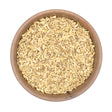
Licorice Root Tea
A naturally sweet organic root for tea, blending, digestive comfort, and brewing.
Dried licorice root tea from Glycyrrhiza glabra is one of the most widely used herbs in both Western and traditional herbal systems. This certified organic licorice root has a distinctive natural sweetness, around 50 times sweeter than sugar, making it a favourite for blending with other herbs. Licorice root tea is traditionally used to support healthy digestive function and soothe the throat, and its licorice root benefits have been valued for thousands of years.
Key Benefits
- Digestive comfort: Traditionally used to support healthy digestive function and help relieve symptoms of mild upper digestive tract discomfort. Valued in both Ayurvedic and Chinese herbal traditions.
- Throat soothing: Traditionally used as a demulcent herb to help relieve coughs and soothe sore throats. The naturally sweet, coating quality of the root makes it ideal for winter teas.
- Natural sweetener: Add a small piece to any herbal tea blend for natural sweetness without sugar. Licorice root is the ultimate blending herb, improving the taste of bitter or earthy teas.
- Herbal harmoniser: Known in Chinese medicine as the "Great Harmoniser," licorice root appears in around 60% of all traditional Chinese prescriptions, valued for its ability to enhance other herbs in a formula.
- Certified organic: Grown without synthetic pesticides or fertilisers, which is especially important for root crops that can accumulate soil contaminants.
Decoction: Because this is a dried root, it needs simmering rather than steeping. Add 1 to 2 teaspoons to a cup of water, bring to a gentle simmer, and cook for 10 to 15 minutes. Strain and drink. No sweetener needed.
Blending: Add a small piece or half a teaspoon to any herbal blend for natural sweetness. Works beautifully with Peppermint for digestive comfort, Chamomile for a soothing evening tea, or Marshmallow Root for a demulcent throat-soothing blend.
Cold brew: Place 1 to 2 teaspoons in cold water overnight in the fridge for a mellow, naturally sweet brew. Excellent on its own or mixed with ginger for a refreshing summer drink.
Archaeologists found a large quantity of well-preserved licorice root in the tomb of Tutankhamun, where it was placed as an offering to the gods. Alexander the Great's armies carried it during campaigns, believing it helped soldiers stay hydrated on long marches.
Australia has its own native licorice species, Glycyrrhiza acanthocarpa, first described by botanist John Lindley in 1838. Its leaves smell strongly of licorice when crushed.
Not recommended during pregnancy or for people with high blood pressure or kidney disease. Limit use to 4 to 6 weeks at a time. This information is not a substitute for medical advice. Consult a healthcare provider before use, especially if pregnant, breastfeeding, or taking medication.
Oat Straw - Australian Grown
Australian grown organic oat straw for nervous system nourishment, mineral-rich tea, and pet wellness.
Oat straw tea (Avena sativa) is a deeply nourishing herb traditionally used to support and strengthen the nervous system over time. This certified organic, Australian grown oat straw is harvested while still green, preserving its mineral content and active compounds. Oat straw tea has a mild, slightly sweet, grassy flavour and is one of the gentlest nervine tonics available, suitable for long-term daily use and safe for pets.
Key Benefits
- Nervous system nourishment: Traditionally used as a nervine trophorestorative, meaning it gradually nourishes and strengthens the nervous system with regular use. Valued for supporting resilience during periods of stress and fatigue.
- Mineral-rich: Oat straw is naturally rich in silica, calcium, magnesium, iron, and B vitamins. A long infusion extracts these minerals effectively, making oat straw tea a natural mineral supplement.
- Australian grown: Grown right here in Australia, reducing food miles and ensuring freshness. Certified organic, with no synthetic pesticides or fertilisers.
- Safe for pets: Oat straw is safe for dogs, cats, and horses, and is commonly used in veterinary herbal practice for nervous system support and coat health.
Long infusion (best for minerals): Place a generous handful (about 30 grams) of oat straw in a large jar or teapot. Cover with boiling water, seal, and steep for at least 4 hours or overnight. Strain and drink throughout the day. The longer steep time extracts significantly more minerals than a standard tea.
Quick tea: Add 2 tablespoons of oat straw to a cup of boiling water. Steep for 15 to 20 minutes. Strain and drink. Blends well with Chamomile and Lemon Balm for a calming nervine tea.
Bath herb: Add a large handful to a muslin bag and hang under the hot tap while running a bath. Oat straw baths are traditionally used to soothe dry, itchy skin. Pairs well with Lavender for a relaxing soak.
Oat straw is different from "milky oats," which refers to the immature seed head harvested at a specific stage when it exudes a milky latex. Both come from the same plant, but milky oats are considered the most potent form for nervous system support. Oat straw (the stem and leaf) is valued primarily for its mineral content and gentle nervine properties.
Oats are naturally gluten-free, but commercial oat products are often cross-contaminated with wheat during processing. People with coeliac disease should exercise caution.
People with coeliac disease or gluten sensitivity should use caution due to potential cross-contamination during processing. This information is not a substitute for medical advice. Consult a healthcare provider before use, especially if pregnant, breastfeeding, or taking medication.
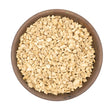
Ginger root
A warming, versatile root traditionally used for digestive comfort, nausea, and circulation.
Ginger tea (Zingiber officinale) is one of the world's most beloved warming herbs, used in kitchens and herbal medicine cabinets for thousands of years. This certified organic dried ginger root produces a fiery, warming infusion with a spicy kick. The ginger tea benefits include traditional use for digestive comfort, nausea relief, and supporting healthy circulation. Whether you brew it as a tea, add it to cooking, or blend it with other herbs, dried ginger is an essential pantry staple.
Key Benefits
- Digestive comfort: Traditionally used to help ease nausea, mild indigestion, bloating, and travel sickness. One of the most trusted herbs for ginger for nausea support.
- Warming and circulatory: Traditionally used to support healthy circulation and warm the body from within. A popular choice during the cooler months.
- Anti-inflammatory tradition: Traditionally used to help ease minor joint and muscle discomfort. Contains gingerols and shogaols, bioactive compounds studied for their properties.
- Certified organic: Dried ginger root pieces grown without synthetic pesticides or fertilisers.
- Culinary and medicinal: Equally at home in the kitchen and the herbal tea cupboard. Use in curries, stir-fries, baking, brewing, and warming beverages.
Ginger root tea: Add 1 to 2 teaspoons of dried ginger root to a cup of boiling water. Cover and simmer or steep for 10 to 15 minutes for a strong, warming brew. Strain and enjoy with honey and lemon for a classic combination. The longer you steep, the stronger and spicier the flavour.
Blending: A classic pairing with Turmeric for a warming golden blend (add a pinch of black pepper to support absorption). Lovely combined with Lemon Balm for a bright, uplifting tea. For immune support, try blending with Elderberries and a squeeze of lemon.
Cooking: Grind dried ginger root in a spice grinder or use pieces directly in slow-cooked dishes, broths, and soups. Also popular in home brewing and ginger beer recipes.
Ginger has been a prized spice for over 5,000 years and was one of the first spices to travel the ancient trade routes from Asia. It was so highly valued in medieval times that a pound of ginger could be traded for the price of a sheep.
Ginger is generally considered safe for dogs in small amounts and is sometimes given to help with car sickness. However, it is not recommended for cats, as their digestive systems are more sensitive to the compounds in ginger.
Those taking blood-thinning medications or with gallstones should consult a healthcare provider before use. Generally considered safe in moderate amounts during pregnancy. This information is not a substitute for medical advice. Consult a healthcare provider before use, especially if pregnant, breastfeeding, or taking medication.
Burdock Root
Traditionally used to support healthy skin, digestion, and the body's natural cleansing processes.
Burdock root from Arctium lappa is one of the most widely used roots in Western and East Asian herbalism, traditionally valued for supporting healthy skin and the body's natural detoxification processes. Rich in inulin (a prebiotic fibre), chlorogenic acid, and arctigenin, dried burdock root makes an earthy, mildly sweet burdock tea that has been a staple in traditional medicine for centuries.
Key Benefits
- Skin support: One of the best-known burdock root benefits. Traditionally used to support clear, healthy skin from the inside out.
- Digestive health: The root is naturally high in inulin, a prebiotic fibre that may support healthy gut bacteria and normal digestive function.
- Natural cleansing: Traditionally used in Western herbalism as a gentle depurative to support the body's natural cleansing and elimination processes.
- Antioxidant activity: Contains chlorogenic acid, quercetin, luteolin, and arctigenin, which contribute antioxidant activity.
- Nutritive root: A source of potassium, magnesium, manganese, phosphorus, and iron, along with small amounts of B-group vitamins.
Decoction: Add 1 to 2 teaspoons of dried burdock root to 2 cups of water. Bring to a gentle boil, then simmer for 15 to 20 minutes. Strain and drink warm or cold. The tea keeps in the fridge for up to 48 hours. For a classic combination, blend with Dandelion Root Tea for the traditional dandelion and burdock duo.
Blended tea: Burdock root pairs beautifully with Licorice Root Tea to add natural sweetness, or with Nettle Leaf Tea for a mineral-rich, nourishing brew. Some customers enjoy it blended with elderberry and ginger for a warming daily tonic.
Culinary use: In Japanese cuisine, burdock root (gobo) is a common ingredient. Rehydrate dried root by soaking in warm water, then add to soups, stir-fries, or stews for earthy depth.
The hooked burrs of the burdock plant famously inspired Swiss engineer George de Mestral to invent Velcro in the 1940s after noticing them stuck to his dog's fur during a walk.
The cut dried root sometimes appears "cobwebby" or fibrous. This is completely normal and comes from the inner pith of the root, which can be very stringy when dried.
Burdock root is generally considered safe for dogs in small amounts and is sometimes included in canine herbal supplements. However, always consult a vet before giving herbs to pets.
May lower blood sugar levels. Avoid if you have a known allergy to plants in the daisy (Asteraceae) family. This information is not a substitute for medical advice. Consult a healthcare provider before use, especially if pregnant, breastfeeding, or taking medication.

Moringa Leaf Powder
Certified organic Moringa oleifera leaf, finely milled and supplied as a dried botanical material.
This Certified Organic Moringa Leaf Powder (Moringa oleifera) is a dried botanical material produced from organically grown Moringa plants. The leaves are harvested, dried, and finely milled to a uniform powder. The material displays a natural pale to mid green colour and a mild, earthy aroma typical of dried moringa leaf.
This product consists solely of finely milled dried Moringa leaves with no added fillers, flow agents, or processing aids. It is supplied as raw botanical material suitable for non-consumable applications, product development, research, or further processing where dried moringa leaf powder is required.
The product is Certified Organic, with origin and processing aligned to organic certification standards.
Product Details
- Botanical source: Moringa oleifera leaf
- Form: Finely milled powder
- Colour: Natural pale to mid green
- Aroma: Mild, earthy, characteristic of dried moringa leaf
- Additives: None
- Certification: Certified Organic
We also offer Moringa Leaf as a cut material, and the live Moringa Plant for home cultivation.
Regulatory notice: In Australia and New Zealand, Moringa oleifera leaf and leaf powder are classified as a "novel food" under Standard 1.5.1 of the Food Standards Code, as the Advisory Committee on Novel Foods has not yet established a history of safe food use. This product is supplied as a botanical raw material for non-consumable applications. We do not claim that it prevents, treats, cures or manages any medical condition, and GST is applied in line with the way botanical non-food supplies are treated.
This information is not a substitute for medical advice. Consult a healthcare provider before use, especially if pregnant, breastfeeding, or taking medication.
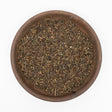
Tulsi Tea
A sacred Ayurvedic herb traditionally used to support the body's response to stress.
Tulsi tea, also known as holy basil (Ocimum tenuiflorum), is one of the most revered herbs in Ayurvedic tradition. This certified organic tulsi tea has a warm, slightly peppery flavour with subtle clove-like notes, and it has been traditionally used for centuries as an adaptogenic herb to help the body cope with everyday stress. The tulsi tea benefits include supporting calm, mental clarity, and overall resilience, making it a wonderful daily ritual.
Key Benefits
- Stress and calm: Traditionally used as an adaptogenic herb to help the body manage everyday stress and support a balanced mood. One of the tulsi benefits most valued in Ayurvedic practice.
- Immune support: Traditionally used to support the body's natural immune defences. Rich in antioxidant compounds including eugenol, rosmarinic acid, and ursolic acid.
- Respiratory comfort: Traditionally used to support clear, comfortable breathing and ease mild seasonal discomfort.
- Certified organic: Dried holy basil aerials grown without synthetic pesticides or fertilisers.
- Caffeine-free daily tea: A warm, aromatic herbal tea that can be enjoyed any time of day as part of a calming daily routine.
Tulsi tea: Add 1 to 2 teaspoons of dried tulsi to a cup of boiling water. Cover and steep for 5 to 10 minutes. Strain and enjoy. The infusion has a warm, aromatic flavour that deepens with longer steeping. Add honey and a squeeze of lemon for a soothing daily cup.
Blending: Tulsi pairs wonderfully with Chamomile for a deeply calming blend, or with Ginger Root for a warming, spicy infusion. For a stress-support blend, try combining with Lemon Balm.
Tulsi is considered a sacred plant in Hinduism, often grown near temples and in home courtyards as a symbol of protection and devotion. It is sometimes called "The Incomparable One" and has been used in Ayurvedic medicine for over 3,000 years.
Holy basil is a different species from the sweet basil (Ocimum basilicum) used in cooking. The three main varieties of tulsi are Rama (green leaves), Krishna (purple leaves), and Vana (wild forest tulsi), each with a slightly different flavour profile.
May interact with blood-thinning and blood sugar-lowering medications. Not recommended during pregnancy. This information is not a substitute for medical advice. Consult a healthcare provider before use, especially if pregnant, breastfeeding, or taking medication.
Ashwagandha (Withania) - Powder
A traditional Ayurvedic adaptogen used to support stress resilience, energy, and restful sleep.
Ashwagandha powder (Withania somnifera) is one of the most important herbs in Ayurvedic tradition, used for thousands of years as a rejuvenating tonic. This certified organic ashwagandha root powder is traditionally used to help the body adapt to everyday stress, support sustained energy, and promote restful sleep. The ashwagandha benefits are well documented, making it one of the most popular adaptogenic herbs worldwide.
Key Benefits
- Stress and resilience: Traditionally used as an adaptogen to help the body manage everyday stress and support a balanced stress response. One of the most valued ashwagandha benefits.
- Energy and vitality: Traditionally used to support sustained energy levels and reduce feelings of fatigue, without the stimulation of caffeine.
- Sleep support: Traditionally used to help promote restful, quality sleep. The species name "somnifera" means "sleep-inducing," reflecting this traditional use.
- Certified organic: Pure ashwagandha root powder with no fillers, binders, or additives. Ground from certified organic roots.
- Easy to use: Fine powder format mixes easily into smoothies, warm milk, cooking, and hot drinks. Also suitable for capsule filling.
Ashwagandha dosage: Mix 1/2 to 1 teaspoon (approximately 2 to 4g) of ashwagandha powder into warm milk, a smoothie, or juice. It has an earthy, slightly bitter flavour, so many people prefer to blend it with honey, cinnamon, or cacao. Start with a smaller amount and increase gradually.
Moon milk: Warm a cup of milk (dairy or plant-based), stir in 1/2 teaspoon of ashwagandha powder, a pinch of cinnamon, and a drizzle of honey for a soothing bedtime drink. For an enhanced blend, add Tulsi or Turmeric Powder. Also pairs well with Brahmi for cognitive support.
Ashwagandha translates to "smell of the horse" in Sanskrit, referring both to the earthy aroma of the root and the traditional belief that it imparts the strength and vitality of a horse. It has been a cornerstone of Ayurvedic medicine for over 3,000 years.
Ashwagandha belongs to the nightshade (Solanaceae) family, making it a relative of tomatoes and potatoes. It is generally considered non-toxic to dogs in small amounts, but should be kept away from cats.
Not recommended during pregnancy or breastfeeding. May interact with thyroid, blood sugar, and blood pressure medications. This information is not a substitute for medical advice. Consult a healthcare provider before use, especially if pregnant, breastfeeding, or taking medication.
Cleavers
Certified organic cleavers herb for lymphatic support, spring cleansing, and skin health tea blends.
Cleavers herb (Galium aparine), also known as goosegrass or sticky willy, is one of the most valued lymphatic herbs in the Western herbal tradition. This certified organic cleavers has been traditionally used to support healthy lymphatic function, promote clear skin, and assist the body's natural cleansing processes. Cleavers tea has a mild, fresh, slightly grassy flavour that is pleasant to drink and blends well with other herbs.
Key Benefits
- Lymphatic support: Traditionally used in Western herbal medicine to support healthy lymphatic system function and promote natural fluid drainage. One of the first herbs herbalists reach for when lymphatic support is needed.
- Spring cleansing: Traditionally used as a spring tonic and gentle cleansing herb. Cleavers appears fresh in early spring and has long been gathered as one of the first herbs of the season.
- Skin support: Traditionally used to support clear, healthy skin from the inside. Often included in skin health tea blends alongside nettle and burdock.
- Gentle urinary support: Traditionally used as a mild, cooling diuretic to support healthy urinary function.
- Certified organic: Grown without synthetic pesticides or fertilisers.
Tea infusion: Add 2 teaspoons of dried cleavers to a cup of freshly boiled water. Cover and steep for 10 to 15 minutes. Strain and drink up to 3 cups daily. The flavour is mild and fresh.
Lymphatic blend: Combine cleavers with Nettle Leaf and Dandelion Root for a classic spring cleansing tea. Add Peppermint for a refreshing finish.
Cold infusion: Place 2 to 3 tablespoons in a jar of cold water overnight in the fridge. Strain and drink in the morning. Cold infusion is the traditional way to prepare cleavers and is thought to best preserve its gentle properties.
Cleavers belongs to the Rubiaceae family, making it a botanical relative of coffee. The small round seeds of cleavers were historically roasted and ground as a caffeine-free coffee substitute. The common name "bedstraw" comes from its traditional use as mattress stuffing, where the tiny hooks on the stems held the filling together.
Cleavers is generally considered safe for dogs and cats. The plant is widely eaten by geese (hence "goosegrass") and other birds in the wild.
This information is not a substitute for medical advice. Consult a healthcare provider before use, especially if pregnant, breastfeeding, or taking medication.
Cinnamon Sticks
Sweet and warming bark quills traditionally used for digestion, circulation, and comforting kitchen blends.
True cinnamon sticks (Cinnamomum verum) are delicate, multi-layered bark quills prized for their sweet, aromatic flavour and gentle action. Used across herbal and culinary traditions, they support digestion, improve circulation, and warm the body — making them a staple in teas, broths, baked goods, and festive infusions.
- Traditionally used to relieve indigestion, bloating, and poor circulation
- Warming, antimicrobial, and carminative — useful for colds, sluggish digestion, and tension
- Backed by research for antioxidant, anti-inflammatory, and metabolic support
- Gentler flavour and lower coumarin content than cassia cinnamon — safer for long-term use
- Used in wellness blends, chai, honey syrups, and winter wellness remedies
Tea: Simmer 1 stick in 1–2 cups water for 10–15 mins. Blend with ginger, clove, or orange peel for digestive or seasonal tea.
Syrups: Steep in honey or sugar syrup for use in immune tonics, desserts, or festive cocktails.
Broths & stews: Add whole to slow-cooked meals for depth and warmth. Remove before serving.
Baking & sweets: Use ground or steeped sticks in baking, puddings, mulled drinks, and preserves.
Aromatic use: Add to potpourri, simmer pots, or ceremonial smudge blends for warmth and clarity.
Our true Ceylon cinnamon is naturally low in coumarin and suitable for daily use in tea or cooking. Customers use it in tea blends, tinctures, broths, and even infused oils for ritual or seasonal use. In Ayurveda and folk medicine, it's known to “kindle digestive fire” and circulate warmth through the body. Also used in fire cider, mulled wine, and New Year rituals to symbolise abundance.
Store airtight. Avoid cinnamon oil on sensitive skin or in large internal doses. For best results, simmer sticks instead of using powder for tea. Replace every 1–2 years for freshness.
- Actions: Carminative, warming stimulant, antimicrobial, astringent, blood sugar modulator
- Systems: Digestive, circulatory, respiratory, musculoskeletal, metabolic
- Energetics: Warming, drying, aromatic
- Pairings: Ginger, cardamom, clove, fennel, licorice, nettle, elderberry
- Clinical note: Choose Ceylon for daily use. Avoid concentrated essential oil internally or in pregnancy. Moderate use recommended alongside blood thinners or anti-diabetic meds.
This information is for general reference only. Always consult a healthcare provider if pregnant, breastfeeding, or on medications. Not a substitute for medical care. Use true Ceylon cinnamon if consuming regularly.
Hawthorn Berry - Australian Grown
Australian-grown hawthorn berries traditionally used to support cardiovascular health and circulation.
These Australian-grown hawthorn berries (Crataegus monogyna) are traditionally used in herbal medicine to support healthy heart function and circulation. Hawthorn berry is one of the most valued cardiovascular herbs in traditional Western herbalism, and this Australian-grown harvest offers a locally sourced alternative. The dried hawthorn fruit produces a mildly sweet, slightly tart infusion, and hawthorn berry benefits are well documented in herbal pharmacopoeias worldwide.
Key Benefits
- Cardiovascular support: Traditionally used to help maintain healthy heart function and support normal blood pressure already within the normal range. A key hawthorn berry benefit.
- Circulation: Traditionally used to support healthy peripheral circulation. The hawthorn herb has been valued for this purpose across many herbal traditions.
- Rich in antioxidants: Hawthorn berries contain oligomeric proanthocyanidins (OPCs), flavonoids, and vitamin C.
- Australian grown: Locally harvested hawthorn berries, supporting shorter supply chains and fresher dried fruit.
- Versatile use: Enjoy as a hawthorn berry tea, add to herbal blends, or use in homemade syrups, jams, and tinctures.
Hawthorn berry tea: Lightly crush 1 to 2 teaspoons of dried hawthorn berries. Add to a cup of boiling water, cover, and steep for 15 to 20 minutes. Strain and drink 1 to 3 cups daily. Crushing the berries first helps release the beneficial compounds.
Blending: Combine with Hibiscus for a vibrant, tart cardiovascular blend. Also pairs well with Rose Hip for added vitamin C, or Lemon Balm for a calming touch.
Crataegus monogyna was introduced to Australia in the 1800s and has naturalised in cooler, wetter regions. While considered invasive in some areas, sustainably harvesting the berries makes productive use of existing trees.
Hawthorn berries are non-toxic to dogs and cats. They are also a natural food source for many Australian bird species throughout autumn and winter.
May interact with heart medications including beta-blockers, calcium channel blockers, and digoxin. Not recommended during pregnancy. This information is not a substitute for medical advice. Consult a healthcare provider before use, especially if pregnant, breastfeeding, or taking medication.
Dandelion Root Roasted
A caffeine-free roasted root tea with a rich, coffee-like flavour, traditionally used for digestive and liver support.
Roasted dandelion root tea (Taraxacum officinale) is a certified organic, caffeine-free alternative to coffee with a rich, dark, roasted flavour. Dandelion coffee has been enjoyed for generations as a satisfying hot drink that also supports healthy digestion and liver function. If you are looking to reduce your caffeine intake without giving up the ritual of a warm, full-bodied morning drink, roasted dandelion root tea is a natural choice.
Key Benefits
- Coffee alternative: Rich, roasted, slightly bitter flavour that closely resembles coffee. A popular caffeine-free dandelion coffee enjoyed any time of day.
- Liver support: Traditionally used in Western herbalism to support healthy liver function and bile flow. One of the best-known dandelion root tea benefits.
- Digestive tonic: The natural bitterness of roasted dandelion root traditionally supports healthy appetite and digestive function.
- Prebiotic content: Contains inulin, a naturally occurring prebiotic fibre that may support beneficial gut bacteria.
- Caffeine free: Naturally caffeine-free, making it suitable for evenings, during pregnancy (in moderate amounts), or for anyone reducing caffeine.
Dandelion coffee: Simmer 1 to 2 teaspoons of roasted dandelion root in a cup of water for 10 to 15 minutes. Strain and enjoy black, or add milk and sweetener to taste for a latte-style drink.
French press method: Add 1 tablespoon per cup to a French press, pour over boiling water, and steep for 10 minutes. Press and serve.
Blending: Combine with Roasted Chicory Root for a richer, more complex dandelion coffee blend. Add Cinnamon for warmth, or pair with Licorice Root for natural sweetness.
Dandelion root coffee became popular as a caffeine-free substitute during times when real coffee was scarce or expensive. The roasting process turns the naturally bitter root into a darker, sweeter, more mellow brew with caramel-like undertones.
This product is the roasted form of dandelion root. If you are looking for the unroasted version for making traditional herbal infusions, we also stock Dandelion Root Tea (unroasted).
Avoid with active gallbladder conditions or bile duct obstruction. May interact with diuretic medications. This information is not a substitute for medical advice. Consult a healthcare provider before use, especially if pregnant, breastfeeding, or taking medication.
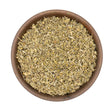
Damiana
A warming, aromatic leaf traditionally used as a tonic for vitality and mood.
Damiana (Turnera diffusa, also known as Turnera aphrodisiaca) is a warmly aromatic herb with a long history of traditional use as a tonic for vitality, mood, and general wellbeing. The dried leaf has a pleasant, slightly spicy flavour and makes a smooth damiana tea that has been enjoyed for centuries in traditional herbal practice. It is one of the more popular herbs for those interested in natural support for energy and nervous system balance.
Key Benefits
- Traditional tonic: Historically valued as a restorative herb, traditionally used to support vitality and general wellbeing during times of fatigue or low energy.
- Mood support: Traditionally used to help support a positive mood and ease occasional nervous tension. Contains flavonoids including apigenin.
- Aromatic flavour: The dried leaf has a pleasant, warm, slightly bitter taste with spicy undertones, making it enjoyable as a standalone tea or blended.
- Versatile use: Can be brewed as a tea, used as a base for herbal liqueurs, or blended into smoking mixes as a tobacco alternative.
Tea: Add 1 to 2 teaspoons of dried damiana leaf to a cup of boiling water. Cover and steep for 10 to 15 minutes. The flavour is warm and slightly bitter, with a pleasant aromatic quality. Sweeten with honey if desired.
Blends: Pairs well with Passionflower for relaxation, or with Peppermint for a refreshing, uplifting blend. Also combines nicely with Lemon Balm for mood support.
Herbal liqueur: Damiana leaf can be steeped in vodka or brandy for 2 to 4 weeks with honey and spices to make a traditional herbal cordial.
Damiana has a rich history in traditional herbal medicine, where it was valued as an aphrodisiac and tonic. The Mayan name "Mizibcoc" translates to "the plant that makes the sun smile," which gives you some idea of its traditional reputation.
The dried leaf is also used in herbal smoking blends as a mild, aromatic base. It burns smoothly and has a pleasant flavour, making it a popular choice for those looking for a tobacco-free alternative.
Not recommended during pregnancy. May interact with diabetes medications due to potential effects on blood sugar levels. This information is not a substitute for medical advice. Consult a healthcare provider before use, especially if pregnant, breastfeeding, or taking medication.
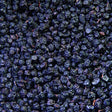
Bilberry
An anthocyanin-rich berry traditionally used to support eye health and circulation.
Bilberry (Vaccinium myrtillus) is a certified organic dried berry traditionally used to support eye health and healthy circulation. These small, dark berries are exceptionally rich in anthocyanins, the deep purple pigments that give bilberry its intense colour and have attracted significant research interest. Bilberry has a long history of use in traditional herbalism as a tonic for the eyes and vascular system.
Key Benefits
- Eye health: Traditionally used to support visual acuity and healthy eye function. One of the most valued bilberry benefits, backed by a long history of traditional use.
- Circulatory support: Traditionally used to support healthy blood vessel function and peripheral circulation.
- Rich in anthocyanins: Bilberry fruit contains high concentrations of anthocyanins, powerful flavonoid compounds responsible for its deep colour.
- Versatile dried berry: Enjoy as a tea, add to smoothies, stir into porridge, or snack on them as you would any dried fruit.
- Pleasant flavour: Produces a mildly sweet, fruity tea with a deep purple colour. Enjoyable on its own or blended with other herbs.
Bilberry tea: Add 1 to 2 teaspoons of dried bilberries to a cup of boiling water. Steep for 10 to 15 minutes, lightly crushing the berries to release more colour and flavour. Strain and drink 1 to 3 cups daily.
In food: Add to porridge, muesli, yoghurt, baking or smoothies as you would dried blueberries. Rehydrate in warm water for 10 minutes before adding to recipes if a softer texture is preferred.
Blending: Combine with Elderberries for an anthocyanin-rich blend, or add Rosehip for a fruity, vitamin C-rich tea. A teaspoon of Ginkgo makes a complementary addition for circulatory support.
Bilberry is a close relative of the blueberry but is smaller, darker and more intensely coloured throughout the flesh. While blueberries have green flesh inside, bilberries are deep purple all the way through, which reflects their higher anthocyanin content.
During World War II, RAF pilots reportedly ate bilberry jam before night missions, believing it improved their night vision. While the science behind this is debated, the story helped popularise bilberry as an eye health supplement worldwide.
May interact with blood-thinning and blood sugar-lowering medications. This information is not a substitute for medical advice. Consult a healthcare provider before use, especially if pregnant, breastfeeding, or taking medication.
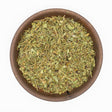
Gotu Kola Tea
A traditional Ayurvedic herb used to support memory, mental clarity, and healthy skin.
Gotu kola tea (Centella asiatica) is one of the most important herbs in Ayurvedic tradition, valued for centuries as a rejuvenating tonic for the mind and skin. This certified organic dried gotu kola leaf produces a mild, slightly grassy infusion traditionally used to support memory, mental clarity, and healthy circulation. Gotu kola benefits are well documented in both Ayurvedic and traditional herbalism, earning it a reputation as the "herb of longevity."
Key Benefits
- Cognitive support: Traditionally used to support memory, concentration, and mental clarity. One of the most valued gotu kola tea benefits.
- Skin health: Traditionally used to support healthy skin and connective tissue. Gotu kola has a long history of topical and internal use for skin wellness.
- Calm focus: Traditionally used as a gentle calming herb that supports clear, focused thinking without drowsiness. Often described as a "calming adaptogen."
- Certified organic: Dried gotu kola herb grown without synthetic pesticides or fertilisers.
- Circulation support: Traditionally used to support healthy peripheral circulation and vein health.
Gotu kola tea: Add 1 to 2 teaspoons of dried gotu kola to a cup of boiling water. Cover and steep for 5 to 10 minutes. Strain and drink 1 to 3 cups daily. The flavour is mild and slightly grassy, pairing well with honey or lemon.
Blending: For a cognitive support blend, combine with Brahmi, another traditional Ayurvedic brain tonic. For a calming study tea, pair with Lemon Balm. Also combines well with Ginkgo for circulation and mental clarity.
In Ayurvedic tradition, gotu kola is classified as a "medhya rasayana," meaning a rejuvenating herb for the mind. It has been used by monks and scholars for centuries to support meditation and study. Elephants in the wild are said to favour gotu kola, contributing to its reputation as a longevity herb.
Gotu kola is generally considered safe for dogs in small amounts, but is not commonly used in veterinary practice. It is unrelated to kola nut and contains no caffeine.
May interact with sedative medications and liver-metabolised drugs. Not recommended during pregnancy. This information is not a substitute for medical advice. Consult a healthcare provider before use, especially if pregnant, breastfeeding, or taking medication.
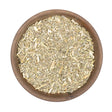
Wormwood
Intensely bitter organic herb traditionally used as a digestive tonic, natural pest deterrent, and poultry coop herb.
Wormwood tea begins with Artemisia absinthium, one of the most bitter herbs in the Western herbal tradition. This certified organic dried aerial (leaf and stem) has a distinctive silver-grey colour and a sharp, camphoraceous aroma. This wormwood herb is traditionally valued as a bitter digestive tonic and is widely used as a natural pest deterrent for chicken coops, gardens, and wardrobes.
Key Benefits
- Bitter digestive tonic: One of the classic bitter herbs, traditionally used in small doses before meals to support healthy appetite and digestive function.
- Poultry coop herb: Popular with backyard chicken keepers as a natural coop freshener and pest deterrent. Scatter through nesting boxes and bedding to help repel mites and lice.
- Natural moth repellent: The strong aroma deters moths and other insects. Place in sachets for wardrobes and drawers as a chemical-free alternative to mothballs.
- Garden companion: Traditionally used as a companion planting herb to deter pests from nearby plants. Best grown in a pot to contain its spread.
- Certified organic: Grown without synthetic pesticides or fertilisers, important for a herb used around food-producing animals and in tea preparations.
Bitter tonic tea: Steep half to 1 teaspoon of dried wormwood in a cup of boiling water for 5 to 10 minutes. Strain and drink before meals. The taste is intensely bitter, which is intentional. Add a little honey or blend with Peppermint to soften the flavour. Do not use for more than 4 weeks continuously.
Chicken coop: Scatter a generous handful of dried wormwood through nesting boxes, along perches, and in bedding. Replace weekly or as the scent fades. Pairs well with Lavender for a fragrant, pest-deterring coop blend.
Moth sachets: Fill small muslin bags with dried wormwood and hang in wardrobes or place in drawers. Combines well with Rosemary and lavender for a herbal moth repellent blend.
Wormwood is the herb that gives absinthe its name and its notorious reputation. The "green fairy" spirit was famously popular among artists and writers in 19th-century Paris before being banned in much of Europe. The bans were lifted in the early 2000s.
The Latin name "absinthium" means "without sweetness," a fair warning about the taste. In medieval Europe, wormwood was scattered on floors as a strewing herb to repel fleas and freshen rooms.
Contains thujone. Do not use for more than 4 weeks continuously. Not suitable during pregnancy or breastfeeding. This information is not a substitute for medical advice. Consult a healthcare provider before use, especially if pregnant, breastfeeding, or taking medication.
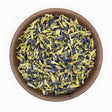
Butterfly Pea Flower Tea
A stunning colour-changing organic flower tea, naturally caffeine-free.
Butterfly pea flower tea (Clitoria ternatea) is a certified organic dried flower that brews into a vivid, electric blue infusion. The colour changes naturally when you add something acidic like lemon juice, turning the tea from deep blue to bright purple or pink. Rich in anthocyanins and naturally caffeine-free, butterfly pea flower is as beautiful as it is versatile, equally at home in a calming evening tea as in colour-changing cocktails, baking, and natural food colouring.
Key Benefits
- Natural colour-changing magic: Brews a vivid blue tea that turns purple or pink when lemon, lime, or any acidic ingredient is added. The colour change is caused by a natural pH reaction in the anthocyanin pigments.
- Rich in antioxidants: Contains high levels of anthocyanins (specifically delphinidin ternatins), which may help protect cells from oxidative stress.
- Naturally caffeine-free: A gentle, calming tea suitable for any time of day, including before bed.
- Natural food colouring: Use the blue infusion to naturally colour rice, pasta, baked goods, icing, and drinks without artificial dyes.
- Certified organic: Organically grown flowers, dried whole and ready to brew.
Butterfly pea tea: Add 5 to 7 dried flowers to a cup of hot water. Steep for 5 to 7 minutes. The infusion turns deep blue with a very mild, earthy flavour. Squeeze in lemon or lime and watch the colour change to purple or pink. Sweeten with honey if desired.
Colour-changing iced tea: Brew a strong blue infusion, cool, and pour over ice. Slowly add lemonade, tonic water, or citrus juice for a dramatic layered colour effect.
Natural food colouring: Use a concentrated infusion (steep 10+ flowers in a small amount of water) to colour rice, pasta water, cake batter, icing, or cream. For cocktails, infuse gin or vodka with dried flowers overnight for a vibrant blue spirit that changes colour when mixed with tonic or citrus.
Blending: Pairs beautifully with Lemon Myrtle for an Australian twist, or with Ginger and honey for a soothing warm drink. Try with Chamomile for a calming blue bedtime tea.
Butterfly pea flower has been used as a natural food colouring in Southeast Asian cooking for centuries. In Malaysia, the blue extract colours nasi kerabu (blue rice), and in Thailand it is used in drinks and desserts. The US FDA approved butterfly pea flower extract as a food colour in 2021.
The butterfly pea vine actually grows in tropical parts of Australia (Queensland, Northern Territory, and Western Australia), where it was introduced and has naturalised. You may have seen the striking blue flowers growing on fences and trellises in warmer parts of the country.
This information is not a substitute for medical advice. Consult a healthcare provider before use, especially if pregnant, breastfeeding, or taking medication.
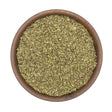
Peppermint
A refreshing organic herbal tea traditionally used for digestive comfort and relaxation.
Peppermint tea (Mentha piperita) is one of the world's most popular herbal teas, loved for its crisp, cooling flavour and gentle digestive benefits. These certified organic peppermint leaves produce a bright, refreshing infusion with the unmistakable menthol aroma that peppermint is known for. Traditionally used to ease bloating, mild indigestion, and stomach discomfort, organic peppermint tea is an everyday essential for the herbal tea cupboard.
Key Benefits
- Digestive comfort: Traditionally used to help relieve bloating, mild indigestion, and occasional stomach discomfort. One of the most widely used digestive herbs worldwide.
- Refreshing flavour: Rich in natural menthol, giving peppermint tea its characteristic cool, clean taste. Equally enjoyable hot or iced.
- Soothing and calming: Traditionally used to help ease mild tension and promote relaxation. The aroma alone can feel uplifting.
- Certified organic: Dried peppermint leaves grown without synthetic pesticides or fertilisers for a clean, pure cup of tea.
- Versatile herb: Use as a tea, in cooking and baking, in homemade skincare, or as a natural insect deterrent. Also popular in home brewing.
Peppermint tea: Add 1 to 2 teaspoons of dried peppermint to a cup of boiling water. Cover and steep for 5 to 10 minutes. Strain and enjoy. Covering the cup while steeping helps retain the volatile menthol oils. For iced peppermint tea, brew a strong infusion and pour over ice.
Blending: Peppermint is a classic pairing with Chamomile for a soothing after-dinner blend. For digestive support, try combining with Ginger Root. It also adds a refreshing lift to Lemon Balm tea.
Peppermint is a natural hybrid of spearmint and watermint, first described in 1753 by Carl Linnaeus. In Greek mythology, the nymph Minthe was turned into the mint plant, which is how the genus Mentha got its name.
Peppermint essential oil is toxic to cats and should be kept away from them. The dried herb in small amounts is less concentrated, but it is best to keep peppermint tea away from cats as a precaution. Dogs can generally tolerate small amounts.
May worsen symptoms of gastro-oesophageal reflux. Not recommended for children under 4 years of age. This information is not a substitute for medical advice. Consult a healthcare provider before use, especially if pregnant, breastfeeding, or taking medication.
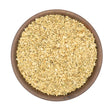
Elderflower Tea
Traditionally used to support the body's natural response to colds, congestion, and seasonal allergies.
Elderflower tea (Sambucus nigra) is one of the most traditional herbal teas for seasonal wellness. These certified organic dried elderflower blossoms produce a delicate, floral infusion that has been traditionally used for centuries to support the body's natural response to colds, mild fevers, and sinus congestion. Elderflower benefits also extend to its use in cordials, brewing, and skincare, making it one of the most versatile herbs in the cupboard.
Key Benefits
- Seasonal wellness: Traditionally used to support the body's natural immune response during cold and flu season. One of the most valued elderflower tea benefits.
- Sinus and respiratory comfort: Traditionally used to help ease mild sinus congestion and support clear breathing. A gentle, soothing option for seasonal discomfort.
- Mild fever support: Traditionally used as a gentle diaphoretic, meaning it may help support the body's natural temperature regulation during mild fevers.
- Certified organic: Whole dried elderflower blossoms grown without synthetic pesticides or fertilisers.
- Versatile: Use as a tea, in elderflower cordial, in brewing, as a skincare ingredient, or as a beautiful garnish for cakes and desserts.
Elderflower tea: Add 1 to 2 teaspoons of dried elderflower to a cup of boiling water. Cover and steep for 5 to 10 minutes. Strain and enjoy. The flavour is light, floral, and subtly sweet. Drink up to 3 cups daily during seasonal discomfort.
Blending: A classic pairing with Peppermint and Yarrow for a traditional cold and flu support blend. Also lovely combined with Elderberries for a double-strength elderberry and elderflower immune tea.
In folklore, the elder tree was known as the "medicine chest of the common people" because nearly every part of the plant was used. Elderflower cordial, made by steeping the fresh flowers in sugar syrup with lemon, remains a popular summer drink.
Elderflower is generally considered safe for dogs in small amounts, but the stems, leaves, and unripe berries of the elder tree contain cyanogenic glycosides and should be kept away from all pets.
Those with allergies to plants in the Adoxaceae family should use with caution. Not recommended for use during pregnancy without medical advice. This information is not a substitute for medical advice. Consult a healthcare provider before use, especially if pregnant, breastfeeding, or taking medication.
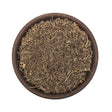
Valerian Root Tea
A potent herbal sleep aid traditionally used for restful sleep and nervous tension.
Valerian tea (Valeriana officinalis) is one of the most well-known herbal remedies for sleep and relaxation. This certified organic valerian root tea has been traditionally used for centuries to support restful sleep and ease mild nervous tension. The valerian tea benefits are backed by a long history of use and a growing body of modern research. The tea has a distinctive earthy, pungent aroma and a strong, slightly bitter flavour. While the taste takes some getting used to, the valerian for sleep tradition keeps many people coming back for its effectiveness.
Key Benefits
- Sleep support: Traditionally used to help promote restful, undisturbed sleep and reduce the time it takes to fall asleep. One of the most widely used herbal sleep aids worldwide.
- Nervous tension: Traditionally used to help ease mild anxiety, restlessness, and nervous tension. May support a calmer state of mind before bed.
- Muscle relaxation: Traditionally used to help relieve mild muscle tension and promote physical relaxation.
- Certified organic: Dried valerian root grown without synthetic pesticides or fertilisers.
- Active compounds: Contains valerenic acid and isovaleric acid, along with iridoids (valepotriates) and flavonoids that contribute to its traditional calming properties.
Valerian root tea: Add 1 to 2 teaspoons of dried valerian root to a cup of boiling water. Cover and steep for 10 to 15 minutes. Strain and drink 30 to 60 minutes before bedtime. The taste is strong, so many people add honey or blend with other herbs to soften the flavour.
Blending: For a gentle sleep blend, combine with Passionflower, another well-regarded calming herb. To soften the strong flavour, try adding Lemon Balm or Chamomile, both of which also support relaxation.
Valerian has a curious effect on cats. Much like catnip, the scent of valerian root can cause cats to become excited, playful, and euphoric. This is because valerian contains actinidine, a compound similar to the nepetalactone found in catnip. Store your valerian root securely if you have feline friends.
In medieval folklore, valerian was known as "all-good" and was believed to ward off evil. Some scholars believe the Pied Piper of Hamelin may have used valerian to lure the rats, as rodents are also attracted to its strong scent.
May cause drowsiness. Avoid driving or operating machinery after use. Do not combine with sedative medications or alcohol. This information is not a substitute for medical advice. Consult a healthcare provider before use, especially if pregnant, breastfeeding, or taking medication.
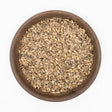
Milk Thistle (St Marys Thistle)
Traditionally used in herbal medicine to support healthy liver function and digestion.
Milk thistle tea (Silybum marianum), also known as St Marys thistle, is one of the most well-known liver support herbs in traditional Western herbalism. These wildcrafted milk thistle seeds contain silymarin, a group of flavonolignans that have made this herb one of the most researched botanicals worldwide. Milk thistle benefits are well documented in herbal pharmacopoeias, and the seeds produce a mild, nutty-flavoured decoction that is easy to incorporate into a daily wellness routine.
Key Benefits
- Liver support: Traditionally used to support healthy liver function, especially after periods of rich food or drink. The most well-known of the milk thistle benefits.
- Digestive comfort: Traditionally used as a bitter tonic to support healthy digestion and ease occasional digestive discomfort.
- Rich in silymarin: Milk thistle seeds are the primary source of silymarin, a group of bioactive compounds including silybin, silydianin, and silychristin.
- Wildcrafted quality: Whole dried milk thistle seeds, harvested from wild populations for a potent, authentic herb.
- Versatile preparation: Use as a decoction (simmered tea), grind into powder for smoothies (also available ready-ground as Milk Thistle Powder), or use in tincture making and home herbalism.
Milk thistle tea (decoction): Lightly crush 1 to 2 teaspoons of milk thistle seeds using a mortar and pestle. Add to a small saucepan with 1 cup of water, bring to a gentle boil, then reduce heat and simmer for 15 to 20 minutes. Strain and drink 1 to 3 cups daily. Crushing the seeds helps release the beneficial compounds.
Blending: For a liver-supportive blend, combine with Dandelion Root, which is also traditionally used to support liver and digestive health. For a gentler flavour, try adding Peppermint or Lemon Balm.
The name "St Marys Thistle" comes from a legend that the white veins on the plant's leaves were caused by drops of the Virgin Mary's milk. This distinctive marbling makes milk thistle one of the easiest herbs to identify in the wild.
Milk thistle is generally considered non-toxic to dogs and cats. The seeds are also a favourite food of goldfinches and other seed-eating birds.
Those with allergies to plants in the daisy family (Asteraceae) should use with caution. May interact with some medications metabolised by the liver. This information is not a substitute for medical advice. Consult a healthcare provider before use, especially if pregnant, breastfeeding, or taking medication.
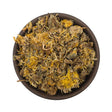
Calendula
Gentle support for skin, eyes, and immune health. Perfect for salves, teas, compresses, or pet care.
Calendula (Calendula officinalis) is a traditional herb loved for its gentle healing of skin, eyes, and mucous membranes. Used for centuries in Western herbalism and recognised in Ayurveda and TCM, it's commonly infused into oil, brewed as tea, or applied as a poultice. With bright, resin-rich petals full of anti-inflammatory and soothing compounds, calendula supports healthy skin and digestion, while offering a gentle immune lift during seasonal changes.
- Traditionally used for inflamed skin, cuts, rashes, and eye care
- Popular in infused oils and salves for soothing topical support
- May assist with digestive and lymphatic health when taken as tea
- Gentle enough for pets and baby products (external use only)
- Backed by research for wound healing, anti-inflammatory, and antimicrobial activity:contentReference[oaicite:0]{index=0}
Tea: Steep 1–2 tsp per cup of hot water for 10–15 minutes. Use internally for digestion or externally as an eye wash or skin compress.
Oil infusion: Infuse dried petals in olive or almond oil for 2–4 weeks. Use directly or blend into balms, salves, or creams.
Poultice: Rehydrate flowers and apply to wounds, stings, or hot spots on skin. Can be wrapped in gauze or used as a direct compress.
Pets: Used by some customers as an eye rinse or skin soother for dogs. Always use cooled, well-strained infusions and seek vet advice for internal use.
Customers commonly use calendula in oils for skincare, or as a tea for lymph, digestion, or post-surgery recovery. Some report success using it to bathe irritated pet eyes, or to make handmade salves for rashes and nappy rash. The petals have a mild, earthy aroma and lend a golden hue to oils and teas. Calendula is also used in garden pest control and chicken feed (for egg yolk colour).
Avoid internal use during pregnancy. Store dried petals in a cool, dark place to retain colour and resin content.
- Actions: Vulnerary, anti-inflammatory, lymphatic, antimicrobial, astringent
- Systems: Skin, lymphatic, immune, digestive, mucous membranes
- Energetics: Cooling, slightly bitter, drying
- Common pairings: Chamomile, lavender, echinacea, comfrey, gotu kola
- Clinical note: Supports tissue repair, lymph movement, and local immune modulation. Ideal for first-aid, gut inflammation, or skin conditions.
This information is general and not a substitute for medical advice. Please consult a healthcare provider before use if pregnant or taking medication. For pets or sensitive eyes, use only properly strained, sterile preparations.
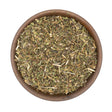
Comfrey Leaf
Traditional external-use herb for soothing joints, muscles, and skin with its deeply restorative qualities.
Comfrey leaf has long been valued in Western herbalism as a wound-healer and musculoskeletal support herb. Known traditionally as “knitbone,” it's often used in salves, poultices, and oils for bruises, sprains, joint aches, and skin repair.
- Traditionally used to support healing of bruises, sprains, and muscle injuries
- Topically applied to soothe joint stiffness, tendon strain, and back pain
- Valued in poultices and salves for promoting skin repair and comfort
- Contains allantoin, mucilage, and rosmarinic acid – known for tissue regeneration and anti-inflammatory effects
- Suitable for use in short-term external preparations only
Infused Oil: Soak comfrey leaf in carrier oil for 4–6 weeks to create a base for healing salves and balms.
Poultice: Rehydrate dried leaf with hot water, mash, and apply to sore joints or limbs for up to 4 hours per day over several days.
Compress: Make a strong tea, soak a cloth in the infusion, and apply to bruises or strained tissue.
Salve or Cream: Combine infused oil with beeswax and other herbs to create a topical balm.
Bath Soak: Add strained infusion to a sitz bath for postpartum care or soak hands/feet for tissue support.
Comfrey is used externally for injuries, skin issues, and radiation burns. Though once used internally, this is no longer recommended due to the presence of pyrrolizidine alkaloids (PAs). Customers typically make their own infused oils and salves, apply poultices for joint recovery, or use it in blends for aches and tension.
Always use on unbroken skin, for short durations only. Not suitable for internal use, long-term application, or children. Store in a cool, dark place to preserve potency.
- Actions: Vulnerary, demulcent, anti-inflammatory, astringent, cell proliferant
- Systems: Musculoskeletal, integumentary (skin), circulatory (topical only)
- Energetics: Cooling, moistening, soothing
- Western Herbalism: “Knitbone” use for structural injury; topical use only due to PAs
- Common pairings: Calendula, St. John’s Wort, peppermint, arnica
This information is for external use only and not a substitute for medical advice. Do not ingest. Do not apply to broken skin. Consult a qualified practitioner before using on sensitive individuals or for extended periods.
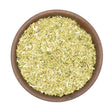
Passionflower Tea
Calming organic herb traditionally used to support relaxation and restful sleep.
Passionflower tea from Passiflora incarnata is a gentle, calming herb with a long history of use in traditional Western herbal medicine. Known as maypop in its native North America, this certified organic dried aerial (leaf and stem) is rich in flavonoids including vitexin and chrysin, and has been traditionally used as a calming tea to ease nervous tension and promote restful sleep. Passion flower tea is one of the most popular herbal teas for passionflower sleep support.
Key Benefits
- Sleep support: Traditionally used to promote restful sleep and help settle a busy mind at bedtime. Human studies have shown passionflower tea may support improved sleep quality.
- Relaxation: May help support a calm, relaxed state during times of occasional stress and nervous tension. A popular choice for winding down in the evening.
- Caffeine-free: Naturally caffeine-free, making it a suitable evening or bedtime tea that can be enjoyed daily.
- Certified organic: Grown without synthetic pesticides or fertilisers, ensuring a clean, high-quality herb for tea and tincture making.
- Versatile preparation: Works well as a simple tea, as a base for calming herbal blends, or steeped in alcohol to make a tincture.
Tea: Add 1 to 2 teaspoons of dried passionflower to a cup of boiling water. Cover and steep for 10 to 15 minutes (covering helps retain the beneficial compounds). Strain and drink 30 to 60 minutes before bed for sleep support, or anytime for relaxation.
Calming blends: Combines beautifully with Chamomile Tea and Lemon Balm for a soothing evening blend. Also pairs well with Valerian Root for stronger sleep support.
Tincture: Combine 1 part dried passionflower to 5 parts alcohol (45 to 50% vodka or brandy) in a glass jar. Steep for 4 to 6 weeks, shaking daily, then strain. Take 1 to 2 ml as needed.
The name "passionflower" has nothing to do with romance. Spanish missionaries in the 16th century saw the flower's complex structure as a symbol of the crucifixion: the ten petals represented the apostles, the corona the crown of thorns, and the five stamens the wounds of Christ.
Cherokee people used passionflower for centuries before European contact, with archaeological evidence dating its use to at least 2,000 BCE. They prepared root teas for earache and used poultices for inflammation.
Not recommended during pregnancy as it may stimulate uterine contractions. May enhance the effects of sedative medications. This information is not a substitute for medical advice. Consult a healthcare provider before use, especially if pregnant, breastfeeding, or taking medication.
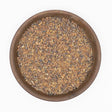
Myrrh
Wildcrafted gum resin for burning as incense, tincture making, and traditional herbal preparations.
Myrrh resin from Commiphora myrrha (syn. C. mol-mol) is an aromatic gum resin that has been valued for thousands of years across cultures for its warm, balsamic fragrance and traditional uses. This wildcrafted myrrh comes as irregular, reddish-brown resin pieces that can be burned as incense, made into tinctures, or used in natural mouthwash preparations. It pairs beautifully with Frankincense for a classic, grounding fragrance blend.
Key Benefits
- Incense and fragrance: Burns with a warm, earthy, slightly balsamic aroma. One of the oldest known incense resins, used in spiritual and meditative practices across many cultures.
- Tincture making: A popular base for homemade herbal tinctures. Myrrh resin dissolves well in high-proof alcohol to create a concentrated extract.
- Oral care: Traditionally used in herbal mouthwash and gargle preparations. Myrrh tincture diluted in warm water has been used as a natural mouth rinse for centuries.
- Rich in bioactive compounds: Contains sesquiterpenes, resin acids, and volatile oils that contribute to its distinctive aroma and traditional properties.
- Wildcrafted: Harvested from wild trees using traditional tapping methods, where the bark is scored and the resin collected as it dries naturally.
Burning as incense: Light a charcoal disc in a heatproof dish or incense burner. Wait until the disc is glowing and covered with grey ash (about 5 minutes), then place a few small pieces of myrrh resin on top. The resin will smoulder and release fragrant smoke. Combine with Frankincense for the classic pairing, or try adding dried Lavender for a softer, floral note.
Tincture: Crush or grind the resin pieces and combine 1 part myrrh to 5 parts high-proof alcohol (90% ethanol or overproof vodka). Seal in a glass jar and steep for 4 to 6 weeks, shaking regularly. Strain through muslin. The resulting tincture can be diluted in warm water as a mouth rinse.
Mouthwash: Add 5 to 10 drops of myrrh tincture to half a glass of warm water. Swish for 30 seconds, then spit. Do not swallow.
Myrrh was one of the three gifts brought to the infant Jesus by the Magi, alongside gold and frankincense. Its use as a sacred incense and embalming resin dates back over 5,000 years to the ancient world, where it was used in temple rituals and mummification.
The word "myrrh" comes from the Arabic word "murr," meaning "bitter," a reference to the resin's sharp, slightly medicinal taste.
Cats are particularly sensitive to essential oils found in resins. Burn myrrh incense in well-ventilated areas and keep resin pieces stored away from pets.
Not recommended during pregnancy. May interact with diabetes and blood-thinning medications. This information is not a substitute for medical advice. Consult a healthcare provider before use, especially if pregnant, breastfeeding, or taking medication.
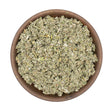
Raspberry Leaf
A nutrient-rich women's herb traditionally used for uterine support and pregnancy preparation.
Raspberry leaf tea (Rubus idaeus) is one of the most popular herbal teas for women's wellness, with a tradition of use stretching back centuries. This certified organic red raspberry leaf tea is rich in minerals including iron, calcium, and magnesium, and has long been traditionally used to tone the uterus and support the body during pregnancy. The raspberry leaf tea benefits extend beyond pregnancy, with many women enjoying it for general menstrual comfort and as a nourishing daily tonic. The flavour is mild, slightly tannic, and pleasantly earthy.
Key Benefits
- Women's wellness: Traditionally used to support uterine tone and ease mild menstrual discomfort. One of the most widely used women's herbs in Western herbal medicine.
- Pregnancy preparation: Traditionally used in the third trimester to help prepare the body for labour. The raspberry leaf tea pregnancy tradition is well established among midwives and herbalists.
- Nutrient rich: A natural source of iron, calcium, magnesium, potassium, and B vitamins. Contains the alkaloid fragarine, traditionally associated with uterine toning.
- Certified organic: Dried raspberry leaf grown without synthetic pesticides or fertilisers.
- Mild, pleasant flavour: A gentle, slightly tannic tea that blends well with other herbs and can be enjoyed daily.
Raspberry leaf tea: Add 1 to 2 teaspoons of dried raspberry leaf to a cup of boiling water. Cover and steep for 10 to 15 minutes. Strain and enjoy. Can be consumed hot or iced. Many women drink 1 to 3 cups daily.
Blending: For a nourishing women's tonic, blend with Nettle Leaf for extra iron and minerals. For a calming evening blend, try pairing with Chamomile. Adds a pleasant base note when combined with Peppermint for a refreshing daily tea.
Raspberry leaf has been used in women's herbal medicine for at least 400 years. It was a staple of midwifery practice long before modern herbalism, and many Australian midwives and birth practitioners continue to recommend it today.
Raspberry leaf is generally considered safe for dogs and is sometimes included in pet supplements. It is also safe for rabbits, who enjoy the leaves as a natural snack. Not recommended for cats in large quantities.
Consult your midwife or healthcare provider before using during pregnancy, particularly in the first trimester. Not recommended during early pregnancy without professional guidance. This information is not a substitute for medical advice. Consult a healthcare provider before use, especially if pregnant, breastfeeding, or taking medication.
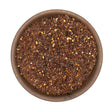
Rose Hip
A tangy, antioxidant-rich fruit traditionally used to support joints, immunity, and skin from the inside out.
Rosehips are the bright red fruits of the dog rose, valued for centuries as a natural source of vitamin C and gentle nourishment. Used in teas, syrups, skincare, and supplements, they support joint health, immune defence, and seasonal wellness. Their mild fruitiness blends beautifully in both culinary and herbal preparations.
- Traditionally used for colds, flu, arthritis, and general recovery after illness
- Rich in vitamin C, flavonoids, and galactolipids with antioxidant and anti-inflammatory action
- Clinically studied for joint pain and stiffness in osteoarthritis
- Supports immune function, skin health, and gentle detoxification
- A favourite in teas, syrups, kombucha, skincare, and even pet wellness
Tea: Simmer or steep 1–2 tsp per cup for 10–15 minutes. Strain well to remove fine hairs. Lovely on its own or with hibiscus, rosella, or elderberry.
Kombucha & syrup: Infuse in sweet teas or boil into rosehip syrup for immune tonics, winter drinks, or “vitamin C shots.”
Powder: Use in smoothies, overnight oats, or yogurt for an antioxidant boost. Pair with collagen or skin supplements.
Culinary: Use in jams, syrups, fruit blends, or herbal broths. Ideal for teas and infused drinks where straining is possible.
Pets: Add a pinch to dog food for joint support. Commonly used in equine nutrition and pet arthritis blends.
Customers love rosehips for their versatility and gentle strength. Many brew it as a daily tea, infuse it in oils for Christmas gifts, or use it in kombucha, winter broths, and even treats for their pets. Often paired with hibiscus, lemon balm, elderberry, and chamomile. Best stored airtight and steeped thoroughly using a fine strainer or muslin cloth to remove seed hairs, especially with fine cut rosehips.
Not recommended in very large doses during pregnancy. Take with food if prone to reflux. Check for interactions if on medication or managing kidney issues. Always strain thoroughly to avoid irritation from seed hairs.
- Actions: Nutritive tonic, astringent, antioxidant, anti-inflammatory, refrigerant
- Systems: Immune, musculoskeletal, digestive, urinary, integumentary
- Energetics: Cooling, drying, mildly sweet
- Pairings: Hibiscus, elderberry, nettle, chamomile, ginger, lemon balm
- Clinical note: Can enhance iron absorption due to vitamin C. Avoid long-term megadosing unless guided. Avoid the hairs inside the hip.
This information is for general reference only. Always consult a healthcare provider if pregnant, breastfeeding, or taking medication. Avoid seed hairs unless strained. Not suitable for children under 6 without guidance.
Turkey Tail Mushroom Powder
Certified organic turkey tail mushroom powder for immune support, antioxidant tea, and wellness blends.
Turkey tail mushroom powder (Trametes versicolor) is one of the most extensively researched medicinal mushrooms in the world. This certified organic turkey tail powder is ground from the whole fruiting body and is rich in polysaccharides, beta-glucans, and other immune-supporting compounds. Turkey tail has been the subject of hundreds of published studies and has a long tradition of use in Asian herbal medicine for supporting immune function and general wellbeing.
Key Benefits
- Immune support: Traditionally used to support healthy immune function. Turkey tail is one of the most clinically studied mushrooms for immune support, with research spanning decades.
- Rich in beta-glucans: Contains high levels of beta-glucans, complex polysaccharides that are the primary compounds associated with turkey tail's immune-supporting properties.
- Antioxidant support: Contains a wide range of phenolic compounds and flavonoids that support the body's natural antioxidant defences.
- Whole fruiting body: Ground from the complete mushroom fruiting body, not just mycelium grown on grain. This ensures the full spectrum of naturally occurring compounds.
- Certified organic: Grown without synthetic inputs.
Tea or broth: Stir 1 to 2 teaspoons of turkey tail powder into a cup of hot water or bone broth. Simmer gently for 10 to 15 minutes for best extraction. The flavour is mild and earthy.
Coffee or smoothie: Add half to one teaspoon to your morning coffee or smoothie. Blends well with cacao, banana, and nut milk. Combine with Chaga Mushroom Powder for a dual-mushroom immune support blend.
Mushroom blend: Mix turkey tail with other medicinal mushrooms for a comprehensive mushroom formula. Pairs well with Astragalus Root for traditional immune tonic support.
Turkey tail gets its common name from the concentric rings of brown, tan, and cream that resemble a wild turkey's tail feathers. It is one of the most common bracket fungi worldwide and can be found growing on dead logs and stumps across every continent except Antarctica.
In Japan, a compound extracted from turkey tail called PSK (polysaccharide-K) has been used as an approved pharmaceutical since 1977. This reflects the depth of research behind this remarkable mushroom.
Not recommended for people with autoimmune conditions or those taking immunosuppressant medications without medical guidance. This information is not a substitute for medical advice. Consult a healthcare provider before use, especially if pregnant, breastfeeding, or taking medication.

Cinnamon Powder
Botanical Name: Cinnamomum verum
All information provided on this website is for informational purposes only. Please seek professional advice before commencing any treatment.
Organic Turmeric Powder
A vibrant organic spice traditionally valued for its support of joint comfort and digestive health.
Organic turmeric powder (Curcuma longa) is one of the most widely used spices in both the kitchen and traditional herbalism. This certified organic turmeric powder is ground from dried turmeric root and contains curcumin, the bright golden compound responsible for its distinctive colour and many of its traditional uses. Turmeric benefits span culinary and wellness applications, from golden milk to curries, making this a true pantry staple with a rich history in Ayurvedic tradition.
Key Benefits
- Joint comfort: Traditionally used to support comfortable, flexible joints and ease occasional stiffness. One of the most well-known turmeric benefits.
- Digestive support: Traditionally used to support healthy digestion and ease occasional digestive discomfort. A staple of Ayurvedic dietary practice.
- Rich in curcumin: Contains curcumin, the primary bioactive compound in turmeric, which gives it the characteristic golden colour.
- Certified organic: Pure organic turmeric powder with no fillers, additives, or colouring agents. Ground from certified organic roots.
- Culinary versatile: Use in curries, golden milk, smoothies, soups, rice dishes, and spice blends. Also suitable for capsule filling.
Golden milk: Warm a cup of milk (dairy or plant-based), stir in 1/2 to 1 teaspoon of turmeric powder, a pinch of Black Pepper (which may support curcumin absorption), a drizzle of honey, and a pinch of cinnamon. A soothing daily ritual.
Cooking: Add 1/2 to 1 teaspoon to curries, soups, stir-fries, scrambled eggs, or rice. Pairs beautifully with Ginger Powder in spice blends. Also try blending with Turmeric Pieces for a stronger decoction.
Turmeric has been used for over 4,000 years in Ayurvedic tradition. It was also traditionally used as a natural dye for textiles and as a ceremonial pigment. The root is a member of the ginger family (Zingiberaceae).
Turmeric is generally considered safe for dogs in small culinary amounts, but it can stain fur, fabrics, and benchtops. Handle with care and wash hands promptly after use.
May interact with blood-thinning medications and gallbladder conditions. Turmeric can stain surfaces and clothing. This information is not a substitute for medical advice. Consult a healthcare provider before use, especially if pregnant, breastfeeding, or taking medication.
Mugwort Tea
A versatile herb with calming, digestive, and dream-enhancing properties — rooted in tradition and ritual.
🌿 A note on texture: Dried mugwort has a naturally "furry" or fibrous consistency that tends to cling to itself. This comes from the fine silvery hairs (trichomes) on the underside of the leaves, a defining characteristic of the plant. These same soft fibres are what make mugwort prized for traditional moxibustion and dream pillows.
Mugwort (Artemisia vulgaris) is a bitter aromatic herb valued for centuries across Europe and Asia for its digestive, calming, and visionary properties. Traditionally used to support sleep, regulate cycles, and ease nervous tension, it's also loved in modern tea rituals, herbal baths, and spiritual blends. Its aroma is earthy and slightly sage-like, with a long history of folk magic and medicine behind it.
- Traditionally used to support digestion, menstruation, sleep, and lucid dreaming
- May help with bloating, anxiety, muscle tension, and hormonal balance
- Popular for dream pillows, tea blends, baths, and herbal smudging
- Known for its mild sedative, antispasmodic, and bitter digestive actions
- Used in folk traditions for dreamwork, protection, and energetic cleansing
Tea: Steep 1–2 tsp in hot water for 10–15 minutes. Drink before bed or after meals. May be blended with peppermint, chamomile, or lavender for calming support.
Dream pillow: Place a small sachet under or near your pillow to encourage vivid dreaming or spiritual reflection.
Tincture: Take 2–4 mL (1:5) up to 2 times/day as a digestive bitter or sleep tonic. Avoid in pregnancy.
Baths & steams: Add strong infusion to bathwater or use for facial steam. Traditionally used for cramps, sleep, or energetic cleansing.
Smudging or incense: Burn dried herb in a heat-safe dish or bundle. Often used in rituals for purification or intention setting.
Mugwort is a herb with both practical and mystical appeal. Customers use it for gentle sleep support, womb steaming, digestive teas, or dream rituals. While many love it for dream recall and relaxation, some also use it in blends for gut health or calming nerves. Its taste is earthy and slightly bitter — often paired with honey, mint, or citrus. Use in moderation, and always store airtight to preserve its aromatic strength.
Do not use during pregnancy or while breastfeeding. Avoid large doses or prolonged use. Not recommended for children or with allergies to ragweed family plants. Monitor for sensitivity. Not for internal use with epilepsy unless guided.
- Actions: Bitter tonic, nervine, emmenagogue, antispasmodic, mild sedative, aromatic
- Systems: Digestive, nervous, reproductive, integumentary, energetic
- Energetics: Warming, drying, slightly bitter and pungent
- Pairings: Chamomile, skullcap, dandelion root, peppermint, yarrow, damiana
- Clinical note: Avoid in pregnancy or seizure disorders. Best used short-term or seasonally. Monitor if using with sedatives or liver medications.
This information is for general reference only. Consult a healthcare provider if pregnant, breastfeeding, taking medication, or managing chronic illness. Not recommended for children or seizure-prone individuals unless advised. Store dry and airtight.
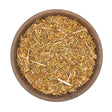
St Johns Wort
Traditionally used in herbal medicine to support emotional balance and a positive mood.
St Johns Wort tea (Hypericum perforatum) is one of the most widely researched herbs in traditional Western herbalism. This certified organic dried st johns wort herb produces a mild, slightly bitter infusion and has been traditionally used for centuries to support emotional wellbeing and a balanced mood. St johns wort tea is a popular choice for those seeking a gentle, natural approach to everyday emotional comfort.
Key Benefits
- Mood support: Traditionally used in herbal medicine to help relieve symptoms of mild mood imbalance and support a positive outlook. One of the most well-known st johns wort benefits.
- Emotional wellbeing: Traditionally used to help ease occasional feelings of nervous tension and restlessness. A staple of traditional herbalism for emotional comfort.
- Rich in active compounds: Contains hypericin and hyperforin, the key bioactive compounds that have made Hypericum perforatum one of the most studied herbs worldwide.
- Certified organic: Dried leaf and flower grown without synthetic pesticides or fertilisers for a clean, pure cup of tea.
- Versatile herb: Use as a tea or infused oil for external use. Also popular in tincture making and home herbalism.
St johns wort tea: Add 1 to 2 teaspoons of dried herb to a cup of boiling water. Cover and steep for 10 to 15 minutes. Strain and drink up to 2 cups daily. The tea has a mild, slightly bitter, earthy flavour.
Blending: For a calming evening blend, combine with Passionflower or Lavender. For a brighter, uplifting daytime tea, try pairing with Lemon Balm.
The name "St Johns Wort" comes from the plant's traditional association with the Feast of St John on 24 June, when it was gathered and hung in doorways as a protective herb. The golden yellow flowers were seen as a symbol of sunlight.
St Johns Wort is generally considered non-toxic to dogs but may cause photosensitivity in cats and livestock. Keep away from cats as a precaution.
St Johns Wort interacts with many medications including antidepressants, oral contraceptives, blood thinners, and immunosuppressants. Do not use alongside prescription medication without medical advice. This information is not a substitute for medical advice. Consult a healthcare provider before use, especially if pregnant, breastfeeding, or taking medication.
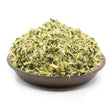
Passionflower - Australian Grown
Australian grown, certified organic passionflower for calming tea, sleep support, and nervous tension relief.
This Australian grown passionflower tea (Passiflora incarnata) is a locally cultivated, certified organic version of one of the most popular calming herbs in Western herbal medicine. Passionflower is traditionally used to support restful sleep, ease nervous tension, and promote relaxation. Grown right here in Australia, this passionflower tea offers the freshness and reduced food miles that come with local sourcing.
Key Benefits
- Sleep support: Traditionally used in Western herbal medicine to promote restful sleep and ease occasional sleeplessness. One of the most well-researched calming herbs, with clinical studies supporting its traditional use.
- Calming and relaxing: Traditionally used to ease nervous tension, mild anxiety, and restlessness. A gentle nervine that is suitable for daily use without causing heavy sedation.
- Australian grown: Cultivated in Australia, supporting local growers and ensuring freshness. Reduced food miles compared to imported alternatives.
- Certified organic: Grown without synthetic pesticides or fertilisers.
Sleep tea: Add 1 to 2 teaspoons of dried passionflower to a cup of freshly boiled water. Cover and steep for 10 to 15 minutes. Strain and drink 30 to 60 minutes before bed. Blends beautifully with Chamomile and Lemon Balm for a soothing bedtime tea.
Calming blend: Combine with Skullcap and Lavender for a calming daytime tea that eases tension without causing drowsiness.
Stronger sleep blend: Pair with Valerian Root for a stronger sleep formula. Add honey to balance the slightly grassy flavour.
Passionflower was first documented by Spanish missionaries in South America, who saw the flower's intricate structure as representing the Passion of Christ. The ten petals symbolised the faithful apostles, the corona the crown of thorns, and the five stamens the five wounds.
Herb Cottage also stocks an imported Passionflower Tea at a lower price point. Both products are the same species (Passiflora incarnata) and have the same traditional uses. Choose this Australian grown version to support local growers.
May enhance the effects of sedative medications. Not recommended during pregnancy or breastfeeding. This information is not a substitute for medical advice. Consult a healthcare provider before use, especially if pregnant, breastfeeding, or taking medication.
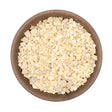
Frankincense
Ancient aromatic resin for burning, meditation, and traditional wellness preparations.
Frankincense resin (Boswellia carteri) is one of the most ancient and revered aromatic substances in the world. These natural resin tears have a warm, balsamic, slightly citrusy fragrance that has been used for thousands of years in spiritual practice, meditation, and traditional wellness. Burn the frankincense on charcoal for a cleansing, grounding aroma, or use it in herbal preparations. The resin contains boswellic acids and terpenes that have attracted significant interest in modern research.
Key Benefits
- Ancient aromatic resin: Used for over 5,000 years in religious ceremonies, meditation, and traditional wellness. The warm, balsamic fragrance is deeply grounding and calming.
- Traditional wellness: Traditionally used to support joint comfort and healthy respiratory function. Contains boswellic acids, which are the subject of ongoing research.
- Meditation and mindfulness: One of the most popular resins for burning during meditation, yoga, and spiritual practice. Creates a warm, contemplative atmosphere.
- Versatile use: Burn on charcoal as incense, infuse into oils, add to balms, or simmer gently in water for a fragrant steam.
- Natural and unprocessed: Pure resin tears, just as they come from the tree. No additives, binders, or synthetic fragrances.
Burning: Light a charcoal disc in a heat-safe burner and wait until it is glowing and covered in grey ash. Place 2 to 3 small pieces of frankincense resin on the charcoal. The resin will melt and release its aromatic smoke. Use in a well-ventilated room.
Infused oil: Gently warm frankincense resin in a carrier oil (such as jojoba or sweet almond) over very low heat for several hours. Strain and use as a massage oil or base for balms. Combines well with Myrrh for a classic aromatic blend, or with Lavender for a calming preparation.
Steam: Add a few pieces of resin to a bowl of just-boiled water and inhale the steam gently. Traditionally used for respiratory comfort. Can also be combined with Rosemary for a bracing aromatic steam.
Frankincense was one of the three gifts brought to the infant Jesus by the Magi, alongside gold and myrrh. It was considered as valuable as gold in the ancient world and was a key commodity on the famous incense trade routes of the ancient world.
The resin is harvested by making small cuts in the bark of Boswellia trees. The milky sap seeps out and hardens into "tears" over about two weeks. The trees are sustainably tapped, similar to rubber trees, and can produce resin for decades.
Burn in well-ventilated areas only. Keep resin smoke away from pets, especially birds. Not recommended for internal use during pregnancy. This information is not a substitute for medical advice. Consult a healthcare provider before use, especially if pregnant, breastfeeding, or taking medication.
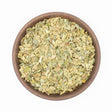
Lemon Myrtle Leaves
An intensely lemony native Australian herb for tea, cooking, and baking.
Lemon myrtle leaves (Backhousia citriodora) are often called the "Queen of the Lemon Herbs" and for good reason. These certified organic dried leaves contain the highest concentration of citral of any plant in the world (90-98%), delivering an intensely clean lemon flavour that is actually lemonier than lemon itself. Aboriginal Australians have used lemon myrtle for an estimated 40,000 years, wrapping fish in the leaves for cooking and using the aromatic foliage in traditional medicine. The leaves make a beautiful caffeine-free herbal tea and are remarkably versatile in the kitchen.
Key Benefits
- Intensely lemony flavour: Contains 90-98% citral, the compound responsible for lemon scent and flavour. Delivers a cleaner, stronger lemon taste than actual lemons.
- Won't curdle dairy: Unlike lemons and limes, lemon myrtle provides citrus flavour without adding acidity. Perfect for cream sauces, custards, and baked goods.
- Rich in antioxidants: High in polyphenols, with an ORAC antioxidant score of 3,360, higher than blueberries, green tea, and pomegranate.
- Exceptionally high in calcium: Contains 1,583 mg of calcium per 100g of dried leaf, along with magnesium, folate, vitamin A, and lutein.
- Caffeine-free tea: Makes a refreshing, naturally caffeine-free herbal tea, enjoyed hot or iced. Traditionally said to have a calming, relaxing effect.
Lemon myrtle tea: Add 1 teaspoon of dried leaves to a cup of freshly boiled water. Steep for 5 to 7 minutes with the lid on to retain the volatile oils. Enjoy hot or brew double-strength and serve over ice in summer. A little goes a long way.
In cooking: Use as a direct substitute for lemon slices when baking whole fish, or in place of lemongrass in stir-fries, curries, and laksa. Add about 1 teaspoon per recipe to cakes, biscuits, shortbread, or cheesecakes for a bright citrus lift without acidity.
Blending: Pairs beautifully with Tasmanian Pepper Berries for a classic native seafood seasoning. Lovely in tea blends with Chamomile or Ginger Root. Also works as a natural substitute for bay leaves in savoury cooking.
Wrapping fish in paperbark with lemon myrtle leaves is one of the oldest documented culinary techniques in the world, practised by Aboriginal peoples for thousands of years. The leaves were also burned on campfires as a natural insect repellent.
Because lemon myrtle belongs to the Myrtaceae family (not Rutaceae like citrus), it can be a useful citrus flavour alternative for people with citrus fruit allergies or sensitivities.
Lemon myrtle essential oil should not be used around cats, as they lack the liver enzyme to metabolise certain compounds. This information is not a substitute for medical advice. Consult a healthcare provider before use, especially if pregnant, breastfeeding, or taking medication.
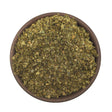
Soursop Leaf Tea
Certified organic whole soursop leaves for calming herbal tea, digestive comfort, and relaxation.
Soursop leaf tea (Annona muricata), also known as graviola tea, is a traditional tropical herb that has been brewed as a household tea across the Caribbean, South America, and Southeast Asia for generations. This certified organic soursop leaf tea is the whole dried leaf form, ready to steep into a mild, slightly grassy infusion. Soursop leaves are traditionally used to support restful sleep, digestive comfort, and general wellbeing.
Key Benefits
- Calming and relaxing: Traditionally used in Caribbean and South American folk traditions to promote relaxation and support restful sleep. A popular evening tea in tropical regions.
- Digestive comfort: Traditionally used in tropical herbal medicine to support healthy digestive function and ease occasional stomach discomfort.
- Whole leaf form: Dried whole leaves for a traditional brewing experience. Simply tear or crumble the leaves and steep in boiling water for a mild, pleasant tea.
- Certified organic: Sourced from certified organic soursop leaves, free from synthetic pesticides.
Tea: Tear or crumble 2 to 3 dried soursop leaves into a cup or teapot. Pour over freshly boiled water and steep for 10 to 15 minutes. Strain and drink. The flavour is mild and slightly grassy. Add honey or lemon to taste.
Calming blend: Combine soursop leaves with Chamomile and Passionflower for a soothing evening tea blend.
Iced tea: Brew a strong pot of soursop leaf tea, allow to cool, and serve over ice with a squeeze of lime for a refreshing tropical drink. Add Lemon Balm for extra citrus notes.
Soursop is best known as a tropical fruit, prized for its sweet, tangy flesh across the Caribbean, Central America, and Southeast Asia. The leaves have their own distinct tradition in herbal use, separate from the fruit, and soursop leaf tea is a common household drink in many tropical countries.
Herb Cottage also sells Graviola Leaf Powder, which is the same plant in powdered form. Choose whole leaves for traditional tea brewing, or the powder for smoothies and quick preparations.
Not recommended for long-term continuous use. Avoid if you have Parkinson's disease or related neurological conditions. Not suitable during pregnancy or breastfeeding. This information is not a substitute for medical advice. Consult a healthcare provider before use, especially if taking medication.
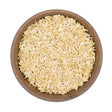
Quassia Chips
Intensely bitter bark chips traditionally used as a natural possum deterrent, garden pest spray, and head lice treatment.
Quassia chips from Picrasma excelsa are one of the most versatile natural pest control products you can keep in the shed. Made from bitterwood bark, these quassia chips contain quassin, one of the most bitter naturally occurring substances known, which makes them highly effective as a possum deterrent, garden insect spray, and natural head lice treatment.
Key Benefits
- Possum deterrent: Soak or simmer the chips to make a spray that deters possums from gardens, fruit trees, and roof spaces. The intense bitterness puts them off feeding without causing harm.
- Garden pest spray: Effective against aphids, red spider mites, whitefly, thrips, and caterpillars. Biodegrades naturally and does not harm beneficial insects like bees and ladybirds when used correctly.
- Natural lice treatment: Traditionally used as a chemical-free head lice treatment. The quassin solution may help loosen nits and deter reinfestation.
- Animal dewormer: Used in traditional herbal deworming blends for goats, chickens, and other livestock as part of an integrated parasite management approach.
- Bitter tonic: Traditionally used in small doses as a digestive bitter to support healthy appetite and digestive function.
Possum spray: Soak 100 g of chips in 2 litres of water overnight, then simmer for 30 minutes. Strain, add 1 tablespoon of biodegradable soap, and dilute 1:4 with water. Spray foliage, trunks, and garden beds. Reapply fortnightly and after rain.
Garden pest spray: Simmer 1 tablespoon of chips in 1 litre of water for 30 minutes. Cool, strain, and add half a teaspoon of liquid soap. Dilute 1:5 for aphids or use at full strength for mites. Spray undersides of leaves thoroughly. Pairs well with Wormwood in herbal pest blends.
Head lice: Steep 25 g of chips in 500 ml boiling water overnight, then simmer 15 minutes. Cool, strain, and spray through hair and scalp. Comb with a fine nit comb and rinse. Repeat every 2 to 3 days for 2 weeks. Combine with Neem for added effectiveness. For digestive use, steep half a teaspoon with Gentian Root as a bitter tonic.
Quassia is named after Graman Quassi, an 18th-century healer who first documented its properties. In colonial times, cups carved from quassia wood were filled with water and left overnight, producing a bitter drink used as a digestive tonic.
In Australia, possums are protected native animals. Quassia spray is a humane, legal deterrent that works by making foliage taste unbearably bitter.
Quassia solution biodegrades naturally in sunlight and does not persist in soil, making it safe for organic and chemical-free gardens.
For external and pest control use. If using internally as a bitter tonic, use in small doses only. Not suitable during pregnancy or breastfeeding. This information is not a substitute for medical advice. Consult a healthcare provider before use, especially if pregnant, breastfeeding, or taking medication.
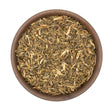
Herb Robert
A traditional wild herb, valued as a gentle tonic tea for overall wellbeing.
Herb robert (Geranium robertianum) is a traditional wild herb that has been quietly valued by herbalists for centuries. This dried herb robert is made from the aerial parts (leaves, stems, and flowers) and brews into a mild, slightly astringent herb robert tea. Traditionally used as a gentle tonic and valued for its wide range of folk uses, it remains a popular choice for those who appreciate traditional herbal remedies. The herb robert benefits have been passed down through generations of herbal practice.
Key Benefits
- Traditional tonic: Historically valued as a gentle, nourishing tonic tea for overall wellbeing. One of the most popular traditional wild herbs.
- Rich herbal history: Used in folk herbalism for centuries across many cultures. Named after the 11th-century French abbot Robert of Molesme, or possibly after Robin Goodfellow from folklore.
- Easy to prepare: Simply steep as a tea. The flavour is mild with a slightly astringent, grassy character that many find pleasant.
- Popular product: One of our most reviewed dried herbs, with a dedicated following among herbal tea enthusiasts.
Tea: Add 1 to 2 teaspoons of dried herb robert to a cup of boiling water. Steep for 10 to 15 minutes, then strain. Drink up to 3 cups daily. The flavour is mild and slightly astringent.
Blending: The mild flavour blends well with stronger-tasting herbs. Try combining with Nettle Leaf for a mineral-rich tonic blend, with Calendula for a gentle daily tea, or with Peppermint for a fresher flavour.
Herb robert has an extraordinary number of folk names, including red robin, storksbill, fox geranium, and stinking Bob (due to the distinctive smell of the fresh leaves when crushed). It grows wild across much of the world and is a familiar sight in hedgerows, woodland edges, and garden walls.
In traditional folklore, herb robert was carried as a charm for good luck and was believed to ward off snakes. The entire plant turns a striking red colour in autumn, adding to its appeal in cottage gardens.
Limited safety data available. Not recommended during pregnancy or breastfeeding due to insufficient research. This information is not a substitute for medical advice. Consult a healthcare provider before use, especially if pregnant, breastfeeding, or taking medication.
Marshmallow - Root Powder
Certified organic marshmallow root powder for soothing tea, digestive comfort, and DIY skincare.
Marshmallow root powder (Althaea officinalis) is one of the most soothing herbs available, thanks to its exceptionally high mucilage content. This certified organic marshmallow root powder creates a smooth, silky liquid when mixed with water, coating and soothing irritated tissues on contact. Marshmallow root powder is traditionally used to support digestive comfort, soothe the throat, and calm irritated skin.
Key Benefits
- Soothing and demulcent: Contains up to 35% mucilage, one of the highest levels of any herb. Creates a smooth, coating sensation that soothes irritated tissues on contact.
- Digestive comfort: Traditionally used to soothe the lining of the digestive tract and support comfortable digestion. The mucilage coats and calms irritated mucous membranes.
- Throat soothing: Traditionally used to help relieve sore throats and dry, irritating coughs. The coating action provides immediate comfort.
- Convenient powder form: Stirs easily into water, smoothies, or recipes. No simmering required. Also popular in DIY face masks, hair treatments, and skincare preparations.
- Certified organic: Ground from certified organic marshmallow root.
Cold infusion (best for mucilage): Stir 1 to 2 teaspoons of marshmallow root powder into a cup of cold or room-temperature water. Let stand for 30 minutes to 2 hours, stirring occasionally. The liquid will thicken to a smooth, silky consistency. Cold water extracts more mucilage than hot water.
Hot tea: Stir 1 teaspoon into a cup of warm (not boiling) water. Blends well with Licorice Root for a sweet, soothing throat tea, or with Chamomile for a calming digestive blend.
Skincare: Mix marshmallow root powder with honey or yoghurt for a soothing face mask. The mucilage creates a smooth, hydrating preparation. Combine with Calendula Petals for a skin-soothing blend.
The original marshmallow confection was made by whipping the mucilaginous root extract of this plant with sugar and egg whites. Modern marshmallows use gelatin instead, but the name lives on as a reminder of the sweet's herbal origins.
Marshmallow root powder may slow the absorption of other medications taken at the same time due to its coating action. Take medications at least one hour before or two hours after marshmallow root. Non-toxic to dogs and cats.
May delay absorption of other medications. Take other medicines at least 1 hour before or 2 hours after marshmallow root. This information is not a substitute for medical advice. Consult a healthcare provider before use, especially if pregnant, breastfeeding, or taking medication.
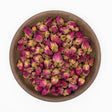
Rose Red - Flower Buds
Fragrant whole flower buds for rose tea, bath soaks, potpourri, and culinary use.
The dried rose buds from Rosa rugosa are whole, deep red flower buds with a rich, natural rose fragrance. They make a beautiful rose bud tea that blooms gently in the cup, and are equally lovely in bath soaks, potpourri, and culinary creations. Rose buds are naturally rich in polyphenols and anthocyanins, and have been used in traditional herbal medicine across cultures for centuries to support emotional calm and digestive comfort.
Key Benefits
- Rose tea: Steep for a fragrant, naturally caffeine-free tea with a delicate floral flavour and a beautiful deep pink colour. Traditionally used to support digestive comfort and emotional wellbeing.
- Bath and body: Add to bath soaks for a luxurious, naturally scented bathing experience. Also used in homemade face steams, body scrubs, and hair rinses.
- Potpourri: Whole red rose buds add colour, fragrance, and visual appeal to homemade potpourri blends. Their shape and colour hold well when dried.
- Culinary: Use in baking, desserts, Middle Eastern cooking, and as an edible garnish. Grind into rose sugar or infuse into rose syrup for cocktails and beverages.
- Rich in antioxidants: Contains anthocyanins, flavonoids, and polyphenols that contribute to the deep red colour and traditional properties.
Rose tea: Place 4 to 6 dried rose buds in a cup or glass teapot and pour over boiling water. Steep for 5 to 8 minutes and watch the buds bloom. Blends beautifully with Chamomile for a calming evening tea, or with Lavender for a floral relaxation blend.
Bath soak: Add a handful of rose buds to a muslin bag or directly to a warm bath. Combine with Epsom salts and a few drops of essential oil for a spa-like experience.
Rose water: Simmer a cup of dried rose buds in 2 cups of distilled water on low heat for 20 to 30 minutes (do not boil). Strain and store in a glass bottle in the fridge. Use as a facial toner or in cooking. Also pairs well with Red Rose Petals for larger batches.
The phrase "sub rosa" (under the rose) comes from the ancient practice of hanging a rose over a meeting table to indicate that everything discussed was confidential. Romans would carve roses into the ceilings of banquet halls as a reminder of this tradition.
Roses are one of the oldest cultivated flowers, with fossil records dating back 35 million years. In traditional Chinese medicine, rose buds (Mei Gui Hua) are used to regulate Qi and soothe the liver.
Generally safe for most people. Roses belong to the Rosaceae family, so avoid if you have a known allergy to this plant family. This information is not a substitute for medical advice. Consult a healthcare provider before use, especially if pregnant, breastfeeding, or taking medication.
Yarrow
A versatile herb traditionally used to support circulation and digestive health.
Yarrow tea (Achillea millefolium) is a certified organic herb traditionally used to support healthy circulation and digestive comfort. One of the most versatile herbs in the traditional herbalist's toolkit, yarrow has been valued for thousands of years across many cultures. The dried aerials produce a pleasantly aromatic, slightly bitter infusion with a warm, herbaceous character.
Key Benefits
- Circulatory support: Traditionally used to support healthy blood flow and peripheral circulation. One of the best-known yarrow benefits.
- Digestive comfort: Traditionally used as a bitter tonic to support healthy digestion and ease occasional digestive discomfort.
- Seasonal wellness: Traditionally used during the colder months to support the body's natural defences and promote perspiration.
- Versatile herb: Used as a tea, in tinctures, as a compress, or in herbal baths. A true all-rounder in the herb cabinet.
- Aromatic flavour: Produces a pleasant, slightly bitter tea with a warm, herbaceous aroma. Blends well with other herbs.
Yarrow tea: Add 1 to 2 teaspoons of dried yarrow to a cup of boiling water. Steep for 10 to 15 minutes, covered. Strain and drink up to 3 cups daily. Add honey to soften the bitter notes if preferred.
Blending: For a traditional cold-season blend, combine with Elderflower and Peppermint in equal parts. For digestive support, blend with Chamomile.
External use: Brew a strong tea (double strength) and use as a compress or add to a warm bath for traditional skin care applications.
The botanical name Achillea comes from the Greek hero Achilles, who according to legend used yarrow to staunch the wounds of his soldiers during the Trojan War. This association with wound care gave yarrow many folk names, including "soldier's woundwort" and "nosebleed plant."
Yarrow grows readily in Australia and is a common sight along roadsides and in meadows. It is generally considered safe around dogs and cats, though large quantities may cause digestive upset in pets.
May interact with blood-thinning medications. Not recommended during pregnancy. Avoid if allergic to plants in the daisy (Asteraceae) family. This information is not a substitute for medical advice. Consult a healthcare provider before use, especially if pregnant, breastfeeding, or taking medication.
Skullcap
A calming herb traditionally used to support the nervous system and restful sleep.
Skullcap tea (Scutellaria lateriflora) is a certified organic herb traditionally used to calm the nervous system and support restful sleep. Well loved for its ability to ease tension without dulling the mind, skullcap has been a staple of traditional herbalism for centuries. The dried leaf produces a mild, slightly bitter infusion that many people enjoy as part of their evening routine.
Key Benefits
- Nervous system support: Traditionally used to calm nervous tension and support a healthy stress response. One of the most valued skullcap benefits.
- Sleep support: Traditionally used as an evening tea to promote relaxation and restful sleep without grogginess.
- Gentle calming: Valued for calming the body without sedating the mind, making it suitable for daytime use when needed.
- Mild flavour: Produces a pleasant, slightly bitter tea that blends well with other calming herbs.
- Versatile preparation: Suitable as a tea, in tincture making, or as part of custom herbal blends.
Skullcap tea: Add 1 to 2 teaspoons of dried skullcap herb to a cup of boiling water. Steep for 10 to 15 minutes, covered. Strain and drink up to 3 cups daily, or one cup 30 minutes before bed.
Blending: For a calming bedtime blend, combine with Passionflower and Lavender. For daytime nervous tension, pair with Lemon Balm, which adds a pleasant citrus note.
The name "skullcap" comes from the shape of the flower, which has a small cap-like protrusion on the upper lip that resembles a medieval helmet or skull cap. There are over 300 species of skullcap worldwide, but Scutellaria lateriflora is the species most commonly used in Western herbalism.
Skullcap is generally considered safe for dogs and cats in small amounts. However, consult a veterinarian before giving herbs to animals.
May enhance the effects of sedative medications. Not recommended during pregnancy or breastfeeding. This information is not a substitute for medical advice. Consult a healthcare provider before use, especially if pregnant, breastfeeding, or taking medication.
Black Walnut
Botanical Name: Juglans nigra
Black walnut hulls are used to expel intestinal worms. The Chinese use it to kill tapeworms.
Its depurative action helps to excrete wastes making it useful for constipation and chronic skin problems, it is also used externally for skin complaints such as excema, psoriasis and herpes. External applications have been known to kill ringworm.
To make a decoction use 5g black walnut to 200ml water, bring to boil and simmer 20 min.
Part Used
Hulls
Actions
Anthelmintic, Anti-fungal, Depurative
Contraindications
Not for long term internal use.
All information provided on this website is for informational purposes only. Please seek professional advice before commencing any treatment.
Fennel Seed - Australian Grown
Australian-grown organic fennel seeds for cooking, tea, and digestive support.
Fennel seeds (Foeniculum vulgare) have a warm, sweet liquorice flavour that makes them one of the most versatile spices in the kitchen and one of the gentlest digestive herbs in traditional medicine. These certified organic fennel seeds are Australian grown and equally suited to cooking, brewing as a fennel tea, or adding to spice blends. Fennel has been valued as a digestive aid in both Ayurvedic and European herbal traditions for thousands of years.
Key Benefits
- Gentle digestive support: One of the most widely used digestive herbs across multiple traditions. Traditionally used to help relieve occasional bloating, wind, and stomach discomfort. Gentle enough for everyday use.
- Culinary essential: A key ingredient in spice rubs, sausage seasonings, curry blends, and baked goods. Toast lightly to release the flavour and aroma before grinding.
- Australian grown and organic: Certified organic, grown right here in Australia without synthetic pesticides or fertilisers.
- Nutrient-dense: Naturally high in manganese, iron, and calcium. Also a good source of dietary fibre and magnesium.
- Versatile preparation: Brew as a tea, toast and grind for cooking, add whole to bread doughs, or chew a few seeds after meals as a traditional digestive aid.
Fennel seed tea: Lightly crush 1 to 2 teaspoons of fennel seeds using a mortar and pestle, then add to a cup of freshly boiled water. Steep for 10 to 15 minutes and strain. The tea is naturally sweet with a mild liquorice flavour. Pairs beautifully with Peppermint for a refreshing digestive blend.
Cooking: Dry-toast whole seeds in a pan for 1 to 2 minutes until fragrant, then grind or use whole. Essential in Italian sausage seasoning, Indian spice blends, and roasted vegetable dishes. Combines well with Ginger Root in warming winter teas, or with Turmeric in golden milk blends.
After-meal digestive: In Indian tradition, fennel seeds are chewed plain or lightly roasted after meals to support digestion and freshen the breath.
The word "marathon" comes from the ancient Greek word for fennel. The Battle of Marathon in 490 BCE was fought on a field covered in wild fennel plants. The Greeks also believed fennel could bestow strength and courage on warriors.
Fennel seeds are generally considered safe for dogs in small amounts and are sometimes included in natural pet treats. Keep quantities small and avoid concentrated essential oils around pets.
May interact with blood-thinning medications and oestrogen-sensitive conditions. Not recommended in large medicinal doses during pregnancy. This information is not a substitute for medical advice. Consult a healthcare provider before use, especially if pregnant, breastfeeding, or taking medication.
Epilobium
Traditionally used in herbal medicine to support urinary tract and prostate health.
Epilobium tea, also known as small-flowered willowherb (Epilobium parviflorum), has been a staple of traditional herbal medicine for decades. This epilobium herb is rich in polyphenols, particularly oenothein B, and the certified organic dried epilobium is traditionally used to support urinary tract comfort and healthy prostate function in men. The epilobium benefits are well regarded among herbalists, and the mild, smooth willowherb tea has a pleasant grassy flavour that is easy to drink daily.
Key Benefits
- Prostate support: Traditionally used in herbal medicine to support normal prostate function and relieve symptoms of lower urinary tract discomfort in men.
- Urinary comfort: Traditionally used to support healthy urinary flow and ease mild urinary symptoms. Recognised by herbal pharmacopoeias for this traditional use.
- Rich in polyphenols: Contains oenothein B, a potent antioxidant compound, along with flavonoids including myricitrin and quercetin glycosides.
- Certified organic: Dried aerials grown without synthetic pesticides or fertilisers, ensuring a clean, high-quality herb.
- Gentle daily tea: Mild, pleasant flavour with a smooth mouthfeel, suitable for regular use as part of a daily wellness routine.
Epilobium tea: Add 1 teaspoon (about 1.5 to 2g) of dried epilobium to a cup of freshly boiled water. Cover and steep for 10 to 15 minutes for a full extraction. Strain and drink 1 to 2 cups daily. A shorter 3 to 5 minute steep gives a milder flavour.
Blending: For a well-rounded men's health blend, combine with Nettle Root, which is also traditionally used to support urinary and prostate health. For a smoother, more aromatic cup, try adding Chamomile or Peppermint to brighten the flavour.
Epilobium was popularised by Austrian herbalist Maria Treben in her 1980 book "Health through God's Pharmacy," which became an international bestseller. She specifically recommended the small-flowered species for urinary and prostate support, a tradition that continues today.
The name "willowherb" refers to the willow-like shape of the leaves. Epilobium species are pioneer plants that colonise disturbed ground, and in folklore they are associated with resilience and renewal. The herb is non-toxic to dogs and cats.
Not recommended during pregnancy or breastfeeding due to insufficient safety data. If urinary symptoms worsen or blood appears in urine, consult a doctor. This information is not a substitute for medical advice. Consult a healthcare provider before use, especially if pregnant, breastfeeding, or taking medication.

Black Walnut Powder
A potent hull powder traditionally used in herbal parasite cleanse protocols.
Black walnut powder (Juglans nigra) is ground from the hulls of the black walnut, a tree native to North America. Rich in juglone, tannins, and iodine, black walnut hull powder has been used for centuries in traditional herbal practice as part of parasite cleanse protocols and to support digestive health. The powder has a strongly bitter, astringent taste and is typically added to smoothies or encapsulated at home.
Key Benefits
- Traditional parasite support: Black walnut hull is one of the most well-known herbs traditionally used as part of herbal parasite cleanse protocols.
- Rich in juglone: Contains juglone, a naturally occurring naphthoquinone compound that has been the subject of antimicrobial and antifungal research.
- Digestive tonic: Traditionally used as a bitter tonic to support healthy digestive function and intestinal wellbeing.
- High in tannins: Contains both ellagitannins and gallotannins, which contribute to its strongly astringent character and traditional uses.
- Convenient powder form: Easy to add to smoothies, juice, or fill into capsules at home for daily use.
In smoothies: Start with a quarter teaspoon of black walnut powder in a smoothie or juice, increasing gradually to half a teaspoon. The flavour is intensely bitter, so strong-flavoured fruits like banana or berries help mask the taste.
Decoction: Simmer 1 teaspoon of powder in 2 cups of water for 10 to 15 minutes. Strain and drink. Honey can be added to soften the bitterness.
Traditional cleanse blend: Black walnut hull is traditionally combined with Wormwood and clove as part of herbal parasite cleanse protocols. For digestive support, try pairing with Ginger Root to warm and settle the stomach.
Black walnut hulls have been used as a natural dye and ink for centuries. The deep brown-black colour comes from juglone, and the stain is remarkably persistent. Some historians believe Leonardo da Vinci used walnut ink in his drawings. Handle with care as the powder can stain skin and clothing.
Black walnut hull powder is toxic to dogs and horses due to its juglone content. Store securely away from all pets.
Not suitable during pregnancy or breastfeeding. Not recommended for those with nut allergies. Do not use continuously for more than six weeks. May interact with blood-thinning medications. This information is not a substitute for medical advice. Consult a healthcare provider before use, especially if pregnant, breastfeeding, or taking medication.
Calendula Petals
Vibrant certified organic petals for tea, oil infusions, salves, skincare, and natural food colouring.
Dried calendula petals (Calendula officinalis) are one of the most versatile herbs you can keep on hand. These certified organic petals are prized for their gentle skin-soothing properties and make a beautiful golden tea with a mild, slightly sweet, earthy flavour. Also known as pot marigold, calendula has been traditionally used to support skin health and digestive comfort for centuries.
Key Benefits
- Skin soothing: Traditionally used to support healthy skin. Calendula petals are a popular base for homemade oils, salves, balms, and skin washes. The gentle nature of calendula makes it suitable for sensitive skin preparations.
- Digestive support: Traditionally used in herbal medicine to soothe the digestive tract and support healthy gut lining. A simple calendula tea after meals may help support digestive comfort.
- DIY skincare ingredient: Infuse in oil (olive, sweet almond, or jojoba) for 4 to 6 weeks to create calendula-infused oil, the foundation of homemade balms, lip balms, nappy creams, and soothing salves.
- Natural food colouring: Known as "poor man's saffron," calendula petals add a warm golden colour to rice, soups, baking, and butter. Entirely edible and food-safe.
- Certified organic: Grown without synthetic pesticides or fertilisers, important for petals used directly on skin and in food.
Tea: Add 1 to 2 teaspoons of dried calendula petals to a cup of freshly boiled water. Cover and steep for 10 to 15 minutes. Strain and drink. Blends well with Chamomile for a soothing evening tea, or with Peppermint and Ginger Root for digestive support.
Oil infusion: Fill a clean jar one-third full with dried calendula petals. Cover completely with a carrier oil (olive or sweet almond). Seal and leave in a warm spot for 4 to 6 weeks, shaking gently every few days. Strain through muslin. Use the infused oil as-is or as a base for homemade balms and salves.
Culinary: Scatter petals into rice dishes, salads, or baked goods for natural golden colour and a mild flavour. Add to butter or cream cheese for visual appeal.
Calendula is not the same as the common garden marigolds (Tagetes species) found at hardware stores. True calendula (Calendula officinalis) is the only species with a long history of internal and topical use in herbal medicine.
The name "calendula" comes from the Latin word for the first day of the month, referring to its remarkably long flowering season. In warm climates like Queensland, calendula can flower almost year-round. Calendula is non-toxic to dogs, cats, and horses.
Not recommended during pregnancy. People with allergies to the daisy family (Asteraceae) should avoid calendula. This information is not a substitute for medical advice. Consult a healthcare provider before use, especially if pregnant, breastfeeding, or taking medication.
Echinacea - Root
Certified organic echinacea root for immune-support decoctions and tincture making.
Echinacea root (Echinacea purpurea) is one of the most widely researched herbs for immune support. This certified organic echinacea root is the whole dried root, ready for simmering into a rich decoction or making into a tincture at home. Traditionally used by Native American peoples for centuries, echinacea root is now one of the most popular herbal immune support products worldwide.
Key Benefits
- Immune support: Traditionally used to support healthy immune system function, particularly during the colder months. One of the most clinically studied herbs for immune support, with a growing body of research.
- Cold and flu season: Traditionally used at the first sign of seasonal illness to support the body's natural defences.
- Root form: Echinacea root contains a different compound profile to the aerial parts, with higher concentrations of alkylamides and polysaccharides. The root is the part most commonly used in traditional practice and commercial preparations.
- Decoction herb: As a dried root, echinacea needs simmering rather than steeping to extract its active compounds fully. The resulting decoction has a distinctive tingling sensation on the tongue from the alkylamides.
- Certified organic: Cultivated without synthetic pesticides or fertilisers, from E. purpurea, the most sustainably farmed echinacea species.
Decoction: Add 1 to 2 teaspoons of dried echinacea root to a cup of water. Bring to a gentle simmer and cook for 15 to 20 minutes. Strain and drink. The tea has a distinctive tingling sensation on the tongue, which is a sign of the active alkylamides at work.
Immune blend: Simmer echinacea root with Ginger Root for a warming immune support tea. Add Elderflower after removing from heat for a classic cold and flu season blend. Astragalus Root makes an excellent long-term companion herb.
Tincture making: Pack a jar one-third full with chopped echinacea root, cover with vodka (40% alcohol), seal, and store in a dark place for 4 to 6 weeks, shaking daily.
The name "echinacea" comes from the Greek word for hedgehog, referring to the spiny central cone of the flower. Plains Indian peoples, including the Lakota and Cheyenne, used the root for snakebites, toothache, and sore throats long before it entered Western herbal medicine.
A tingling or numbing sensation on the tongue when you taste echinacea root is a good sign. It indicates the presence of alkylamides, the compounds most associated with echinacea's immune-supporting activity. If there is no tingle, the root may be old or of poor quality.
Not recommended for people with autoimmune conditions or progressive systemic diseases. People with allergies to the daisy family (Asteraceae) should avoid echinacea. This information is not a substitute for medical advice. Consult a healthcare provider before use, especially if pregnant, breastfeeding, or taking medication.
Chaga Mushroom Powder
Certified organic chaga mushroom in fine powder form for tea, smoothies, and coffee alternatives.
Chaga mushroom powder (Inonotus obliquus) is a nutrient-dense functional mushroom with one of the highest antioxidant profiles found in nature. This certified organic chaga mushroom powder has been used for centuries in Siberian and Northern European folk traditions, where it was simmered into a rich, earthy tea valued for its role in supporting general wellbeing and immune health. The flavour is mild and earthy with a slight vanilla note, making it a natural addition to coffee, smoothies, and hot chocolate.
Key Benefits
- Antioxidant rich: Chaga contains high levels of melanin and polyphenols, giving it one of the highest ORAC (antioxidant capacity) scores of any natural food. Traditionally valued for supporting the body's natural defences.
- Immune support: Traditionally used to support healthy immune function. Chaga's beta-glucan polysaccharides are the focus of ongoing research into immune system modulation.
- Coffee alternative: The dark, earthy flavour of chaga tea makes it a popular caffeine-free alternative to coffee. Add to your morning routine for a grounding, warming drink without the jitters.
- Versatile powder form: Stir into hot water, blend into smoothies, add to coffee, or mix into hot chocolate. Fine powder dissolves easily for convenient daily use.
- Certified organic: Sourced from certified organic chaga, free from synthetic pesticides and contaminants.
Chaga tea: Add half to one teaspoon of chaga mushroom powder to a cup of hot water and stir well. For maximum extraction, simmer gently for 10 to 15 minutes. The flavour is mild, earthy, and slightly sweet. No sweetener needed for most palates.
Coffee booster: Stir half a teaspoon into your morning coffee or combine with Roasted Dandelion Root for a caffeine-free coffee alternative. Also pairs well with Reishi Mushroom Powder for a dual-mushroom wellness blend.
Smoothies and hot chocolate: Blend a teaspoon into smoothies, golden milk, or hot chocolate for an antioxidant boost with minimal flavour impact.
Chaga is not technically a mushroom but a dense mass of fungal mycelium (called a sclerotium or conk) that grows on birch trees in cold climates. Its dark outer layer is rich in melanin, the same pigment found in human skin, giving it that distinctive charcoal-black colour.
In Siberian folk tradition, chaga was simmered over low heat for hours and drunk daily as a wellness tonic. The Russian novelist Aleksandr Solzhenitsyn referenced chaga's traditional use in his writings, bringing it to broader Western attention in the 1960s.
Chaga is high in oxalates. Not suitable for people with kidney disease or a history of kidney stones. Avoid if taking blood-thinning medication. Limit daily intake to under 3.6 grams. This information is not a substitute for medical advice. Consult a healthcare provider before use, especially if pregnant, breastfeeding, or taking medication.
Roasted Chicory Root
A rich, naturally caffeine-free coffee alternative packed with prebiotic inulin fibre.
Roasted chicory root (Cichorium intybus) is one of the most satisfying caffeine-free coffee alternatives available. These certified organic roots are roasted to produce a dark, full-bodied brew with a rich, earthy flavour and a naturally sweet, slightly bitter finish. Traditionally valued in European and Ayurvedic herbalism as a digestive bitter, chicory root is also one of the richest natural sources of inulin, a prebiotic fibre that may support the growth of beneficial gut bacteria.
Key Benefits
- Caffeine-free coffee alternative: Produces a dark, rich brew that closely mimics coffee in colour, body, and ritual, without any caffeine. Ideal for evening drinking or for those looking to cut back on coffee.
- Rich in prebiotic fibre: Chicory root is one of nature's richest sources of inulin, a soluble fibre that may support healthy gut bacteria and digestive comfort.
- Digestive bitter: Traditionally used in European herbalism to support healthy digestion and bile flow. Known since ancient times as a "friend of the liver."
- Certified organic: Grown without synthetic pesticides or fertilisers for a cleaner cup.
- Versatile brewing: Enjoy straight, blended with coffee to reduce caffeine, or mixed with other herbal roots for a custom caffeine-free blend.
Chicory coffee: Add 2 teaspoons of roasted chicory root to a cup of boiling water. Steep for 3 to 5 minutes, then strain. Enjoy black for a bold brew, or add milk and a pinch of cinnamon for a New Orleans-style cafe au lait. Also works well in a French press or stovetop percolator.
Coffee blending: Mix chicory root with your regular coffee at a 1:3 or 1:1 ratio to reduce caffeine while adding depth and body. Start with less chicory and adjust to taste.
Herbal coffee blend: Combine with Roasted Dandelion Root in equal parts for a rich, caffeine-free brew with complementary earthy flavours. Add Cinnamon or Ginger Root for warmth and spice.
Chicory coffee has a long and colourful history. During Napoleon's trade blockade of the early 1800s, the French turned to roasted chicory root when coffee became scarce. The tradition stuck, and it eventually crossed the Atlantic to New Orleans, where Cafe Du Monde has been serving chicory cafe au lait since 1862.
In European folklore, chicory's vivid blue flowers were called "blue sailors," after a legend of a maiden whose eyes watched the horizon for her sailor to return. The 2nd-century Greek physician Galen called the plant a "friend of the liver."
Those with allergies to plants in the daisy family (Asteraceae) should use with caution. Start with small amounts, as the inulin fibre may cause temporary bloating as your gut adjusts. This information is not a substitute for medical advice. Consult a healthcare provider before use, especially if pregnant, breastfeeding, or taking medication.
Cordyceps Mushroom Powder Organic
Fruiting body powder traditionally used to support energy, stamina, and immune function.
Cordyceps mushroom powder made from certified organic Cordyceps militaris fruiting bodies, rich in cordycepin, beta-glucans, and adenosine. Traditionally used in Chinese medicine as a tonic for energy, stamina, and respiratory support, this organic cordyceps powder has become one of the most sought-after functional mushrooms worldwide. Made from actual fruiting bodies, not mycelium grown on grain, for a higher concentration of bioactive compounds.
Key Benefits
- Energy and stamina: Traditionally used to support physical endurance and healthy energy levels. Contains cordycepin, an adenosine analogue involved in cellular energy pathways.
- Immune support: Rich in beta-glucans (25-40% of fruiting body dry weight), which interact with immune cell receptors and may support a healthy immune response.
- Respiratory support: Traditionally used in Chinese medicine to nourish lung function and support healthy breathing.
- Antioxidant activity: Contains carotenoid pigments, polysaccharides, and ergosterol, all of which contribute antioxidant protection.
- Fruiting body quality: Made from whole fruiting bodies, not mycelium on grain. This means higher beta-glucan content and lower starch filler compared to cheaper alternatives.
In drinks: Add 1/2 to 1 teaspoon (1-2 g) to coffee, tea, hot chocolate, or warm water. Stir well or use a frother, as the powder does not fully dissolve. The mild, slightly sweet flavour blends easily into cordyceps tea or coffee.
In smoothies: Add 1/2 to 1 teaspoon to your morning smoothie or protein shake. Pairs well with banana, cacao, and nut butter. One of the key cordyceps benefits is how easy it is to add to your daily routine. For a functional mushroom blend, combine with Lions Mane Mushroom Powder for both physical and mental support.
In food: Stir into soups, broths, porridge, or energy balls. Works well alongside Reishi Mushroom for a balanced adaptogenic combination. For an Ayurvedic pairing, try it with Ashwagandha. Best taken in the morning or early afternoon.
Cordyceps was first noticed by Tibetan yak herders over 1,500 years ago, who saw their animals become unusually energetic after grazing on small fungi growing from caterpillar carcasses at high altitude.
Unlike wild Cordyceps sinensis, which is critically over-harvested and can cost over $20,000 per kilogram, C. militaris is sustainably cultivated indoors and contains equal or higher levels of cordycepin.
Cordyceps is generally considered non-toxic to dogs and cats, but consult your vet before giving pets any supplement intended for humans.
Discontinue use two weeks before surgery. Not recommended for those taking blood-thinning or immunosuppressant medications without medical advice. This information is not a substitute for medical advice. Consult a healthcare provider before use, especially if pregnant, breastfeeding, or taking medication.
Moringa
Certified organic whole Moringa oleifera leaves, supplied as a cut and dried botanical material.
This Certified Organic Moringa Leaf (Moringa oleifera) is a dried botanical material produced from organically grown Moringa plants. The leaves are harvested, dried, and cut for a loose, free-flowing material. The product displays a natural green colour and a mild, earthy aroma typical of dried moringa leaf.
This product consists solely of cut dried Moringa leaves with no added fillers or processing aids. It is supplied as raw botanical material suitable for non-consumable applications, product development, research, or further processing where dried moringa leaf is required.
The product is Certified Organic, with origin and processing aligned to organic certification standards.
Product Details
- Botanical source: Moringa oleifera leaf
- Form: Cut dried leaf
- Colour: Natural green
- Aroma: Mild, earthy, characteristic of dried moringa leaf
- Additives: None
- Certification: Certified Organic
We also offer Moringa Leaf Powder as a finely milled material, and the live Moringa Plant for home cultivation.
Regulatory notice: In Australia and New Zealand, Moringa oleifera leaf and leaf powder are classified as a "novel food" under Standard 1.5.1 of the Food Standards Code, as the Advisory Committee on Novel Foods has not yet established a history of safe food use. This product is supplied as a botanical raw material for non-consumable applications. We do not claim that it prevents, treats, cures or manages any medical condition, and GST is applied in line with the way botanical non-food supplies are treated.
This information is not a substitute for medical advice. Consult a healthcare provider before use, especially if pregnant, breastfeeding, or taking medication.
Sage
Classic culinary and herbal tea leaf, traditionally used to support digestion and cognitive clarity.
Dried sage from Salvia officinalis is one of the most versatile herbs in the kitchen and the herbal tea cupboard. This certified organic sage leaf has a warm, earthy, slightly peppery flavour that works as well in a roast dinner as it does steeped as a soothing sage tea. Rich in rosmarinic acid and other polyphenols, sage has been traditionally used for centuries to support digestive comfort and mental clarity.
Key Benefits
- Culinary herb: A staple in European cooking. Essential for stuffing, roast meats, pasta sauces, and brown butter dishes. The dried leaf has a more concentrated flavour than fresh.
- Herbal tea: Makes a warm, savoury sage tea that is traditionally used to support digestive comfort and ease occasional sore throats when used as a gargle.
- Traditional cognitive support: The name "Salvia" comes from the Latin "salvare" (to save). Sage has been traditionally associated with memory and mental clarity, and modern research has investigated these traditional uses.
- Sore throat gargle: Sage tea used as a gargle is a time-honoured tradition for soothing occasional throat discomfort.
- Certified organic: Grown without synthetic pesticides, giving you a clean, high-quality herb for both cooking and tea.
Tea: Steep 1 to 2 teaspoons of dried sage leaves in a cup of boiling water for 5 to 10 minutes. Strain and enjoy. Blends well with Lemon Balm for a calming, cognitive-support blend, or with Chamomile for an evening tea.
Gargle: Brew a strong sage tea (2 teaspoons per cup, steeped 15 minutes). Cool to a comfortable temperature and gargle for 30 seconds. Do not swallow.
Cooking: Crumble dried sage leaves directly into stuffing, pasta sauces, roast vegetables, or meat dishes. Use about half the quantity of fresh sage. Pairs beautifully with Thyme and rosemary in classic herb blends.
The medieval School of Salerno posed the famous question: "Why should a man die whilst sage grows in his garden?" Sage was considered so important to health that no household garden was complete without it.
This is culinary sage (Salvia officinalis), not white sage (Salvia apiana) used in smudging ceremonies. While both are in the Salvia genus, they are different species with different traditional uses.
Contains thujone in small amounts. Not recommended for extended use at high doses. Not suitable during pregnancy or breastfeeding. This information is not a substitute for medical advice. Consult a healthcare provider before use, especially if pregnant, breastfeeding, or taking medication.
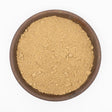
Milk Thistle Powder (St Marys Thistle)
Traditionally used to support liver health and healthy digestion.
St Mary's thistle powder (Silybum marianum), also known as milk thistle powder, is one of the most widely used herbs for liver support worldwide. This finely ground seed powder contains silymarin, a group of flavonolignans that have been the subject of extensive research. Traditionally used for over 2,000 years to support liver health and aid digestion, milk thistle powder is easy to add to smoothies, yoghurt, or food.
Key Benefits
- Liver support: Traditionally used to support healthy liver function and protect liver cells. The most well-known milk thistle benefit, backed by a long history of traditional use.
- Digestive comfort: Traditionally used as a bitter tonic to support healthy digestion and ease occasional stomach discomfort.
- Contains silymarin: The seed contains the silymarin complex, a group of flavonolignans including silybin, which has been extensively studied for its antioxidant properties.
- Versatile powder format: Mixes easily into smoothies, yoghurt, juice, or can be stirred into food. More convenient than brewing whole seeds.
- Gentle daily support: Well-tolerated by most people and traditionally used as a gentle, ongoing liver tonic.
In smoothies or food: Add 1 to 2 teaspoons of milk thistle powder to a smoothie, yoghurt, or sprinkle over cereal. The mild, slightly nutty flavour blends in easily. Best taken with food for improved absorption.
As a tea: Stir 1 teaspoon into a cup of hot water and let it settle. The powder does not fully dissolve, so stir before drinking. A decoction (simmering for 15 to 20 minutes) extracts more of the active compounds made from the whole milk thistle seeds is the traditional stronger brew.
Blending: Pairs well with Dandelion Root for a traditional liver support combination. Also complements Turmeric Powder in a morning smoothie, or try with Peppermint for digestive comfort.
The name "St Mary's thistle" comes from a legend that the distinctive white veins on the plant's leaves were caused by drops of the Virgin Mary's milk falling onto them. This is also the origin of its other common name, milk thistle.
Milk thistle is one of the few herbs also used in veterinary medicine. It is commonly recommended by veterinarians to support liver function in dogs and cats, making it safe to have around pets.
Those with allergies to plants in the daisy family (Asteraceae) should use with caution. This information is not a substitute for medical advice. Consult a healthcare provider before use, especially if pregnant, breastfeeding, or taking medication.
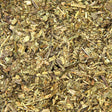
Plantain
A versatile medicinal leaf traditionally used to support respiratory and skin health.
Plantain leaf (Plantago lanceolata), also known as ribwort plantain, is a certified organic herb traditionally used to support respiratory health and soothe irritated skin. Not to be confused with the banana-like cooking plantain, this is the humble medicinal herb that grows in lawns and meadows worldwide. Plantain leaf has been valued in traditional herbalism for centuries as a versatile, gentle remedy.
Key Benefits
- Respiratory support: Traditionally used to support healthy respiratory function and soothe irritated airways. A key plantain leaf benefit.
- Skin support: Traditionally used as a poultice or wash to soothe minor skin irritations, insect bites and stings.
- Digestive comfort: Contains mucilage that may help soothe the digestive tract, similar to other demulcent herbs.
- Rich in bioactive compounds: Plantain herb contains aucubin, allantoin and mucilage, compounds that contribute to its traditional uses.
- Versatile preparation: Suitable as a tea, in tincture making, as a poultice, or added to salves and skin care preparations.
Plantain tea: Add 1 to 2 teaspoons of dried plantain leaf to a cup of boiling water. Steep for 10 to 15 minutes, covered. Strain and drink up to 3 cups daily. The tea has a mild, slightly grassy flavour.
Skin poultice: Soak dried plantain leaf in warm water until softened, then apply directly to minor skin irritations. Alternatively, brew a strong tea and use as a wash or compress.
Blending: For respiratory support, combine with Mullein and Marshmallow Root. For a soothing digestive tea, blend with Chamomile.
Plantain is one of the most common "weeds" found in Australian backyards, yet it has been used medicinally for thousands of years. In folk herbalism, it was considered one of the most important wound herbs and was known as "the mother of herbs" in Anglo-Saxon tradition.
Plantain leaf is generally considered safe for dogs and cats. It has traditionally been used in animal herbalism for minor skin irritations and digestive support.
Generally well tolerated. May cause allergic reactions in people sensitive to Plantaginaceae plants. This information is not a substitute for medical advice. Consult a healthcare provider before use, especially if pregnant, breastfeeding, or taking medication.
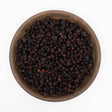
Schisandra
The legendary 'five flavour berry' of Traditional Chinese Medicine, traditionally used as an adaptogen.
Schisandra berries (Schisandra chinensis), known as Wu Wei Zi or "five flavour berry" in Traditional Chinese Medicine, are one of the most remarkable herbs you will taste. Each berry contains all five fundamental flavours: sour, sweet, bitter, pungent, and salty. Classified as a "superior" herb in TCM for over 2,000 years, schisandra is traditionally used as an adaptogen to help the body cope with stress and support overall vitality.
Key Benefits
- Five flavours in one berry: A truly unique tasting experience. The sour skin, sweet flesh, bitter and pungent seeds, and salty overall character correspond to the five organ systems in TCM.
- Adaptogenic tradition: Traditionally used to help the body adapt to physical and mental stress, supporting energy and endurance without overstimulation.
- Liver support: Traditionally valued in Chinese herbal medicine for supporting healthy liver function. Schisandra lignans have been the subject of extensive modern research.
- Cognitive support: Traditionally used to support mental clarity, focus, and memory. Nanai hunters in Siberia relied on schisandra for endurance during long expeditions.
- Rich in lignans: Contains schisandrin, gomisin A, and other bioactive lignans unique to the Schisandra genus.
Schisandra tea (decoction): Add 1 tablespoon of dried schisandra berries to 500 ml of water. Bring to a gentle boil, then simmer on low heat with a lid for 15 to 20 minutes. Strain and serve. The resulting tea is tart and ruby-coloured, similar to cranberry.
Blending ideas: The tartness pairs well with Ginger Root for warmth, or with Licorice Root to soften the flavour and add natural sweetness. For a traditional adaptogenic blend, combine with Ashwagandha.
Tip: Lightly crack a few berries before brewing to help release the compounds locked in the seeds. Sweeten with honey if the tart-bitter profile is too strong at first.
In Korea, schisandra is the base for Omija-cha, a popular chilled fruit tea served in summer and traditionally garnished with pine nuts. The berry was first recorded in the Shennong Bencaojing over 2,000 years ago, where it was said to "prolong the years of life without aging."
Schisandra is not classified as toxic to dogs or cats, though limited data exists. As with any herb, keep out of reach of pets and consult a veterinarian before giving to animals.
May interact with medications processed by the liver (CYP450 substrates). Not recommended during pregnancy. This information is not a substitute for medical advice. Consult a healthcare provider before use, especially if pregnant, breastfeeding, or taking medication.
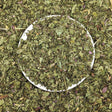
Dried Echinacea
Certified organic dried echinacea aerials, traditionally used to support immune function during cold and flu season.
Dried echinacea (Echinacea purpurea) is one of the most widely used herbs for traditional immune support. These are the certified organic aerial parts, the leaves, stems and flowers, dried whole and ready to brew as a tea or use in your own herbal preparations. The aerials carry the signature mild tingle on the tongue from naturally occurring alkamides, a hallmark of well-dried echinacea herb.
Key Benefits
- Immune support: Traditionally used to support healthy immune function and the body's natural defences, particularly during the colder months.
- Rich in chicoric acid: The aerial parts of Echinacea purpurea are particularly high in chicoric acid and other caffeic acid derivatives, alongside alkamides and polysaccharides.
- Versatile preparation: Steep as a tea, blend with other herbs for an immune infusion, or use as a base for home tincture making.
- Certified organic: Grown without synthetic pesticides or fertilisers.
- Authentic species: Echinacea purpurea is the most studied and most widely traded echinacea, with a long history of use in Western herbalism.
Tea: Add 1 to 2 teaspoons of dried echinacea aerials to a cup of boiling water. Steep covered for 10 to 15 minutes, strain and drink. Up to 3 cups daily during cold and flu season.
Stronger preparation: Combine the aerials with Echinacea Root for a more potent infusion. The root contains higher concentrations of alkamides, while the aerials contribute chicoric acid.
Immune blend: Combine with Elderberries and Elderflower for a traditional cold and flu season blend. Add honey and lemon to taste.
Tincture: Pack a jar one-third full with the dried aerials, cover with vodka (40% alcohol), seal, and steep in a dark place for 4 to 6 weeks, shaking daily. Strain and store the liquid in a dropper bottle.
Echinacea is native to the prairies of North America, where it was one of the most widely used medicinal plants among First Nations peoples long before it entered Western herbalism. The name comes from the Greek echinos, meaning hedgehog, a reference to the spiky central cone of the flower.
Aerials versus root: the aerial parts are higher in chicoric acid and polysaccharides, while the root carries more alkamides. Many traditional preparations combine both for a fuller compound profile. If you've previously bought our Australian-grown echinacea tea, this imported organic aerials product is the same plant species, prepared the same way.
Not recommended for people with autoimmune conditions or progressive systemic diseases. Avoid if allergic to plants in the daisy family (Asteraceae). This information is not a substitute for medical advice. Consult a healthcare provider before use, especially if pregnant, breastfeeding, or taking medication.
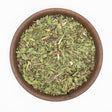
Dandelion Leaf
A gentle herb traditionally used to support healthy digestion and kidney function.
Dandelion leaf tea (Taraxacum officinale) is a certified organic herb traditionally used to support healthy digestion and kidney function. The dried leaves produce a mild, slightly bitter infusion that has been enjoyed as a nourishing herbal tea for centuries. Rich in vitamins and minerals, dandelion leaf is one of the most widely used herbs in traditional Western herbalism.
Key Benefits
- Kidney and fluid support: Traditionally used as a gentle herb to support healthy kidney function and normal fluid balance. A key dandelion leaf benefit.
- Digestive support: Traditionally used as a mild bitter tonic to support healthy appetite and digestion.
- Nutritious herb: Dandelion leaves are naturally rich in potassium, iron, calcium and vitamins A, C and K.
- Mild flavour: Produces a pleasant, slightly bitter tea that is easy to drink daily. Blends well with other herbs.
- Versatile use: Enjoy as a tea, add to soups and salads, or use in tincture making. A practical kitchen and medicine cabinet herb.
Dandelion leaf tea: Add 1 to 2 teaspoons of dried dandelion leaf to a cup of boiling water. Steep for 10 to 15 minutes, covered. Strain and drink up to 3 cups daily.
In cooking: Add rehydrated dandelion leaves to soups, stews and stir-fries for a nutritious boost. Works well in green smoothies too.
Blending: For a gentle digestive blend, combine with Peppermint and Ginger Root. Pair with Nettle Leaf for a nutrient-rich daily tonic.
The name "dandelion" comes from the French "dent de lion" (lion's tooth), referring to the jagged shape of the leaves. Every part of the dandelion plant is usable: leaves for tea and salad, roots for decoctions and roasted coffee substitutes, and flowers for wine and fritters.
Dandelion leaf is generally considered safe for dogs and cats. It is sometimes used in animal herbalism to support healthy fluid balance and digestion.
Avoid if allergic to plants in the daisy (Asteraceae) family. May interact with diuretic or blood sugar-lowering medications. This information is not a substitute for medical advice. Consult a healthcare provider before use, especially if pregnant, breastfeeding, or taking medication.
Reishi Mushroom Powder
A traditional adaptogenic mushroom used to support immune function and overall vitality.
Reishi mushroom powder (Ganoderma lucidum) is one of the most revered medicinal mushrooms in traditional herbalism, with a history of use spanning over 2,000 years. This certified organic reishi mushroom powder is made from the fruiting body and is traditionally used to support healthy immune function and overall vitality. Known as the "mushroom of immortality" in traditional practice, reishi benefits include immune support, resilience to everyday stress, and a sense of calm balance.
Key Benefits
- Immune support: Traditionally used to support healthy immune system function. Reishi mushroom benefits include the presence of beta-glucans and triterpenes, compounds valued for their role in immune health.
- Adaptogenic properties: Traditionally used to help the body adapt to everyday stress and support overall resilience. One of the most well-regarded reishi benefits.
- Calm and balance: Traditionally used to promote a sense of calm and support restful sleep, unlike stimulating mushroom varieties.
- Certified organic: Pure reishi mushroom powder from the fruiting body, with no fillers, grains, or mycelium additives.
- Easy to use: Fine powder format mixes into coffee, tea, smoothies, soups, and broths. Also suitable for capsule filling.
Reishi tea: Stir 1/2 to 1 teaspoon of reishi mushroom powder into a cup of hot water or broth. Simmer gently for 10 to 15 minutes for a fuller extraction. The flavour is earthy and slightly bitter, pairing well with honey, cacao, or chai spices.
Blending: For a comprehensive mushroom blend, combine with Lions Mane for cognitive support or Cordyceps for energy. Add to coffee or hot chocolate for a daily functional mushroom boost. Also pairs well with Astragalus for immune support.
Reishi has been called "lingzhi" in traditional practice for over 2,000 years, meaning "spiritual potency." It was so highly prized that it was reserved for royalty and depicted in ancient artwork as a symbol of longevity and good fortune.
Reishi mushroom is generally considered non-toxic to dogs, and some pet supplements contain reishi. However, it is best to consult a veterinarian before giving medicinal mushrooms to pets.
May interact with blood-thinning and blood pressure medications. Not recommended during pregnancy or breastfeeding. This information is not a substitute for medical advice. Consult a healthcare provider before use, especially if pregnant, breastfeeding, or taking medication.
Lime Flower / Linden Flower
A honey-sweet, calming herbal tea traditionally used for relaxation and restful sleep.
Linden flower (Tilia sp.), also known as lime flower or lime blossom, produces one of the most beautiful and soothing herbal teas you can brew. This certified organic linden flower tea has a naturally honey-sweet, floral aroma and a gentle, calming flavour. Traditionally used across the world to promote relaxation and support restful sleep, it is a wonderful evening tea and a staple of the herbal cupboard.
Key Benefits
- Calming and relaxing: Traditionally used to help ease mild nervous tension and promote a sense of calm. One of the most popular relaxation herbs in the herbal tradition.
- Sleep support: Traditionally used as a bedtime tea to support restful, undisturbed sleep. The honey-sweet flavour makes it easy to drink without sweetener.
- Naturally honey-sweet: Linden flower has a distinctive honey-like sweetness and floral aroma, making it one of the most pleasant-tasting herbal teas available.
- Certified organic: Grown without synthetic pesticides or fertilisers, providing a clean, whole-herb tea for daily enjoyment.
- Gentle and mild: Suitable for regular use as part of an evening wind-down routine. Gentle enough to enjoy daily.
Linden tea: Add 1 to 2 teaspoons of dried linden flower to a cup of boiling water. Cover and steep for 10 to 15 minutes (covering helps retain the aromatic oils). Strain and enjoy. Drink 1 to 3 cups daily, especially in the evening.
Blending: Beautiful paired with Chamomile for a classic bedtime blend, or with Passionflower for deeper relaxation. Also combines well with Hawthorn Leaf and Flower for a traditional cardiovascular-support tea.
Linden trees are deeply significant in mythology and folklore. In Norse tradition, the linden was sacred to the goddess of love, Freya. In the famous Nibelungenlied, the hero Siegfried became invulnerable after bathing in dragon's blood, except for a spot on his back where a linden leaf had fallen.
Despite the common name "lime flower," this herb has no relation to citrus limes. The name comes from the Old English word "linde." Linden trees can live for over 1,000 years and are important honey trees for bees.
Not recommended for long-term daily use without breaks. May interact with lithium medications. This information is not a substitute for medical advice. Consult a healthcare provider before use, especially if pregnant, breastfeeding, or taking medication.
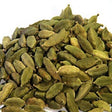
Cardamom
Botanical Name: Elettaria cardamomum
All information provided on this website is for informational purposes only. Please seek professional advice before commencing any treatment.
Spearmint Tea
A refreshing herbal tea traditionally used to support digestion and hormonal balance.
Spearmint tea (Mentha viridis) is a certified organic herbal tea with a naturally sweet, refreshing flavour that makes it one of the most enjoyable everyday teas. Unlike peppermint, spearmint has a gentler, sweeter flavour with less menthol, making it a popular choice for those who find peppermint too strong. Spearmint tea has a long tradition of use for digestive comfort and has recently gained attention for its potential role in supporting hormonal balance.
Key Benefits
- Digestive comfort: Traditionally used to ease occasional digestive discomfort, bloating and nausea. One of the most well-known spearmint tea benefits.
- Hormonal support: Has attracted recent research interest for its potential role in supporting healthy hormonal balance, particularly in women.
- Refreshing flavour: Naturally sweet and cooling with less menthol than peppermint. Delicious hot or iced.
- Culinary versatility: Use in cooking, cocktails, mocktails, desserts, salads and as a garnish. A true kitchen and tea cabinet essential.
- Caffeine free: A naturally caffeine-free tea suitable for drinking any time of day, including evenings.
Spearmint tea: Add 1 to 2 teaspoons of dried spearmint leaves to a cup of boiling water. Steep for 5 to 10 minutes, covered. Strain and drink. Enjoy hot or pour over ice for a refreshing cold brew.
In the kitchen: Add to salads, fruit platters, desserts, smoothies, or muddle into cocktails and mocktails. Makes a lovely addition to homemade lemonade.
Blending: Combine with Chamomile for a soothing evening blend, or with Lemon Balm for a refreshing digestive tea. Pairs beautifully with Lavender for a calming floral mint tea.
Spearmint gets its name from its distinctive pointed ("spear-shaped") leaves. It is one of the oldest cultivated herbs, with records of its use going back to ancient Rome, where it was used to flavour sauces and wines.
Spearmint is generally considered safe for dogs and cats in small amounts, though large quantities of any mint may cause digestive upset. It is commonly used in pet-safe garden plantings.
Generally well tolerated. May worsen gastro-oesophageal reflux in some individuals. This information is not a substitute for medical advice. Consult a healthcare provider before use, especially if pregnant, breastfeeding, or taking medication.
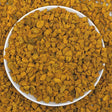
Turmeric Pieces
Whole organic dried turmeric root pieces for cooking, tea, and golden milk.
These certified organic dried turmeric pieces are whole slices of Curcuma longa root, offering a more intense flavour and aroma than pre-ground powder. Dried turmeric is one of the most widely used spices in the world, valued for its warm, earthy flavour and vibrant golden colour. These pieces are perfect for simmering into golden milk, adding to soups and curries, or brewing as a warming turmeric tea. The turmeric benefits have been recognised in Ayurvedic and traditional herbal practice for over 4,000 years.
Key Benefits
- Whole root advantage: Dried turmeric pieces retain more of their essential oils compared to pre-ground powder, delivering a fuller flavour and aroma in cooking and tea.
- Rich in curcumin: Contains curcuminoids, the yellow pigments responsible for turmeric's characteristic colour. Pair with black pepper to enhance absorption.
- Versatile in the kitchen: Use in curries, soups, broths, golden milk, smoothies, and home brewing. The pieces can be simmered whole or ground fresh as needed.
- Traditional wellness herb: Traditionally used to support joint comfort and healthy digestion. One of the most researched herbs in modern science.
- Certified organic: Grown without synthetic pesticides or fertilisers, suitable for both culinary and herbal use.
Golden milk: Simmer 2 to 3 pieces of dried turmeric in 1 cup of milk (dairy or plant-based) with a pinch of Black Pepper and a small piece of Ginger Root for 10 to 15 minutes. Strain, sweeten with honey, and enjoy warm. The pepper significantly improves curcumin absorption.
Turmeric tea (decoction): Add 3 to 4 pieces of dried turmeric to 2 cups of water. Bring to a gentle boil and simmer for 15 to 20 minutes. Strain and add honey and lemon to taste. Also works well with Cinnamon Sticks for extra warmth.
Cooking: Drop pieces directly into curries, soups, and broths while cooking and remove before serving (like a bay leaf). Or grind in a spice grinder for fresh turmeric powder with maximum aroma.
Turmeric has been used as both a spice and a dye for over 4,000 years. The vibrant yellow pigment was traditionally used to dye Buddhist monks' robes and remains an important ceremonial ingredient in Hindu wedding traditions (the haldi ceremony).
Be aware that turmeric stains everything it touches. Use a dedicated chopping board and utensils, and wipe spills promptly. The staining is a sign of genuine, high-quality turmeric with a strong curcumin content.
May interact with blood-thinning and diabetes medications. Avoid high doses if you have gallbladder problems. This information is not a substitute for medical advice. Consult a healthcare provider before use, especially if pregnant, breastfeeding, or taking medication.
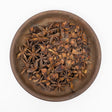
Organic Star Anise
Certified organic whole star anise for Chinese five-spice, pho, mulled wine, and aromatic cooking.
Star anise (Illicium verum) is a beautiful, star-shaped spice with a warm, sweet, liquorice-like flavour that is essential to Asian cooking and mulled drinks. These certified organic star anise pods (also called anise spice) are visually stunning and intensely aromatic, adding depth and warmth to pho, Chinese braised dishes, biryani, and mulled wine. This star anise spice is a key ingredient in Chinese five-spice powder and is traditionally used as a warming digestive spice.
Key Benefits
- Essential Asian spice: A foundation ingredient in Chinese five-spice powder (with cinnamon, cloves, Sichuan pepper, and fennel). Essential in Vietnamese pho broth, Chinese red-braised meats, and Indian biryani.
- Beautiful whole stars: Each pod is a natural eight-pointed star, making star anise as visually striking as it is flavourful. Perfect for decorating mulled drinks, cocktails, and desserts.
- Warm, sweet liquorice flavour: The flavour comes from anethole, the same compound found in anise seed and fennel, but with a deeper, more complex character unique to star anise.
- Warming digestive spice: Traditionally used in Chinese and Ayurvedic herbal traditions to support digestive comfort and ease bloating after meals.
- Certified organic: Grown without synthetic pesticides or fertilisers.
Cooking: Add 1 to 2 whole stars to soups, braised meats, curries, or rice while cooking. Remove before serving (or leave in for presentation). Essential in pho broth alongside Cinnamon Sticks and Cloves.
Five-spice powder: Grind star anise with equal parts Cinnamon, cloves, Sichuan pepper, and Fennel Seed for homemade Chinese five-spice powder.
Mulled wine: Add 2 to 3 whole stars to mulled wine or cider alongside cinnamon, cloves, and orange peel. Also beautiful floated in cocktails and hot chocolate.
Despite having a similar flavour, star anise and anise seed are completely unrelated plants from different botanical families. Star anise is from the magnolia family, while anise seed is from the carrot family. They share the flavour compound anethole, which evolved independently in both plants.
Star anise is the primary industrial source of shikimic acid, a precursor used in the manufacture of oseltamivir (Tamiflu). This led to global shortages of star anise during flu outbreaks. Culinary star anise (I. verum) must not be confused with Japanese star anise (I. anisatum), which is toxic.
Safe as a culinary spice at normal cooking quantities. Ensure you are using culinary star anise (Illicium verum), not Japanese star anise (I. anisatum) which is toxic. This information is not a substitute for medical advice.
Californian Poppy
Certified organic Californian poppy for natural sleep support, calming tea, and nervous tension relief.
Californian poppy tea (Eschscholzia californica) is a gentle, non-addictive herb traditionally used to support restful sleep and ease nervous tension. This certified organic californian poppy is not related to the opium poppy and contains no opiates whatsoever. Instead, it contains its own unique group of mild sedative alkaloids that support relaxation without the risks associated with stronger sleep herbs. California poppy tea has a mild, slightly grassy flavour.
Key Benefits
- Natural sleep support: Traditionally used in herbal medicine to promote restful sleep and help with occasional sleeplessness. A gentle option that is non-addictive and non-habit-forming.
- Calming and relaxing: Traditionally used to ease nervous tension, restlessness, and mild anxiety. Suitable for use during the day in smaller amounts without causing heavy drowsiness.
- Not an opiate: Despite being a member of the poppy family, Californian poppy contains zero opiates. Its gentle calming effects come from isoquinoline alkaloids (californidine, eschscholtzine) that work through entirely different pathways.
- Child-friendly tradition: Historically considered gentle enough for children (with appropriate dosage guidance from a practitioner). One of the milder sedative herbs available.
- Certified organic: Grown without synthetic pesticides or fertilisers.
Sleep tea: Add 1 to 2 teaspoons of dried Californian poppy to a cup of freshly boiled water. Cover and steep for 10 to 15 minutes. Strain and drink 30 to 60 minutes before bed. For a stronger sleep blend, combine with Passionflower and Valerian Root.
Daytime calming tea: Use a lighter infusion (1 teaspoon per cup, steeped 5 to 10 minutes) for daytime nervous tension without heavy sedation. Blends well with Chamomile and Lemon Balm.
The Californian poppy is the state flower of California and was named after Johann Friedrich von Eschscholtz, a surgeon and naturalist on a Russian expedition who first collected it in 1815. Spanish colonists called it "copa de oro" (cup of gold) for its brilliant orange blooms.
California poppy is not the same as opium poppy (Papaver somniferum). It belongs to a different genus entirely and produces completely different compounds. It is legal, non-addictive, and safe for general use.
May enhance the effects of sedative medications. Not recommended during pregnancy or breastfeeding. This information is not a substitute for medical advice. Consult a healthcare provider before use, especially if pregnant, breastfeeding, or taking medication.
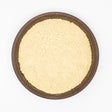
Kakadu Plum Powder
The world's richest natural source of vitamin C, wildcrafted from native Australian trees.
Kakadu plum powder (Terminalia ferdinandiana), also known as gubinge or billygoat plum, is made from the fruit with the highest recorded natural vitamin C content of any plant in the world. Just one gram of this wildcrafted powder can provide your recommended daily intake of vitamin C. Aboriginal Australians have valued this fruit for over 40,000 years as a source of nutrition, and modern research has confirmed its exceptional antioxidant profile, with polyphenol levels six times higher than blueberries.
Key Benefits
- Exceptionally high in vitamin C: Contains 2,300 to 5,300 mg of vitamin C per 100g of fresh fruit. The highest natural concentration of any known plant.
- Powerful antioxidant profile: Rich in ellagic acid, gallic acid, and polyphenols, with 13.3 times the antioxidant activity of blueberries.
- Vitamin C supports immune function: Vitamin C contributes to normal immune system function and the protection of cells from oxidative stress.
- Supports collagen formation: Vitamin C contributes to normal collagen formation for the normal function of skin, teeth, and gums.
- Wildcrafted: Harvested from wild trees by Aboriginal communities, supporting Indigenous food sovereignty and traditional land management.
Daily use: Stir half to one teaspoon into smoothies, yoghurt, juice, or warm (not boiling) water. Vitamin C degrades with heat, so add to food after cooking or to drinks below boiling temperature.
In food: Fold into acai bowls, muesli, or porridge after cooking. Add to salad dressings, chutneys, or raw desserts. The flavour is tart and tangy, similar to gooseberry, with a light citrus finish.
Native pairings: Combine with Davidson Plum Powder for a tart, antioxidant-rich blend. Pairs well with Lemon Myrtle for a citrus-forward smoothie, and with Finger Lime Powder for a native vitamin C powerhouse.
Kakadu plum has over a dozen names across different Aboriginal language groups, including gubinge (Bardi), anmarlak (Kundjeyhmi), and manmorlak (Kunwinjku). Archaeological evidence of grinding stones suggests Aboriginal peoples have used the fruit for at least 40,000 years.
Research has shown that kakadu plum powder can outperform synthetic preservatives in delaying lipid oxidation in meat, making it a genuinely functional food ingredient with applications beyond nutrition.
High in oxalates. Not suitable for those prone to kidney stones. High doses of vitamin C may cause digestive discomfort. This information is not a substitute for medical advice. Consult a healthcare provider before use, especially if pregnant, breastfeeding, or taking medication.

Maca Powder
Certified organic maca root powder for energy, vitality, and a nutty, malty boost in smoothies.
Maca powder (Lepidium meyenii) is a nutritious Andean root vegetable that has been cultivated at over 4,000 metres altitude in Peru for thousands of years. This certified organic maca powder has a pleasant, nutty, malty flavour with hints of butterscotch, making it one of the most enjoyable herbal powders to add to smoothies, porridge, and baking. Maca is traditionally used as an adaptogenic tonic to support energy, stamina, and overall vitality.
Key Benefits
- Energy and vitality: Traditionally used in Peruvian herbal tradition to support energy levels, physical stamina, and overall vitality. Valued by Andean communities for centuries as a nourishing food and tonic.
- Adaptogenic support: Traditionally used to help the body adapt to physical and mental stress, supporting resilience and endurance during demanding periods.
- Delicious flavour: Unlike many herbal powders, maca has a naturally pleasant, nutty, malty taste with caramel notes. It genuinely improves the flavour of smoothies and shakes.
- Nutrient-rich: Contains a broad spectrum of amino acids, vitamins (B1, B2, C, E), minerals (iron, calcium, copper, zinc), and unique compounds called macamides and macaenes.
- Certified organic: Grown without synthetic pesticides or fertilisers.
Smoothie: Blend 1 to 2 teaspoons of maca powder into a fruit smoothie with banana, cacao, and nut milk for a delicious, energising breakfast drink. The malty flavour pairs especially well with chocolate and banana.
Porridge and baking: Stir into oats, pancake batter, energy balls, or raw treats. The nutty, caramel-like flavour works well in sweet recipes.
Hot maca drink: Stir 1 teaspoon into warm milk (dairy or plant-based) with a pinch of Cinnamon and honey for a warming, nourishing drink. Add Turmeric for a golden maca latte.
Maca grows at extreme altitudes of 4,000 to 4,500 metres in the Peruvian Andes, where few other crops can survive. It thrives in harsh conditions of intense UV radiation, freezing temperatures, and strong winds. Peruvian farmers have cultivated maca for at least 2,000 years, and it was reportedly given to Incan warriors before battle.
Maca is caffeine-free. Its energising effect comes from its nutrient density and adaptogenic compounds, not from stimulants. Non-toxic to dogs and cats in small amounts.
People with hormone-sensitive conditions should consult a healthcare provider before use. Not recommended during pregnancy in large medicinal doses. This information is not a substitute for medical advice. Consult a healthcare provider before use, especially if taking medication.
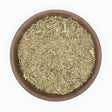
Horsetail
A silica-rich herb traditionally used to support healthy hair, skin, and nails.
Horsetail tea (Equisetum arvense) is one of nature's richest plant sources of silica, a mineral essential for healthy connective tissue. This certified organic horsetail herb has been traditionally used for centuries to support hair, skin, nail, and bone health. The horsetail tea benefits are well known among herbalists, and the dried leaf makes a mild, earthy infusion that is easy to include in a daily routine. Whether you are looking for a natural source of silica or traditional urinary support, horsetail is a versatile addition to the herbal cupboard.
Key Benefits
- Natural silica source: One of the richest plant sources of bioavailable silica, traditionally used to support strong hair, nails, and healthy skin. The horsetail benefits for beauty and wellness are well documented in traditional herbal medicine.
- Bone and joint support: Traditionally used to support healthy bone density and connective tissue. Silica plays a role in collagen formation.
- Urinary support: Traditionally used as a mild diuretic to support healthy urinary function and fluid balance.
- Certified organic: Dried horsetail leaf grown without synthetic pesticides or fertilisers.
- Rich in minerals: Contains silica, potassium, manganese, and flavonoids including quercetin and kaempferol.
Horsetail tea: Add 1 to 2 teaspoons of dried horsetail to a cup of boiling water. Cover and steep for 10 to 15 minutes. Strain and drink up to 2 cups daily. A longer steep helps extract more silica from the tough plant material.
Blending: For a hair and nail support blend, combine with Nettle Leaf, another mineral-rich herb. For a soothing urinary blend, try pairing with Marshmallow Root. Also pairs well with Peppermint to brighten the earthy flavour.
Hair rinse: Brew a strong infusion (2 tablespoons per cup), cool, and use as a final hair rinse after shampooing for added shine and strength.
Horsetail is a true living fossil. Its ancestors grew as tall as trees during the Carboniferous period, over 300 million years ago. The modern plant is a direct descendant of those ancient giants, making Equisetum one of the oldest plant genera on Earth.
Horsetail is not recommended for dogs or cats, as the plant contains thiaminase, an enzyme that can break down thiamine (vitamin B1) with prolonged exposure. Keep dried horsetail stored safely away from pets.
Not suitable for those with kidney disorders or taking diuretic medications. Not recommended for long-term continuous use without professional guidance. This information is not a substitute for medical advice. Consult a healthcare provider before use, especially if pregnant, breastfeeding, or taking medication.

Cayenne Pepper
A versatile organic spice traditionally used to support circulation and add heat to cooking.
Cayenne pepper powder (Capsicum spp.) is a certified organic ground spice prized for its fiery heat and warm, pungent flavour. Cayenne pepper powder is a kitchen staple used across cuisines worldwide, but it also has a long history of use in traditional herbalism for circulatory support and digestive stimulation.
Key Benefits
- Culinary essential: Adds heat and depth to curries, stews, stir-fries, sauces, marinades and spice rubs. A little goes a long way.
- Circulation support: Traditionally used to support healthy blood flow and warmth to the extremities. One of the most valued cayenne pepper benefits.
- Digestive stimulant: Traditionally used to stimulate digestive secretions and ease occasional wind and bloating.
- Warming spice: Valued in traditional herbalism as a warming remedy during the cold months, often combined with ginger and honey.
- Topical applications: Capsicum-based preparations have a long folk tradition of use as a warming rub for sore muscles and joints.
In cooking: Add a pinch (1/8 to 1/4 teaspoon) to soups, curries, stir-fries, chilli, egg dishes or roasted vegetables. Adjust to taste as heat levels vary.
Warming tonic: Stir a small pinch into warm water with lemon and honey, or add to hot chocolate for a spicy kick. Pairs well with Ginger Root and Turmeric Powder for a warming winter blend.
Spice blends: Combine with Sweet Paprika, garlic and cumin to create custom spice rubs for meat, poultry or roasted vegetables.
The heat in cayenne comes from capsaicin, a compound concentrated in the seeds and membranes of the fruit. Cayenne typically rates between 30,000 and 50,000 Scoville Heat Units, making it moderately hot compared to milder paprika or hotter habanero peppers.
Cayenne is named after the city of Cayenne in French Guiana. It has been used as both a food and a remedy for thousands of years across the Americas, long before its introduction to the rest of the world.
May irritate mucous membranes. Avoid contact with eyes and broken skin. This information is not a substitute for medical advice. Consult a healthcare provider before use, especially if pregnant, breastfeeding, or taking medication.
Oregano Leaf
A bold, aromatic culinary herb traditionally valued for digestive comfort and respiratory support.
Dried oregano (Origanum vulgare) is a certified organic culinary and medicinal herb with a bold, warm, pungent flavour that has made it a kitchen essential across Mediterranean, Mexican, and Middle Eastern cuisines. The name comes from the Greek for "joy of the mountains," and this versatile herb has been valued since ancient times for both its culinary depth and its traditional use in supporting healthy digestion. Rich in carvacrol and rosmarinic acid, oregano leaf is far more than just a pizza topping.
Key Benefits
- Culinary essential: A bold, aromatic herb that brings warmth and depth to pasta sauces, pizza, grilled meats, roasted vegetables, soups, and marinades. A staple of Mediterranean cooking.
- Digestive comfort: Traditionally used in herbal medicine to support healthy digestion and ease occasional bloating and stomach discomfort.
- Respiratory tradition: Traditionally used in European herbalism as a warming herb during the cooler months, valued for respiratory comfort.
- Certified organic: Grown without synthetic pesticides or fertilisers.
- Nutrient dense: Dried oregano is naturally high in iron, calcium, vitamin K, and manganese per gram, though typical serving sizes are small.
Cooking: Add 1 to 2 teaspoons to pasta sauces, pizza bases, soups, stews, and marinades. Works best when added early in cooking to allow the flavour to develop. Crush between your fingers before adding to release the aromatic oils. Pairs beautifully with Rosemary and Thyme in classic herb blends.
Oregano tea: Steep 1 tablespoon of dried oregano leaf in a cup of hot water (just off the boil) for 3 to 5 minutes. Strain and add honey or lemon to taste. A warming, aromatic infusion traditionally enjoyed during the cooler months.
Infused oil: Fill a clean jar with dried oregano and cover with olive oil. Steep in a cool, dark place for 2 to 4 weeks, shaking occasionally. Strain and use as a flavoured cooking oil or bread dip. Also pairs well with Sage in poultry rubs and stuffing.
In ancient Greece, the goddess Aphrodite was said to have created oregano as a symbol of happiness. Greek and Roman couples wore crowns of oregano at their weddings as a blessing for joy and prosperity. The herb was also planted on graves to bring peace to the departed.
Oregano only became widely popular in Australian and American kitchens after World War II, when soldiers returned from Italy with a taste for the bold flavours of Mediterranean cooking. Before the 1940s, it was virtually unknown outside southern Europe.
Oregano essential oil is much more concentrated than dried leaf and should not be confused with this product. Oregano leaf is toxic to cats in all forms. Keep away from cats. This information is not a substitute for medical advice. Consult a healthcare provider before use, especially if pregnant, breastfeeding, or taking medication.
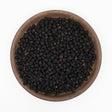
Tasmanian Native Pepper Berries
A bold native Australian spice with fruity, building heat and rich antioxidant content.
Pepper berries (Tasmannia lanceolata), also known as mountain pepper or pepperberry, are one of Australia's most distinctive native spices. These whole dried berries deliver a complex, fruity heat that builds gradually, quite different from common black pepper. Rich in antioxidants and naturally high in anthocyanins, pepper berries have been used in Aboriginal Australian food culture for thousands of years as both a seasoning and a natural food preservative.
Key Benefits
- Bold, complex flavour: A warm, woody, fruity heat that builds gradually with camphor and floral notes. More flavourful and more potent than standard black pepper.
- Rich in antioxidants: Contains anthocyanins, quercetin, and other phenolic compounds. Research indicates an antioxidant capacity three to four times higher than blueberries.
- Versatile spice: Works with red meat, seafood, pasta, cheese, chocolate, sauces, and even cocktails. A true all-rounder in the kitchen.
- Natural food preservative: Traditionally used by Aboriginal Australians to help preserve food, thanks to the strong antimicrobial properties of polygodial.
- Nutrient-dense: Contains naturally occurring iron, calcium, magnesium, zinc, vitamin E, and lutein.
In a pepper grinder: Grind whole dried pepper berries fresh over steaks, lamb, roasted vegetables, or eggs. Start with about half the amount you would use of black pepper, as the heat is considerably stronger.
Rubs and marinades: Crush coarsely with sea salt, garlic, and olive oil for a bold native rub for red meat or kangaroo. Also excellent in cream sauces, chutneys, and slow-cooked dishes.
Native pairings: Combine with Lemon Myrtle for a classic Australian seafood seasoning. Pairs beautifully with Davidson Plum Powder in fruity native sauces, and with Finger Lime Powder for a citrus and pepper contrast. A pinch of ground pepperberry also works surprisingly well in dark chocolate truffles and brownies.
Tasmannia lanceolata belongs to the Winteraceae, one of the most ancient flowering plant families on Earth. The family's vesselless wood structure makes pepper berries a living link to some of the earliest flowering plants.
Pepperberry is now a sought-after botanical in craft gin distilling, with award-winning Australian and international gins featuring it as a key ingredient. It is also exported to Japan to flavour wasabi products.
Use sparingly, as the heat is stronger than black pepper. This information is not a substitute for medical advice. Consult a healthcare provider before use, especially if pregnant, breastfeeding, or taking medication.
Hawthorn Leaf & Flower
The leaf and flower preparation traditionally used in European herbalism for cardiovascular support.
Hawthorn leaf and flower (Crataegus monogyna) is one of the most respected herbs in European herbal tradition, with a long history of use as a cardiovascular tonic. This certified organic preparation contains both the leaf and flower, the specific plant parts used in the European Pharmacopoeia and backed by extensive clinical research. Rich in flavonoids and antioxidant compounds, hawthorn tea made from the leaf and flower produces a mild, slightly earthy infusion with gentle astringency and a faint hint of apple.
Key Benefits
- Heart tonic tradition: Traditionally used in Western herbal medicine to support cardiovascular health. Hawthorn leaf and flower is the preparation form recognised by the European Medicines Agency for this purpose.
- Rich in flavonoids: Contains vitexin, hyperoside, rutin, and quercetin, naturally occurring antioxidant compounds that support circulatory wellbeing.
- Pairs with hawthorn berry: The leaf and flower complement the berry, providing a broader spectrum of hawthorn's beneficial compounds when used together.
- Gentle nervous system support: Traditionally used to help ease occasional nervous tension and support a calm, settled feeling.
- Certified organic: Grown without synthetic pesticides or fertilisers, preserving the delicate flavonoid profile of the leaf and flower.
Hawthorn leaf tea: Add 1 to 2 teaspoons of dried hawthorn leaf and flower to a cup of freshly boiled water. Cover and steep for 10 to 15 minutes to fully extract the flavonoids. Strain and enjoy. Best taken consistently over several weeks as a long-term tonic.
Blending ideas: For a traditional cardiovascular support blend, combine with Lime Flower (Linden), one of the most well-established herbal pairings in European tradition. Also lovely with Hibiscus for a tart, vibrant cup, or with Hawthorn Berry for a whole-plant preparation.
Tip: Hawthorn is a slow-acting tonic. Herbalists traditionally recommend daily use over 4 to 8 weeks before expecting to notice benefits.
The hawthorn benefits most valued in folklore were protective. Known as the "May Tree" in British tradition, the hawthorn flower was central to Beltane (May Day) celebrations. In Celtic tradition, lone hawthorn trees were considered fairy dwellings, and cutting one was believed to bring misfortune. The Glastonbury Thorn, said to have sprouted from Joseph of Arimathea's staff, still blooms twice a year.
Hawthorn is classified as non-toxic to dogs, cats, and horses by the ASPCA, and is sometimes used in veterinary herbal supplements for heart support. Pets on heart medications should not be given hawthorn without veterinary guidance.
May interact with heart medications, blood pressure drugs, and blood thinners. Not recommended during pregnancy. This information is not a substitute for medical advice. Consult a healthcare provider before use, especially if pregnant, breastfeeding, or taking medication.
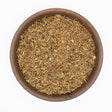
Brahmi
The Ayurvedic 'herb of wisdom,' traditionally used to support memory and cognitive function.
Brahmi tea (Bacopa monnieri) is one of the most revered herbs in Ayurvedic tradition, classified as a Medhya Rasayana, a rejuvenating herb specifically for the intellect. This certified organic brahmi leaf produces a mild, slightly bitter infusion that has been used for thousands of years to support memory, learning, and mental clarity. Known as the "herb of grace" in English, brahmi holds a unique place among just four herbs granted the highest cognitive classification in the ancient Charaka Samhita.
Key Benefits
- Cognitive tradition: Traditionally used in Ayurvedic medicine to support memory, concentration, and learning. One of only four herbs classified as Medhya Rasayana (intelligence-enhancing) in classical Ayurveda.
- Calming focus: Unlike stimulant-based approaches, brahmi is traditionally valued for supporting mental clarity while also promoting calm. It has a cooling, settling quality.
- Rich in bacosides: Contains bacosides A and B, the primary bioactive compounds unique to Bacopa monnieri, which have been the focus of extensive modern research.
- Stress support: Traditionally used as an adaptogen to help the body cope with the effects of occasional stress and mental fatigue.
- Certified organic: Grown without synthetic pesticides or fertilisers.
Brahmi tea: Add 1 to 2 teaspoons of dried brahmi to a cup of freshly boiled water. Steep for 5 to 10 minutes, then strain. The flavour is mild and slightly bitter. Honey can be added to taste.
Blending ideas: For a traditional memory support blend, combine with Gotu Kola, the other great Medhya Rasayana herb. Also pairs well with Tulsi (Holy Basil) for a calming Ayurvedic blend, or with Lemon Balm for a lighter, more refreshing cup.
Tip: Traditional Ayurvedic practice recommends consistent daily use over several weeks for best results, as brahmi benefits are considered cumulative.
The name "Brahmi" derives from Brahma, the Hindu creator deity, reflecting how highly this herb was regarded for intellectual development. Vedic scholars reportedly used brahmi to help memorise lengthy sacred texts. Note: "Brahmi" is sometimes also used for Gotu Kola (Centella asiatica), which is a completely different plant. Herb Cottage sells both as separate products.
Brahmi is not classified as toxic to dogs or cats. It is sometimes included in veterinary supplements for cognitive support in senior pets, though veterinary guidance should always be sought first.
May cause mild digestive discomfort on an empty stomach. May interact with thyroid and sedative medications. This information is not a substitute for medical advice. Consult a healthcare provider before use, especially if pregnant, breastfeeding, or taking medication.
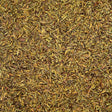
Thyme
A versatile kitchen herb for roasts, soups, stuffing, and herbal tea.
Dried thyme (Thymus vulgaris) is one of the most versatile herbs in the kitchen, prized for its warm, earthy flavour with subtle floral notes. This certified organic thyme is rich in thymol, the compound responsible for its distinctive aroma and long history of use in both cooking and European herbal tradition. Whether you are making a classic bouquet garni, seasoning a roast, or brewing a soothing cup of thyme tea, this is a true pantry essential.
Key Benefits
- Essential cooking herb: A foundation ingredient in roasts, soups, stews, stuffing, sauces, and herb blends like bouquet garni, herbes de Provence, and za'atar.
- Rich in thymol: The primary active compound in thyme, naturally occurring and responsible for its characteristic warm, herbaceous flavour.
- Respiratory tradition: Traditionally used in Western herbalism to help relieve coughs and support respiratory comfort. Recognised by the German Commission E for this purpose.
- Packed with minerals: Dried thyme is notably rich in iron, manganese, and calcium by weight, though typical serving sizes are small.
- Certified organic: Grown without synthetic pesticides or fertilisers, preserving the volatile oil content that gives thyme its flavour and aroma.
In cooking: Use 1 teaspoon of dried thyme per 4 serves. Add early in cooking to release the essential oils. Rub between your fingers before adding to help release the flavour. One teaspoon dried equals roughly one tablespoon fresh.
Herb blends: Combine with Rosemary and Sage for a classic poultry seasoning, or blend with Oregano for a Mediterranean herb mix. Thyme is the backbone of a traditional French bouquet garni.
Thyme tea: Steep 1 to 2 teaspoons in a covered cup of freshly boiled water for 5 to 10 minutes. Add honey and a squeeze of lemon for a warming winter cup.
The name "thyme" comes from the Greek "thymos," meaning either "courage" or "perfume." Ancient Greeks burned thyme as incense in their temples, and Roman soldiers bathed in thyme-infused water before battle. During the Black Death, thyme was carried in posies and burned indoors as a protective herb.
Thyme is generally considered safe around dogs and cats in normal culinary amounts. However, thyme essential oil (a much more concentrated form) should be kept away from pets, particularly cats.
Thyme is generally safe in culinary amounts. Large supplemental doses may slow blood clotting. This information is not a substitute for medical advice. Consult a healthcare provider before use, especially if pregnant, breastfeeding, or taking medication.
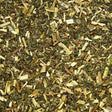
Meadowsweet
Certified organic meadowsweet for digestive comfort, joint support, and gentle stomach-soothing tea.
Meadowsweet tea (Filipendula ulmaria) is a gentle, aromatic herb with a sweet, honey-like scent and a long history in European herbal medicine. This certified organic meadowsweet is traditionally used to support digestive comfort and joint health, and is famously the plant that gave aspirin its name. Unlike aspirin, meadowsweet tea is traditionally considered gentle on the stomach, making it a popular choice for those seeking natural digestive and joint support.
Key Benefits
- Digestive comfort: Traditionally used in European herbal medicine to soothe the stomach and support comfortable digestion. Despite containing salicylates, meadowsweet is considered gentle on the digestive lining, unlike its pharmaceutical derivative.
- Joint support: Traditionally used to support joint comfort and ease occasional stiffness. Contains natural salicylates alongside protective mucilage and tannins.
- Pleasant flavour: One of the nicest-tasting medicinal herbs, with a sweet, floral, honey-almond aroma. Enjoyable on its own and a lovely addition to blends.
- The aspirin plant: Aspirin (acetylsalicylic acid) was named after this plant's former botanical name, Spiraea. The "a" from acetyl plus "spirin" from Spiraea gave us "aspirin."
- Certified organic: Grown without synthetic pesticides or fertilisers.
Tea infusion: Add 1 to 2 teaspoons of dried meadowsweet to a cup of freshly boiled water. Cover and steep for 10 to 15 minutes. Do not boil the herb directly, as excessive heat can damage the delicate salicylate compounds. Strain and drink up to 3 cups daily.
Digestive blend: Combine meadowsweet with Chamomile and Peppermint for a soothing after-meal tea.
Joint blend: Pair with Birch Leaf and Nettle Leaf for a traditional joint comfort tea. Add Ginger Root for warmth.
Meadowsweet was one of the three most sacred herbs of the Druids, alongside watermint and vervain. Queen Elizabeth I reportedly favoured meadowsweet as a strewing herb for her chambers, preferring its sweet scent above all other plants.
The original name "meadwort" suggests the plant was used to flavour mead (honey wine). Its sweet, honey-like aroma made it a popular addition to beverages long before the invention of aspirin.
Not suitable for people with aspirin sensitivity or salicylate allergy. Not recommended during pregnancy, breastfeeding, or for children under 12. May interact with blood-thinning medications. This information is not a substitute for medical advice. Consult a healthcare provider before use.

Lemon Verbena
A bright, citrus-scented herbal tea traditionally used for digestion and relaxation.
Lemon verbena tea (Aloysia triphylla) is prized for having the purest, most intensely lemon scent of any herb. These certified organic lemon verbena leaves produce a bright, clean citrus infusion that is a staple in French cafes, where it is served after meals as a soothing digestif. Equally at home in the kitchen and the teacup, lemon verbena has been valued for centuries for its digestive and calming properties.
Key Benefits
- Digestive support: Traditionally used to support healthy digestion and ease occasional bloating and stomach discomfort. A popular after-dinner tea in French and South American traditions.
- Calming and relaxation: Traditionally used to support relaxation and promote restful sleep. The gentle, uplifting aroma makes it ideal for an evening wind-down tea.
- Bright citrus flavour: One of the most naturally refreshing herbal teas, with a clean lemon taste that works beautifully both hot and iced. No added flavouring needed.
- Rich in antioxidants: Contains verbascoside and other polyphenolic compounds, placing it among the more antioxidant-rich herbal teas.
- Culinary versatility: Use the dried leaf to make syrups, infuse desserts, flavour cocktails, or add a citrus note to baking. A true dual-purpose herb.
- Certified organic: Grown without synthetic pesticides or fertilisers.
Lemon verbena tea: Add 1 to 2 teaspoons of dried lemon verbena leaf to a cup of freshly boiled water. Cover and steep for 5 to 10 minutes, then strain. Delicious on its own, or add a touch of honey. Equally refreshing served iced.
Blending ideas: Combine with Peppermint for a classic French digestive blend, with Chamomile for an evening calming tea, or with Lavender for a floral citrus infusion.
In the kitchen: Make a simple syrup by simmering equal parts water and sugar with a handful of dried leaves for 10 minutes. Strain and use in cocktails, lemonade, or drizzled over fruit. Blend with caster sugar to create lemon verbena sugar for baking.
In Victorian England, ladies sewed dried lemon verbena leaves into the darts of their dresses and tucked them into handkerchiefs for their scent. The dried leaves retain their fragrance remarkably well, often for years, making them one of the finest ingredients for potpourri and sachets.
Lemon verbena is listed by the ASPCA as mildly toxic to dogs and cats, with the essential oil (d-limonene) as the primary concern. Keep dried leaves stored out of reach of pets, particularly cats, who are more sensitive.
May cause drowsiness at higher doses. Not recommended during pregnancy or breastfeeding. This information is not a substitute for medical advice. Consult a healthcare provider before use, especially if pregnant, breastfeeding, or taking medication.
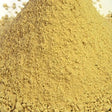
Ginger Powder
Certified organic ginger root powder for baking, curries, golden milk, tea, and digestive support.
This certified organic ginger powder (Zingiber officinale) is a finely ground, ready-to-use form of one of the world's most versatile spices. Ginger powder has a warmer, more concentrated flavour than fresh ginger, with deeper spicy notes due to the conversion of gingerols to shogaols during drying. Use it in baking, curries, golden milk, stir-fries, and warming teas. Ginger is also one of the most well-researched herbs for digestive comfort and nausea relief.
Key Benefits
- Culinary essential: A pantry staple for gingerbread, biscuits, cakes, curries, stir-fries, marinades, and warming drinks. More concentrated than fresh ginger, so a little goes a long way.
- Digestive comfort: Traditionally used in herbal medicine to support healthy digestive function and help relieve nausea, travel sickness, and stomach discomfort. One of the most clinically studied herbs for nausea.
- Warming and circulation: Traditionally used to warm the body and support healthy circulation. A classic cold-weather remedy in both Eastern and Western herbal traditions.
- Golden milk ingredient: A key component of golden milk alongside Turmeric Powder, Cinnamon Powder, and black pepper.
- Certified organic: Ground from certified organic ginger root.
Ginger tea: Stir half to one teaspoon of ginger powder into a cup of hot water. Add honey and lemon to taste. For a warming winter blend, combine with Cinnamon and a squeeze of lemon.
Baking: Use in gingerbread, ginger biscuits, ginger cake, pumpkin pie, and spiced muffins. Substitute: use half a teaspoon of ginger powder for every tablespoon of freshly grated ginger.
Cooking: Add to curries, stir-fries, marinades, dressings, and soups. Sprinkle into smoothies for a warming kick. Works beautifully with Galangal Powder in Thai-style dishes.
Dried ginger and fresh ginger have different chemical profiles. During drying, the gingerols in fresh ginger convert to shogaols, which are up to twice as pungent. This is why dried ginger has a hotter, spicier bite. In Ayurvedic medicine, dried ginger (Shunthi) and fresh ginger (Ardrak) are considered different medicines with different properties.
We also stock whole Dried Ginger Root for decoctions and simmering. Ginger is generally considered safe for dogs in small amounts but should be avoided for cats.
Safe as a culinary spice at normal cooking quantities. People taking blood-thinning medications or with gallstones should consult a healthcare provider before using ginger in large supplemental doses. Generally safe during pregnancy in food amounts. This information is not a substitute for medical advice.
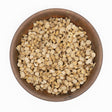
Astragalus Root
Certified organic astragalus root, a cornerstone TCM Qi tonic for immune support and vitality.
Astragalus root (Astragalus membranaceus), known as Huang Qi in Traditional Chinese Medicine, is one of the most important tonic herbs in the Chinese pharmacopoeia. This certified organic astragalus root has been used for over 2,000 years to support immune function, build vitality, and strengthen the body's resistance. As a dried root, astragalus needs simmering (decoction) to extract its active compounds. The flavour is mildly sweet and pleasant.
Key Benefits
- Immune support: Traditionally used in Chinese herbal medicine to support healthy immune function and strengthen the body's natural defences. One of the most well-researched immune-supporting herbs, with extensive clinical and laboratory evidence.
- Qi tonic: Classified as a superior Qi tonic in TCM, meaning it is safe for long-term daily use to build energy, vitality, and overall resilience. Known as the "Great Protector."
- Adaptogenic qualities: Traditionally used to help the body adapt to physical and mental stress, supporting stamina and recovery during demanding periods.
- Longevity research: Astragalus has attracted significant research interest for its astragaloside compounds, which have been studied for their potential effects on cellular health and ageing.
- Certified organic: Grown without synthetic pesticides or fertilisers.
Decoction: Add 2 to 3 slices or 1 to 2 teaspoons of dried astragalus root to 2 cups of water. Simmer gently for 20 to 30 minutes. Strain and drink. The flavour is mildly sweet and earthy. Can be simmered a second time to extract remaining compounds.
Soup and broth: In Chinese culinary tradition, astragalus root slices are commonly simmered into chicken soup, bone broth, or congee as a nourishing tonic. Simply add a few slices to the pot and remove before serving.
Immune blend: Simmer astragalus root with Ginger Root and Licorice Root for a classic TCM-inspired immune tonic. Add Dong Quai Root for the famous Dang Gui Bu Xue Tang formula.
In TCM tradition, astragalus root is considered a tonic herb for building long-term resilience, not a remedy for acute illness. Traditional practitioners recommend using astragalus root regularly during healthy periods to strengthen the body's defences, rather than during active colds or infections.
The name Huang Qi translates as "yellow leader," referring to both the yellow colour of the root and its status as a leading tonic herb. Astragalus is classified among the superior herbs in the Shennong Ben Cao Jing, China's oldest herbal text.
Traditional Chinese Medicine advises against use during active infections or acute illness. Not recommended for people with autoimmune conditions or those taking immunosuppressant medications without medical guidance. This information is not a substitute for medical advice. Consult a healthcare provider before use, especially if pregnant, breastfeeding, or taking medication.
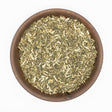
Catnip
A gentle calming herb for humans and an enrichment favourite for cats.
Catnip tea (Nepeta cataria) is a versatile organic herb that serves double duty: a gentle, calming herbal tea for humans and a beloved enrichment herb for cats. This certified organic dried catnip produces a mild, minty infusion traditionally used to support relaxation and ease mild digestive discomfort. Catnip benefits extend beyond the teacup, as the nepetalactone compounds that drive cats wild also make this one of the most popular pet herbs available.
Key Benefits
- Calming and relaxing: Traditionally used as a gentle catnip tea to help ease mild nervous tension and promote relaxation. A pleasant evening tea with a light, minty flavour.
- Digestive comfort: Traditionally used to help soothe occasional stomach discomfort and support healthy digestion. Gentle enough for regular use.
- Enrichment for cats: Contains nepetalactone, the compound responsible for the well-known catnip for cats response. Sprinkle on scratching posts, toys, or bedding for feline enrichment.
- Certified organic: Dried catnip leaf grown without synthetic pesticides or fertilisers, safe for both human and feline use.
- Natural insect deterrent: Nepetalactone has been shown to repel mosquitoes and other insects. Scatter dried catnip herb in outdoor areas or use in sachets.
Catnip tea (for humans): Add 1 to 2 teaspoons of dried catnip to a cup of boiling water. Cover and steep for 5 to 10 minutes. Strain and enjoy. The flavour is mild and gently minty. Sweeten with honey if desired.
Blending: For a soothing bedtime blend, combine with Chamomile or Passionflower. For digestive comfort, try pairing with Peppermint.
For cats: Sprinkle a pinch of dried catnip on toys, scratching posts, or bedding. You can also stuff it inside fabric toys. Not all cats respond to catnip, as sensitivity is genetic and affects roughly 50 to 70 percent of cats.
The catnip response in cats, which includes rolling, rubbing, and general euphoria, typically lasts 5 to 15 minutes and is completely harmless. Kittens under six months and older cats are less likely to respond. Big cats including lions and tigers also respond to catnip.
Catnip is a member of the mint family (Lamiaceae) and is closely related to peppermint and lemon balm. It was widely used in folk herbalism long before it became famous as a cat herb, valued as a calming tea for humans and a natural insect repellent.
Generally well tolerated. Use caution during pregnancy as catnip may stimulate uterine contractions in large doses. This information is not a substitute for medical advice. Consult a healthcare provider before use, especially if pregnant, breastfeeding, or taking medication.
Saw Palmetto Powder
Traditionally used to support prostate health and healthy urinary function in men.
Saw palmetto powder (Serenoa repens) is one of the most widely used herbs for men's health. The ground berries of this small, slow-growing palm have been traditionally used for centuries to support prostate health and maintain healthy urinary function. Saw palmetto powder can be added to smoothies, juice, or encapsulated at home for daily use.
Key Benefits
- Prostate support: Traditionally used to support normal prostate function and maintain prostate health as men age. One of the most well-known saw palmetto benefits.
- Urinary comfort: Traditionally used to support healthy urinary flow and reduce nighttime bathroom visits.
- Rich in fatty acids: Contains oleic acid, lauric acid, and myristic acid, along with phytosterols including beta-sitosterol.
- Hair health: Traditionally used to support healthy hair growth and thickness in men.
- Convenient powder form: Ground from whole dried berries for easy addition to smoothies, juice, or home encapsulation.
In smoothies: Add 1 to 2 teaspoons of saw palmetto powder to a smoothie or juice. Citrus juices work particularly well to mask the slightly bitter, oily taste. Best taken with food for improved absorption of the fat-soluble compounds.
Home capsules: Many customers fill their own capsules with saw palmetto powder for convenient daily use. Size 00 capsules hold roughly half a teaspoon each.
Blending: For a traditional men's health combination, try pairing with Nettle Root, which is also traditionally used to support prostate health. Turmeric Powder adds complementary support.
Saw palmetto is one of the longest-lived plants in North America, with some specimens estimated at over 500 years old. The Seminole and Creek peoples used the berries as both food and medicine for generations, earning the plant the nickname "old man's friend."
This is whole berry powder, not a standardised extract. The fat-soluble active compounds are best absorbed when taken with food rather than brewed as a tea.
Not suitable for women who are pregnant or breastfeeding. May interact with blood-thinning medications and hormonal therapies. Discontinue 2 weeks before surgery. This information is not a substitute for medical advice. Consult a healthcare provider before use, especially if pregnant, breastfeeding, or taking medication.
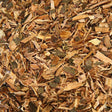
White Willow
Dried white willow bark for joint comfort, headache relief, and the original aspirin tradition.
White willow bark (Salix alba) is the original source of salicin, the natural compound that inspired the development of aspirin. This dried willow bark has been used for thousands of years to support joint comfort, ease mild headaches, and relieve occasional aches. As a bark, white willow needs simmering (decoction) to release its active compounds. The natural salicin in willow bark is converted to salicylic acid in the body, providing a gentler, slower-acting effect compared to synthetic aspirin.
Key Benefits
- Joint comfort: Traditionally used in Western herbal medicine to support joint comfort and ease occasional stiffness. One of the most well-established herbs for this purpose, with clinical research supporting its traditional use.
- Headache relief: Traditionally used to help relieve mild headaches and head tension. The original "aspirin" remedy used for over 2,000 years.
- Gentle and sustained: Unlike synthetic aspirin, white willow bark provides a slower, more sustained effect as the body gradually converts salicin to its active form. This gentler action is traditionally considered easier on the stomach.
- The aspirin story: In 1899, Bayer synthesised acetylsalicylic acid based on the salicin found in willow bark and meadowsweet. White willow bark remains one of the most historically significant herbs in Western medicine.
Decoction: Add 1 to 2 teaspoons of dried white willow bark to a cup of water. Bring to a gentle simmer and cook for 15 to 20 minutes. Strain and drink up to 3 cups daily. The flavour is quite bitter and astringent.
Joint blend: Simmer white willow bark with Ginger Root for warmth, then add Meadowsweet after removing from heat for a dual-salicylate joint support tea. Add Nettle Leaf for mineral support.
Headache blend: Combine with Feverfew and Peppermint for a traditional headache relief tea.
Hippocrates wrote about the pain-relieving properties of willow bark around 400 BCE, but archaeological evidence shows willow bark was used medicinally as far back as ancient Sumer (4,000 years ago). It remains one of the longest-continuously-used plant medicines in human history.
Willow bark contains salicin, not salicylic acid. The conversion happens in the gut and liver, which is why the effect is slower and more sustained than aspirin. This also means willow bark does not directly irritate the stomach lining the way aspirin can.
Not suitable for people with aspirin sensitivity or salicylate allergy. Not recommended during pregnancy, breastfeeding, or for children under 16 (Reye's syndrome risk). May interact with blood-thinning medications, NSAIDs, and methotrexate. Toxic to cats (salicylate sensitivity). This information is not a substitute for medical advice. Consult a healthcare provider before use.
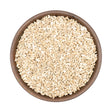
Ashwagandha (Withania)
An adaptogenic root traditionally used to support stress resilience and vitality.
Ashwagandha root (Withania somnifera), also known as withania, is a certified organic adaptogenic herb traditionally used to support the body's response to stress and promote overall vitality. This is the whole dried root, ideal for making decoctions, tinctures and herbal preparations. Ashwagandha has been a cornerstone of Ayurvedic herbalism for thousands of years, valued as a rejuvenating tonic.
Key Benefits
- Stress and resilience: Traditionally used as an adaptogen to help the body cope with physical and mental stress. One of the most valued ashwagandha benefits.
- Energy and vitality: Traditionally used as a rejuvenating tonic to support overall energy and stamina without overstimulation.
- Sleep support: Traditionally used to promote calm and restful sleep. The name ashwagandha translates roughly as "smell of the horse," referring to its reputed ability to give the strength of a stallion.
- Whole dried root: Dried root pieces for those who prefer to prepare their own decoctions, tinctures and extracts at home.
- Rich in withanolides: Ashwagandha root contains withanolides, the key bioactive compounds associated with its traditional uses.
Decoction: Add 1 to 2 teaspoons of dried ashwagandha root to 2 cups of water. Bring to a gentle boil, reduce heat and simmer for 15 to 20 minutes. Strain and drink. The flavour is earthy and slightly bitter. Add honey or milk to taste.
Tincture: Make a 1:5 tincture with 45% alcohol for a convenient daily preparation.
Blending: Combine with Licorice Root to soften the flavour and add sweetness. For a calming evening blend, pair with Passionflower. For an energising adaptogenic blend, combine with Rhodiola Root.
Ashwagandha belongs to the nightshade (Solanaceae) family, making it a relative of tomatoes and capsicums. The plant produces small red berries enclosed in a papery calyx, similar to a cape gooseberry.
In Ayurvedic tradition, ashwagandha is classified as a "rasayana" or rejuvenating herb. It was traditionally prepared as a milk decoction (known as "ashwagandha ksheerapaka") by simmering the root in milk with spices.
Not recommended during pregnancy. May interact with thyroid, sedative and immunosuppressant medications. This information is not a substitute for medical advice. Consult a healthcare provider before use, especially if pregnant, breastfeeding, or taking medication.
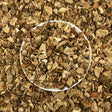
Wild Yam
A bitter root traditionally used to support digestive comfort and women's wellbeing.
Wild yam root (Dioscorea villosa) is a bitter, woody root with a long history of use in Western herbal tradition. Originally valued by Native American herbalists for digestive and muscular comfort, wild yam became one of the most popular herbs in eclectic medicine during the 19th century. It is traditionally used to support digestive comfort, ease occasional cramping, and support general wellbeing during hormonal transitions.
Key Benefits
- Digestive comfort: Traditionally used to soothe occasional digestive cramping and discomfort. The common name "colic root" reflects this long-standing traditional use.
- Women's wellbeing: Traditionally used to support comfort during hormonal transitions, including perimenopause. Often used as part of a broader herbal support routine.
- Antispasmodic tradition: Traditionally used to ease occasional muscle tension and cramping, particularly in the digestive tract.
- Contains diosgenin: The root contains diosgenin, a naturally occurring steroidal saponin that has been the subject of extensive scientific research.
- Versatile preparation: Can be simmered as a decoction, added to smoothies, or blended with complementary herbs.
Wild yam decoction: Add 1 to 2 teaspoons of dried wild yam root to 2 cups of water. Bring to a simmer and cook gently for 15 to 20 minutes. Strain and drink up to 3 cups daily. The taste is distinctly bitter, so honey or lemon can be added.
Blending: Traditionally paired with Chamomile and Ginger Root for digestive comfort. For women's wellbeing support, try combining with Chaste Tree Berry or Shatavari.
Wild yam played a pivotal role in pharmaceutical history. In the 1940s, chemist Russell Marker developed a process to convert diosgenin from wild yam into synthetic progesterone, which eventually led to the development of the oral contraceptive pill. However, the human body cannot make this conversion naturally, so wild yam root itself is not a source of progesterone.
The common name "colic root" dates to its popularity among 19th-century eclectic physicians, who considered it one of their most reliable herbs for digestive cramping and bilious colic.
Not suitable during pregnancy. May interact with oestrogen-based medications and hormone replacement therapy. This information is not a substitute for medical advice. Consult a healthcare provider before use, especially if pregnant, breastfeeding, or taking medication.

Wattleseed Roasted & Ground
A nutty, coffee-like native Australian seed, high in protein and naturally gluten-free.
Wattleseed (Acacia aneura), roasted and ground, is one of Australia's most distinctive native food ingredients. With a rich, complex flavour often described as a blend of coffee, chocolate, and hazelnut, this versatile powder has been a staple food for Aboriginal Australians for over 50,000 years. Wattleseed is naturally high in protein (18-25%), exceptionally high in dietary fibre (33-41%), certified low glycaemic index, and naturally gluten-free.
Key Benefits
- Rich, complex flavour: Nutty and roasted with notes of coffee, chocolate, hazelnut, and toffee. A unique flavour that no other single ingredient can replicate.
- High in plant protein: Contains 18 to 25% protein, higher than lentils and chickpeas. A valuable plant-based protein source.
- Exceptionally high in fibre: Contains 33 to 41% dietary fibre, significantly higher than most food sources.
- Low glycaemic index: A certified low GI food. Can also be added to other foods to help lower their overall GI.
- Caffeine-free coffee alternative: Brews into a rich, full-bodied drink with a coffee-like mouthfeel, without the caffeine.
As a drink: Use 1 to 2 teaspoons of ground wattleseed per cup. Brew like plunger coffee: add to a French press, pour over hot water, steep for 3 to 5 minutes, and press. Enjoy black or with milk. Also works as a wattleseed latte or wattleseed coffee.
In baking and desserts: Add 1 to 2 tablespoons to bread dough, cake batter, biscuit mix, or pancake batter. The chocolate and coffee notes make it a natural partner for desserts like ice cream, panna cotta, and chocolate truffles. Stir into granola or porridge.
Savoury uses: Mix with Tasmanian Pepper Berries and salt for a native spice rub for meat and seafood. Add to dukkah blends with Lemon Myrtle. Works well as a sauce thickener, adding depth and body. Pairs with Davidson Plum Powder in native-inspired sauces.
Wattleseed has a credible claim as one of the oldest bush food crops in human history. Research published through the University of Western Australia confirmed Aboriginal use spanning over 50,000 years, with grinding stones dating back 30,000 years found at Cuddie Springs in western New South Wales.
The Golden Wattle is Australia's national floral emblem, and the green and gold national colours are derived from the wattle's foliage and flowers. Wattle Day is celebrated on 1 September each year.
Wattleseed is a legume. People with legume allergies (peanuts, soybeans, lentils) should exercise caution. This information is not a substitute for medical advice. Consult a healthcare provider before use, especially if pregnant, breastfeeding, or taking medication.
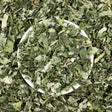
Globe Artichoke
Globe artichoke leaf for liver support tea, digestive comfort, and bile flow.
Globe artichoke leaf (Cynara scolymus) is one of the most clinically studied herbs for liver and digestive support. This dried artichoke tea is made from the leaves of the artichoke plant (not the edible flower head) and has a pleasantly bitter flavour. Artichoke leaf is traditionally used to support healthy liver function and promote comfortable digestion, with extensive European clinical research supporting its traditional uses.
Key Benefits
- Liver support: Traditionally used in European herbal medicine to support healthy liver function and the body's natural detoxification processes. One of the most well-researched herbs for liver support.
- Digestive comfort: Traditionally used to support comfortable digestion, particularly after rich or heavy meals. The bitter compounds in artichoke leaf naturally stimulate bile production.
- Cholesterol support: Traditionally used to help maintain healthy cholesterol levels within the normal range. Supported by multiple clinical studies.
- Clinically studied: Globe artichoke leaf extract has been the subject of numerous clinical trials and is recognised by both the EMA and ESCOP for digestive and liver support.
Tea infusion: Add 1 to 2 teaspoons of dried artichoke leaf to a cup of freshly boiled water. Cover and steep for 10 to 15 minutes. Strain and drink before meals for digestive support, or after meals for comfort. The flavour is pleasantly bitter.
Liver blend: Combine artichoke leaf with Dandelion Root and Peppermint for a classic liver support tea. Add Licorice Root for natural sweetness.
The medicinal part of the globe artichoke is the leaf, not the familiar edible flower head you see at the greengrocer. The leaves contain the highest concentration of cynarin and chlorogenic acid, the compounds most associated with the plant's liver-supporting properties.
Artichoke tea is hugely popular in Vietnam, where it is known as "tra atiso" and sold as a ready-made beverage throughout the country. The bitter flavour is valued as a digestive aid after meals.
People with allergies to the daisy family (Asteraceae) should avoid. Not recommended for people with gallstones or bile duct obstruction without medical guidance. This information is not a substitute for medical advice. Consult a healthcare provider before use, especially if pregnant, breastfeeding, or taking medication.
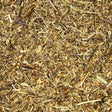
Eyebright
Certified organic eyebright for eye comfort tea, compresses, and traditional eye support blends.
Eyebright tea (Euphrasia officinalis) is one of the most well-known herbs in the Western herbal tradition for supporting eye comfort. This certified organic eyebright has a mildly bitter, astringent flavour and has been used for centuries as both an internal tea and an external eye compress. The name "eyebright" directly reflects its long history of traditional use for eye-related concerns.
Key Benefits
- Eye comfort support: Traditionally used in Western herbal medicine to support eye comfort and soothe tired, irritated eyes. One of the most specifically indicated herbs for eye support in the European herbal tradition.
- External eye compress: Traditionally used as an eye wash or compress to soothe tired, strained, or irritated eyes. The astringent and soothing properties make it well suited to topical eye care.
- Respiratory support: Traditionally used to support healthy sinuses and upper respiratory comfort. The astringent properties may help ease runny eyes and noses associated with seasonal irritants.
- Certified organic: Grown without synthetic pesticides or fertilisers.
Tea infusion: Add 1 to 2 teaspoons of dried eyebright to a cup of freshly boiled water. Cover and steep for 10 to 15 minutes. Strain and drink up to 3 cups daily.
Eye compress: Brew a strong infusion (2 teaspoons per cup), allow to cool completely, and strain thoroughly through a fine cloth or coffee filter. Soak clean cotton pads in the cooled tea and place over closed eyes for 10 to 15 minutes. Always use freshly prepared, cooled solution.
Sinus blend: Combine eyebright with Nettle Leaf and Peppermint for a traditional seasonal comfort tea. Add Chamomile for extra soothing.
Eyebright's traditional use for eye support is one of the classic examples of the Doctrine of Signatures, the medieval belief that a plant's appearance indicates its medicinal use. The tiny flowers of eyebright have purple veins and a yellow spot that were thought to resemble a bloodshot eye.
When using eyebright as an eye compress, hygiene is essential. Always use freshly brewed, thoroughly strained, and fully cooled tea. Never apply hot or warm liquid near the eyes. Discard any leftover solution after use.
External eye preparations must be hygienically prepared and fully cooled before use. If eye symptoms persist, consult a healthcare provider. This information is not a substitute for medical advice. Consult a healthcare provider before use, especially if pregnant, breastfeeding, or taking medication.
Garlic Granules
Certified organic garlic granules for everyday cooking, dry rubs, and spice blends.
These certified organic garlic granules (Allium sativum) bring rich, savoury garlic flavour to your kitchen without the peeling and chopping. The coarse, free-flowing granules release their flavour gradually during cooking, making them ideal for dry rubs, marinades, spice blends, and any dish where you want consistent garlic taste. One teaspoon of garlic granules equals roughly one fresh clove.
Key Benefits
- Versatile pantry staple: Use in dry rubs, marinades, soups, stews, roast vegetables, garlic bread, pasta sauces, and spice blends. Works wherever you would use fresh garlic.
- Convenient and consistent: No peeling, chopping, or waste. Granulated garlic measures evenly and stores well for 2 to 3 years in an airtight container.
- Certified organic: Grown without synthetic pesticides or fertilisers and free from irradiation, anti-caking agents, and fillers.
- Rich in natural compounds: Contains alliin and organosulfur compounds, along with vitamin B6, manganese, and selenium. Garlic is also a natural source of prebiotic fibre.
- Traditional herbal use: Garlic has been valued in herbal traditions worldwide for thousands of years, traditionally used to support general wellbeing and immune function.
In cooking: Add garlic granules early in the cooking process to allow full flavour development. Use 1 teaspoon per fresh clove, or half a teaspoon of garlic powder equivalent. Toss with olive oil and vegetables before roasting, stir into soups and sauces, or mix into softened butter for quick garlic bread.
Spice blends: Garlic granules are a natural base for homemade seasoning blends. Combine with Oregano for Italian seasoning, with Cayenne for a hot rub, or with Turmeric Powder for a warming golden blend.
Tip: Toast granules briefly in a dry pan before adding to recipes to deepen the flavour. Watch carefully to avoid burning, as they turn bitter quickly.
The Romans nicknamed garlic the "stinking rose" and planted it across their expanding empire. Ancient Greek athletes were given garlic before competing in the original Olympic Games, making it one of the earliest known performance foods. During World War II, the Soviet army used garlic so widely as a wound antiseptic that it earned the nickname "Russian Penicillin."
Pet safety warning: Garlic is toxic to dogs and cats. Dried garlic granules are especially concentrated. Keep well out of reach of pets and never add garlic to pet food.
May interact with blood-thinning medications. Discontinue supplemental use at least 2 weeks before surgery. This information is not a substitute for medical advice. Consult a healthcare provider before use, especially if pregnant, breastfeeding, or taking medication.
Rosemary
A fragrant, versatile organic herb for cooking, rosemary tea, and natural hair rinses.
Dried rosemary (Salvia rosmarinus, syn. Rosmarinus officinalis) is one of the most versatile herbs in any kitchen or herbal cupboard. These certified organic whole rosemary leaves deliver a strong, piney, camphoraceous aroma and are equally at home in a roast dinner, a pot of herbal tea, or a homemade hair rinse. Traditionally used in Western herbal medicine to support healthy digestion and cognitive function, rosemary has been valued for centuries as the herb of remembrance.
Key Benefits
- Culinary staple: Essential for Mediterranean cooking. Perfect with roasted meats, vegetables, bread, and olive oil infusions. Use about one-third the amount of dried compared to fresh.
- Rosemary tea: Makes a warming, aromatic herbal tea traditionally used to support digestion and mental clarity. Contains rosmarinic acid and carnosic acid, two well-studied antioxidant compounds.
- Hair rinse: Steep dried rosemary in hot water for a natural hair rinse. A long tradition of use for scalp and hair health, now hugely popular on social media.
- Certified organic: Whole dried leaves grown without synthetic pesticides or fertilisers.
- Rich in antioxidants: Contains rosmarinic acid, carnosic acid, and carnosol, potent natural antioxidant compounds.
Rosemary tea: Place 1 to 2 teaspoons of dried rosemary in a cup. Pour boiling water over the leaves, cover, and steep for 5 to 6 minutes. Strain and enjoy plain, or add a little honey and lemon. For a calming evening blend, combine with Lavender. For a refreshing, focused tea, blend with Peppermint.
Hair rinse: Add 1/4 cup of dried rosemary to 1 litre of boiling water. Steep for at least 30 minutes, strain, and pour over hair after shampooing. Massage into scalp, leave for 3 to 4 minutes, then rinse with cool water. Refrigerate and use within one week. Lovely combined with Nettle Leaf or Horsetail.
Cooking: Crush dried leaves between your fingers before adding to release the essential oils. Add early in cooking to allow leaves to soften. Pairs beautifully with lamb, chicken, roasted potatoes, and focaccia.
The name rosemary comes from the Latin "ros marinus" (dew of the sea). Sprigs of rosemary are worn on ANZAC Day in Australia as a symbol of remembrance, because rosemary grows wild on the Gallipoli Peninsula.
Rosemary is classified as non-toxic to dogs, cats, and horses by the ASPCA. Dogs with seizure history should avoid it. Rosemary essential oil (a concentrated product) is dangerous for cats, but the dried herb leaf is safe in small amounts.
Not recommended in medicinal amounts during pregnancy. May interact with blood-thinning medications and diabetes medications. Those with seizure disorders should avoid large amounts. This information is not a substitute for medical advice. Consult a healthcare provider before use, especially if pregnant, breastfeeding, or taking medication.
Shatavari
A nourishing Ayurvedic root traditionally used to support women's reproductive health and vitality.
Shatavari (Asparagus racemosus) is one of the most valued herbs in Ayurvedic tradition, where it has been used for thousands of years as a nourishing tonic for women's health. This certified organic root powder has a gently sweet, slightly bitter taste and is traditionally used to support hormonal balance, reproductive wellbeing, and overall vitality throughout all stages of a woman's life.
Key Benefits
- Women's reproductive support: Traditionally used to support a healthy menstrual cycle and reproductive wellbeing. Known as the "Queen of Herbs" in Ayurvedic tradition.
- Hormonal balance: Traditionally used to support the body during hormonal transitions, including perimenopause and menopause.
- Adaptogenic qualities: Classified as a Rasayana (rejuvenative) in Ayurveda, traditionally used to help the body adapt to stress and promote vitality.
- Digestive comfort: Traditionally used to soothe and support the digestive tract, particularly when irritation or dryness is present.
- Certified organic: Organically grown root, dried and ground into a fine powder without synthetic additives.
Shatavari milk: Stir a quarter to half a teaspoon of shatavari powder into a cup of warm milk (dairy or plant-based) with a pinch of honey or cinnamon. This is the traditional Ayurvedic preparation method, taken once or twice daily.
In smoothies: Blend into your morning smoothie for a nourishing start to the day. The mild flavour blends easily with fruit and nut milks.
Blending: Traditionally paired with Ashwagandha for a balanced adaptogenic combination. Also complements Shatavari well with Chamomile as an evening wind-down routine.
The name "shatavari" comes from Sanskrit, most commonly translated as "she who possesses a hundred husbands," a poetic reference to its traditional reputation as a rejuvenative tonic for women. Another interpretation is "she who has a hundred roots," describing the plant's distinctive cluster of tuberous roots.
Shatavari appears in the Rig Veda (c. 1500 BCE) and the Charaka Samhita, two of the oldest texts in Ayurvedic medicine, where it is classified among the most important rejuvenative herbs.
Not recommended for those with oestrogen-sensitive conditions. May interact with diuretic or lithium medications. This information is not a substitute for medical advice. Consult a healthcare provider before use, especially if pregnant, breastfeeding, or taking medication.
Chaste Tree
Traditionally used to support a healthy menstrual cycle and hormonal balance in women.
Chaste tree berry (Vitex agnus-castus), also known as chasteberry or vitex berry, is one of the most well-researched herbs for women's hormonal health. These certified organic dried berries have been traditionally used for centuries to support a healthy menstrual cycle and may help relieve symptoms of premenstrual tension. Chaste tree berry works best when taken consistently over several months, and is prepared as a decoction (simmered, not steeped) to draw out its active compounds.
Key Benefits
- Hormonal balance: Traditionally used to support normal hormonal function in women. One of the most clinically studied herbs in this area, with research supporting its traditional use for premenstrual symptoms.
- Menstrual cycle support: May help support a regular, healthy menstrual cycle. Traditionally used by herbalists to support normal luteal phase function.
- Long tradition of use: Used in Western herbal medicine for over 2,000 years. The name "chaste tree" reflects its historical use in monasteries.
- Certified organic: Grown without synthetic pesticides or fertilisers, ensuring a clean product for long-term use.
- Gentle, cumulative action: Works gradually over time. Most herbalists recommend consistent use for at least 3 months to see the full benefits.
Decoction: Lightly crush 1 teaspoon of chaste tree berries (a mortar and pestle works well) and add to 2 cups of water. Bring to a gentle boil, then simmer for 15 to 20 minutes. Strain and drink once daily, preferably in the morning. The flavour is mildly peppery.
Blending: Combines well with Dong Quai Root for a traditional women's tonic blend, or with Red Clover for broader hormonal support. Adding Chamomile can soften the flavour and add a calming note.
The name "agnus-castus" literally means "chaste lamb." In ancient times, the berries were used by monks as a pepper substitute, and the tree was planted in monastery gardens. It became associated with chastity, which is how it got its common name.
Chaste tree is not toxic to dogs or cats according to the ASPCA. However, as with any herb, keep dried berries stored safely away from pets.
Not recommended during pregnancy, breastfeeding, or for those with hormone-sensitive conditions. May interact with oral contraceptives and hormone replacement therapy. This information is not a substitute for medical advice. Consult a healthcare provider before use, especially if pregnant, breastfeeding, or taking medication.
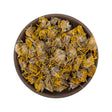
Arnica
Whole dried arnica flowers, Arnica montana, the small golden daisy of high mountain meadows. These are for external preparations only: infused oils, balms and compresses for knocks, bruises and tired muscles. Arnica is never taken internally.
Key Benefits
- The classic external herb: arnica has been the one people reach for after a knock, a sprain or a hard day on their feet since at least the 1500s.
- Whole flowerheads: left whole rather than cut, which makes for a clean strain once the oil has done its work.
- Made for infused oil: the resins come out slowly into a warm carrier oil, which then sets into a balm with a little beeswax.
- Simple as a compress: a strained infusion on a folded cloth is the quickest way to use it, with nothing to make up in advance.
- Goes a long way: 50g of flowers will make several jars of balm, so a single pack lasts most households a long time.
For infused oil, fill a jar about a third full with the flowers, cover them completely with olive, almond or sunflower oil, and leave it somewhere dark for four to six weeks, shaking every few days. If you are in a hurry, warm the jar in a double boiler on the lowest setting for three or four hours instead. Strain well, then melt in roughly 30g of beeswax per cup of oil for a balm.
For a compress, pour a cup of hot water over two tablespoons of the flowers, steep for ten to fifteen minutes, strain, then soak a clean cloth in the liquid and lay it over the sore spot. That liquid goes on the skin only. It is not a tea and is not for drinking.
Calendula and Comfrey Leaf are the usual companions in a first-aid oil, and St John's Wort is often infused alongside arnica for a muscle rub.
Mountain tobacco is one of its old names, and it is a literal one. The dried leaves were smoked as a tobacco substitute by people living high in the ranges.
Hildegard of Bingen wrote about arnica in the twelfth century, and by the 1800s alpine climbers were carrying it for sore legs after a long day on the rock.
It only really grows on poor, acid mountain soils and sulks in a garden bed, which is why almost all of it is still picked by hand out of meadows rather than farmed.
For external use on unbroken skin only. Never take arnica internally, and do not apply it to broken skin, open wounds, eyes or lips. Avoid it if you react to plants in the daisy family. This information is not a substitute for medical advice. Consult a healthcare provider before use, especially if pregnant, breastfeeding, or taking medication.
Allow 7 to 14 days before dispatch. Anything else in your order will be sent with it, so you only pay one lot of postage.
Orange Peel Sweet
Fragrant dried citrus peel for herbal tea blends, baking, brewing, and natural home uses.
Dried orange peel from Citrus sinensis (sweet orange) is a wonderfully versatile ingredient with a bright, naturally sweet citrus fragrance. Whether you are blending herbal teas, infusing spirits, baking, or making natural home products, sweet orange peel adds warm citrus depth and is rich in d-limonene, hesperidin, and other flavonoids that contribute antioxidant activity.
Key Benefits
- Culinary staple: Adds natural citrus flavour to baked goods, sauces, marinades, and spice blends. A handy substitute for fresh zest when oranges are out of season.
- Herbal tea blends: Makes a bright, uplifting orange peel tea on its own or blended with spices and other herbs. Naturally caffeine-free.
- Brewing and distilling: Popular in home brewing and gin making for its aromatic sweet orange peel character. Works well in Belgian-style wheat beers and craft gin botanicals.
- Rich in flavonoids: Contains hesperidin, naringin, and polymethoxyflavones, which contribute antioxidant activity and may support general wellbeing.
- Natural home uses: Add to potpourri, simmer pots, bath soaks, or homemade cleaning blends for a fresh, natural citrus scent.
Tea: Add 1 to 2 teaspoons of dried orange peel to a cup of boiling water. Steep for 8 to 10 minutes, strain, and enjoy. Pairs beautifully with Cinnamon Sticks and Cloves for a warming winter brew, or with Chamomile Tea for a soothing citrus-floral blend.
Cooking and baking: Grind in a spice grinder to make your own orange peel powder for cakes, biscuits, hot cross buns, and marinades. Use roughly 1 teaspoon of dried peel to replace the zest of one fresh orange.
Brewing: Add 10 to 15 g per 20 litres during the last 5 minutes of the boil for wheat beers, or steep in spirits for 3 to 7 days for a citrus-infused gin or liqueur.
Orange peel has been used for centuries to make pomanders, the clove-studded oranges traditionally hung in wardrobes as natural moth repellents and air fresheners. The practice dates back to medieval Europe.
In traditional Chinese medicine, aged citrus peel (chen pi) is one of the most commonly used ingredients and is said to improve with age, much like wine. Older peels are considered more valuable.
Citrus oils, including those in orange peel, can be irritating to cats. Keep dried orange peel stored out of reach of cats and avoid using in areas where they may ingest it.
May cause sensitivity in people with citrus allergies. Avoid excessive consumption during pregnancy. This information is not a substitute for medical advice. Consult a healthcare provider before use, especially if pregnant, breastfeeding, or taking medication.
Angelica Root
Certified organic European angelica root for digestive comfort, respiratory support, and herbal liqueur making.
Angelica root (Angelica archangelica) is a majestic, aromatic herb with a warm, complex flavour that has been valued in European herbal medicine and liqueur-making for centuries. This certified organic angelica herb, also known as garden angelica, is traditionally used to support digestive comfort and respiratory health, and is a key botanical in gin, Chartreuse, and Benedictine. As a dried root, angelica needs simmering (decoction) to release its aromatic compounds.
Key Benefits
- Digestive comfort: Traditionally used in European herbal medicine to support healthy digestive function and ease occasional bloating and stomach discomfort. A classic bitter-aromatic digestive herb.
- Respiratory support: Traditionally used to support respiratory comfort and help ease coughs. The warming, aromatic quality of the root is traditionally valued during cold weather.
- Brewing and distilling: A key botanical in gin distilling and a traditional ingredient in herbal liqueurs including Chartreuse, Benedictine, and vermouth. Also used in home brewing and bitters.
- Certified organic: Grown without synthetic pesticides or fertilisers.
Decoction: Add 1 to 2 teaspoons of dried angelica root to a cup of water. Bring to a gentle simmer and cook for 15 to 20 minutes. Strain and drink. The flavour is warm, aromatic, slightly sweet, and slightly bitter.
Digestive blend: Simmer angelica root with Ginger Root for a warming digestive decoction. Add Peppermint after removing from heat for a classic bitter-aromatic digestive tea.
Gin botanical: Add dried angelica root to a gin botanical mix alongside juniper, coriander, and citrus peel. Angelica root adds depth, earthiness, and helps bind other flavours together.
According to legend, the Archangel Michael revealed angelica's healing properties to a monk during a plague. The plant was believed to bloom on the feast of the Archangel (May 8), and was planted around monasteries as protection against evil and illness.
This is European angelica (A. archangelica), a different species from dong quai (A. sinensis), which Herb Cottage sells as Dong Quai Root. The two have different traditional uses and flavour profiles.
Contains furanocoumarins which may increase sun sensitivity. Not recommended during pregnancy or breastfeeding. May interact with blood-thinning medications. This information is not a substitute for medical advice. Consult a healthcare provider before use.
Gentian Root
A powerful bitter root used to stimulate digestion, appetite, and liver function — ideal in teas or homemade bitters.
Gentian root (Gentiana lutea) is one of the most intense bitter herbs in the world, valued for over 2,000 years in Western, Ayurvedic, and traditional Chinese medicine. It’s used to prime digestion, support the liver, and spark appetite. The dried root is brewed into a tea or tincture and also features in classic digestive bitters and aperitifs. Slightly spicy, warming, and unmistakably bitter, it’s a true herbal tonic.
- Traditionally used to stimulate appetite, digestion, and liver function
- May help with sluggish digestion, bloating, poor appetite, and post-illness recovery
- Rich in bitter glycosides (gentiopicroside, amarogentin) that activate the bitter reflex
- Included in bitters formulas, amaro, and homemade liqueurs or aperitifs
- Well-known in Western and Eastern traditions for metabolic and digestive tonics
Digestive tea: Simmer ½–1 tsp root in water for 10–15 minutes. Sip 15–30 minutes before meals. Blend with ginger, fennel, or orange peel to improve flavour.
Bitters tincture: Steep in alcohol (40–50%) for 2–6 weeks. Strain and use 5–15 drops before meals to stimulate digestion.
Aperitifs & amaro: Infuse into wine, spirits, or syrup for digestive cocktails or bitter liqueurs.
Capsules: Take 500–1000 mg before meals if bitterness is not tolerated. Taste exposure is best, but not always necessary.
Topical (folk use): Strong decoction may be used as a compress or gargle. Very bitter — for short-term use only.
Gentian root is a staple in traditional bitters and herbal apothecaries. Customers use it to support digestion, ease sugar cravings, and craft their own bitter tonics or herbal aperitifs. Especially valued in spring cleanses, recovery periods, or post-antibiotic gut resets. Notable for its extreme bitterness and legacy in folk and clinical medicine. Source from reputable suppliers to avoid look-alikes like white hellebore. Store dry and well-sealed.
Do not use during pregnancy, with active ulcers, or with acid reflux. Use caution with low blood pressure or medications affecting stomach acid. Not for long-term high-dose use. Always consult a practitioner if unsure.
- Actions: Bitter tonic, stomachic, appetite stimulant, hepatoprotective, anti-inflammatory
- Systems: Digestive, hepatic, metabolic, immune, cardiovascular
- Energetics: Cooling, drying, intensely bitter
- Pairings: Ginger, orange peel, fennel, licorice, cardamom, dandelion root
- Clinical note: Best taken in small doses before meals. Use in cycles. Avoid use in children, pregnancy, or with peptic ulcers. True Gentiana lutea only — not gentian violet.
This information is for general reference only. Consult a healthcare provider if pregnant, breastfeeding, managing medications, or dealing with chronic digestive issues. Not for use with ulcers, reflux, or low blood pressure unless advised. Store away from heat and moisture.
Ginkgo
Australian-grown ginkgo leaf, traditionally used to support circulation and cognitive function.
This Australian-grown ginkgo biloba leaf (Ginkgo biloba) comes from one of the oldest living tree species on earth, with a fossil record stretching back over 200 million years. Dried ginkgo leaf is traditionally used to support healthy circulation and cognitive function, and makes a pleasant, mildly bitter tea. As a dried whole leaf, it is best prepared as a longer infusion to extract its beneficial flavonoids and unique terpene compounds.
Key Benefits
- Circulation support: Traditionally used to support healthy blood flow and peripheral circulation, particularly to the hands, feet, and brain.
- Cognitive function: One of the most widely studied herbs for cognitive support. Ginkgo leaf has been used in traditional herbal practice to support memory and mental clarity.
- Unique phytochemistry: Contains flavonoid glycosides and terpene trilactones (ginkgolides and bilobalide) that are found in no other plant species on earth.
- Australian grown: Sourced from trees grown right here in Australia, supporting local agriculture and reducing food miles.
- Living fossil: Ginkgo trees have survived virtually unchanged for over 200 million years, making them older than the dinosaurs.
Ginkgo tea: Add 1 to 2 teaspoons of dried ginkgo leaf to a cup of boiling water. Steep for 10 to 15 minutes (longer than most herbal teas, as the leaves need time to release their compounds). Strain and drink up to 2 to 3 cups daily. The flavour is mildly bitter with a grassy note.
Blending: Pairs well with Gotu Kola for a traditional cognitive support blend, or with Rosemary for a circulation-focused tea. Try adding Peppermint for a fresher flavour that balances the mild bitterness.
Six ginkgo trees survived the atomic bombing of Hiroshima in 1945 and are still alive today. The ginkgo is the sole surviving member of its entire botanical division, with no close living relatives. It is sometimes called a "living fossil."
Ginkgo fossils have been found in Australia, dating from when the continent was still part of Gondwana. The distinctive fan-shaped leaf has inspired artists and designers for centuries and is the official symbol of the city of Tokyo.
May interact with blood-thinning medications, NSAIDs, and antidepressants. Stop use 2 weeks before surgery. This information is not a substitute for medical advice. Consult a healthcare provider before use, especially if pregnant, breastfeeding, or taking medication.
Fenugreek
A warming, maple-scented spice traditionally used in cooking and herbal wellness.
Fenugreek seeds (Trigonella foenum-graecum), also known as methi seeds, are one of the most versatile items in the spice rack. These certified organic fenugreek seeds have a distinctive warm, maple-like aroma and a slightly bitter, nutty flavour that mellows beautifully with toasting or simmering. Used across the world in curries, spice blends, and herbal teas, fenugreek benefits extend from the kitchen to traditional wellness, where the seeds have been valued for thousands of years.
Key Benefits
- Culinary essential: A key ingredient in curry powders, spice blends, and pickles. The seeds add depth and warmth to dishes across many cuisines.
- Rich in nutrients: High in iron, manganese, and dietary fibre. Also contains protein and B vitamins, making it one of the more nutritionally dense spices.
- Digestive support: Traditionally used to support healthy digestion and ease occasional digestive discomfort. The mucilage content gives a soothing quality when brewed as a tea.
- Versatile preparation: Toast for curries, soak overnight for a mild tea, grind into powder, or sprout for salads. Works in both sweet and savoury applications.
- Certified organic: Grown without synthetic pesticides or fertilisers, ideal for both cooking and herbal use.
Fenugreek tea: Soak 1 teaspoon of seeds in a cup of cold water overnight, then strain and drink in the morning. Alternatively, lightly crush the seeds and simmer in 2 cups of water for 10 minutes. The flavour is mild and slightly sweet.
Cooking: Dry-toast seeds in a pan for 1 to 2 minutes until fragrant and lightly golden, then grind or add whole to curries, dhals, and spice blends. Use sparingly as the flavour is strong. Pairs beautifully with Turmeric and Ginger Root in warming dishes.
Sprouting: Soak seeds for 8 hours, then rinse twice daily for 2 to 3 days until sprouted. Add to salads and sandwiches. Also blends well with Cinnamon for a warming chai-style tea.
Fenugreek seeds were found in Tutankhamun's tomb, dating their use to at least 1323 BCE. The distinctive maple-syrup aroma comes from a compound called sotolon, which is also found in maple syrup itself.
Fenugreek is generally safe for dogs in small food amounts and is sometimes used as a flavouring in pet food. Keep quantities small and avoid concentrated extracts.
Not recommended during pregnancy. May interact with blood-thinning and diabetes medications. Can cause a maple-syrup scent in sweat and urine, which is harmless. This information is not a substitute for medical advice. Consult a healthcare provider before use, especially if pregnant, breastfeeding, or taking medication.
Hops
Certified organic hop flowers traditionally used for sleep support and as a digestive bitter.
Dried hops (Humulus lupulus) are the papery, cone-shaped female flowers of the hop vine, best known for their role in brewing but prized in herbalism for centuries. These certified organic hop flowers are intensely bitter and deeply aromatic, with a long tradition of use as a natural sleep aid and digestive bitter. Hops tea has been valued in European herbal practice since the Middle Ages for promoting restful sleep and calming a restless mind.
Key Benefits
- Sleep support: Traditionally used as a mild sedative and sleep aid. Hops have been used for centuries to help promote restful, undisturbed sleep, particularly when restlessness is due to tension or worry.
- Digestive bitter: The intensely bitter compounds in hops may help stimulate appetite and support healthy digestion when taken before meals.
- Calming nervine: Traditionally used to help ease mild nervous tension and promote a sense of calm. Works well as part of a relaxing evening routine.
- Dream pillows: Dried hops can be sewn into small sachets and placed inside a pillowcase to gently release their aromatic compounds overnight.
- Certified organic: Whole hop cones grown without synthetic pesticides or fertilisers.
Hops tea: Steep 1 to 2 teaspoons of dried hops in a cup of freshly boiled water for 10 to 15 minutes. The flavour is distinctly bitter, so honey or lemon can help. Best enjoyed in the evening, 30 to 60 minutes before bed.
Sleep blends: Hops pair beautifully with Valerian Root for a classic sleep combination, or with Passionflower and Chamomile for a gentler, more palatable evening blend.
Dream pillow: Fill a small muslin bag with dried hops, optionally adding lavender or chamomile. Place inside your pillowcase and replace every few months.
King George III of England famously used a hop-stuffed pillow to help with sleep. The tradition of hop pillows dates back to the Middle Ages, when field workers noticed they became drowsy while harvesting hop flowers. Hops belong to the Cannabaceae family, making them botanical cousins of hemp.
Critical pet safety warning: Hops are extremely toxic to dogs and can be fatal, causing rapid, uncontrollable overheating. Keep all dried hops well out of reach of dogs. If a dog ingests any amount, contact a vet immediately.
May cause drowsiness. Not recommended for those with depression or hormone-sensitive conditions. This information is not a substitute for medical advice. Consult a healthcare provider before use, especially if pregnant, breastfeeding, or taking medication.
Pine Needle Tea
A bright, citrusy herbal tea naturally rich in vitamin C and antioxidants.
Pine needle tea (Pinus sylvestris) is a caffeine-free herbal infusion made from dried pine needles, producing a bright, mildly citrusy cup with a subtle resinous warmth. Pine needles are a natural source of vitamin C, containing several times more than orange juice, along with antioxidant compounds including proanthocyanidins and catechins. Pine needle tea has been valued across many cultures for centuries as a nourishing, warming drink.
Key Benefits
- Natural vitamin C source: Pine needles contain significantly more vitamin C than orange juice, one of the key pine needle tea benefits, making it a pleasant way to support your daily intake.
- Rich in antioxidants: Contains proanthocyanidins, catechins, and polyphenols, similar to the antioxidant compounds found in green tea.
- Contains shikimic acid: Pine needles are a natural source of shikimic acid, a compound that has attracted research interest for its biological properties.
- Caffeine-free: A naturally caffeine-free alternative to green or black tea, suitable for any time of day.
- Pleasant, mild flavour: Bright and citrusy with a gentle, earthy pine warmth. Not overpowering when brewed correctly.
Hot brew: Chop or crush 1 to 2 tablespoons of dried pine needles for tea to break the natural waxy coating. Place in a cup and pour over water that has just come off the boil (80 to 90 degrees, not boiling). Cover and steep for 10 to 20 minutes. Strain and enjoy. Boiling water destroys vitamin C and creates a more bitter cup, so slightly cooled water is best.
Cold brew: Place needles in a jar, cover with cold water, and steep in the refrigerator for 8 to 12 hours. This preserves the maximum vitamin C content and produces a milder, refreshing drink.
Blending: Add a squeeze of lemon and honey for a classic pine needle tea. Blends well with Ginger Root for extra warmth, Chamomile for a calming evening cup, or Peppermint for a refreshing twist.
In 1536, French navigator Jacques Cartier and his crew were saved from scurvy during a harsh Canadian winter when local Indigenous peoples showed them how to make a tea from pine needles, which are rich in vitamin C.
Not all conifers are safe for tea. Yew trees (Taxus species) are extremely toxic, and Norfolk Island Pine is not a true pine and should never be used. Always use needles from verified, safe Pinus species.
Not suitable during pregnancy. Some pine species contain compounds that may be harmful. Ensure you are using needles from a safe Pinus species. This information is not a substitute for medical advice. Consult a healthcare provider before use, especially if pregnant, breastfeeding, or taking medication.
Sarsaparilla - Root
Traditional tonic root for decoctions, cordials, and homemade sarsaparilla drinks.
Sarsaparilla root from Smilax ornata is a woody, slightly sweet root with a long history of use as a traditional tonic and the original flavouring behind the classic sarsaparilla drink. Rich in steroidal saponins and phytosterols, this dried root is best prepared as a simmered decoction or used to make homemade sarsaparilla cordial and craft root beer. It has been traditionally valued for supporting skin health and general vitality.
Key Benefits
- Traditional tonic: One of the classic "blood purifying" herbs of Western herbal tradition, traditionally used to support skin health and general wellbeing.
- Homemade sarsaparilla: The original botanical behind the famous sarsaparilla soft drink. Use the root to make your own cordial, syrup, or craft root beer at home.
- Rich in saponins: Contains steroidal saponins including sarsasapogenin, which contribute to its traditional properties and give decoctions a slightly foamy character.
- Decoction herb: Like all tough, woody roots, sarsaparilla needs to be simmered (not just steeped) to properly extract its beneficial compounds and flavour.
- Versatile blending: Combines well with other tonic herbs and brewing ingredients for custom herbal formulations and beverages.
Decoction: Add 1 to 2 teaspoons of sarsaparilla root to 2 cups of water. Bring to the boil, reduce heat, and simmer for 15 to 20 minutes. Strain and drink. The flavour is mildly sweet and earthy, making it a pleasant sarsaparilla tea on its own. Blends well with Licorice Root for natural sweetness and Dandelion Root for a traditional tonic blend.
Sarsaparilla cordial: Simmer 50 g of root in 1 litre of water for 30 minutes. Strain, add sugar or honey to taste (roughly equal parts), and a squeeze of lemon. Bottle and refrigerate. Dilute with sparkling water for a homemade sarsaparilla drink.
Tonic blend: Pairs naturally with Kola Nut, licorice, and ginger for a traditional herbal tonic formula.
Sarsaparilla was one of the most popular drinks in the Old West, served in saloons as a non-alcoholic alternative. It became a staple of the patent medicine era in the 1800s, marketed as a "blood purifier" and general tonic.
This is true sarsaparilla (Smilax ornata), not to be confused with the Australian native plant commonly called sarsaparilla (Hardenbergia violacea), which is a completely different species.
Generally well tolerated. May interact with some medications by affecting absorption. Not recommended during pregnancy. This information is not a substitute for medical advice. Consult a healthcare provider before use, especially if pregnant, breastfeeding, or taking medication.
Coriander Seed
Certified organic whole coriander seed for curries, spice blends, pickling, and digestive tea.
Coriander seed (Coriandrum sativum) is a warm, citrusy spice with a gently sweet, nutty flavour that is essential to cuisines worldwide. These certified organic coriander seeds are whole, ready to toast and grind fresh for maximum flavour. Coriander seed is one of the most versatile spices in the kitchen, used in curries, dukkah, spice rubs, pickling brines, and home brewing, and is also a traditional digestive herb with a long history in herbal medicine.
Key Benefits
- Essential cooking spice: A foundation ingredient in Indian, Middle Eastern, Mexican, Thai, and North African cooking. Used in curry powders, garam masala, dukkah, ras el hanout, and harissa.
- Digestive comfort: Traditionally used in herbal medicine to support healthy digestive function and ease occasional bloating. One of the three seeds in the classic Ayurvedic CCF (cumin, coriander, fennel) digestive tea.
- Whole seeds for freshness: Whole coriander seeds keep their flavour much longer than pre-ground. Toast lightly in a dry pan and grind just before use for the best results.
- Brewing and pickling: A key botanical in many gin recipes and Belgian-style wheat beers. Also essential in pickling spice mixes alongside mustard seed, peppercorns, and bay leaves.
- Certified organic: Grown without synthetic pesticides or fertilisers.
Cooking: Toast whole coriander seeds in a dry pan until fragrant, then grind with a mortar and pestle or spice grinder. Use in curries, soups, marinades, and spice rubs. Combines perfectly with Turmeric and cumin for curry bases.
CCF digestive tea: Combine equal parts coriander seed with cumin seed and Fennel Seed for the classic Ayurvedic digestive tea. Gently simmer 1 teaspoon of the blend per cup for 10 minutes. Strain and drink after meals.
Pickling and brewing: Add whole coriander seeds to pickling brines, or use as a botanical in home gin distilling and wheat beer brewing.
Coriander seeds taste completely different from fresh coriander leaves (cilantro). The seeds are warm, citrusy, and universally liked, while the leaves have the famously divisive soapy flavour that some people love and others cannot stand. The difference comes from entirely different volatile compounds.
Coriander seeds have been found in ancient Egyptian tombs and were mentioned in the Bible. They are one of the oldest spices known, with archaeological evidence dating back over 8,000 years. Safe for dogs and cats in normal culinary amounts.
Safe as a culinary spice at normal cooking quantities. People with celery or mugwort allergies may rarely cross-react. This information is not a substitute for medical advice.
Cumin
Certified organic cumin seeds for curries, tacos, hummus, and traditional digestive support.
Organic cumin seeds (Cuminum cyminum) are one of the world's most essential spices, with a warm, earthy, slightly nutty flavour that is fundamental to Indian, Middle Eastern, Mexican, and North African cooking. These certified organic cumin seeds can be used whole or ground, toasted or raw, and bring depth and warmth to everything from curries and dhal to tacos and hummus. Cumin is also traditionally used in herbal medicine to support healthy digestive function.
Key Benefits
- Essential cooking spice: A kitchen staple across countless cuisines. Fundamental to Indian curries, Mexican tacos, Middle Eastern hummus, North African tagines, and European cheese and bread recipes.
- Digestive support: Traditionally used in Ayurvedic and European herbal medicine to support healthy digestive function and ease occasional bloating. The aromatic compounds naturally stimulate appetite and digestion.
- Toast for extra flavour: Dry-roasting whole cumin seeds in a hot pan for 1 to 2 minutes releases their essential oils and deepens the flavour dramatically. One of the simplest ways to improve your cooking.
- CCF tea tradition: Cumin is one of three spices in the Ayurvedic CCF tea (cumin, coriander, fennel), a classic digestive blend enjoyed after meals.
- Certified organic: Grown without synthetic pesticides or fertilisers.
Cooking: Toast whole cumin seeds in a dry pan until fragrant (1 to 2 minutes), then grind or add whole to curries, dhal, rice, soups, and stews. Add at the start of cooking for deeper flavour.
CCF digestive tea: Combine equal parts cumin seeds with Coriander Seeds and Fennel Seeds. Lightly crush and steep in boiling water for 10 minutes. A classic Ayurvedic digestive blend.
Spice blends: Essential in garam masala, taco seasoning, baharat, ras el hanout, and chilli powder. Combine with Turmeric and Cinnamon for a warming curry base.
Cumin is not the same as caraway, despite looking similar. Cumin seeds are lighter in colour, slightly larger, and have a completely different flavour. In some European languages, the two names are confusingly similar (German "Kuemmel" is caraway, while cumin is "Kreuzkuemmel").
In medieval Europe, cumin was a symbol of fidelity. Guests at weddings carried cumin seeds in their pockets, and soldiers were given cumin loaves by their partners before departing for war. The ancient Egyptians used it in mummification.
Safe as a culinary spice at normal cooking quantities. This information is not a substitute for medical advice. Consult a healthcare provider before use, especially if pregnant, breastfeeding, or taking medication.
Nettle - Root
Traditionally used to support urinary tract health and normal prostate function in men.
Stinging nettle root from Urtica dioica is a very different product to nettle leaf tea. While the leaf is valued as a nutritive tonic, the nettle root benefits centre on supporting urinary tract health and normal prostate function. Brew it as a nettle root tea by preparing a decoction (simmered, not steeped) to draw out its beneficial compounds, including lignans and plant sterols.
Key Benefits
- Prostate support: Traditionally used to support normal prostate function and healthy urinary flow in men over 50.
- Urinary tract health: May help maintain a healthy urinary system. One of the most well-researched herbs in this area, with several clinical studies supporting traditional use.
- Unique active compounds: Contains lignans, beta-sitosterol, and polysaccharides that are specific to the root and not found in significant amounts in the leaf.
- Pairs well with other herbs: Works alongside other traditional prostate-support herbs like saw palmetto, making it easy to create targeted blends.
- Distinct from nettle leaf: A separate product with different traditional uses. The root targets urinary and prostate support, while the leaf is a mineral-rich nutritive tea.
Decoction: Add 1 to 2 teaspoons of dried nettle root to 2 cups of water. Bring to a gentle boil, then reduce heat and simmer for 15 to 20 minutes. Strain and drink up to 3 cups daily. The flavour is mild and earthy.
Blending: Combines well with Saw Palmetto Powder for a traditional prostate support blend. For urinary comfort, try adding Marshmallow Root for its soothing mucilage. Also pairs nicely with Nettle Leaf Tea if you want to combine the benefits of both parts of the plant.
Nettle has been used by humans for at least 3,000 years. Bronze Age textiles made from nettle fibre have been found at archaeological sites, and the plant featured in the Anglo-Saxon "Nine Herbs Charm," one of the oldest recorded herbal remedies in English.
The stinging hairs of fresh nettle are completely neutralised by drying. Dried nettle root has no sting at all and is safe to handle and brew.
Not recommended during pregnancy or breastfeeding. May interact with blood-thinning, blood pressure, or diabetes medications. This information is not a substitute for medical advice. Consult a healthcare provider before use, especially if pregnant, breastfeeding, or taking medication.
Allow 7 to 14 days before dispatch. Anything else in your order will be sent with it, so you only pay one lot of postage.
Licorice Root - Powder
Certified organic licorice root in fine powder form, ideal for blending, cooking, and DIY skincare.
Licorice root powder (Glycyrrhiza glabra) is a finely ground form of one of the most widely used herbs in traditional medicine worldwide. This certified organic licorice powder has the same distinctive natural sweetness as the whole root, around 50 times sweeter than sugar, but in a convenient powder form that dissolves easily into teas, smoothies, golden milk blends, and cooking. Licorice root is traditionally used to support digestive comfort and soothe the throat.
Key Benefits
- Versatile powder form: Dissolves easily into hot drinks, smoothies, baking, and cooking. No simmering required, unlike whole licorice root. Simply stir into warm water for an instant licorice tea.
- Digestive comfort: Traditionally used to support healthy digestive function and help soothe the lining of the upper digestive tract. Valued in both Ayurvedic and Chinese herbal traditions for thousands of years.
- Natural sweetener: Add a pinch to any herbal blend for natural sweetness without sugar. Particularly useful for mellowing bitter or earthy teas.
- DIY skincare: Licorice root powder is a popular ingredient in face masks, scrubs, and skin preparations. Traditionally valued for its soothing properties on the skin.
- Certified organic: Ground from certified organic licorice root, grown without synthetic pesticides or fertilisers.
Quick licorice tea: Stir half to one teaspoon of licorice root powder into a cup of hot water. Add honey if desired, though the natural sweetness often makes this unnecessary. Blends beautifully with Ginger Root for a warming digestive tea.
Blending and cooking: Add a quarter teaspoon to smoothies, golden milk, or chai blends. Use in baking to add a subtle sweetness and depth. Combines well with Turmeric Powder in anti-inflammatory golden paste recipes.
Skincare: Mix a teaspoon with honey or yoghurt for a simple face mask. Combine with Orris Root Powder for a dry shampoo or body powder blend.
The botanical name Glycyrrhiza comes from the Greek words for "sweet root." In Traditional Chinese Medicine, licorice root is known as the "Great Harmoniser" and appears in around 60% of all classical Chinese prescriptions, valued for its ability to enhance other herbs in a formula.
Licorice root is not classified as toxic to dogs or cats in small amounts. However, the compound glycyrrhizin can be harmful to pets in large quantities, so keep the powder stored out of reach.
Not recommended during pregnancy or for people with high blood pressure or kidney disease. Limit use to 4 to 6 weeks at a time. This information is not a substitute for medical advice. Consult a healthcare provider before use, especially if pregnant, breastfeeding, or taking medication.
Motherwort
A calming herb traditionally used to support heart health and ease nervous tension.
Motherwort (Leonurus cardiaca) is a traditional herb used to support the heart and calm the nervous system. The botanical name "cardiaca" reflects its long association with heart health in traditional herbalism. Motherwort tea has been valued for centuries as a gentle nerve tonic, particularly for women, and produces a distinctly bitter infusion with a slightly minty undertone.
Key Benefits
- Heart support: Traditionally used to support healthy heart rhythm and ease nervous heart complaints such as occasional palpitations.
- Calming tonic: Traditionally used to ease nervous tension, anxiety and restlessness. A key motherwort benefit valued by herbalists.
- Women's herb: Traditionally used to support women through various life stages, including menstrual discomfort and the transition into menopause.
- Bitter tonic: Contains leonurine and stachydrine, bioactive alkaloids associated with its traditional calming and cardiovascular uses.
- Versatile preparation: Suitable as a tea, tincture, or as part of custom herbal blends.
Motherwort tea: Add 1 to 2 teaspoons of dried motherwort to a cup of boiling water. Steep for 10 to 15 minutes, covered. Strain and drink up to 3 cups daily. The taste is notably bitter, so honey is a welcome addition.
Tincture: Motherwort is often preferred as a tincture due to its intense bitterness. Make a 1:5 tincture with 45% alcohol.
Blending: Combine with Hawthorn Berry for a traditional heart support blend. For calming, pair with Passionflower or Lemon Balm to soften the flavour.
The common name "motherwort" literally means "mother's herb," reflecting its long tradition of use by women. In medieval herbalism, it was considered one of the most important herbs for the heart, and Nicholas Culpeper wrote that "there is no better herb to drive melancholy vapours from the heart."
Motherwort is a member of the mint (Lamiaceae) family and is easily recognised by its distinctive palmate leaves and whorls of small pink flowers along the stem.
Not recommended during pregnancy as it may stimulate uterine contractions. May interact with heart and thyroid medications. This information is not a substitute for medical advice. Consult a healthcare provider before use, especially if pregnant, breastfeeding, or taking medication.
Hyssop
A biblical herb with a minty, floral character, traditionally used for respiratory and digestive support.
Hyssop tea (Hyssopus officinalis) is a member of the mint family with a distinctive minty, floral flavour and a long tradition of use in Western herbal medicine. These certified organic hyssop leaves produce a slightly bitter, aromatic infusion that has been valued for respiratory and digestive support since ancient times. Hyssop is one of the most frequently referenced herbs in Western herbal history, with documented use stretching back to ancient Greece, where Hippocrates valued it for chest and throat complaints.
Key Benefits
- Respiratory tradition: Traditionally used in Western herbal medicine to support healthy respiratory function. Valued for centuries as an expectorant to help relieve symptoms of mild coughs and upper respiratory congestion.
- Digestive support: Traditionally used as a bitter digestive herb. The intensely aromatic compounds may help support healthy digestion when taken before or after meals.
- Calming nervine: Traditionally used to help ease mild nervous tension and promote a sense of calm. Works well as part of a relaxing evening tea blend.
- Rich in polyphenols: Contains rosmarinic acid, flavonoids including luteolin and quercetin, and aromatic compounds that contribute to its characteristic flavour and aroma.
- Certified organic: Grown without synthetic pesticides or fertilisers.
Hyssop tea: Add 1 to 2 teaspoons of dried hyssop leaf to a cup of freshly boiled water. Cover and steep for 10 to 15 minutes, then strain. The flavour is minty with floral, slightly bitter undertones. Add honey to taste.
Respiratory blends: Pairs well with Thyme for a traditional respiratory support blend, or with Mullein for a soothing chest tea. For a gentler, more palatable cup, combine with Peppermint and honey.
Steam inhalation: Add a tablespoon of dried hyssop to a bowl of steaming water. Cover your head with a towel and breathe gently for 5 to 10 minutes.
Hyssop is one of the most frequently mentioned herbs in the Bible, appearing in both the Old and New Testaments. In Psalm 51:7, King David wrote "Purge me with hyssop, and I shall be clean," linking it to spiritual purification. It was also one of the herbs used by Carthusian monks to make the famous French liqueur Chartreuse.
The dried herb is not considered toxic to dogs or cats. However, hyssop essential oil (a concentrated product, not sold here) can be harmful to pets and should always be kept separate from the dried leaf.
Not suitable for use during pregnancy. Not recommended for people with epilepsy or seizure disorders. This information is not a substitute for medical advice. Consult a healthcare provider before use, especially if pregnant, breastfeeding, or taking medication.
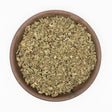
Marshmallow - Leaf
A soothing demulcent herb traditionally used to comfort the throat, digestion, and urinary tract.
Marshmallow leaf (Althea officinalis) is a gentle, soothing marshmallow herb that has been valued in traditional herbalism for centuries. The dried marshmallow leaves produce a mild, slightly sweet infusion rich in natural mucilage, a gel-like substance that coats and soothes irritated tissues. Marshmallow benefits are centred on this demulcent quality, making marshmallow leaf tea a popular choice for sore throats, dry coughs, and digestive comfort.
Key Benefits
- Throat comfort: Traditionally used to soothe dry, irritated throats and ease the discomfort of occasional coughs. The mucilage content provides a gentle coating action.
- Digestive support: Traditionally used to help soothe the digestive tract and ease occasional stomach discomfort. One of the most valued marshmallow benefits.
- Urinary comfort: Traditionally used to support urinary tract comfort and ease mild irritation.
- Rich in mucilage: Marshmallow leaf contains natural polysaccharides that form a soothing gel when steeped in water.
- Gentle and versatile: Mild enough for regular use as a tea, and also suitable for cold infusions, poultices, and home skincare preparations.
Marshmallow tea: Add 1 to 2 teaspoons of dried marshmallow leaf to a cup of boiling water. Cover and steep for 10 to 15 minutes. Strain and drink up to 3 cups daily. For a stronger mucilage extraction, try a cold infusion: soak 2 tablespoons in cold water overnight, then strain in the morning.
Blending: For throat comfort, combine with Licorice Root for natural sweetness. For a soothing digestive blend, pair with Chamomile. Also works well alongside Marshmallow Root for a double-strength marshmallow infusion.
The marshmallow plant is the original source of the confection we know today. Before the modern sugar-and-gelatin version, marshmallow sweets were made by whipping the root sap with honey, a practice dating back to ancient times.
Marshmallow is generally considered safe for dogs and cats. The mucilage-rich properties that soothe human tissues are valued in some veterinary herbal practices as well.
May slow the absorption of other medications if taken at the same time. Space doses at least 1 hour apart from other medicines. This information is not a substitute for medical advice. Consult a healthcare provider before use, especially if pregnant, breastfeeding, or taking medication.
Peppercorns Black
Certified organic whole black peppercorns for everyday grinding, cooking, and piperine bioavailability.
Black peppercorns (Piper nigrum) are the world's most traded spice and a kitchen essential that needs no introduction. These certified organic whole black peppercorns deliver the sharp, aromatic heat that makes freshly ground black pepper irreplaceable in cooking. Beyond flavour, black pepper contains piperine, a compound that has been shown to significantly enhance the absorption of other beneficial compounds, particularly curcumin from turmeric.
Key Benefits
- Freshly ground flavour: Whole peppercorns keep their flavour and aroma far longer than pre-ground pepper. Grind fresh at the table or in cooking for the best results.
- Piperine bioavailability: Black pepper contains piperine, which has been shown to increase the absorption of curcumin (from turmeric) by up to 2,000%. Always add black pepper when using Turmeric.
- Versatile in every cuisine: Used in virtually every cuisine on Earth. Essential in steak au poivre, cacio e pepe, pepper-crusted fish, marinades, stocks, and spice blends.
- Warming digestive spice: Traditionally used in Ayurvedic and European herbal traditions to support healthy digestive function and stimulate appetite.
- Certified organic: Grown without synthetic pesticides or fertilisers.
Everyday grinding: Fill a pepper mill with whole black peppercorns and grind fresh onto any dish. Freshly cracked pepper is dramatically more aromatic and flavourful than pre-ground.
Cooking: Add whole peppercorns to stocks, braises, and pickling brines. Crack coarsely for steak au poivre or pepper-crusted salmon. Combine with Coriander Seed and cumin for spice rubs.
Golden milk: Always add a generous crack of black pepper to golden milk or turmeric lattes. The piperine dramatically increases curcumin absorption from Turmeric.
Black peppercorns are actually the same fruit as white peppercorns, just processed differently. Black peppercorns are picked green and dried whole (keeping the outer skin), while white peppercorns have the outer layer removed. This gives black pepper its characteristic heat and aromatic complexity.
Pepper was so valuable in the ancient and medieval world that it was used as currency, paid as rent, and included in dowries. The global pepper trade shaped the Age of Exploration and drove European colonisation of Asia.
Safe as a culinary spice at normal cooking quantities. May interact with some medications by increasing their absorption. This information is not a substitute for medical advice.
Sweet Paprika
Certified organic sweet paprika powder for vibrant colour, mild flavour, and everyday cooking.
Sweet paprika (Capsicum annuum) is a vibrant, bright-red spice with a mild, sweet, slightly smoky flavour that adds colour and warmth to dishes without heat. This certified organic sweet paprika powder is ground from carefully dried sweet peppers, producing the rich red colour that makes paprika essential in Hungarian goulash, Spanish chorizo, devilled eggs, and dozens of other classic dishes.
Key Benefits
- Vibrant colour: Adds a beautiful bright-red hue to any dish. The colour comes from concentrated carotenoids (capsanthin and capsorubin), powerful natural pigments unique to paprika peppers.
- Mild, sweet flavour: Unlike hot paprika or chilli, sweet paprika adds warmth and depth without heat or spiciness. Perfect for people who want flavour and colour without the burn.
- Everyday cooking spice: Essential in goulash, chicken paprikash, chorizo-style dishes, devilled eggs, roasted potatoes, hummus, and creamy sauces. Use generously for best results.
- Rich in vitamin C: Paprika peppers are so rich in vitamin C that the Nobel Prize was awarded to Hungarian scientist Albert Szentgyorgyi for isolating vitamin C from paprika in 1937.
- Certified organic: Ground from certified organic sweet peppers.
Cooking: Use 1 to 2 tablespoons in goulash, stews, casseroles, and paprikash. Add to roasted vegetables, potato wedges, and rice dishes for colour and flavour. Paprika blooms beautifully when stirred into warm oil or butter.
Seasoning rub: Mix sweet paprika with garlic powder, onion powder, and Black Pepper for a simple chicken or fish seasoning. Combine with Turmeric for an extra colour boost.
Finishing garnish: Sprinkle over hummus, devilled eggs, potato salad, or cream-based soups as a finishing touch. The bright red colour makes dishes look as good as they taste.
Paprika originally comes from the Americas and was brought to Europe by the Spanish in the 16th century. Hungary adopted the pepper so enthusiastically that paprika became the country's national spice. Hungarian cuisine distinguishes eight grades of paprika, from the mildest "kulonleges" (special quality) to the hottest "eros" (strong).
Sweet paprika is not hot. If you want heat, you need hot paprika or chilli powder. This sweet variety is designed for colour and flavour. Safe for dogs and cats in small culinary amounts.
Safe as a culinary spice at normal cooking quantities. People with nightshade sensitivities should be aware that paprika is a Solanaceae family member. This information is not a substitute for medical advice.
Reishi Mushroom
A traditional adaptogenic mushroom used to support immune function, best prepared as a slow-simmered decoction.
Reishi mushroom (Ganoderma lucidum) is one of the most revered medicinal mushrooms, with a history of use spanning over 2,000 years in traditional herbalism. These dried reishi mushroom slices are the whole fruiting body, ideal for preparing a slow-simmered decoction that extracts the full spectrum of beneficial compounds. Reishi benefits include support for healthy immune function and overall resilience, and the mushroom's rich content of beta-glucans and triterpenes has made it one of the most studied fungi worldwide.
Key Benefits
- Immune support: Traditionally used to support healthy immune system function. One of the most valued reishi mushroom benefits, attributed to its beta-glucan and triterpene content.
- Adaptogenic properties: Traditionally used to help the body adapt to everyday stress and support overall resilience and vitality.
- Calm and balance: Traditionally used to promote a sense of calm and support restful sleep, unlike stimulating varieties.
- Whole fruiting body: Dried sliced reishi mushroom, providing the full range of naturally occurring compounds. Ideal for decoction or long-simmered broths.
- Versatile preparation: Simmer in water for reishi tea, add to soups and bone broths, or use as the base for a homemade tincture.
Reishi tea (decoction): Add 3 to 5 slices of dried reishi mushroom to 3 to 4 cups of water. Bring to a gentle boil, then reduce heat and simmer for 1 to 2 hours. The longer the simmer, the stronger the extraction. Strain and drink 1 to 2 cups daily. The flavour is earthy and mildly bitter.
Blending: For a comprehensive immune blend, combine with Astragalus Root. Pair with Lions Mane powder for cognitive support, or add to bone broth alongside Ginger Root for warmth and flavour.
Known as "lingzhi" in traditional practice, reishi was so highly prized that it was reserved for royalty and depicted in ancient artwork as a symbol of longevity and good fortune. Wild reishi is quite rare, growing on hardwood trees in temperate forests.
Reishi is generally considered non-toxic to dogs, and some veterinary supplements contain reishi extracts. However, consult a veterinarian before giving medicinal mushrooms to pets.
May interact with blood-thinning and blood pressure medications. Not recommended during pregnancy or breastfeeding. This information is not a substitute for medical advice. Consult a healthcare provider before use, especially if pregnant, breastfeeding, or taking medication.

Astragalus Powder
An immune-supporting root powder traditionally used as a tonic for energy and resilience.
Astragalus powder (Astragalus membranaceus) is a certified organic root powder traditionally used to support immune function and overall vitality. Known as huang qi in traditional herbalism, astragalus has been used for thousands of years as a deep immune tonic, valued for its ability to support the body's natural defences over the long term. This fine powder format makes it easy to add to daily drinks and food.
Key Benefits
- Immune support: Traditionally used as a deep immune tonic to support healthy immune function over time. One of the most valued astragalus benefits.
- Energy and vitality: Traditionally used to support energy, stamina and recovery from fatigue. A classic tonic herb.
- Adaptogenic qualities: Traditionally used to support the body's resilience to physical and environmental stress.
- Rich in polysaccharides: Astragalus root contains astragalosides and polysaccharides, the key bioactive compounds associated with its traditional uses.
- Convenient powder: Fine powder mixes easily into smoothies, soups, broths and warm drinks. No decoction required.
Daily dose: Add 1/2 to 1 teaspoon of astragalus powder to warm water, tea, smoothies or juice. Stir well. The flavour is mild and slightly sweet, blending easily into most drinks.
In cooking: Stir into soups, broths, congee or porridge. Astragalus has a long culinary tradition and pairs well with savoury dishes.
Blending: Combine with Reishi Mushroom Powder for a deep immune support blend. Add Ginger Root for a warming winter tonic. Pair with Astragalus Root slices if you prefer a simmered decoction.
Astragalus is one of the most widely used herbs in traditional East Asian medicine, where it is classified as a superior (top-grade) herb. It is typically used as a long-term tonic rather than a short-term remedy.
The astragalus plant is a member of the legume (pea) family. The root is harvested after 4 to 7 years of growth, when the concentration of active compounds is highest.
Not recommended during acute infections. May interact with immunosuppressant medications. This information is not a substitute for medical advice. Consult a healthcare provider before use, especially if pregnant, breastfeeding, or taking medication.
Dong Quai - Root
Certified organic dong quai root, a cornerstone TCM blood tonic for women's wellness support.
Dong quai root (Angelica sinensis), known as Dang Gui in Traditional Chinese Medicine, is one of the most important herbs in the Chinese pharmacopoeia. Often called the "female ginseng," this certified organic dong quai root has been used for over 2,000 years as a blood-nourishing tonic, traditionally valued for supporting women's wellness and general vitality. As a dried root, dong quai needs simmering (decoction) to release its active compounds.
Key Benefits
- TCM blood tonic: Traditionally used in Chinese herbal medicine to nourish and invigorate the blood. One of the most prescribed herbs in TCM, appearing in numerous classical formulas.
- Women's wellness: Traditionally used to support women's health and comfort throughout the monthly cycle. Known as the "female ginseng" for its traditional importance in women's herbal formulas.
- General vitality: Traditionally used as a tonic herb to support overall vitality and wellbeing, particularly during periods of recovery or fatigue.
- Certified organic: Grown without synthetic pesticides or fertilisers.
Decoction: Add 3 to 6 grams (roughly 1 to 2 teaspoons) of dried dong quai root to 2 cups of water. Simmer gently for 20 to 30 minutes. Strain and drink. The flavour is warm, slightly sweet, and aromatic.
TCM-style blend: In Chinese herbal tradition, dong quai is often paired with Astragalus Root for a classic Qi and Blood tonic. Add Ginger Root and Licorice Root for a warming, harmonised formula.
Soup ingredient: In Chinese culinary tradition, dong quai slices are simmered into chicken soup as a nourishing tonic, especially valued during recovery and cooler months.
The name "Dang Gui" is often translated as "state of return" or "should come back," referring to the belief that the herb helps return the body to a state of balance. Different parts of the dong quai root are used for different purposes in TCM: the head for stopping bleeding, the body for nourishing blood, and the tail for moving blood.
Dong quai is not the same as European angelica (Angelica archangelica), which Herb Cottage sells as Angelica Root. The two species have different traditional uses.
Not recommended during pregnancy, breastfeeding, or for people with oestrogen-sensitive conditions. May increase sensitivity to sunlight. May interact with blood-thinning medications. This information is not a substitute for medical advice. Consult a healthcare provider before use.
Barberry Bark
A natural source of berberine, traditionally used for digestive and liver support.
Barberry bark from Berberis vulgaris is a certified organic herb and one of the best-known natural sources of berberine, the yellow alkaloid that has attracted significant attention in modern wellness circles. This dried bark is traditionally used to support healthy digestion and liver function, and is best prepared as a decoction (simmered rather than steeped) to extract its bitter, yellow compounds. Barberry bark has a long history in traditional herbal practice stretching back thousands of years.
Key Benefits
- Natural berberine source: Barberry bark contains 3 to 7 percent berberine by weight, along with other complementary alkaloids like berbamine and palmatine.
- Digestive support: Traditionally used to support healthy digestion, ease occasional digestive discomfort, and stimulate appetite. The bitter flavour is considered a feature, not a bug.
- Liver support: Traditionally used to support normal liver and gallbladder function. Valued as a bitter tonic in Western herbal traditions.
- Certified organic: Grown without synthetic pesticides or fertilisers, providing a clean, whole-herb source of berberine.
- Whole herb advantage: Unlike isolated berberine supplements, the whole bark contains a full spectrum of alkaloids and compounds that work together as nature intended.
Decoction: Add 1 to 2 teaspoons of dried barberry bark to 2 cups of water. Bring to a gentle boil, then reduce heat and simmer for 15 to 20 minutes. Strain and drink. The flavour is distinctly bitter and earthy with a yellow colour. Sweeten with honey if desired.
Blending: Pairs well with Dandelion Root for a traditional liver support blend, or with Licorice Root to balance the strong bitter flavour. Also combines well with Turmeric for a warming, golden decoction.
Note: Barberry bark will stain. The yellow berberine pigment can colour cups, cloths, and benchtops. Use a dedicated mug or teapot and wipe spills promptly.
Barberry has one of the longest documented histories of any medicinal plant. It was recorded on Assyrian clay tablets dating to around 650 BCE, where it was described as a remedy for "cleansing the blood." The renowned 17th-century herbalist Nicholas Culpeper also recommended it highly.
The bright yellow colour of barberry bark comes from its berberine content. This same compound was historically used as a natural dye for textiles, leather, and wood, producing a rich golden-yellow colour.
Not recommended during pregnancy or breastfeeding. May interact with diabetes medications, blood thinners, and some antibiotics. This information is not a substitute for medical advice. Consult a healthcare provider before use, especially if pregnant, breastfeeding, or taking medication.
Vanilla Beans - Tahitian Grade A (Papua New Guinea)
Certified organic Tahitian Grade A vanilla beans from Papua New Guinea for baking, extract making, and gourmet cooking.
These certified organic Tahitian vanilla beans (Vanilla tahitensis) are Grade A quality, sourced from Papua New Guinea. These tahitian vanilla beans have a distinctly different flavour profile from the more common Bourbon (Madagascar) vanilla, with floral, fruity, and cherry-like notes alongside the classic vanilla sweetness. These plump, oily vanilla pods are perfect for baking, making homemade vanilla extract, infusing into cream and custard, or adding to cocktails and hot drinks.
Key Benefits
- Tahitian flavour profile: Distinctly different from Bourbon vanilla. Tahitian beans are known for their floral, fruity, anise-like notes with hints of cherry and caramel. Ideal for desserts where vanilla is the star flavour.
- Grade A quality: Plump, moist, and oily beans with a high moisture content. Grade A beans are the top quality for culinary use, with flexible pods and abundant seeds.
- Make your own extract: Split 3 to 5 beans and place in a bottle of vodka or rum. Store in a cool, dark place for at least 2 months. Homemade extract is richer and more complex than commercial versions.
- Certified organic: Grown and cured without synthetic chemicals, supporting sustainable farming practices in Papua New Guinea.
Baking and desserts: Split the bean lengthwise with a sharp knife and scrape out the seeds with the back of the blade. Add the seeds directly to custard, ice cream, cream, cake batter, or pastry cream. For a vanilla chai, combine with Cinnamon Sticks and Ginger Root. Drop the scraped pod into the mixture too for extra flavour, and remove before serving.
Vanilla extract: Split 3 to 5 vanilla beans lengthwise and place in a clean bottle. Cover with 250 ml of vodka, rum, or bourbon. Seal and store in a cool, dark place for at least 8 weeks, shaking occasionally. The extract improves with age and keeps indefinitely.
Vanilla sugar: Bury a whole vanilla bean (or used, scraped pods) in a jar of caster sugar. Seal and leave for 2 weeks. The sugar absorbs the vanilla flavour beautifully. Top up the sugar as you use it. The bean will flavour sugar for months.
Vanilla is the world's most labour-intensive spice crop. Each flower must be hand-pollinated within a few hours of opening, and the beans require months of careful curing (blanching, sweating, drying, and conditioning) to develop their flavour. This is why real vanilla beans are a prized ingredient.
Tahitian vanilla (V. tahitensis) is a natural hybrid, likely descended from V. planifolia crossed with V. odorata. It contains less vanillin than Bourbon vanilla but higher levels of anisaldehyde and heliotropin, giving it that distinctive floral character.
Store vanilla beans in an airtight container or wrapped tightly in cling film at room temperature. Do not refrigerate, as this can cause sugar crystals to form. Well-stored beans keep for up to 2 years. This information is not a substitute for medical advice.
Siberian Ginseng - Root
An adaptogenic root traditionally used to support energy, endurance and stress resilience.
Siberian ginseng (Eleutherococcus senticosus), also known as eleuthero, is a certified organic adaptogenic root traditionally used to support energy, endurance and the body's response to stress. Despite sharing the "ginseng" name, siberian ginseng is a distinct species from true ginseng (Panax), with its own unique profile of bioactive compounds called eleutherosides. The dried root produces a mildly sweet, woody decoction.
Key Benefits
- Energy and endurance: Traditionally used to support sustained energy, stamina and physical performance without the crash of stimulants.
- Stress resilience: A classic adaptogen, traditionally used to help the body cope with physical, mental and environmental stress. A key siberian ginseng benefit.
- Immune support: Traditionally used as a long-term tonic to support healthy immune function and overall resilience.
- Mental clarity: Traditionally used to support focus, concentration and mental stamina during periods of increased demand.
- Rich in eleutherosides: Contains eleutherosides A through E, the unique bioactive compounds responsible for its adaptogenic properties.
Decoction: Add 1 to 2 teaspoons of dried siberian ginseng root to 2 cups of water. Bring to a gentle boil, reduce heat and simmer for 15 to 20 minutes. Strain and drink 1 to 2 cups daily, preferably in the morning or early afternoon.
Tincture: Make a 1:5 tincture with 45% alcohol for a convenient daily preparation.
Blending: Combine with Astragalus Root for an immune and energy tonic. Pair with Rhodiola Root for a dual adaptogenic blend. Add Licorice Root for natural sweetness.
Siberian ginseng gained widespread attention in the 1960s and 1970s when it was extensively studied for its adaptogenic properties. It was reportedly used by cosmonauts and Olympic athletes to enhance performance and resilience.
Despite its common name, siberian ginseng is not a true ginseng (Panax species). It belongs to a different genus (Eleutherococcus) within the same plant family (Araliaceae). The "ginseng" name was applied commercially due to its similar adaptogenic reputation.
May interact with blood-thinning, blood pressure and diabetes medications. Not recommended during pregnancy. This information is not a substitute for medical advice. Consult a healthcare provider before use, especially if pregnant, breastfeeding, or taking medication.
Cornflower
Vivid blue dried flower petals for tea blending, cocktail garnish, culinary decoration, and potpourri.
Dried cornflower (Centaurea cyanus) brings a striking natural blue to tea blends, baked goods, cocktails, and homemade skincare. Also known as bachelor's button, these vibrant blue petals hold their colour beautifully when dried and are one of the few truly blue edible flowers available. Cornflower has a mild, slightly sweet, subtly floral flavour and a long tradition of use in European herbal medicine for eye compresses and skin soothing.
Key Benefits
- Stunning natural blue: One of the few naturally blue edible flowers. Adds a vivid pop of colour to tea blends, baked goods, salads, cocktails, and ice cubes. The blue holds well when dried.
- Tea blending: A favourite addition to custom tea blends for visual appeal. Pairs beautifully with Lavender, Chamomile, and rose petals for floral tea blends.
- Traditional eye herb: Historically known as "break-spectacles" for its long traditional use as a soothing eye wash and compress. The French name bleuet reflects this tradition.
- Edible decoration: Food-safe petals for decorating cakes, desserts, cheese boards, and cocktails. Popular with home bakers and professional pastry chefs alike.
- Craft and beauty: Lovely in potpourri, bath soaks, and homemade soap for natural colour. Also used in candle making and resin art.
Tea blend: Add a pinch of dried cornflower petals to any herbal tea blend for a splash of blue. Cornflower is mild in flavour, so it works as a colour accent rather than a dominant ingredient. Try with Lemon Balm and chamomile for a beautiful calming tea.
Culinary garnish: Scatter petals over cakes, pavlovas, salads, or cheese boards. Freeze individual petals into ice cubes for stunning cocktail presentation. Add to homemade butter or cream cheese for colour.
Eye compress: Steep 1 tablespoon in half a cup of boiled water for 15 minutes. Strain thoroughly through a fine cloth. Allow to cool completely, then use to soak cotton pads for a soothing eye compress.
Cornflower is the national flower of France, where the blue bleuet is worn on Remembrance Day (11 November) alongside the red poppy. The flower takes its botanical name Centaurea from Chiron the centaur of Greek mythology, who was said to have used it to soothe a wound.
The high price reflects the extremely light weight of dried cornflower petals. It takes a large volume of hand-harvested flowers to produce even a small amount of dried petals. Cornflower is non-toxic to dogs, cats, and horses.
People with allergies to the daisy family (Asteraceae) should use caution. This information is not a substitute for medical advice. Consult a healthcare provider before use, especially if pregnant, breastfeeding, or taking medication.
Golden Rod
Goldenrod for urinary support, kidney health, and anti-inflammatory tea blends.
Goldenrod (Solidago virgaurea) is one of the most well-established herbs in European herbal medicine for urinary and kidney support. This certified organic goldenrod herb has a pleasant, mildly sweet flavour and is recognised by both the European Medicines Agency and ESCOP for its traditional use in supporting healthy urinary tract function. Goldenrod tea is a staple of European kidney health blends.
Key Benefits
- Urinary tract support: Traditionally used in European herbal medicine to support healthy urinary tract function and promote comfortable urination. Formally recognised by the EMA for this traditional use.
- Kidney support: Traditionally used to support healthy kidney function and promote natural fluid balance. A key ingredient in traditional European kidney tea formulas.
- Joint comfort: Traditionally used in herbal medicine to support joint comfort and ease occasional stiffness.
- Pleasant flavour: Unlike many medicinal herbs, goldenrod tea has a mildly sweet, honey-like flavour that makes it enjoyable to drink on its own.
- Certified organic: Grown without synthetic pesticides or fertilisers.
Tea infusion: Add 1 to 2 teaspoons of dried goldenrod to a cup of freshly boiled water. Cover and steep for 10 to 15 minutes. Strain and drink up to 3 cups daily. Ensure adequate water intake throughout the day.
Kidney blend: Combine goldenrod with Birch Leaf, Nettle Leaf, and Dandelion Leaf for a classic European kidney support formula.
Joint support blend: Pair goldenrod with Meadowsweet for a traditional joint comfort tea.
Despite a common misconception, goldenrod does not cause hay fever. The real culprit is ragweed, which blooms at the same time. Goldenrod pollen is too heavy and sticky to become airborne and is carried by insects, not wind.
Thomas Edison experimented with goldenrod as a source of natural rubber during the 1920s. He successfully produced rubber from Solidago and even received a set of goldenrod rubber tyres from Henry Ford and Harvey Firestone.
Not suitable for people with oedema caused by heart or kidney conditions. Ensure adequate fluid intake when using. This information is not a substitute for medical advice. Consult a healthcare provider before use, especially if pregnant, breastfeeding, or taking medication.
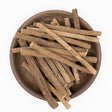
Licorice Sticks
Whole licorice root sticks for chewing, decoctions, and natural sweetness in tea blends.
Licorice sticks (Glycyrrhiza glabra) are whole pieces of dried licorice root in their most traditional form. These licorice root sticks can be chewed directly, simmered into a rich decoction, or added to tea blends for natural sweetness. With a distinctive flavour around 50 times sweeter than sugar, licorice sticks have been chewed and brewed across cultures for thousands of years to support digestive comfort and soothe the throat.
Key Benefits
- Chew straight from the packet: Licorice sticks can be chewed directly for a naturally sweet, satisfying experience. A traditional habit that has been enjoyed worldwide for centuries and may help those looking to reduce sugar or snack cravings.
- Digestive comfort: Traditionally used to support healthy digestive function. Chewing the root slowly releases the sweet, soothing compounds directly.
- Throat soothing: Traditionally used as a demulcent herb to help soothe sore throats and relieve mild coughs. The naturally coating quality of the root is especially welcome in winter.
- Brewing and decoctions: Simmer sticks in water for a rich, sweet tea. Add a stick to any herbal blend for natural sweetness. Also used in home brewing and distilling.
- Whole root sticks: Dried licorice root in its natural form, ready to chew, simmer or blend.
Chewing: Simply chew on a licorice stick for natural sweetness and flavour. The root softens as you chew and slowly releases its compounds. A popular traditional habit and a natural alternative to sugary snacks.
Decoction: Break or chop 1 to 2 licorice sticks into small pieces and simmer in 2 cups of water for 15 to 20 minutes. Strain and drink. Pairs beautifully with Ginger Root for a warming winter tea, or with Peppermint for a refreshing digestive blend.
Blend sweetener: Drop a whole stick into a pot of herbal tea while brewing to add natural sweetness. Works especially well with bitter herbs like Dandelion Root or earthy teas like Licorice Root Tea (cut form).
Licorice root was found in the tomb of Tutankhamun, dating its use to at least 1323 BCE. Alexander the Great reportedly had his soldiers carry licorice sticks on campaigns, believing it helped them stay hydrated during long marches. In Traditional Chinese Medicine, licorice root is known as Gan Cao, the "Great Harmoniser."
Licorice root is not classified as toxic to dogs or cats in small amounts. However, the glycyrrhizin compound can be harmful to pets in large quantities, so store sticks out of reach.
Not recommended during pregnancy or for people with high blood pressure or kidney disease. Limit use to 4 to 6 weeks at a time. This information is not a substitute for medical advice. Consult a healthcare provider before use, especially if pregnant, breastfeeding, or taking medication.
Gymnema Sylvestre
Known as the 'sugar destroyer,' this Ayurvedic leaf temporarily blocks sweet taste on the tongue.
Gymnema sylvestre, known in Ayurveda as Gurmar or "sugar destroyer," is one of the most fascinating herbs you will ever try. This certified organic gymnema leaf has a remarkable property: brew it as a tea, swish it around your mouth, and for the next 30 to 60 minutes, sweet foods will taste like cardboard. Used in Ayurvedic herbalism for over 2,000 years, gymnema is traditionally valued for supporting healthy blood sugar levels and may help reduce sugar cravings naturally.
Key Benefits
- Sweet taste blocker: Gymnemic acids fill the sugar receptors on your taste buds, temporarily switching off your ability to taste sweetness. A unique and completely natural effect.
- Blood sugar support: Traditionally used in Ayurvedic medicine to support healthy glucose metabolism and maintain blood sugar levels already within the normal range.
- Sugar craving support: The sweet-taste-blocking effect may help reduce the desire for sugary foods, making it a useful addition to a balanced approach to sugar reduction.
- Rich in gymnemic acids: The primary bioactive compounds responsible for gymnema's well-studied properties. Loose leaf tea allows direct contact with taste receptors for the full effect.
- Certified organic: Grown without synthetic pesticides or fertilisers, supporting both quality and sustainable farming practices for this vulnerable species.
Gymnema tea: Add 1 to 2 teaspoons of dried gymnema leaf to a cup of freshly boiled water. Steep for 5 to 10 minutes, then strain. Swish the tea around your mouth before swallowing to maximise contact with taste receptors. The flavour is earthy and distinctly bitter.
Blending ideas: Gymnema pairs beautifully with Cinnamon for warmth and natural sweetness, or with Fenugreek, a classic Ayurvedic combination used for thousands of years. Adding Ginger Root brings warming depth and helps balance the bitterness.
Tip: Drink gymnema tea 15 to 30 minutes before meals for maximum effect on sweet taste perception. Adding honey or sugar to the tea itself will not help, as the gymnemic acids block your ability to taste them.
The Sanskrit name Meshashringi means "ram's horn," referring to the shape of the leaves. Gymnema's sweet-taste-blocking ability is so reliable that university neuroscience courses use it to teach students about how taste receptors work.
Gymnema is not classified as toxic to dogs or cats. However, pets on blood sugar or anticoagulant medications should not be given gymnema without veterinary guidance.
May enhance the effects of blood sugar medications, potentially causing low blood sugar. Not recommended during pregnancy or breastfeeding. This information is not a substitute for medical advice. Consult a healthcare provider before use, especially if pregnant, breastfeeding, or taking medication.
Jasmine Bud Tea
Fragrant, unopened jasmine buds for a naturally caffeine-free floral tea.
These dried jasmine buds from Jasminum officinale offer one of the most beautifully fragrant herbal teas you can brew. Unlike jasmine-scented green teas, this is a pure jasmine bud tea with no added caffeine. The tightly closed buds hold their aromatic oils well, releasing a sweet, heady floral flavour when steeped. Traditionally valued for calming the mind and easing nervous tension.
Key Benefits
- Naturally caffeine-free: Pure jasmine buds contain no caffeine, making them perfect for evening drinking or for those avoiding stimulants.
- Calming and aromatic: Traditionally used to help ease mild nervous tension and promote relaxation. The fragrance alone has been studied for its calming effects.
- Versatile ingredient: Use in teas, baking, cocktails, mocktails, milk infusions, and homemade bath products. The buds also work well in potpourri and sachets.
- Beautiful presentation: The small, tightly closed buds open gently in hot water, making a visually appealing cup of tea.
- Pairs well with other florals: Blends beautifully with rose, lavender, and chamomile for custom floral tea blends.
Tea: Place 1 to 2 teaspoons of jasmine buds in a cup and pour over water at about 80 to 85 degrees (not boiling, as high heat can damage the delicate flavour). Steep for 3 to 5 minutes. The buds can be re-steeped 2 to 3 times.
Blending: Creates a lovely floral blend with Chamomile for a calming bedtime tea, or with Lavender for a fragrant relaxation blend. Also try mixing with Organic Red Rose Petals for a beautiful all-floral tea.
Culinary and craft: Infuse into milk or cream for jasmine panna cotta, ice cream, or lattes. Add to sugar for jasmine-scented sugar. Use whole buds as a garnish on cakes and desserts.
The name "jasmine" comes from the ancient word "yasmin," meaning "gift from God." In many cultures, jasmine flowers are used in wedding garlands and ceremonies as a symbol of love and good fortune.
It takes roughly one million jasmine flowers to produce a single kilogram of jasmine absolute for the perfume industry, making it one of the most precious floral ingredients in the world.
Generally considered safe in food amounts. Insufficient data on safety during pregnancy, so caution is advised. This information is not a substitute for medical advice. Consult a healthcare provider before use, especially if pregnant, breastfeeding, or taking medication.
Nigella
Botanical Name: Nigella sativa
Part Used: Seed
All information provided on this website is for informational purposes only. Please seek professional advice before commencing any treatment.
Cornsilk
Gentle dried corn silk for urinary support tea, kidney health blends, and fluid balance.
Cornsilk tea (Zea mays) is made from the fine, silky threads found on fresh corn cobs. These delicate strands have been used for centuries in Native American, Chinese, and European herbal traditions to support healthy urinary tract and kidney function. Corn silk tea has a pleasantly mild, slightly sweet flavour with a silky mouthfeel, making it one of the easiest medicinal herbs to drink on its own or blended.
Key Benefits
- Urinary tract support: Traditionally used in herbal medicine to support healthy urinary tract function and promote comfortable urination. A gentle, soothing herb for the urinary system.
- Gentle natural diuretic: Traditionally used to support healthy fluid balance. Unlike harsh diuretics, corn silk is naturally rich in potassium, which may help maintain mineral balance.
- Kidney support: Traditionally used in both Western and Chinese herbal medicine to support healthy kidney function. Often included in kidney health tea blends alongside birch leaf and dandelion.
- Mild and pleasant: One of the mildest medicinal herbs available. The slightly sweet, silky flavour makes corn silk tea approachable for people who find other herbal teas too bitter or strong.
Tea infusion: Add 1 to 2 tablespoons of dried corn silk to a cup of freshly boiled water. Cover and steep for 10 to 15 minutes. Strain and drink up to 3 cups daily. Best consumed earlier in the day due to its gentle diuretic action.
Kidney support blend: Combine equal parts corn silk with Birch Leaf, Dandelion Leaf, and Nettle Leaf for a traditional kidney health tea. Add Peppermint for a refreshing finish.
Cold brew: Place 2 tablespoons of corn silk in a jar of cold water overnight in the fridge. Strain in the morning for a smooth, mellow brew.
Corn silk is the style and stigma of the female corn flower, with each silk strand connected to a single kernel on the cob. The cornsilk benefits valued by herbalists are concentrated in freshly dried material. In Chinese herbal medicine, corn silk is known as Yu Mi Xu and has been used for centuries to support urinary and kidney health.
Corn silk is considered non-toxic to dogs and cats. People with corn or grass pollen allergies should use caution, as cross-reactivity is possible.
People taking diuretic or blood sugar medication should consult a healthcare provider before use, as corn silk may enhance these effects. This information is not a substitute for medical advice. Consult a healthcare provider before use, especially if pregnant, breastfeeding, or taking medication.
Feverfew Sold Out
Traditional headache herb for daily use, mild tension relief, and herbal wellness blends.
Feverfew (Tanacetum parthenium) is best known in Western herbal medicine for its traditional use in supporting comfort from mild headaches when taken regularly over time. This dried feverfew herb has a distinctly bitter taste and is traditionally taken daily as a preventative rather than as a one-off remedy. Feverfew tea is prepared as a simple infusion and is often blended with milder-tasting herbs.
Key Benefits
- Headache support: Traditionally used in Western herbal medicine to help relieve mild headaches and head tension when taken regularly. Best results are seen with consistent daily use over several weeks.
- Preventative approach: Unlike many herbs used for immediate relief, feverfew is traditionally taken daily as a preventative measure, building its effect over time.
- Contains parthenolide: The key active compound, parthenolide, is a sesquiterpene lactone that has been the subject of considerable research interest.
- Joint comfort: Traditionally used to support joint comfort and ease occasional stiffness.
Daily tea: Add 1 to 2 teaspoons of dried feverfew to a cup of freshly boiled water. Cover and steep for 10 to 15 minutes. Strain and drink once daily. The flavour is quite bitter. Add honey and Peppermint to improve the taste.
Headache blend: Combine feverfew with Betony and Chamomile for a traditional head comfort tea. Take daily for best results.
The name "feverfew" comes from the Latin febrifugia, meaning "fever reducer," though the herb is now better known for head comfort support than for fever. It has been grown in English cottage gardens for centuries and was a common household remedy in medieval Europe.
Do not suddenly stop taking feverfew after long-term daily use, as some people experience a rebound effect. Taper off gradually over a week or two.
Not recommended during pregnancy or breastfeeding. People with allergies to the daisy family (Asteraceae) should avoid. May interact with blood-thinning medications. This information is not a substitute for medical advice. Consult a healthcare provider before use.
Crampbark
Traditional bark for muscle cramp relief, menstrual comfort, and tension support.
Crampbark (Viburnum opulus), also known as cramp bark, is one of the most specific herbs in the Western herbal tradition for muscle cramp and spasm relief. This dried bark has been used for centuries to ease muscular tension, support menstrual comfort, and soothe cramping. As a dried crampbark, it needs simmering into a cramp bark tea (decoction) rather than steeping to release its active compounds.
Key Benefits
- Muscle cramp relief: Traditionally used in Western herbal medicine to help relieve muscle cramps and spasms. The name says it all: this is the go-to herb for cramping.
- Menstrual comfort: Traditionally used to support comfort during menstruation and help relieve period cramps. Often combined with other women's wellness herbs for monthly support.
- Muscular tension: Traditionally used to help relieve general muscular tension, tightness, and discomfort. May be particularly helpful after physical exertion.
- Decoction herb: As a dried bark, cramp bark requires gentle simmering for 15 to 20 minutes to extract its beneficial compounds effectively.
Decoction: Add 1 to 2 teaspoons of dried cramp bark to a cup of water. Bring to a gentle simmer and cook for 15 to 20 minutes. Strain and drink up to 3 cups daily as needed. The flavour is mild and slightly bitter.
Menstrual blend: Simmer cramp bark with Ginger Root for warmth, then add Chamomile after removing from heat for a soothing period comfort tea.
Muscle tension blend: Combine with Valerian Root for a stronger muscle-relaxing decoction. Add Passionflower after simmering for additional calming support.
Viburnum opulus is also known as the guelder rose and is closely related to black haw (Viburnum prunifolium), which has similar traditional uses. In Russia and Ukraine, the guelder rose is a national symbol and its bright red berries feature in folk songs and embroidery.
Cramp bark is not well studied for pet safety. As with any herbal product, keep out of reach of animals and consult a veterinarian before giving herbal preparations to pets.
People with aspirin sensitivity should use caution as cramp bark contains salicin. Not recommended during pregnancy without professional guidance. This information is not a substitute for medical advice. Consult a healthcare provider before use, especially if pregnant, breastfeeding, or taking medication.
Carob Powder Roasted
A naturally sweet, caffeine-free certified organic powder, perfect as a chocolate alternative.
Roasted carob powder (Ceratonia siliqua) is a certified organic, naturally sweet powder made from the roasted pods of the carob tree. With a warm, chocolatey flavour and gentle caramel sweetness, carob powder is a popular caffeine-free alternative to cocoa in baking, hot drinks, and smoothies. Unlike chocolate, carob contains no caffeine, no theobromine, and is naturally lower in fat, making it a gentler choice for those sensitive to stimulants.
Key Benefits
- Chocolate alternative: Roasted carob powder has a warm, chocolatey flavour with natural sweetness, making it an excellent substitute for cocoa powder in most recipes.
- Caffeine and theobromine free: Contains no stimulants at all, making it suitable for those who are sensitive to caffeine, for children, and for evening treats.
- Naturally sweet: Carob is naturally sweeter than cocoa, so recipes using carob powder typically need less added sugar.
- High in fibre: Contains 26 to 40 grams of dietary fibre per 100 grams, significantly higher than most food powders.
- Rich in calcium: A natural source of calcium (300+ mg per 100g), along with iron, magnesium, and potassium. Certified organic.
Hot carob drink: Stir 1 to 2 tablespoons of carob powder into a cup of warm milk (dairy or plant-based). No sweetener needed for most tastes, but a drizzle of honey works well. For a richer drink, whisk the powder into a small amount of milk first to avoid lumps.
In baking: Substitute carob powder for cocoa powder at a 1:1 ratio in cakes, brownies, biscuits, and muffins. Reduce sugar in the recipe by roughly one-third, as carob is naturally sweeter than cocoa.
Smoothies: Add 1 tablespoon to smoothies for a chocolate-like flavour. Pairs well with banana, almond milk, and a spoonful of nut butter.
Blending: Try combining with Lavender for a soothing evening drink, or with Peppermint for a carob-mint treat. Ginger adds a warming kick to a hot carob drink.
The word "carat," used to measure the weight of gemstones, comes from the Greek word for carob seed ("kerátion"). Ancient gem traders used carob seeds as counterweights on their scales because they were believed to be remarkably uniform in size. The carat was standardised at 200 milligrams in 1907.
Unlike chocolate, carob powder is safe for dogs. It contains no theobromine or caffeine, making carob treats a popular choice among pet owners looking for a dog-safe chocolate alternative.
This information is not a substitute for medical advice. Consult a healthcare provider before use, especially if pregnant, breastfeeding, or taking medication.
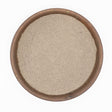
Comfrey Root Powder
Certified organic comfrey root in fine powder form for poultices, salves, and skincare preparations.
Comfrey root powder (Symphytum officinale) is a finely ground form of the traditional "knitbone" herb, ready to mix into poultices, salves, balms, and topical skin preparations. This certified organic comfrey root powder is rich in allantoin and offers the same traditional benefits as the whole root in a convenient powder form that blends easily into carrier oils and creams. Comfrey root powder is for external use only.
Key Benefits
- Convenient powder form: Mixes directly into oils, balms, and creams without the need for simmering or chopping. Ideal for making smooth, even poultices and topical preparations.
- External use tradition: Traditionally used in poultices and salves to support the body's natural recovery from minor bumps, bruises, sprains, and strains.
- DIY skincare ingredient: Popular in homemade creams, body butters, and healing balms. The fine powder disperses evenly, giving a smooth finish to topical products.
- Rich in allantoin: Contains allantoin, a natural compound valued for supporting healthy cell renewal and skin comfort.
- Certified organic: Ground from certified organic comfrey root, free from synthetic pesticides and fertilisers.
Poultice: Mix 2 tablespoons of comfrey root powder with enough warm water to form a thick paste. Spread onto a clean cloth and apply to the affected area for 15 to 30 minutes. For bruise and strain support, combine with Arnica.
Salve making: Stir comfrey root powder into warmed carrier oil (1 part powder to 4 parts oil). Heat gently in a double boiler for 2 to 3 hours, strain through fine muslin, and add beeswax (1 part beeswax to 8 parts oil) to set. Calendula Petals infused alongside make an excellent companion.
Body butter: Add 1 to 2 teaspoons of comfrey root powder to homemade body butter or cream recipes. Blends well with Lavender for a soothing topical preparation.
Pyrrolizidine alkaloids (PAs) in comfrey have very low solubility in oil, which is why oil-based preparations like salves and balms are considered the safest way to use comfrey externally. Water extracts more PAs, which is another reason comfrey should not be taken as a tea.
Comfrey root contains pyrrolizidine alkaloids which can be harmful to the liver if taken internally. This product is for external use only. Keep out of reach of pets, as comfrey is toxic to dogs, cats, and horses if ingested.
For external use only. Do not take internally. Contains pyrrolizidine alkaloids. Do not apply to broken skin or deep wounds. Not suitable during pregnancy or breastfeeding. Keep away from children and pets. This information is not a substitute for medical advice.
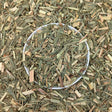
Lemongrass Tea
Certified organic lemongrass leaf for bright citrus tea, cooking, and digestive comfort.
Lemongrass tea (Cymbopogon citratus) is a refreshing, citrus-flavoured herb that is equally at home in the teapot and the kitchen. This certified organic lemongrass has a bright, clean lemon flavour with a hint of ginger, making it one of the most popular and versatile herbal teas available. Lemongrass is traditionally used to support healthy digestive function and promote relaxation, and is a key ingredient in Thai, Vietnamese, and Southeast Asian cooking.
Key Benefits
- Bright citrus flavour: A naturally caffeine-free tea with a refreshing lemon taste that is enjoyable hot or iced. One of the most pleasant-tasting herbal teas, perfect for everyday drinking.
- Digestive comfort: Traditionally used in herbal medicine to support healthy digestive function and ease occasional bloating and stomach discomfort after meals.
- Calming and relaxing: Traditionally used to promote relaxation and support a calm state of mind. A lovely evening tea that pairs well with other calming herbs.
- Culinary versatility: A staple of Thai and Southeast Asian cooking. Add to curries, soups (Tom Yum, Tom Kha), stir-fries, and marinades for authentic flavour.
- Certified organic: Grown without synthetic pesticides or fertilisers.
Tea: Add 1 to 2 teaspoons of dried lemongrass to a cup of freshly boiled water. Cover and steep for 5 to 10 minutes. Strain and drink hot, or chill for a refreshing iced tea. Add honey and a slice of fresh ginger for a warming variation.
Citrus blend: Combine lemongrass with Lemon Verbena and Lemon Balm for a triple-citrus herbal tea. Add Ginger Root for a warming twist.
Cooking: Add dried lemongrass directly to curries, soups, and broths. Simmer for at least 15 minutes to release the flavour. Use 1 tablespoon of dried lemongrass in place of 1 fresh stalk.
In the Caribbean, lemongrass is known as "fever grass" and is traditionally brewed as a tea during illness. The distinctive lemon scent comes from citral, the same compound found in lemon peel, which makes up around 75% of the essential oil.
Lemongrass grows well in Australian gardens, especially in Queensland and other warm, humid regions. It is generally considered non-toxic to dogs and cats, though the tough leaves can cause mild stomach upset if eaten in large quantities.
Generally very safe as a food and tea. Avoid large medicinal doses during pregnancy. This information is not a substitute for medical advice. Consult a healthcare provider before use, especially if pregnant, breastfeeding, or taking medication.
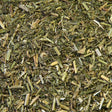
Alfalfa
A nutrient-dense green herb, traditionally used as a daily tonic tea to support mineral intake, digestion, and overall vitality.
One of the most nutrient-dense dried herbs you can steep in a cup. Medicago sativa, also known as lucerne in Australia, has been valued for centuries as a daily nutritive tonic, earning the nickname "Father of All Foods" for its exceptional concentration of vitamins, minerals, and plant compounds. This certified organic dried alfalfa is a simple, whole-plant way to support your everyday mineral intake.
Key Benefits
- Rich in minerals: Dried alfalfa is one of the most concentrated plant sources of calcium, magnesium, iron, and potassium, making it a popular choice for those looking to boost micronutrient intake through whole herbs.
- High in Vitamin K: Alfalfa is among the richest plant sources of Vitamin K1, which may help support healthy bones and normal blood clotting.
- Chlorophyll-rich: The deep green colour reflects naturally high chlorophyll content, traditionally used as part of a daily "green tonic" routine.
- Hormonal support: Contains naturally occurring isoflavones (including formononetin and biochanin A), traditionally used to support women during hormonal transitions such as perimenopause.
- Digestive support: The fibre content and mildly bitter compounds in alfalfa have been traditionally used to support healthy digestion and normal appetite.
- Antioxidant activity: Flavonoids including quercetin and luteolin contribute to antioxidant activity and may help protect cells from free radical damage.
Infusion: Add 1–2 teaspoons of dried alfalfa aerials to 250ml of freshly boiled water. Steep covered for 10–15 minutes, then strain. A squeeze of lemon juice after steeping can help boost iron absorption and brighten the flavour. Drink 1–3 cups daily. For a deeper nutritive extraction, try a long infusion: steep 2–3 tablespoons in a litre of boiled water in a sealed jar for 4–8 hours, then strain.
Cold brew: Combine 2 tablespoons of dried alfalfa with 500ml of cold filtered water in a sealed jar. Refrigerate overnight, strain in the morning, and serve over ice with lemon for a mild, refreshing iced tea.
Blending: Alfalfa pairs beautifully with other nutritive herbs. Try it with Goji Berry for a mineral and antioxidant-rich infusion, or blend with Sage for a traditional women's wellness tea. A few leaves of peppermint or spearmint will add brightness if you prefer a more flavourful brew.
If you grew up in rural Australia, you probably know this plant as lucerne. Its roots can reach 4–10 metres into the soil, drawing up minerals that shallow-rooted plants simply cannot access. That same depth is part of why the dried herb is so nutritionally dense.
The word "alfalfa" comes from the Arabic al-faṣfaṣa, meaning "father of all foods". When Persian armies invaded Greece in 490 BCE, they left behind fields of this prized fodder crop, and it has followed the trail of empires ever since.
Alfalfa's exceptionally high Vitamin K content made it a key research material in the 1930s, contributing to the discovery of Vitamin K itself, work that earned Henrik Dam the 1943 Nobel Prize in Physiology or Medicine.
Avoid if you have an autoimmune condition such as lupus (SLE). Not recommended during pregnancy. Very high in Vitamin K1 and may interact with warfarin and other anticoagulant medications. This information is not a substitute for medical advice. Consult a healthcare provider before use, especially if pregnant, breastfeeding, or taking medication.

Hawthorn Berry Powder
Wildcrafted hawthorn berry in fine powder form for cardiovascular support and smoothies.
Hawthorn berry powder (Crataegus monogyna) is one of the most well-researched herbs for supporting healthy cardiovascular function. This wildcrafted hawthorn berry powder has a pleasant, mildly sweet and tangy flavour, making it easy to add to smoothies, food, or hot water. Hawthorn berry is traditionally used to support heart health and healthy blood pressure, and has been the subject of extensive clinical research in Europe.
Key Benefits
- Cardiovascular support: Traditionally used in European herbal medicine to support healthy heart function and cardiovascular wellbeing. One of the most clinically studied herbs for this purpose.
- Blood pressure support: Traditionally used to help maintain healthy blood pressure within the normal range.
- Rich in antioxidants: Hawthorn berries contain high levels of flavonoids and procyanidins (OPCs), powerful antioxidant compounds that support circulatory health.
- Convenient powder form: Stir into smoothies, yoghurt, porridge, or hot water. No simmering or straining required.
Quick tea: Stir 1 to 2 teaspoons of hawthorn berry powder into a cup of hot water. The flavour is mildly sweet and tangy. Add honey if desired. Combines well with Hawthorn Leaf and Flower for a whole-plant approach.
Smoothie: Blend 1 to 2 teaspoons into fruit smoothies with berries, banana, or apple. The mild flavour works well with most fruits.
Cooking: Add to porridge, yoghurt, energy balls, or baking. Hawthorn berry powder has traditionally been used in breads, jellies, and preserves. Pairs well with Rosehip for a vitamin C-rich antioxidant blend.
In Celtic and British folklore, the hawthorn (or "may tree") is considered one of the most magical trees. It was believed to mark the entrance to the fairy realm, and cutting down a hawthorn was thought to bring bad luck. May Day celebrations traditionally involved gathering hawthorn blossom.
Hawthorn has been studied in over 30 clinical trials for cardiovascular support. It is one of the best-evidenced herbs in European phytotherapy for heart health.
May interact with heart medications, blood pressure medications, and blood thinners. Do not use alongside digoxin or similar cardiac drugs without medical supervision. This information is not a substitute for medical advice. Consult a healthcare provider before use, especially if pregnant, breastfeeding, or taking medication.
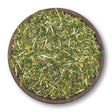
Skullcap Tea - Australian Grown
Sold Out
Australian grown, certified organic skullcap for calming tea, anxiety support, and nervous tension relief.
This Australian grown skullcap tea (Scutellaria lateriflora) is a locally cultivated, certified organic version of one of the most valued nervine herbs in Western herbal medicine. Skullcap is traditionally used to ease nervous tension, support calm, and promote restful sleep. Grown right here in Australia, this skullcap tea offers the freshness and quality that comes with local organic cultivation.
Key Benefits
- Calming nervine: Traditionally used in Western herbal medicine to ease nervous tension, restlessness, and mild anxiety. One of the gentlest and most reliable nervine herbs available.
- Sleep support: Traditionally used to promote restful sleep without causing heavy sedation. Suitable for evening use to help quiet a busy mind before bed.
- Nervous system tonic: Traditionally used as a nervine trophorestorative, meaning it gradually nourishes and strengthens the nervous system with regular use.
- Australian grown: Cultivated in Australia, supporting local growers and ensuring freshness. Certified organic, with no synthetic pesticides or fertilisers.
Calming tea: Add 1 to 2 teaspoons of dried skullcap to a cup of freshly boiled water. Cover and steep for 10 to 15 minutes. Strain and drink. The flavour is mildly bitter and slightly grassy. Add honey to taste.
Sleep blend: Combine skullcap with Passionflower and Chamomile for a gentle sleep tea. For a stronger formula, add Valerian Root.
Anxiety blend: Pair skullcap with Lemon Balm and Lavender for a calming daytime tea that eases tension without causing drowsiness.
American skullcap gets its name from the small, helmet-shaped flowers that resemble a medieval skullcap or galea. It is a completely different species from Baikal skullcap (Scutellaria baicalensis), which Herb Cottage sells as Baikal Skullcap Root. American skullcap is a leaf herb for calming, while Baikal skullcap is a root used as a TCM heat-clearing herb.
Herb Cottage also stocks an imported Skullcap Tea at a lower price point. Both are the same species with the same traditional uses. Choose this Australian grown version to support local growers.
May enhance the effects of sedative medications. Not recommended during pregnancy or breastfeeding. This information is not a substitute for medical advice. Consult a healthcare provider before use, especially if pregnant, breastfeeding, or taking medication.
Rosemary - Australian Grown
Our Australian-grown rosemary is a delightfully aromatic herb, traditionally used to enhance lamb dishes, and it is an exceptional accompaniment to a variety of meats, particularly game. Incorporate it into your roast potato recipe along with some garlic, or add it to roast tomatoes and sauces for an added burst of flavour.
Rosemary pairs beautifully with pumpkin, infusing both sweet and savoury dishes with its unique essence. Experiment by adding it to pumpkin soup, cookies, or pie. It also enhances dishes that feature citrus elements.
After a strenuous day, add rosemary to your bathwater to help soothe achy muscles and alleviate tension.
Rosemary is renowned for its medicinal benefits too, notably in enhancing memory and focus. It shows promise in the treatment of Alzheimer’s and Parkinson’s disease. It supports liver detoxification, aids in improving circulation and offers relief from tension-induced headaches.
Used externally, it can potentially alleviate arthritis symptoms, neuralgia, muscle and joint pain, and sciatica.
For internal use, steep 2g of the herb in a cup of boiling water to brew a revitalising rosemary tea, suggested to be consumed three times a day.
For external use, steep 50g of the herb in a litre of boiling water, cover it and let it infuse for 15 minutes before adding it to your bath. Alternatively, mix it with oil and massage onto the affected area.
Part Used Leaves
Actions Antimicrobial, spasmolytic, antioxidant, circulatory stimulant, hepatoprotective.
All information provided on this website is for informational purposes only. Please seek professional advice before commencing any treatment.
Juniper Berries
Aromatic organic berries for gin making, cooking with game meats, and herbal tea blends.
Juniper berries from Juniperus communis are the aromatic, piney-citrus seed cones that give gin its distinctive flavour. These certified organic dried juniper berries are versatile enough for craft gin and spirit infusions, game meat cookery, spice rubs, and herbal tea preparations. With a clean, resinous aroma and a warm, slightly peppery taste, they are a staple for home brewers and cooks alike.
Key Benefits
- Gin and brewing: The essential botanical for gin making. Rich in alpha-pinene and other aromatic terpenes that create the classic juniper character in craft spirits and botanical infusions.
- Culinary spice: A key ingredient in European cooking, especially with game meats, pork, sauerkraut, and hearty stews. Adds depth to spice rubs and marinades.
- Herbal tea: Makes a warming, aromatic juniper tea on its own or blended with other herbs. Traditionally used to support healthy urinary and digestive function.
- Certified organic: Grown without synthetic pesticides, important for a berry used in food and drink preparation.
- Rich in essential oils: Contains terpinen-4-ol, alpha-pinene, sabinene, and myrcene, contributing to its distinctive aroma and traditional properties.
Gin infusion: Lightly crush 2 tablespoons of juniper berries and add to 700 ml of neutral spirit (vodka works well). Steep for 24 to 48 hours, tasting regularly. Add complementary botanicals like Rosemary, citrus peel, or Fennel Seeds for complexity. Strain through muslin when the flavour is right.
Cooking: Crush 6 to 8 berries per serving and add to game meats (kangaroo, venison, duck), pork roasts, or sauerkraut. Toast lightly in a dry pan before crushing to intensify the aroma. Works well in spice rubs with black pepper, Rosemary, and garlic.
Tea: Lightly crush 1 teaspoon of berries and steep in a cup of boiling water for 10 to 15 minutes. Strain and enjoy. Pairs well with fennel and peppermint for a digestive blend.
The word "gin" traces directly back to juniper. It comes from the Dutch "jenever" (itself from the Latin "juniperus"), which was originally a medicinal spirit flavoured with juniper berries in 17th-century Holland.
Juniper "berries" are not true berries at all. They are fleshy seed cones that take 2 to 3 years to ripen, starting green and maturing to a deep blue-black with a distinctive waxy bloom.
In medieval Europe, juniper branches were burned to fumigate rooms during outbreaks of plague, and bundles were hung above doorways as a folk charm against evil spirits.
Not suitable during pregnancy or for people with kidney conditions. Limit continuous use to 4 to 6 weeks. This information is not a substitute for medical advice. Consult a healthcare provider before use, especially if pregnant, breastfeeding, or taking medication.

Sacred Lotus Flower
A delicate, calming floral tea traditionally used to promote relaxation and ease restlessness.
Sacred lotus flower (Nelumbo nucifera) produces a gentle, golden infusion with soft floral notes and a subtle sweetness. Valued for thousands of years across multiple herbal traditions, lotus flower tea is traditionally used to promote calm, support restful sleep, and ease mild nervous tension. The dried petals and stamens brew into a light, soothing cup that suits any time of day.
Key Benefits
- Calming and relaxing: Traditionally used to promote a sense of calm and ease mild nervous tension. A popular choice as an evening wind-down tea.
- Sleep support: Traditionally used to support restful sleep and settle a busy mind before bed.
- Rich in antioxidants: Contains flavonoids including kaempferol and quercetin, which may help protect cells from oxidative stress.
- Gentle on the stomach: The mild, non-acidic infusion is easy to drink and well-tolerated by most people.
- Beautiful presentation: The dried petals open gracefully in hot water, making lotus flower tea a lovely addition to a mindful tea ritual.
Lotus flower tea: Add 3 to 5 grams of dried lotus flower (roughly a tablespoon) to a cup of water heated to around 85 degrees. Steep for 5 to 10 minutes, covered. The infusion can be re-steeped 2 to 3 times, with the flavour becoming more delicate with each steep.
Blending: Pairs beautifully with Chamomile for a deeply calming bedtime blend. Also lovely with Rose Petals for a floral afternoon tea, or with Passionflower for extra relaxation support.
The sacred lotus is revered across many cultures. In Buddhist and Hindu traditions, the lotus symbolises purity and spiritual awakening because it blooms clean and beautiful from muddy water. It is the national flower of both India and Vietnam.
This is sacred lotus (Nelumbo nucifera), a different plant from blue lotus (a water lily). Sacred lotus flowers are pink to white, never blue, and the two belong to entirely separate plant families.
May interact with diabetes or blood pressure medications. This information is not a substitute for medical advice. Consult a healthcare provider before use, especially if pregnant, breastfeeding, or taking medication.
Horseradish
Botanical Name: Armoracia rusticana
All information provided on this website is for informational purposes only. Please seek professional advice before commencing any treatment.
Horny Goat Weed
Dried epimedium leaf, a traditional TCM kidney yang tonic for vitality and energy support.
Horny goat weed (Epimedium sagittatum), known as Yin Yang Huo in Traditional Chinese Medicine, is a well-known TCM kidney yang tonic that has been used in Chinese herbal medicine for over 1,000 years. This dried epimedium leaf contains icariin, a flavonoid compound that has been the subject of extensive modern research. In TCM, horny goat weed is traditionally used to support kidney yang energy, vitality, and overall wellbeing.
Key Benefits
- TCM kidney yang tonic: Traditionally used in Chinese herbal medicine to tonify kidney yang, support vitality, and strengthen the body's warming energy. One of the most well-known yang tonic herbs.
- Contains icariin: The key active compound, icariin, is a prenylated flavonoid unique to Epimedium species and has been the subject of over 3,000 published research papers.
- Energy and vitality: Traditionally used to support energy levels, physical stamina, and overall vitality, particularly during periods of fatigue or depletion.
- Joint and bone support: Traditionally used in TCM to support healthy bones and joints, particularly in combination with other kidney yang tonic herbs.
Tea infusion: Add 1 to 2 teaspoons of dried epimedium leaf to a cup of freshly boiled water. Cover and steep for 10 to 15 minutes. Strain and drink. The flavour is mild and slightly grassy.
TCM-style blend: In Chinese herbal tradition, Yin Yang Huo is often combined with Astragalus Root for Qi and yang support, or with Ginger Root for added warmth.
Tincture: Pack a jar one-third full with dried epimedium leaf. Cover with vodka (40% alcohol). Seal and store in a dark place for 4 to 6 weeks, shaking daily. Strain and bottle.
The colourful common name comes from a Chinese legend about a goat herder who noticed his flock became unusually energetic after grazing on epimedium plants. The Chinese name Yin Yang Huo translates more poetically as "herb of the lustful goat."
Epimedium is also a popular ornamental garden plant in temperate climates, valued for its heart-shaped leaves and delicate spring flowers. There are over 60 species of Epimedium, but E. sagittatum is the species most commonly used in TCM.
May interact with blood-thinning medications, blood pressure medications, and hormone therapies. Not suitable for people with hormone-sensitive conditions or heart conditions. Not recommended during pregnancy or breastfeeding. This information is not a substitute for medical advice. Consult a healthcare provider before use.
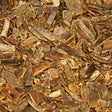
Cascara
Traditional cascara sagrada bark for short-term bowel regularity support.
Cascara sagrada (Rhamnus purshiana), meaning "sacred bark" in Spanish, is a well-known herbal laxative with a long history of use by Native American peoples of the Pacific Northwest. This dried cascara bark contains naturally occurring anthraquinones that support bowel regularity. Cascara is a decoction herb and should only be used for short-term relief of occasional constipation.
Key Benefits
- Bowel regularity: Traditionally used as a gentle stimulant laxative to support regular bowel movements and relieve occasional constipation. Effects typically occur within 6 to 12 hours.
- Traditional heritage: Used for centuries by the Cascara, Quinault, and other Pacific Northwest peoples. The bark was one of the most widely used herbal laxatives in both traditional and Western pharmacy throughout the 20th century.
- Milder than senna: Cascara sagrada is traditionally considered one of the gentler herbal laxatives, producing a softer bowel movement with less cramping than stronger alternatives.
- Short-term use: Designed for occasional, short-term use only. Not for daily or long-term consumption.
Decoction: Add half to one teaspoon of dried cascara bark to a cup of water. Simmer gently for 10 to 15 minutes. Strain and drink before bed. Start with a small amount and adjust as needed. Effects are usually felt the following morning.
Ease cramping: Combine cascara with Ginger Root or Peppermint to help ease any stomach griping. Licorice Root adds natural sweetness and may help moderate the action.
Spanish colonists named the tree "cascara sagrada" (sacred bark) after learning of its medicinal use from indigenous peoples of the Pacific Northwest. The bark must be aged for at least one year after harvest before use, as fresh bark is too harsh and can cause severe griping and nausea.
Cascara was listed in the US Pharmacopoeia from 1890 to 2002 and was one of the most commonly used over-the-counter laxatives for much of the 20th century.
For short-term occasional use only (maximum 1 to 2 weeks). Not for daily use. Do not use during pregnancy, breastfeeding, or for children. Avoid with inflammatory bowel conditions or bowel obstruction. May cause electrolyte imbalance with prolonged use. This information is not a substitute for medical advice. Consult a healthcare provider before use.
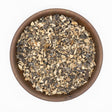
Comfrey Root
Sold Out
Dried organic comfrey root for poultices, compresses, oil infusions, salves, and garden compost tea.
Comfrey root (Symphytum officinale), known traditionally as "knitbone," is one of the most valued herbs in the external herbalist's toolkit. This organic comfrey root is rich in allantoin, a compound that supports cell renewal, and has been used for centuries in poultices, compresses, and salves for bumps, bruises, sprains, and general muscle and joint comfort. Comfrey root is for external use only.
Key Benefits
- External use tradition: Traditionally used in poultices and compresses to support the body's natural recovery from minor bumps, bruises, sprains, and strains. The name "knitbone" reflects centuries of use in supporting bone and tissue comfort.
- Rich in allantoin: Comfrey root contains allantoin, a natural compound valued in traditional herbalism and modern skincare for its role in supporting healthy cell turnover.
- Salve and oil making: A popular base herb for homemade healing salves, balms, and infused oils. Comfrey root oil is a staple of the natural first aid kit.
- Garden compost tea: Comfrey root and leaves are prized by permaculture gardeners as a nutrient-rich compost tea and liquid fertiliser, especially for fruiting vegetables like tomatoes.
Poultice: Simmer 2 to 3 tablespoons of dried comfrey root in a small amount of water for 10 minutes to soften. Allow to cool slightly, then wrap the softened root in muslin or a clean cloth and apply to the affected area for 15 to 30 minutes. For bruise support, combine with Arnica.
Oil infusion: Fill a clean jar two-thirds full with dried comfrey root. Cover completely with olive or sweet almond oil. Infuse for 4 to 6 weeks in a cool, dark place, shaking daily. Strain and use as a topical oil, or add beeswax to make a salve. Pairs well with Calendula Petals for a soothing skin salve.
Garden fertiliser: Steep chopped comfrey root in water for 3 to 6 weeks, then dilute 1:10 and use as a potassium-rich liquid feed for tomatoes, peppers, and fruiting plants.
The name Symphytum comes from the Greek for "to unite" or "growing together of bones," a direct reference to the plant's centuries-old reputation as a bone-healing herb. Nicholas Culpeper wrote in 1652 that comfrey root was so effective it could knit together pieces of meat in a pot.
Comfrey root contains pyrrolizidine alkaloids (PAs) which can be harmful to the liver if taken internally. This product is for external use only. Keep out of reach of pets, as comfrey is toxic to dogs, cats, and horses if ingested.
For external use only. Do not take internally. Contains pyrrolizidine alkaloids. Do not apply to broken skin or deep wounds. Not suitable during pregnancy or breastfeeding. Keep away from children and pets. This information is not a substitute for medical advice.
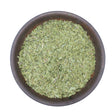
Strawberry Gum
A native Australian eucalyptus with a surprising sweet, strawberry-like flavour.
Strawberry gum (Eucalyptus olida) is one of the most unexpected flavours in the Australian native food world. Unlike any other eucalyptus, these dried strawberry gum leaves produce a sweet, fruity infusion reminiscent of strawberries and passionfruit, with a subtle hint of vanilla and cinnamon warmth. The unique flavour comes from methyl cinnamate, the same compound found in strawberries, present at 94 to 99% of the leaf's essential oil. Aboriginal peoples of the Northern Tablelands of New South Wales have used the leaves for thousands of years, chewing them as a sweet treat and using them for digestive comfort.
Key Benefits
- Unique strawberry flavour: The only eucalyptus that tastes like strawberries. Contains the highest concentration of methyl cinnamate of any known plant.
- Naturally caffeine-free: Makes a sweet, aromatic strawberry gum tea that needs no added sweetener. Lovely hot or iced.
- Rich in antioxidants: Contains phenolic compounds including protocatechuic acid, gallic acid, and ellagic acid, with demonstrated antioxidant activity.
- Versatile culinary ingredient: Exceptional in desserts, cream-based dishes, cocktails, and anywhere you want a natural berry flavour. Pairs beautifully with chocolate and vanilla.
- Australian grown: Endemic to Australia, sourced from Australian growers.
Strawberry gum tea: Add 1 heaped teaspoon of dried leaves to a cup of just-boiled water. Steep for 2 to 4 minutes only. Over-steeping can introduce bitterness. The tea is naturally sweet and aromatic without sweetener.
In desserts: Infuse leaves in hot milk, cream, or sugar syrup to make a base for custard, ice cream, pavlova, or panna cotta. A natural pairing with chocolate and vanilla. Sprinkle ground leaves over fruit salad or fold into whipped cream.
Blending: Pairs beautifully with Lemon Myrtle for a citrus-berry tea blend. Works well with Davidson Plum Powder in native fruit desserts, and alongside Tasmanian Pepper Berries in creative savoury applications.
The extraordinary methyl cinnamate content of strawberry gum was first scientifically identified in 1985 by Dr Ian Southwell at the Wollongbar Agricultural Institute in New South Wales. This finding turned a little-known regional eucalyptus into an internationally traded ingredient.
In the wild, strawberry gum is restricted to a very small area of the Northern Tablelands of NSW, around Gibraltar Range National Park. It is classified as a threatened species, which is why commercially grown sources are increasingly important for conservation.
Eucalyptus species are toxic to cats and dogs. Keep dried leaves and brewed tea away from pets. This information is not a substitute for medical advice. Consult a healthcare provider before use, especially if pregnant, breastfeeding, or taking medication.
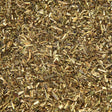
Vervain
A sacred herb of European tradition, used for centuries as a calming nervine and digestive bitter.
Vervain tea (Verbena officinalis) is one of the most revered herbs in European herbal history. Known as the "herb of the cross" and valued by the Druids as one of their most sacred plants, vervain has been used for centuries as a calming nervine and gentle bitter tonic. The dried aerials produce a mildly bitter, earthy infusion that is traditionally used to ease nervous tension and support healthy digestion. Vervain is recognised in the European Pharmacopoeia and remains a cornerstone herb in Western herbal practice.
Key Benefits
- Nervine support: Traditionally used in Western herbal medicine to help relieve nervous tension and promote a calm, settled state of mind. Often recommended for those carrying excessive mental strain.
- Digestive bitter: Traditionally used as a bitter tonic to support healthy digestive function when taken before or after meals.
- Sleep support: Contains verbenalin and hastatoside, two iridoid glycosides that have been the focus of modern research into sleep-promoting effects.
- Rich in bioactive compounds: Contains a complex profile of iridoid glycosides, phenylpropanoids including verbascoside, and flavonoids such as luteolin and apigenin.
- Deep herbal tradition: Used in ancient Roman, Greek, Egyptian, Druidic, and Chinese herbal traditions spanning thousands of years.
Vervain tea: Add 1 to 2 teaspoons of dried vervain to a cup of freshly boiled water. Cover and steep for 10 to 15 minutes, then strain. The flavour is earthy and mildly bitter. Add honey to taste, or blend with a sweeter herb to mellow the bitterness.
Calming blends: Pairs well with Chamomile for a gentle evening tea, with Lemon Balm for a lighter, more refreshing calming blend, or with Passionflower for deeper relaxation support.
Tip: Vervain tea may inhibit iron absorption. It is best enjoyed between meals rather than with food, particularly if iron intake is a concern.
The ancient Druids considered vervain one of their most sacred herbs. Pliny the Elder recorded that Druids gathered it at the rising of the Dog Star, using only their left hand, and offered the ground honey as thanks. Roman priests wore crowns of vervain, and it was used to sweep the altars of Jupiter. The old English saying "Vervain and Dill, hinder witches from their will" reflects centuries of protective folklore.
Common vervain is not listed as toxic to dogs or cats by the ASPCA. Note: lemon verbena (Aloysia citrodora) is a completely different plant and is mildly toxic to pets.
Not recommended during pregnancy. May inhibit iron absorption and interact with blood-thinning medications. This information is not a substitute for medical advice. Consult a healthcare provider before use, especially if pregnant, breastfeeding, or taking medication.
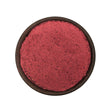
Davidson Plum Powder
A tart, antioxidant-rich native Australian fruit powder for baking, sauces, and smoothies.
Davidson plum powder (Davidsonia pruriens) is a vibrant Australian native fruit powder with an intensely tart flavour, often compared to rhubarb and sour cherry. Rich in anthocyanins and naturally low in sugar, this bush food has been part of Aboriginal Australian diets for tens of thousands of years. The deep purple-red powder adds bold colour and a distinctive fruity tang to both sweet and savoury dishes.
Key Benefits
- Rich in antioxidants: Contains high levels of anthocyanins, with total phenolic compounds measured at 1.5 times higher than blueberries.
- Natural vitamin C source: Davidson plum is naturally high in vitamin C, which supports healthy immune function.
- Low in sugar: Unlike many fruit powders, davidson plum powder is naturally low in sugar, making it a versatile addition to health-conscious recipes.
- Vivid natural colour: Produces a striking deep purple-red colour in cooking and baking, perfect as a natural food colouring.
- Versatile culinary use: Works beautifully in smoothies, baking, sauces, marinades, chutneys, and desserts.
In baking: Add 1 to 2 teaspoons of davidson plum powder to muffin, cake, or brownie batter for a burst of native flavour and stunning colour. Fold into buttercream or icing for a tart, vibrant finish.
Smoothies and bowls: Blend half a teaspoon into smoothies, acai bowls, or yoghurt for a tangy kick and a boost of antioxidants.
Savoury sauces: Mix into marinades, chutneys, or pan sauces for poultry and red meat. Pairs particularly well with duck and kangaroo. For a native Australian flavour combination, try pairing with Tasmanian Native Pepper Berries and Lemon Myrtle. Also works well with warming spices like Cinnamon.
The Davidson plum is also known by its Aboriginal name "Ooray" in north Queensland language groups. Aboriginal peoples ate the fruit raw and used the tree trunks to make harpoons for catching turtles and hunting dugong.
The Davidson plum was nearly lost as a wild species before being selected for commercial plantation production in the 1990s. It is now listed on the Slow Food Foundation's Ark of Taste as a food worth protecting.
The intense tartness may irritate the stomach in those with acid reflux. This information is not a substitute for medical advice. Consult a healthcare provider before use, especially if pregnant, breastfeeding, or taking medication.
Orris Root Powder
Violet-scented fixative powder for potpourri, pomanders, gin botanicals, and natural perfumery.
Orris root powder from Iris germanica is a finely ground iris rhizome prized for its delicate violet-like scent and its ability to "fix" or preserve the fragrance of other ingredients. This makes it an essential ingredient in potpourri, pomander making, natural perfumery, and craft gin botanicals. The distinctive floral aroma develops during a lengthy ageing process of 3 to 5 years after harvest.
Key Benefits
- Potpourri fixative: The primary use for orris root powder. It absorbs and holds the essential oils of other dried flowers and herbs, helping potpourri retain its fragrance for months rather than weeks.
- Pomander making: A traditional ingredient in clove-studded orange pomanders. Roll the finished pomander in a mix of orris root powder and ground spices to preserve and enhance the scent.
- Gin botanical: Used in small quantities as a botanical in craft gin distilling, where it adds a subtle floral, earthy depth and acts as a flavour fixative.
- Natural perfumery: Valued in natural and DIY perfumery as both a fixative and a base note with a soft, powdery violet character.
Potpourri: Add 1 tablespoon of orris root powder per 2 cups of dried flower and herb mix. Toss through gently, then add a few drops of your chosen essential oil. Seal in a jar for 2 weeks to mature, shaking occasionally. Works beautifully with Lavender, Red Rose Petals, and Chamomile flowers.
Pomanders: Mix equal parts orris root powder and ground cinnamon (add ground cloves and nutmeg to taste). Roll clove-studded oranges in the mixture, then wrap in tissue paper and age in a dark, dry place for 4 to 6 weeks.
Perfume tincture: Steep 1 part orris root powder in 5 parts high-proof alcohol for 4 to 6 weeks, shaking regularly. Strain through fine muslin for a violet-scented perfume base.
Orris root is named after Iris, the ancient goddess of rainbows. The fleur-de-lis symbol used in heraldry across Europe is actually an iris flower, not a lily, and has been the emblem of Florence since the Middle Ages.
The violet scent of orris root does not exist in the fresh rhizome. It develops slowly during years of careful drying and ageing as chemical compounds in the root gradually oxidise into "irones," the molecules responsible for the violet aroma.
Primarily for external and fragrance use. May cause skin sensitivity in some people. Not recommended during pregnancy. This information is not a substitute for medical advice. Consult a healthcare provider before use, especially if pregnant, breastfeeding, or taking medication.
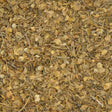
Chaparral
Wildcrafted desert herb traditionally used for external poultices and as a herbal tea.
Chaparral (Larrea tridentata), also known as creosote bush, is a wildcrafted desert herb from the American Southwest with a distinctive resinous aroma. This chaparral herb has been used in Native American herbal traditions for centuries, both externally as a poultice and internally as a tea. Chaparral contains NDGA (nordihydroguaiaretic acid), a potent antioxidant compound that has been the subject of considerable research interest.
Key Benefits
- Traditional desert herb: Used for centuries by Native American peoples of the Sonoran and Mojave deserts for a wide range of traditional purposes.
- Rich in antioxidants: Contains NDGA, one of the most potent natural antioxidant compounds identified in research. The resinous coating on the leaves is the primary source.
- External use tradition: Traditionally used as a poultice or wash for skin complaints. The resinous leaves are well suited to topical preparations.
- Wildcrafted: Ethically gathered from wild desert populations rather than cultivated.
Tea: Add half to one teaspoon of dried chaparral to a cup of boiling water. Steep for 10 to 15 minutes. Strain and drink. The flavour is strongly resinous and bitter. Not for daily long-term use.
External poultice: Steep chaparral in hot water, allow to cool, and apply the softened herb directly to the skin wrapped in clean cloth. Combines well with Calendula Petals for external skin preparations, or with Yarrow for topical washes.
Infused oil: Infuse dried chaparral in olive oil for 4 to 6 weeks for a topical oil. Strain thoroughly before use.
Larrea tridentata is one of the longest-living organisms on Earth. A clonal colony in the Mojave Desert known as "King Clone" is estimated to be over 11,700 years old. The plant's distinctive creosote smell after desert rain is one of the most iconic scents of the American Southwest.
The FDA has issued consumer advisories regarding internal use of chaparral. This herb should be used with caution and is not suitable for long-term internal consumption.
Chaparral has been associated with liver and kidney damage in some reported cases. Do not use internally for prolonged periods. Not suitable during pregnancy, breastfeeding, or for people with liver or kidney conditions. This information is not a substitute for medical advice. Consult a healthcare provider before use.
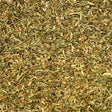
Chickweed
A gentle, cooling herb traditionally used for skin support and as a nutritive tea.
Chickweed (Stellaria media) is a gentle, cooling herb that has been used in traditional Western herbalism for centuries. This dried chickweed herb is made from the aerial parts (leaves, stems, and flowers) and is most commonly brewed as a chickweed tea or used in topical preparations for chickweed skin comfort. Rich in vitamins and minerals, it has traditionally been valued as a nutritive spring tonic and a soothing herb for irritated skin.
Key Benefits
- Skin support: Traditionally used as a cooling, soothing herb for minor skin irritations. Often applied as a poultice, wash, or added to bath water.
- Nutritive herb: Chickweed is naturally rich in vitamin C, iron, and calcium. It has a long history of use as a nourishing spring tonic tea.
- Gentle and mild: One of the gentlest herbs available, with a mild, slightly grassy flavour that blends well with stronger-tasting herbs.
- Versatile preparation: Can be used as a tea, poultice, bath herb, or infused into oils and creams for topical use.
- Traditional spring cleanser: Traditionally combined with other cleansing herbs like cleavers and dandelion as part of a seasonal spring blend.
Tea: Add 1 tablespoon of dried chickweed to a cup of boiling water. Steep for 10 to 15 minutes, then strain. Drink up to 3 cups daily. The flavour is mild and grassy.
Poultice: Soak dried chickweed in a small amount of hot water until soft, then apply the warm herb directly to the skin and cover with a clean cloth. This is a traditional method for soothing minor skin irritations.
Blending: Pairs well with Calendula for skin-focused blends, with Cleavers for a traditional spring cleansing tea, or with Nettle Leaf for a mineral-rich nutritive brew.
Chickweed gets its name from being a favourite food of chickens and small birds. It grows prolifically across most of the world and has been used as a food plant for thousands of years. Archaeological evidence suggests humans have been eating chickweed since the Neolithic period.
Chickweed is safe for dogs and cats. In fact, some pet owners add small amounts to their pets' food as a gentle supplement. It is mildly toxic to horses, however, so keep it away from them.
Not recommended during pregnancy or breastfeeding due to insufficient safety data. High doses may cause digestive upset. This information is not a substitute for medical advice. Consult a healthcare provider before use, especially if pregnant, breastfeeding, or taking medication.
Sweet Annie / Chinese Wormwood
A traditional aromatic herb used as a tea infusion for general wellbeing and seasonal support.
Sweet wormwood (Artemisia annua), also known as sweet annie, is a highly aromatic annual herb with a long history of use in traditional herbalism. The dried aerial parts produce a fragrant, slightly bitter tea that has been valued in herbal traditions across the world. Artemisia annua is the source of artemisinin, a compound that has attracted significant scientific research interest in recent decades.
Key Benefits
- Traditional herb: One of the most researched herbs in the Artemisia family, with a long history of use in traditional herbal practice.
- Aromatic infusion: Produces a fragrant, slightly bitter tea with a distinctive sweet, herbaceous aroma unique to this species.
- Seasonal support: Traditionally used during the cooler months as part of a general wellness routine.
- Digestive comfort: Like many bitter herbs, sweet annie has traditionally been used to support healthy digestion and appetite.
- Versatile preparation: This sweet annie herb can be brewed as a wormwood tea, added to herbal blends, or used in dried flower arrangements and potpourri.
Tea: Add 1 to 2 teaspoons of dried sweet annie to a cup of boiling water. Steep for 5 to 10 minutes, covered. Strain and drink. This sweet annie tea has an aromatic, mildly bitter flavour. Add honey to taste if preferred.
Blending: Combine with Peppermint to soften the bitter notes, or with Ginger Root for a warming winter blend. Pairs well with Lemon Balm for a more balanced, pleasant flavour.
Dried arrangements: The fragrant dried stems and leaves make a lovely addition to dried flower arrangements, sachets and potpourri blends.
Sweet annie is a member of the Artemisia genus, which includes well-known herbs like mugwort and common wormwood. Unlike its relatives, Artemisia annua has a distinctly sweet fragrance, which gives it the common name "sweet annie."
Artemisinin, isolated from this plant, earned researcher Tu Youyou the 2015 Nobel Prize in Physiology or Medicine, bringing worldwide attention to this ancient sweet wormwood tea herb.
Not recommended during pregnancy or breastfeeding. Not for long-term continuous use without professional guidance. This information is not a substitute for medical advice. Consult a healthcare provider before use, especially if pregnant, breastfeeding, or taking medication.
Gumbi Gumbi Leaf
An Australian native leaf tea with deep roots in Aboriginal bush medicine tradition.
Gumbi gumbi leaf (Pittosporum angustifolium) is a native Australian plant with a long history in Aboriginal traditional medicine. The dried leaves are most commonly prepared as a herbal tea, producing a distinctive earthy, slightly bitter infusion. In the Ghungalu language, "gumbi gumbi" translates roughly to "woman woman medicine," reflecting the plant's traditional significance. This resilient desert species grows across much of inland Australia and has been part of Aboriginal culture for thousands of years.
Key Benefits
- Deep cultural heritage: Gumbi gumbi has been used in Aboriginal Australian traditional medicine for thousands of years, representing one of the oldest continuous plant use traditions in the world.
- Rich in bioactive compounds: The leaves contain polyphenols including quercetin glycosides, chlorogenic acid, and rosmarinic acid, along with triterpenoid saponins.
- Natural vitamin C source: Cultivated gumbi gumbi leaves have been found to contain approximately 137 mg of vitamin C per 100g dry weight.
- Simple preparation: Easy to brew as a herbal tea. The earthy, slightly peppery flavour pairs well with honey or lemon.
- Australian grown: Sourced from Australian-grown plants, supporting the native food and bush medicine industry.
Gumbi gumbi tea: Add 1 to 1.5 teaspoons of dried leaf to a cup of boiling water. Steep for 10 to 15 minutes, covered, then strain. The flavour is earthy and slightly bitter. Add honey to taste.
Stronger brew: For a more traditional preparation, simmer 4 to 5 leaves per litre of water for 20 minutes. Strain and drink warm or cool.
Blending: The earthy flavour softens nicely when blended with Lemon Myrtle for a citrus lift, or with Ginger Root for warmth. Peppermint also makes a refreshing companion.
Gumbi gumbi was one of the first Australian plants collected by Europeans. William Dampier collected specimens from Shark Bay in 1699, 71 years before James Cook's arrival.
There are up to six varieties of Pittosporum referred to as "gumbi gumbi" across Australia, but only one has a documented history of safe traditional use. Correct species identification is important, which is why sourcing from reputable suppliers matters.
Sold as a herbal tea, not as a therapeutic product. The Pittosporum genus contains saponins. Keep away from pets. This information is not a substitute for medical advice. Consult a healthcare provider before use, especially if pregnant, breastfeeding, or taking medication.
Bearberry
A traditional urinary tract herb, also known as uva ursi, valued for its astringent and soothing properties.
Bearberry tea (Arctostaphylos uva-ursi), also known as uva ursi, is one of the most widely used herbs in Western herbal tradition for urinary tract support. The dried leaves produce a mildly astringent, slightly bitter infusion with a long history of use across European, Native American, and Chinese herbal traditions. Bearberry contains arbutin, a naturally occurring compound that is the focus of extensive modern research into urinary health.
Key Benefits
- Urinary tract tradition: One of the most established herbs in Western herbal medicine for supporting healthy urinary tract function. Used for this purpose across multiple herbal traditions for centuries.
- Rich in arbutin: Contains arbutin (a hydroquinone glycoside) as its principal bioactive compound, along with tannins, flavonoids, and ursolic acid.
- Astringent action: The high tannin content gives bearberry its characteristic astringent quality, traditionally valued for toning and supporting mucous membrane health.
- European pharmacopoeia herb: Recognised in the European Pharmacopoeia, with well-documented standards for quality and active compound content.
- Short-term use: Traditionally used for brief periods (up to one week) as a targeted herbal support, not as an everyday tea.
Bearberry tea (cold maceration): Add 1 to 2 teaspoons of dried bearberry leaf to a cup of cold water and let it soak for 12 to 24 hours. Strain before drinking. Cold preparation is preferred because it extracts the arbutin while reducing tannin content, which is gentler on the stomach.
Hot infusion: If time is short, pour freshly boiled water over 1 to 2 teaspoons of dried leaf and steep for 15 minutes. Note that this method extracts more tannins, which may cause stomach discomfort in some people.
Blending ideas: Combine with Marshmallow Root for a soothing blend, or with Dandelion Leaf for additional support. A pinch of Peppermint can help soften the bitter flavour.
The name says it twice: "Arctostaphylos" means "bear's grapes" in Greek, and "uva-ursi" means "bear's grapes" in Latin. Bears are known to forage on the bright red berries in the wild. Native Americans used the leaves as a key ingredient in kinnikinnick, a traditional smoking mixture used in ceremonies and social gatherings.
Bearberry is not listed as toxic to dogs by the ASPCA. Cats are more sensitive to the arbutin compound, so keep dried leaves out of reach of cats as a precaution.
For short-term use only (up to one week). Not suitable during pregnancy, breastfeeding, or for children. May interact with blood-thinning and anti-inflammatory medications. This information is not a substitute for medical advice. Consult a healthcare provider before use, especially if pregnant, breastfeeding, or taking medication.
Jasmine Flower Tea
Whole dried jasmine flowers for a gentle, aromatic caffeine-free herbal tea.
These whole dried jasmine flowers from Jasminum officinale produce a delicate, subtly fragrant jasmine flower tea that is naturally caffeine-free. Unlike the jasmine bud (which concentrates aromatic oils in its tightly closed form), these open flowers offer a lighter, softer infusion. Traditionally used to promote relaxation and ease mild nervous tension, they also work beautifully in culinary and craft applications.
Key Benefits
- Caffeine-free: Pure dried jasmine flowers contain no caffeine, unlike jasmine-scented green or black teas. Ideal for an evening cup or for those sensitive to stimulants.
- Gentle and calming: Traditionally used to help ease mild anxiety and support relaxation. The aroma alone may help promote a sense of calm.
- Culinary uses: Add to baking, desserts, syrups, and cocktails for a floral note. Makes a beautiful garnish on cakes and salads.
- Craft and home: Perfect for potpourri, sachets, bath soaks, and homemade skincare. The open flowers are visually striking in craft blends.
Tea: Steep 1 to 2 teaspoons of dried jasmine flowers in a cup of hot water (80 to 85 degrees, not boiling) for 3 to 5 minutes. The result is a light, subtly sweet infusion with a soft floral aroma.
Blending: Pairs well with Chamomile for a soothing bedtime blend, or with Lavender for a deeply relaxing floral tea. Also lovely mixed with Lemon Balm for a bright, uplifting cup.
Culinary: Infuse into cream or milk for jasmine desserts. Stir through sugar to create floral sugar for baking. Float whole flowers in cocktails, mocktails, or sparkling water for an elegant touch.
Jasmine is known as the "Queen of the Night" because many species release their strongest fragrance after dark. This is why jasmine flowers for tea and perfume are traditionally harvested in the early morning, before the sun causes the volatile oils to evaporate.
True jasmine (Jasminum species) is non-toxic to dogs, cats, and horses according to the ASPCA. However, several plants commonly called "jasmine" (such as Carolina jessamine or star jasmine) are unrelated and may be toxic.
Generally considered safe in food amounts. Limited safety data for pregnancy, so caution is advised. This information is not a substitute for medical advice. Consult a healthcare provider before use, especially if pregnant, breastfeeding, or taking medication.

Cats Claw
Traditional bark decoction used to support immune function and joint comfort.
Cat's claw bark from Uncaria tomentosa is a tropical climbing vine named for the distinctive hook-shaped thorns it uses to climb through the canopy. Used in traditional herbal medicine for over 2,000 years, cats claw is traditionally valued for its role in supporting healthy immune function and joint comfort. The bark is prepared as a decoction (simmered tea) to extract its beneficial oxindole alkaloids and other bioactive compounds.
Key Benefits
- Immune support: Traditionally used to support the body's natural immune response. Contains pentacyclic oxindole alkaloids that have been the subject of modern research into immune modulation.
- Joint comfort: Traditionally used in herbal medicine to support joint mobility and comfort. A 52-week clinical study investigated its use for joint support.
- Rich in bioactive compounds: Contains oxindole alkaloids, quinovic acid glycosides, and proanthocyanidins that contribute to its traditional properties.
- Decoction herb: Cats claw bark needs to be simmered (not just steeped) to properly extract the beneficial compounds from the tough woody bark.
Decoction: Add 1 to 2 teaspoons of cats claw bark to 2 cups of water. Bring to the boil, then reduce heat and simmer for 15 to 20 minutes. Strain and drink 1 cup up to 3 times daily. The taste is mildly bitter and woody.
Blending: Combines well with Astragalus Root for immune support blends, or with Turmeric Pieces and Ginger Root for a warming joint-comfort decoction.
Tincture: Combine 1 part bark to 5 parts alcohol (at least 40% strength) in a sealed glass jar. Steep for 4 to 6 weeks, shaking daily. Strain and take 1 to 2 ml up to 3 times daily.
The Ashaninka people call cat's claw "saventaro," meaning "powerful plant." It was traditionally reserved for use by their healer-priests, who reportedly could identify the most potent vines by characteristics invisible to others.
Cat's claw was largely unknown to Western science until Austrian researcher Klaus Keplinger travelled to the rainforest in the 1970s and documented its traditional uses. His research led to several patents and brought the herb to international attention.
Not suitable during pregnancy. Not recommended for people with autoimmune conditions or those taking immunosuppressant medications. This information is not a substitute for medical advice. Consult a healthcare provider before use, especially if pregnant, breastfeeding, or taking medication.
Sheep Sorrel
Certified organic sheep sorrel for Essiac tea blends, tangy herbal infusions, and general wellness.
Sheep sorrel (Rumex acetosella) is a tangy, mineral-rich herb best known as one of the four ingredients in the traditional Essiac tea formula. This certified organic sheep sorrel has a pleasantly tart, lemony flavour and is traditionally used to support general wellness and digestive comfort. The aerial parts are rich in vitamins A and C, and the tangy taste makes sheep sorrel a surprisingly enjoyable herbal tea on its own.
Key Benefits
- Essiac tea ingredient: One of the four herbs in the traditional Essiac tea formula, alongside burdock root, slippery elm bark, and turkey rhubarb root. Herb Cottage stocks all four ingredients.
- Pleasant tangy flavour: Unlike many medicinal herbs, sheep sorrel has a naturally tart, lemony taste that makes it enjoyable as a standalone tea or in blends.
- Vitamin-rich: A natural source of vitamins A and C, along with minerals including potassium, calcium, and iron.
- Certified organic: Grown without synthetic pesticides or fertilisers.
Tea infusion: Add 1 to 2 teaspoons of dried sheep sorrel to a cup of freshly boiled water. Cover and steep for 10 to 15 minutes. Strain and drink. The flavour is pleasantly tart and lemony.
Essiac blend: Combine sheep sorrel with Burdock Root, Slippery Elm Bark, and Rhubarb Root following traditional Essiac proportions.
Refreshing blend: Mix with Peppermint and Lemon Balm for a tangy, refreshing iced tea in summer.
Sheep sorrel gets its tangy flavour from oxalic acid, the same compound found in rhubarb stalks and spinach. While this makes it refreshing in moderate amounts, people with a history of kidney stones should avoid large quantities.
The name "sheep sorrel" comes from its popularity with grazing sheep, who seek it out in pastures. It is a common wild plant found across temperate regions worldwide, including Australia.
Contains oxalic acid. Not suitable for people with kidney stones or oxalate sensitivity. Not recommended during pregnancy or breastfeeding. This information is not a substitute for medical advice. Consult a healthcare provider before use, especially if taking medication.

Graviola Leaf Powder (Soursop)
Certified organic soursop leaf powder for herbal tea, smoothies, and traditional wellness support.
Graviola leaf powder (Annona muricata), also known as soursop, is a tropical herb that has been used in traditional Caribbean, South American, and Southeast Asian herbal practice for generations. This certified organic graviola powder has a mild, slightly grassy flavour and is traditionally used to support restful sleep, digestive comfort, and general wellbeing. The fine powder mixes easily into tea, smoothies, and other preparations.
Key Benefits
- Traditional tropical herb: Used in Caribbean and South American folk traditions to support general wellbeing, calmness, and restful sleep.
- Digestive comfort: Traditionally used in tropical herbal medicine to support healthy digestive function and ease stomach discomfort.
- Calming support: Traditionally used to promote relaxation and support restful sleep. Often enjoyed as an evening tea in tropical regions.
- Convenient powder form: Dissolves easily in hot water for tea, or blends into smoothies, juices, and other drinks.
- Certified organic: Sourced from certified organic soursop leaves, free from synthetic pesticides.
Tea: Add half to one teaspoon of graviola leaf powder to a cup of boiling water. Stir well and steep for 5 to 10 minutes. Strain through a fine filter if preferred. Add honey or lemon to taste. For an evening calming tea, combine with Chamomile.
Smoothie: Blend one teaspoon into fruit smoothies with banana, mango, or pineapple for a tropical wellness drink.
Herbal blend: Combine with Passionflower and Lemon Balm for a calming evening tea blend.
Soursop (graviola) is best known as a tropical fruit, popular across the Caribbean, Central America, and Southeast Asia. The leaves, however, have their own distinct tradition in herbal use, separate from the fruit. In many tropical countries, soursop leaf tea is a common household drink.
Graviola should not be used long-term without breaks, as some compounds in the plant may accumulate with extended use. It is not suitable for people with Parkinson's disease or related neurological conditions.
Not recommended for long-term continuous use. Avoid if you have Parkinson's disease or related neurological conditions. Not suitable during pregnancy or breastfeeding. This information is not a substitute for medical advice. Consult a healthcare provider before use, especially if taking medication.
Finger Lime Powder
A tangy native Australian citrus powder for baking, seafood, drinks, and desserts.
Finger lime powder (Citrus australasica) captures the distinctive tangy, citrus-forward flavour of the Australian finger lime in a versatile powder format. Known for its sharp, complex citrus taste with floral undertones, finger lime has been part of Aboriginal Australian diets for thousands of years. The powder delivers intense natural citrus flavour and is a rich source of vitamin C and antioxidants, including flavonoids with an ORAC score dramatically higher than conventional limes.
Key Benefits
- Intense citrus flavour: Tangy and sharp with floral, minty undertones. More complex than conventional lime, and concentrated in powder form.
- Natural vitamin C source: Finger lime is naturally high in vitamin C, which supports healthy immune function.
- Rich in antioxidants: Contains flavonoids, phenolic compounds, and anthocyanins (in pink varieties), with antioxidant capacity many times higher than regular lime.
- Year-round availability: Fresh finger limes are seasonal (May to August). The powder offers the same flavour and nutritional benefits all year.
- Versatile in the kitchen: Works in baking, smoothies, seafood, salad dressings, cocktails, and desserts. Naturally gluten-free and vegan.
Baking and desserts: Add 1 to 2 teaspoons to muffin, cake, or macaron batter for a tangy citrus kick. Fold into icing, cheesecake filling, or panna cotta for vibrant flavour without the acidity of fresh citrus.
Seafood and savoury: Sprinkle over grilled fish, oysters, or sushi. Mix with rice flour, salt, and Tasmanian Pepper Berries for a tangy, gluten-free fish coating. Also works well in salad dressings and marinades.
Drinks and smoothies: Stir half a teaspoon into smoothies, sparkling water, or cocktails. Pairs beautifully with Lemon Myrtle for a layered native citrus flavour, and with Davidson Plum Powder for a tart, antioxidant-rich blend.
The Bundjalung name for finger lime is "Gulalung." First Nations peoples of the Northern Rivers region have used the fruit both as food and medicine for thousands of years, pairing it with fresh seafood and applying the juice to cuts as a natural antiseptic.
Finger lime is the only citrus species that produces caviar-like juice vesicles, tiny pearls that burst with flavour when bitten. Scientists are now using finger lime genetics to develop disease-resistant citrus rootstock to combat citrus greening disease worldwide.
May not be suitable for those with citrus allergies. The high citric acid content may aggravate acid reflux in some people. This information is not a substitute for medical advice. Consult a healthcare provider before use, especially if pregnant, breastfeeding, or taking medication.

Tribulus Powder
A certified organic herb traditionally used in Ayurvedic medicine to support vitality and urinary health.
Tribulus powder (Tribulus terrestris) is one of the most widely used herbs in both Ayurvedic and traditional Chinese medicine. Known as Gokshura in Ayurveda and Bai Ji Li in TCM, this certified organic aerial parts powder carries a long tradition of use for supporting vitality, stamina, and urinary system health. Australians may know this plant better as caltrop or bindii, the spiny weed that punctures bicycle tyres and bare feet, but in traditional medicine it has been valued for thousands of years.
Key Benefits
- Traditional vitality tonic: Classified as a Rasayana (rejuvenator) in Ayurvedic medicine, tribulus has been traditionally used to support energy, stamina, and overall vitality.
- Urinary system support: Traditionally used in Ayurvedic medicine to support healthy urinary flow and the normal functioning of the urinary tract.
- Reproductive health: Traditionally used in Ayurvedic medicine to support reproductive system health in both men and women.
- Certified organic: Grown without synthetic pesticides or fertilisers. Free from the contamination concerns that can affect conventionally sourced tribulus products.
- Rich in saponins: Contains naturally occurring steroidal saponins, including protodioscin. Research into tribulus extract benefits continues to grow, and this whole herb powder offers a natural alternative to tribulus supplement capsules.
In smoothies: Add 1/4 to 1/2 teaspoon of tribulus powder to smoothies, protein shakes, or juice. Orange or cranberry juice works well to complement the taste. Taking with food or a source of fat (such as nut butter or coconut oil) may improve absorption of the saponin compounds.
Warm water: Mix 1/4 to 1/2 teaspoon with warm water and a little honey. In the traditional Ayurvedic method, mix the powder into a paste with honey first, then add warm water. Pairs well with Ashwagandha Powder for a traditional vitality blend, or with Shatavari for reproductive system support.
Capsules: The powder can be packed into empty vegetable capsules for those who prefer to avoid the taste. A typical daily amount is 250 to 750 mg.
The Ayurvedic name "Gokshura" comes from "Go" (cow) and refers to the spiny fruits that would prick cows' hooves as they walked. In TCM, tribulus was first documented in the Shen Nong Ben Cao Jing around 71 AD, one of the earliest Chinese medicine texts.
Tribulus is toxic to dogs and livestock. The plant's saponins can cause vomiting, diarrhoea, and lethargy in dogs, with smaller breeds being more susceptible. Keep this product stored securely away from all pets.
Not suitable for children under 16. May interact with blood-thinning, diabetes, and blood pressure medications. Avoid if you have a history of gallstones or prostate conditions. This information is not a substitute for medical advice. Consult a healthcare provider before use, especially if pregnant, breastfeeding, or taking medication.
Yellow Dock
A traditional bitter root used to support healthy digestion and gentle bowel regularity.
Yellow dock root (Rumex crispus) is a classic bitter herb with a long history of use in Western herbal tradition. Valued for centuries as a digestive tonic and gentle bowel regulator, yellow dock root is traditionally used to support healthy digestion, promote regular bowel function, and maintain overall digestive wellbeing. The dried root produces a deeply earthy, bitter decoction.
Key Benefits
- Digestive tonic: Traditionally used as a bitter herb to stimulate healthy digestion and support the body's natural digestive processes.
- Gentle bowel support: Contains naturally occurring anthraquinones, which are traditionally used to promote gentle, regular bowel function without harsh effects.
- Traditional iron herb: Yellow dock root has a long tradition of use as a nourishing herb for those seeking to support healthy iron levels through diet.
- Skin support: Traditionally used as a "blood cleanser" to support clear, healthy skin from the inside out.
- Spring tonic: A classic component of traditional spring cleansing blends, often combined with burdock and dandelion root.
Yellow dock decoction: Add 1 to 2 teaspoons of dried yellow dock root to 2 cups of water. Bring to a gentle simmer and cook for 10 to 15 minutes. Strain and drink 1 to 3 cups daily. The taste is strongly bitter and earthy.
Classic spring blend: Combine yellow dock root with Burdock Root and Dandelion Root for the traditional "spring tonic" trio, a time-honoured combination in Western herbalism. Adding a small amount of Ginger Root helps warm the blend and improve the taste.
Yellow dock's distinctive yellow root colour comes from its anthraquinone content. These are the same class of compounds found in rhubarb and senna, though yellow dock is considered much gentler in its action, making it suitable for longer-term use as a digestive tonic.
Yellow dock is toxic to dogs, cats, and horses due to its oxalate content. Keep dried root stored securely away from pets.
Contains oxalates. Not suitable for those prone to kidney stones. May have a mild laxative effect. Not suitable during pregnancy. This information is not a substitute for medical advice. Consult a healthcare provider before use, especially if pregnant, breastfeeding, or taking medication.
Sencha Green Tea
A smooth, grassy organic green tea (Camellia sinensis) made in the sencha style, where the leaf is steamed rather than roasted to keep its fresh green character. Certified organic and gently energising, it makes an easy everyday green tea, hot or iced.
Key Benefits
- Certified organic whole leaf: proper loose leaf green tea, nothing added.
- Fresh and smooth: grassy and slightly sweet, never bitter when brewed at the right temperature.
- Gentle caffeine: about a third of a cup of coffee, for a clear-headed lift.
- Naturally rich in antioxidants: unoxidised green leaf keeps more of the plant's natural polyphenols.
- Brews twice: good sencha gives a second steep, so the bag goes further.
Hot: Use 1 teaspoon per cup of water at 75 to 80°C (boil the kettle, then let it sit for a few minutes). Steep for 2 to 3 minutes. Water that is too hot is what makes green tea bitter.
Cold brew: 2 tablespoons per litre of cold water in the fridge overnight makes a smooth, naturally sweet iced green tea.
Make it your own: Add Jasmine Flowers for a jasmine green tea, or brew with Lemongrass and serve over ice.
Sencha is the steamed style of green tea, which locks in the bright green colour and fresh flavour. Matcha is its powdered cousin, made from shade-grown leaves ground to a fine powder.
Green tea is happiest used within a year. Keep it sealed, cool and away from light and it will reward you.
Contains caffeine, about a third of a cup of coffee. This information is not a substitute for medical advice. Consult a healthcare provider before use, especially if pregnant, breastfeeding, or taking medication.
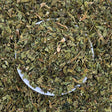
Paw Paw Leaf
Bitter leaf traditionally used to support digestive function and healthy immune response.
Paw paw leaf from Carica papaya is a bitter, enzyme-rich herb with a long history of use in Southeast Asian and Ayurvedic traditional medicine. The dried leaf contains carpaine (its principal alkaloid), flavonoids including quercetin and kaempferol, and traces of the proteolytic enzyme papain. Paw paw leaf tea has been traditionally used to support digestive function and healthy immune response, and is one of the most widely used herbal teas across the tropics.
Key Benefits
- Digestive support: Traditionally used as a digestive bitter to support healthy digestive function. Contains traces of papain, a natural enzyme that may assist protein digestion.
- Immune support: Traditionally used in Southeast Asian herbal medicine to support healthy immune system function and general wellbeing.
- Rich in antioxidants: Contains quercetin, kaempferol, caffeic acid, and chlorogenic acid, all of which contribute antioxidant activity.
- Platelet health: Traditionally used to support healthy platelet levels. This traditional use has prompted clinical research in dengue-endemic regions, though results are preliminary.
- Nutritive profile: The dried leaf provides calcium, iron, potassium, and small amounts of vitamins A, C, and E.
Tea infusion: Add 1 to 2 teaspoons of dried paw paw leaf to a cup of hot water (just off the boil). Steep for 10 to 15 minutes, then strain. The tea is naturally quite bitter, so add honey or a squeeze of lemon to taste. Pairs well with Lemongrass Tea for a citrus note that balances the bitterness.
Blended tea: Combine with Ginger Root for a warming digestive blend, or with Nettle Leaf Tea for a mineral-rich, traditional blood-supportive combination. Start with a weaker brew if you are new to bitter herbs.
Cold infusion: Place 1 to 2 tablespoons in 500 mL of cool water and refrigerate overnight. Strain in the morning for a milder, less bitter brew. Best taken 1 to 3 times daily.
In the Philippines, paw paw leaf tea has been a household staple for generations and is often the first thing prepared during dengue season. This widespread traditional use eventually led to formal clinical research into the leaf's effects on platelet health.
Fresh papaya leaves have been used across the Pacific Islands as a natural meat tenderiser. Wrapping tough cuts of meat in the leaves before cooking allows the papain enzyme to break down the protein fibres.
Papaya leaf is generally considered non-toxic to dogs and cats, though large amounts may cause stomach upset. Store dried leaf out of reach of pets as a precaution.
Not recommended during pregnancy. Discontinue use two weeks before surgery. This information is not a substitute for medical advice. Consult a healthcare provider before use, especially if pregnant, breastfeeding, or taking medication.
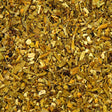
Mistletoe
A wildcrafted European herb with centuries of use in traditional herbalism.
Mistletoe tea (Viscum album) is made from the dried leaf and stem of European mistletoe, one of the most historically significant herbs in Western herbal tradition. This wildcrafted herb produces a mild, slightly bitter infusion that has been valued in European herbalism for centuries. Traditionally used to support cardiovascular wellbeing and as a calming herbal tea, mistletoe has a rich cultural heritage stretching back to the Druids, who considered it sacred.
Key Benefits
- Traditional European herb: One of the most revered plants in European herbalism, with documented use spanning over 2,000 years across Greek, Roman, Celtic, and Germanic traditions.
- Cardiovascular tradition: Traditionally used in European herbal practice to support a healthy circulatory system. Often paired with hawthorn berry in traditional formulas.
- Calming herbal tea: Traditionally valued as a gentle nervine herb, used to support relaxation and ease mild nervous tension.
- Wildcrafted: Harvested from naturally occurring populations. As a hemiparasitic plant that grows on host trees, mistletoe cannot be conventionally cultivated.
- Rich phytochemistry: Contains over 250 identified compounds including flavonoids, phenolic acids, and triterpenes.
Hot infusion: Add 1 teaspoon of dried mistletoe to a cup of freshly boiled water. Cover and steep for 5 to 10 minutes, then strain. Enjoy up to two cups daily.
Cold infusion (traditional method): Add 2 teaspoons to a cup of cold water and steep overnight (8 to 12 hours). Strain and drink in the morning. This traditional European method extracts a different balance of compounds compared to hot water.
Blending: Pairs well with Hawthorn Berry for a traditional cardiovascular support blend. Also complements Lime Flower for a gentle, calming evening tea, or try with Rose Hip to add a fruity note that offsets the mild bitterness.
The Druids considered mistletoe the most sacred of all plants, particularly when found growing on oak. Pliny the Elder described their ritual of cutting it with a golden sickle on the sixth night of the new moon after the winter solstice. They called it "All-Heal," a name that endured for centuries.
In Norse mythology, mistletoe played a central role in the story of Baldur, the god of light. The kissing tradition we know today only dates to 18th-century England, where custom required a berry to be picked with each kiss, and when all berries were gone, the kissing stopped.
This product contains dried leaf and stem only, not berries. Mistletoe is toxic to dogs, cats, and horses. Store securely away from pets. Not recommended during pregnancy or breastfeeding. May interact with blood pressure and immunosuppressant medications. This information is not a substitute for medical advice. Consult a healthcare provider before use, especially if pregnant, breastfeeding, or taking medication.
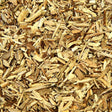
Hydrangea Sold Out
A traditional Native American root herb, prepared as a decoction for urinary comfort.
Hydrangea root (Hydrangea arborescens), also known as Seven Barks, is a traditional Native American herb with a long history of use by the Cherokee people. This dried root produces a mildly sweet, slightly pungent decoction that has been valued in Western herbalism for supporting urinary tract comfort. Not to be confused with common garden hydrangeas, wild hydrangea is a specialty medicinal herb that requires simmering to draw out its beneficial compounds.
Key Benefits
- Urinary comfort: Traditionally used in Native American and Western herbal medicine to support healthy urinary tract function and comfort.
- Traditional heritage: Used by the Cherokee and other Indigenous peoples of eastern North America for centuries. Adopted into Western herbalism in the 19th century by the Eclectic physicians.
- Decoction herb: The hard, dried root requires simmering rather than simple steeping, which slowly extracts the full range of compounds including coumarins, flavonoids, and saponins.
- Synergistic blending: Traditionally combined with other urinary support herbs such as gravel root, marshmallow root, and corn silk in Western herbal formulas.
Decoction: Add 1 to 2 teaspoons of dried hydrangea root to 2 cups of water. Bring to a gentle boil, then simmer on low heat for 15 to 20 minutes. Strain and drink. The flavour is mildly sweet with a slightly pungent finish. Can be sweetened with honey if desired.
Herbal blending: Traditionally combined with Gravel Root and Marshmallow Root for a classic urinary support formula. Juniper Berries also complement this herb well in traditional formulas.
Note: The root is very hard when dried. Simmering (decoction) is essential to extract the active compounds. A simple hot water steep will not be effective with this herb.
The common name "Seven Barks" comes from the distinctive bark of the wild hydrangea shrub, which peels away in multiple thin layers of different colours. Cherokee people traditionally used various parts of the plant, and their knowledge was eventually adopted by 19th-century Eclectic physicians who popularised it in Western herbal practice.
This is not the same species as common garden hydrangeas (which are typically Hydrangea macrophylla). Do not substitute ornamental garden hydrangeas for this product.
Hydrangea root is toxic to dogs, cats, and horses. Store securely away from all pets. Not recommended during pregnancy or breastfeeding. May interact with diabetes and blood sugar medications. This information is not a substitute for medical advice. Consult a healthcare provider before use, especially if pregnant, breastfeeding, or taking medication.
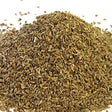
Aniseed
A sweet, calming seed used to ease digestion, soothe coughs, and flavour herbal teas or baked goods.
Aniseed (Pimpinella anisum) is a classic digestive and respiratory herb known for its liquorice-like aroma and gentle soothing action. Traditionally used for indigestion, bloating, coughs, and women’s health, it’s enjoyed in teas, tinctures, and confections across many cultures. Naturally sweet and warming, it’s also loved in culinary, craft, and pet use.
- Traditionally used to relieve indigestion, gas, and bloating after meals
- Expectorant and antispasmodic — helpful for dry coughs and mild bronchial congestion
- May support hormone balance and lactation in postpartum women
- Calms the nervous system and mildly uplifts mood
- Sweet and soothing — blends well with fennel, chamomile, lemon balm, and mint
Tea: Steep 1–2 tsp crushed seed in hot water for 5–10 minutes. Drink after meals to support digestion or before bed to relax. Enjoy warm or cooled.
Blends: Combine with fennel, caraway, ginger, or peppermint in digestive teas, or with chamomile and lemon balm for calming blends.
Culinary: Use in baking (breads, cookies), soups, or as a spice for chutneys, meat dishes, and liqueurs. Classic in biscotti and sambuca.
Topical: Use infusion as a skin rinse or compress. Mildly antiseptic and skin-softening.
Pets: Dogs may be drawn to anise — use sparingly in treats or scent games. Avoid use in cats. Consult a vet before using in animals.
Aniseed is a natural favourite for those who love sweet teas and traditional remedies. Customers report using it to ease bloating, add flavour to nursing or chai blends, and uplift their mood after meals. It’s also used in calming dog toys, heritage baking, and ceremonial sleep sachets. For a gentle digestive tonic, try anise with fennel and chamomile or add to infused water as a daily ritual.
Not for use in large doses during pregnancy or with hormone-sensitive conditions. May interact with medications — use moderate amounts unless guided. Store airtight for best flavour and aroma.
- Actions: Carminative, expectorant, galactagogue, mild phytoestrogen, antispasmodic, nervine
- Systems: Digestive, respiratory, reproductive, nervous
- Energetics: Warming, sweet, dispersive
- Pairings: Fennel, chamomile, peppermint, ginger, lemon balm, red clover
- Clinical note: Use caution with estrogen-sensitive conditions or when taking anticoagulants. Not for infants under 6 months. Essential oil is very strong — do not ingest.
This information is for general reference only. Consult a practitioner if pregnant, breastfeeding, on medication, or managing chronic conditions. Do not ingest anise essential oil unless professionally advised.
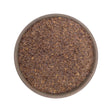
Rooibos Tea
Naturally caffeine-free red bush tea (Aspalathus linearis) with a smooth, gently sweet flavour and a deep amber-red cup. Certified organic and very low in tannin, it never turns bitter, making it the easy evening brew the whole family can share.
Key Benefits
- Naturally caffeine free: pour it at any hour, for any age.
- Smooth and naturally sweet: so low in tannin it stays mellow even when over-steeped.
- Certified organic: fine needle-cut rooibos leaf.
- Takes milk beautifully: brews rich and red, lovely as a latte with honey.
- Naturally rich in antioxidants: including aspalathin, found only in the rooibos bush.
Hot: Use 1 to 2 teaspoons per cup of boiling water and steep for 5 to 10 minutes. Longer steeping deepens the flavour without turning it bitter.
Rooibos latte: Brew it double strength, then top with frothed milk and a little honey.
Caffeine-free chai: Simmer with Cinnamon Sticks and a few slices of Ginger Root. For a bedtime cup, blend it with Chamomile.
Rooibos means red bush. It comes from a flowering shrub in the legume family rather than the tea plant, which is why it contains no caffeine at all.
Its gentle nature has long made it a favourite with breastfeeding mums, and a popular first warm cuppa for kids, milk and all.
Naturally caffeine free and very gentle. This information is not a substitute for medical advice. Consult a healthcare provider before use, especially if pregnant, breastfeeding, or taking medication.
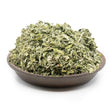
Catnip - Australian Grown
Catnip can be utilised in soups, stews, and mixed into herb blends for seasoning dishes, all sourced from Australian fields.
Catnip serves as a calming, sleep-inducing herbal remedy. A cup of catnip tea brewed with Aussie-grown leaves can help alleviate indigestion and ease diarrhoea. Catnip also induces perspiration, thereby lowering fevers.
This herb, particularly grown in Australia, is excellent for children, aiding in relieving colic and stomach upsets, colds, flue, fever and soothing an irritable child. It pairs perfectly with lemon balm and chamomile.
Additional uses
Dried catnip, grown and harvested in Australia, can be utilised inside cat toys, as it's adored by many cats for its scent. The reaction can vary from inducing playful behaviour to creating a calming effect, depending on the cat.
Actions
Nervine, carminative, sedative, diaphoretic, antispasmodic, digestive, all in an Australian-grown package.
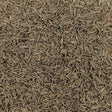
Caraway Seeds
Botanical Name: Carum carvi
Caraway seeds are small, curved seeds with a distinctly pungent flavor and aroma from the caraway plant. It has been used throughout history for both culinary and medicinal purposes.
Caraway seed is a popular ingredient in many cuisines, including Middle Eastern and European dishes. It is also used to flavor breads, cakes, and liqueurs.
It's well known for treating upset stomach, flatulence, and other digestive issues. Additionally, caraway seed has been used to treat a variety of other ailments, such as coughs, headaches, and respiratory infections.
All information provided on this website is for informational purposes only. Please seek professional advice before commencing any treatment.
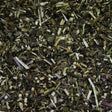
Betony
A traditional nervine herb for tension headaches, stress relief, and gentle digestive support.
Betony (Stachys officinalis) is one of the most revered herbs in the European herbal tradition. For over 2,000 years, this gentle nervine has been traditionally used to relieve tension headaches and support a calm, grounded state of mind. Betony tea has a mild, slightly bitter flavour with an earthy character that makes it pleasant to drink on its own or blended with other calming herbs.
Key Benefits
- Head tension relief: Traditionally used in Western herbal medicine to relieve tension headaches and head discomfort associated with stress. One of the oldest and most consistent uses recorded across centuries of herbalism.
- Nervous system support: Traditionally used as a nervine tonic to support mental calm and help relieve nervous tension. Valued as a grounding herb for busy, overthinking minds.
- Digestive comfort: Traditionally used as a mild bitter tonic to support healthy digestive function, particularly when digestive discomfort is linked to stress or tension.
- Gentle daily herb: Well tolerated and suitable for regular use. Makes an excellent base herb for custom blending with other nervines and relaxation herbs.
Tea infusion: Add 1 to 2 teaspoons of dried betony to a cup of freshly boiled water. Cover and steep for 10 to 15 minutes. Strain and drink. The mildly bitter flavour pairs well with a little honey.
Calming blend: Combine equal parts betony with Chamomile and Lemon Balm for a soothing evening tea. For a stronger nervine blend, add Skullcap or Passionflower.
Digestive support: Drink a cup of betony tea 20 to 30 minutes before meals to gently stimulate digestion.
Betony was so highly valued in the ancient world that a Roman physician wrote an entire book devoted to this single plant, listing nearly 47 different uses. An old Italian proverb advised selling your coat to buy betony.
In Anglo-Saxon England, betony was planted around churchyards and worn as an amulet for protection. The herb was considered so important that it appears repeatedly in the earliest English medical manuscripts alongside remedies for both physical ailments and supernatural afflictions.
Not recommended during pregnancy. This information is not a substitute for medical advice. Consult a healthcare provider before use, especially if pregnant, breastfeeding, or taking medication.

Siberian Ginseng - Root Powder
A convenient adaptogen powder to support daily energy, focus, and recovery from stress.
Siberian Ginseng powder (Eleutherococcus senticosus) is a finely ground adaptogen used to promote endurance, vitality, and resistance to stress. Known as Eleuthero, it’s gentle, non-jittery, and easy to incorporate into smoothies, capsules, or functional blends. Ideal for long-term use in wellness routines for mental clarity, immune support, and recovery.
- Traditionally used as an adaptogen to balance energy, enhance stamina, and improve focus
- May support immune modulation, blood sugar balance, and post-illness recovery
- Blends easily into smoothies, lattes, capsules, or daily adaptogen formulas
- Non-stimulating and well tolerated — great for students, athletes, and shift workers
- Often paired with ashwagandha, rhodiola, or schisandra for broader nervous and immune support
Powder: Take ¼–½ tsp (approx. 1–2 g) once or twice daily. Stir into smoothies, herbal lattes, yogurt, or warm drinks. Best taken in the morning or early afternoon.
Capsules: Fill into size 0 or 00 capsules. Typical dose is 500–1000 mg up to twice daily.
Blends: Mix with maca, ashwagandha, schisandra, or ginkgo for stress or focus blends. Also suitable for DIY protein or tonic powders.
Culinary: Add to energy balls, herbal honey, or soups as a functional booster. Slightly bitter and earthy in flavour.
Pets: May be used in custom vet-guided pet blends for stamina or immune tone in aging dogs. Not suitable for cats.
Customers love the convenience of powdered Eleuthero for everyday use — it’s easy to add to morning routines, especially when time or space is limited. Often used during busy work seasons, study blocks, or during recovery. Best used consistently for 2–6 weeks, followed by a short break if taken at high doses. Suitable for gentle daily support when stress is high or energy is low.
Monitor for restlessness or raised blood pressure. Avoid with stimulant medications, during pregnancy, or if taking blood pressure drugs. Store airtight and away from heat or moisture. Use within 6–12 months.
- Actions: Adaptogen, immune modulator, anti-inflammatory, neuroprotective, tonic
- Systems: Nervous, endocrine, immune, metabolic, musculoskeletal
- Energetics: Warming, mildly stimulating, tonifying
- Pairings: Ashwagandha, maca, rhodiola, ginkgo, reishi, shatavari
- Clinical note: Rotate every 6–8 weeks if using daily. Not suitable for fever, hormone-sensitive conditions, or stimulant medications unless guided.
This information is for general reference only. Consult your practitioner if pregnant, breastfeeding, taking medication, or managing chronic illness. Not for use with digoxin, stimulants, or blood pressure drugs. Store in a cool, dry place and use within 12 months.
Lady's Mantle
A traditional women's herb used as a tea for digestive comfort and menstrual support.
Lady's mantle tea (Alchemilla vulgaris) is a traditional herbal tea with a long history of use in Western herbalism for women's wellness and digestive comfort. This lady's mantle herb produces a mild, slightly astringent alchemilla tea that has been valued for centuries as a gentle, everyday tonic. Lady's mantle tea is particularly popular among women seeking natural support for menstrual comfort and hormonal balance.
Key Benefits
- Women's wellness: Traditionally used to support menstrual comfort, ease cramping and support a healthy cycle. One of the most valued lady's mantle benefits.
- Digestive comfort: Traditionally used to soothe occasional stomach discomfort, cramping and digestive upset.
- Astringent properties: Contains tannins traditionally valued for their gentle toning and tightening action on tissues.
- Gentle daily tonic: Mild enough for regular use as a nourishing daily tea, either on its own or blended with complementary herbs.
- Skin support: Traditionally used both internally and as a topical wash to support healthy, clear skin.
Tea: Add 1 to 2 teaspoons of dried lady's mantle to a cup of boiling water. Steep for 10 to 15 minutes, covered. Strain and drink up to 3 cups daily.
Women's blend: Combine with Raspberry Leaf for a classic women's wellness tea, or add Chamomile for a soothing evening blend during menstruation.
Topical use: Brew a strong infusion (double strength) and allow to cool. Use as a facial wash or compress for skin support. Pairs well with Calendula in topical preparations.
The name "alchemilla" comes from the word "alchemy." Medieval alchemists believed the dewdrops that gathered in the plant's fan-shaped leaves had magical properties and collected them for use in their experiments.
Lady's mantle has been a staple of folk herbalism for centuries, particularly among women. It was traditionally given to new mothers and was a common ingredient in herbal preparations for menstrual and reproductive support.
Not recommended during pregnancy. May interact with blood-thinning medications due to tannin content. This information is not a substitute for medical advice. Consult a healthcare provider before use, especially if pregnant, breastfeeding, or taking medication.
Elecampane
A warming root traditionally used for respiratory support, coughs, and digestive comfort.
Elecampane root (Inula helenium) is a warming, aromatic herb traditionally used to support healthy respiratory function and soothe coughs. This dried elecampane root is rich in inulin (a natural prebiotic fibre) and has a distinctive warm, slightly bitter, camphor-like flavour. As a root herb, elecampane needs simmering into a decoction rather than steeping as a tea.
Key Benefits
- Respiratory support: Traditionally used in Western herbal medicine to support healthy lung and respiratory function. One of the most valued herbs for winter wellness and cough relief.
- Cough relief: Traditionally used as a warming expectorant to help relieve productive coughs and support clear breathing. Pairs well with other respiratory herbs.
- Rich in inulin: Elecampane root contains up to 44% inulin, a natural prebiotic fibre that may support healthy gut flora. This gives the root a slightly sweet undertone.
- Digestive comfort: Traditionally used as a warming bitter to support healthy digestive function, particularly after heavy meals.
Decoction: Add 1 to 2 teaspoons of dried elecampane root to a cup of water. Bring to a gentle simmer and cook for 15 to 20 minutes. Strain and drink. The flavour is warming, slightly bitter, and aromatic. Add honey to taste.
Respiratory blend: Simmer elecampane root with Ginger Root for warmth, then add Thyme or Peppermint after removing from heat for a classic winter wellness tea.
Tincture: Pack a jar one-third full with chopped elecampane root and cover with vodka (40% alcohol). Seal and store in a dark place for 4 to 6 weeks, shaking daily. Strain and bottle.
The name "elecampane" derives from Inula and campana (of the fields). In Greek mythology, the plant was said to have sprung from the tears of Helen of Troy, giving it the species name helenium. In Anglo-Saxon England, elecampane was one of the sacred healing herbs.
Elecampane root was historically made into lozenges and candies, sold in London apothecaries as "elf dock sweets" for coughs and chest complaints. The root's high inulin content gives it a slight natural sweetness.
People with allergies to the daisy family (Asteraceae) should avoid elecampane. Not recommended during pregnancy or breastfeeding. This information is not a substitute for medical advice. Consult a healthcare provider before use, especially if pregnant, breastfeeding, or taking medication.
Celery Seed
Certified organic celery seed for cooking, joint comfort tea, and natural digestive support.
Celery seed (Apium graveolens) is a versatile spice with a concentrated celery flavour that works beautifully in cooking and has a long tradition in herbal medicine. These certified organic celery seeds are tiny but packed with flavour, adding depth to soups, stews, coleslaws, Bloody Marys, and pickling brines. Celery seed is also traditionally used to support joint comfort and healthy fluid balance.
Key Benefits
- Culinary spice: Adds intense celery flavour to dishes. Essential in Bloody Marys, celery salt, coleslaw dressing, potato salad, pickling spice, and soup bases. A little goes a long way.
- Joint comfort: Traditionally used in herbal medicine to support joint comfort and help maintain healthy uric acid levels. A popular herb among those seeking natural joint support.
- Fluid balance: Traditionally used as a mild, natural diuretic to support healthy fluid balance and kidney function.
- Digestive support: Traditionally used in Ayurvedic and European herbal medicine to support healthy digestive function. The warming, aromatic quality of celery seed may help ease occasional bloating.
- Certified organic: Grown without synthetic pesticides or fertilisers.
Cooking: Use half to one teaspoon in soups, stews, potato salads, and coleslaw. Grind with sea salt to make homemade celery salt. A must for authentic Bloody Marys and pickling brines.
Joint support tea: Add 1 teaspoon of celery seeds to a cup of boiling water. Cover and steep for 10 to 15 minutes. Strain and drink up to 3 cups daily. Combines well with Nettle Leaf and Ginger Root for a warming joint comfort blend.
Digestive tea: Lightly crush celery seeds and steep with Peppermint for a digestive tea after meals.
The ancient Greeks crowned victorious athletes with celery garlands, and the city of Selinunte in Sicily was named after the Greek word for celery (selinon). Wild celery was cultivated purely as a medicine for over 3,000 years before anyone thought to eat the stalks as food.
Celery seed is generally considered non-toxic to dogs and cats in small culinary amounts. People with celery allergy should avoid celery seed, as the same allergens are present in concentrated form.
Not recommended during pregnancy (may stimulate uterine contractions). People with kidney disease or celery allergy should avoid. May increase sun sensitivity. This information is not a substitute for medical advice. Consult a healthcare provider before use, especially if pregnant, breastfeeding, or taking medication.
Devils Claw
Botanical Name: Harpagophytum procumbens
Devils Claw is used to relieve joint pain and is useful for arthritis and rheumatoid arthritis as well as gout, back pain and fibrositis. Devils Claw also tones and stimulates the digestive system.
Actions
Anti-inflammatory, analgesic, anti-rheumatic, digestive stimulant.
Contraindications
Do not use if suffering from gastric or duodenal ulcers.
All information provided on this website is for informational purposes only. Please seek professional advice before commencing any treatment.
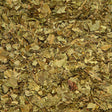
Neem
A cornerstone of Ayurvedic herbalism, certified organic, traditionally valued for skin and digestive support.
Sale stock has a shorter best before date.
Best Before 9/26
Neem leaf (Azadirachta indica) is one of the most important herbs in Ayurvedic medicine, where it has been used for thousands of years and is known as "the village pharmacy." This certified organic dried neem produces a distinctly bitter infusion traditionally valued for supporting healthy skin and digestive function. Rich in bioactive compounds including nimbin and quercetin, neem leaf is also widely used by organic gardeners as a natural garden spray.
Key Benefits
- Ayurvedic tradition: One of the most revered herbs in Ayurveda, with documented use spanning over 3,000 years. Traditionally used to support healthy skin and the body's natural cleansing processes.
- Digestive bitter: Traditionally used in Ayurvedic herbalism to support healthy digestion. The intensely bitter taste is considered a key part of its traditional action.
- Natural garden spray: Neem leaf infusion is widely used by organic gardeners as a natural, biodegradable pest management solution. Safe for bees and beneficial insects when used as directed.
- Certified organic: Grown without synthetic pesticides or fertilisers.
- Versatile preparation: Use as a herbal tea, topical skin wash, or garden spray, making it one of the most multi-purpose herbs available.
Neem tea: Add 1 teaspoon of dried neem leaf to a cup of boiling water. Steep for 5 to 10 minutes, then strain. Neem tea is intensely bitter. Add honey and lemon, or blend with Tulsi or Ginger Root to make it more palatable.
Topical wash: Brew a strong infusion using 2 tablespoons per cup. Allow to cool completely, then use as a skin wash or add to bath water. Traditionally used in Ayurveda for topical skin care.
Garden spray: Steep a generous handful of dried neem leaf in a litre of boiling water for several hours or overnight. Strain thoroughly, dilute 1:5 with water, and spray on plants. Pairs well with Turmeric in traditional Ayurvedic formulas for internal use.
In India, neem is considered sacred and is often called "the village pharmacy" because nearly every part of the tree has a traditional use. The name comes from the Sanskrit "nimba," and the botanical name Azadirachta derives from Persian for "free tree," reflecting the belief that it is naturally free from pests and disease.
Neem should not be confused with white cedar (Melia azedarach), which is a different and toxic plant in the same family. True neem has single pinnate leaves and white flowers, while white cedar has bi-pinnate leaves and purple flowers.
Neem leaf should not be used during pregnancy or by those trying to conceive, as it has documented antifertility effects. Not recommended for children. May interact with diabetes and immunosuppressant medications. This information is not a substitute for medical advice. Consult a healthcare provider before use, especially if pregnant, breastfeeding, or taking medication.
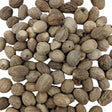
Nutmeg
Certified organic nutmeg for baking, cooking, mulled wine, and warming spice blends.
Nutmeg (Myristica fragrans) is a warm, aromatic spice with a rich, sweet, slightly woody flavour that is essential in baking, savoury cooking, and spiced drinks worldwide. This certified organic nutmeg delivers the deep, complex flavour that makes it indispensable in custards, bechamel sauce, mulled wine, pumpkin pie, and countless other recipes. Nutmeg is also a traditional warming digestive spice with a long history in herbal medicine.
Key Benefits
- Essential baking and cooking spice: A classic ingredient in custards, eggnog, bechamel, mashed potatoes, spinach dishes, pumpkin pie, apple crumble, and spice cakes. A little goes a long way.
- Warming digestive spice: Traditionally used in herbal medicine to support healthy digestive function and ease occasional nausea and stomach discomfort. Its warming quality is valued in cold weather.
- Mulled wine and spiced drinks: A key ingredient in mulled wine, chai, eggnog, golden milk, and hot chocolate. Pairs naturally with Cinnamon, Cloves, and Ginger.
- Certified organic: Grown without synthetic pesticides or fertilisers.
Cooking and baking: Grate a small amount of nutmeg directly into dishes. Use in bechamel sauce, cheese sauces, custard, rice pudding, pumpkin soup, and spice cakes. Start with a pinch and adjust to taste.
Mulled wine: Add a whole nutmeg (or half, grated) to a pot of red wine with Cinnamon Sticks, Cloves, star anise, orange peel, and honey. Simmer gently for 20 minutes.
Golden milk: Grate a pinch of nutmeg into warm milk with Turmeric, cinnamon, and honey for a warming evening drink.
Nutmeg and mace come from the same fruit. The nutmeg is the seed, while mace is the lacy red aril (covering) that surrounds it. Both are aromatic, but mace has a lighter, more delicate flavour.
The Banda Islands of Indonesia were once the world's only source of nutmeg, making them the most valuable real estate on Earth during the 16th and 17th centuries. The spice trade wars over nutmeg shaped the colonial history of Southeast Asia.
Safe at normal culinary quantities (a pinch to half a teaspoon per recipe). Do not consume large amounts. Excessive nutmeg intake (more than 1 to 2 tablespoons) can cause serious side effects including nausea, hallucinations, and toxicity. Toxic to dogs. Keep out of reach of children and pets. This information is not a substitute for medical advice.
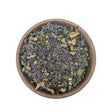
Bladderwrack
A certified organic seaweed traditionally used to support thyroid health and provide natural iodine.
Bladderwrack (Fucus vesiculosus) is a certified organic brown seaweed with a long history of use in European herbal tradition. It is one of the richest natural sources of iodine, a mineral essential for healthy thyroid function. Bladderwrack also contains fucoidan, alginates, and a broad spectrum of trace minerals. The dried seaweed can be brewed as a salty, briny tea or added to soups, broths, and baths.
Key Benefits
- Natural iodine source: One of the richest natural sources of dietary iodine, which is essential for normal thyroid function and metabolism.
- Contains fucoidan: Bladderwrack is a source of fucoidan, a sulphated polysaccharide found in brown seaweeds that has been the subject of growing scientific interest.
- Rich in minerals: Contains a broad spectrum of trace minerals including calcium, magnesium, potassium, iron, and zinc, absorbed directly from the ocean.
- Traditionally used for thyroid support: Bladderwrack has been traditionally used in European herbalism to support healthy thyroid function since the 18th century.
- Certified organic: Organically certified seaweed, harvested and processed without synthetic chemicals.
Bladderwrack tea: Add 1 teaspoon of dried bladderwrack to a cup of boiling water. Steep for 10 to 15 minutes, covered. The flavour is salty and briny. A small amount of Ginger Root or Peppermint helps balance the ocean taste.
In cooking: Add small pieces to soups, broths, stews, or rice while cooking for a mineral boost. Rinse briefly before use if a milder flavour is preferred.
Bath soak: Add a handful of dried bladderwrack to a warm bath for a traditional seaweed soak. Thalassotherapy (sea-based bathing) has a long tradition in European wellness practice.
Bladderwrack holds a special place in the history of chemistry. In 1811, French chemist Bernard Courtois accidentally discovered the element iodine while extracting soda ash from seaweed (likely bladderwrack) for Napoleon's gunpowder production. This discovery eventually led to the understanding that iodine deficiency causes goitre.
Despite its name, bladderwrack is not a plant. It is a brown alga, belonging to a completely separate kingdom of life (Chromista). The "bladders" are small gas-filled sacs that help the seaweed float upright in the water to capture sunlight.
Contains iodine. Excessive iodine intake may affect thyroid function. Do not use if taking thyroid medication, lithium, or blood-thinning medications without professional advice. Not suitable during pregnancy or breastfeeding. This information is not a substitute for medical advice. Consult a healthcare provider before use, especially if pregnant, breastfeeding, or taking medication.
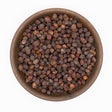
Hawthorn Berry
Traditionally used in herbal medicine to support cardiovascular health and circulation.
Hawthorn berry tea (Crataegus monogyna) is one of the most valued herbs in traditional Western herbalism for cardiovascular support. These certified organic dried hawthorn berries produce a mildly sweet, slightly tart infusion and have been traditionally used for centuries to support healthy heart function and circulation. Hawthorn berry benefits are well documented in herbal pharmacopoeias, making this a cornerstone herb for anyone interested in heart-healthy herbal teas.
Key Benefits
- Cardiovascular support: Traditionally used to help maintain healthy heart function and support normal blood pressure already within the normal range. One of the most widely used hawthorn berry benefits.
- Circulation: Traditionally used to support healthy peripheral circulation. Hawthorn tea has been a staple of traditional herbalism for this purpose.
- Rich in antioxidants: Hawthorn berries contain oligomeric proanthocyanidins (OPCs), flavonoids, and vitamin C, contributing to their traditional value.
- Certified organic: Whole dried hawthorn berries grown without synthetic pesticides or fertilisers.
- Versatile use: Enjoy as a hawthorn tea, add to herbal blends, or use in homemade syrups, jams, and tinctures.
Hawthorn berry tea: Add 1 to 2 teaspoons of dried hawthorn berries to a cup of boiling water. Lightly crush the berries first for a stronger infusion. Cover and steep for 15 to 20 minutes. Strain and drink 1 to 3 cups daily.
Blending: For a heart-healthy herbal blend, combine with Hibiscus, which adds a vibrant colour and tart flavour. Also pairs well with Rose Hip for added vitamin C, or Lemon Balm for a calming touch.
The genus name Crataegus comes from the Greek "kratos," meaning strength, a reference to the extremely hard wood of the hawthorn tree. In folklore, hawthorn was considered a tree of protection and was often planted near homes.
Hawthorn berries are non-toxic to dogs and cats. In fact, they are a natural food source for many birds and wildlife throughout autumn and winter.
May interact with heart medications including beta-blockers, calcium channel blockers, and digoxin. Not recommended during pregnancy. This information is not a substitute for medical advice. Consult a healthcare provider before use, especially if pregnant, breastfeeding, or taking medication.
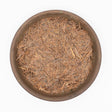
Pau D'Arco Tea
A traditional bark tea used to support immune function and general wellbeing.
Pau d arco tea (Tabebuia avellanedae) is a traditional bark tea that has been used for centuries in traditional herbalism to support immune function and general wellbeing. The inner bark of the pau d arco tree, also known as taheebo tea or lapacho tea, produces a smooth, slightly woody decoction with a mild, earthy flavour. Pau d arco benefits include its rich content of lapachol and beta-lapachone, naturally occurring compounds that have attracted significant research interest.
Key Benefits
- Immune support: Traditionally used to support healthy immune system function and the body's natural defences. One of the most valued pau d arco benefits.
- General wellbeing: Traditionally used as a tonic to support overall vitality and resilience. A staple of traditional herbal practice.
- Rich in bioactive compounds: Pau d arco bark contains lapachol and beta-lapachone, naphthoquinone compounds unique to this species.
- Smooth flavour: Produces a pleasant, mildly earthy decoction with a smooth, slightly woody finish. Easy to drink daily.
- Versatile preparation: Best prepared as a simmered decoction. Also suitable for tincture making and blending with other herbs.
Pau d arco tea (decoction): Add 1 to 2 tablespoons of pau d arco bark to 4 cups of water. Bring to a gentle boil, then reduce heat and simmer for 15 to 20 minutes. Strain and drink 1 to 3 cups daily. The bark requires simmering rather than steeping to release its beneficial compounds.
Blending: For an immune-supportive blend, combine with Echinacea Root or Elderberries. To soften the flavour, add a teaspoon of Licorice Root, which adds natural sweetness.
The name "pau d arco" translates roughly as "bow stick" or "bow wood," referring to the traditional use of the extremely hard wood for making hunting bows. The tree can grow up to 30 metres tall and produces striking pink or purple trumpet-shaped flowers.
Pau d arco bark is generally considered non-toxic to dogs and cats in the small amounts found in herbal preparations. However, as with all herbs, introduce gradually and consult a veterinarian if unsure.
May interact with blood-thinning medications. Not recommended during pregnancy or breastfeeding. This information is not a substitute for medical advice. Consult a healthcare provider before use, especially if pregnant, breastfeeding, or taking medication.
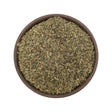
Parsley Leaf
The everyday cooking herb that doubles as a traditional cleansing tea.
Parsley leaf (Petroselinum crispum) is one of the most versatile herbs in the kitchen, with a fresh, gently peppery flavour that lifts soups, sauces, salads and marinades. Beyond cooking, dried parsley is traditionally used as a gentle diuretic tea to support healthy fluid balance, and it is naturally rich in vitamins A, C and K.
Key Benefits
- Everyday culinary herb: Fresh, slightly peppery and earthy. A staple in tabbouleh, soups, stocks, sauces, dressings and marinades, and a classic finishing herb.
- Traditional cleansing tea: Traditionally used as a gentle diuretic to support healthy fluid balance and a feeling of lightness.
- Naturally nutrient-rich: A natural source of vitamins A, C and K, plus chlorophyll, which is traditionally used to freshen the breath.
- Pairs widely: Blends easily with other culinary and tea herbs, so a little goes a long way across the kitchen and the teapot.
- Certified organic: Grown without synthetic pesticides or fertilisers.
In cooking, stir through dishes near the end for the freshest flavour, or add a tablespoon to soups, stocks and sauces. As a tea, steep 1 to 2 teaspoons in freshly boiled water for 5 to 10 minutes, then strain. It blends well with other traditional cleansing herbs like Nettle Leaf Tea and Dandelion Leaf, or with culinary herbs such as Oregano Leaf.
Parsley has been grown around the Mediterranean for more than two thousand years and was woven into garlands by the ancient Greeks. The curled and flat-leaf (Italian) types are close relatives, with flat-leaf prized for a stronger flavour. A sprig was traditionally chewed after meals to freshen the breath, an early natural mouth freshener.
Parsley leaf is a culinary food herb. Avoid therapeutic or medicinal amounts, such as strong, frequent teas, during pregnancy. This information is not a substitute for medical advice. Consult a healthcare provider before use, especially if pregnant, breastfeeding, or taking medication.
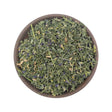
Heartsease - Australian Grown
Dainty three-coloured flowering herb, also known as wild pansy.
Heartsease (Viola tricolor), also known as wild pansy, is a dainty flowering herb with a long history in traditional European herbalism. This certified organic, Australian-grown heartsease is valued for its gentle, mild-tasting infusion and its pretty purple, yellow and white flowering tops.
Key Benefits
- Australian grown: Certified organic and grown here in Australia.
- Also called wild pansy: Same plant, many names, including Johnny-jump-up and love-in-idleness.
- Traditional skin-and-soothe herb: Long used in European folk herbalism, especially in connection with the skin.
- Gentle infusion: A soft, mild, lightly grassy cup.
- Flowering tops: The aerial parts picked in flower, the part traditionally used.
Heartsease tea: Add 1 to 2 teaspoons of dried heartsease to a cup of boiling water, cover and steep for 5 to 10 minutes, then strain. The cup is mild and lightly grassy.
For the skin: Traditionally, a cooled, strained infusion was also used as a gentle face or skin wash. Heartsease sits nicely alongside Calendula and Chamomile for this. It also blends well with our Self Heal.
Heartsease is Shakespeare's "love-in-idleness" in A Midsummer Night's Dream, the little flower whose juice sends Titania head over heels.
Wild pansy, Johnny-jump-up, three-faces-in-a-hood: the same cheerful plant has collected a wonderful spread of folk names over the centuries.
Use in moderation, as large amounts may cause mild stomach upset. This information is not a substitute for medical advice. Consult a healthcare provider before use, especially if pregnant, breastfeeding, or taking medication.
Shepherds Purse
A traditional women's herb, certified organic, traditionally used to support healthy menstrual flow.
Shepherd's purse (Capsella bursa-pastoris) is a certified organic herb with a long history of use in European and Chinese herbal traditions. It is one of the most well-known traditional herbs for women's health, valued for centuries as a gentle support for healthy menstrual flow. The dried herb brews into a mild, slightly peppery tea.
Key Benefits
- Menstrual support: Traditionally used to support a healthy, comfortable menstrual cycle and maintain normal menstrual flow. One of the most well-regarded shepherd's purse benefits.
- Women's tonic: A staple of traditional European herbalism for women's wellbeing, particularly during the reproductive years.
- Rich in vitamin K: Contains naturally occurring vitamin K, which plays a role in normal blood clotting.
- Gentle and mild: The light, peppery flavour makes it easy to drink as a tea or blend with other herbs.
- Certified organic: Grown without synthetic pesticides or fertilisers.
Shepherd's purse tea: Add 1 to 2 teaspoons of dried herb to a cup of boiling water. Cover and steep for 10 to 15 minutes. Strain and drink up to 3 cups daily. Best used during the days when support is needed most.
Blending: Traditionally paired with Yarrow for complementary support. Also blends well with Raspberry Leaf as a nourishing women's tea, or with Chamomile for a gentler, more soothing cup.
The name "shepherd's purse" comes from the plant's distinctive heart-shaped seed pods, which resemble the small leather pouches once carried by shepherds. In some parts of England, children played a game called "Mother's Heart," pulling the pods apart to reveal the tiny seeds inside.
Shepherd's purse is recognised as one of the "seven herbs of spring" in Japanese tradition (Nazuna), where it is eaten as part of the Nanakusa-no-sekku festival on 7 January. It is listed in the European Pharmacopoeia for traditional use.
Do not use during pregnancy (uterine stimulant). May interact with blood-thinning and thyroid medications. This information is not a substitute for medical advice. Consult a healthcare provider before use, especially if pregnant, breastfeeding, or taking medication.
Saltbush Flakes Sold Out
A naturally salty native leaf for seasoning lamb, roast vegetables and breads straight from the bush.
Old man saltbush is the largest of Australia's native saltbushes, and these dried saltbush flakes are its leaf, grown here in Australia. Atriplex nummularia stores real salt in the silvery cells on its leaf surface, which is why a pinch of saltbush seasons a dish the way salt flakes do, only with a savoury, herby depth the salt shaker cannot match.
Key Benefits
- Season with the bush, not the shaker: a naturally salty leaf that replaces the final salting on meats, vegetables and breads with something far more interesting.
- Naturally rich in minerals: the dried leaf carries notable calcium, magnesium and iron alongside its natural saltiness, with around 20 per cent protein.
- The saltbush lamb pedigree: this is the same shrub behind sought-after saltbush lamb. Chefs already trust it to season from the inside; the flakes do the same job from the outside.
- An easy first native herb: savoury rather than floral, it works in everyday cooking, lamb rubs, roast potatoes, eggs, focaccia, even popcorn and chips.
- Grown where little else will: a deep-rooted, drought-hardy shrub planted in its millions to bring saline and worn-out farmland back to life.
Rub one to two teaspoons over lamb or beef with olive oil before roasting or barbecuing, or mix a teaspoon and a half into a breadcrumb coating. Toss a couple of pinches through roast vegetables, knead a tablespoon into bread or damper dough, or finish eggs, avocado toast and hot chips the way you would with salt flakes. One rule: taste before you add any extra salt, because the saltbush seasoning has already done the job.
It pairs beautifully with Tasmanian Native Pepper Berries for heat and Lemon Myrtle Leaves for citrus lift, the classic native seasoning trio, and sits happily next to rosemary and garlic in everyday cooking.
Saltbush belongs to the same family as spinach, silverbeet and quinoa, and Aboriginal people have long valued it as food, from leaves cooked with meats to seed roasted and ground for damper. The "old man" in the name is old bush slang for the biggest of its kind, the same way a big roo is an old man kangaroo.
The plant is pastoral folklore in its own right. Its deep roots kept sheep country alive through the droughts of the 1800s, and Banjo Paterson gave its name to his drover hero Saltbush Bill.
Those silvery flecks on the flakes are not a coating. They are the plant's own salt bladders, tiny surface cells where it parks the salt it pulls from the soil.
Saltbush is naturally salty, so count it as you would any salty seasoning if you are watching your sodium. Like its spinach relatives it contains oxalates, worth keeping moderate if you are prone to kidney stones. This information is not a substitute for medical advice. Consult a healthcare provider before use, especially if pregnant, breastfeeding, or taking medication.
Chilli Flakes
Botanical Name: Capsicum spp.
All information provided on this website is for informational purposes only. Please seek professional advice before commencing any treatment.
Yerba Mate
Certified organic yerba mate for natural caffeine, energy, and the traditional South American mate ritual.
Yerba mate (Ilex paraguariensis) is the traditional energy drink of South America, enjoyed as a daily mate tea by millions of people across Argentina, Uruguay, Paraguay, and southern Brazil. This certified organic yerba mate contains natural caffeine (about 85 mg per cup, similar to coffee) along with theobromine and a rich array of antioxidants. The energy from yerba mate is often described as smoother and more sustained than coffee, without the jitters or sharp crash.
Key Benefits
- Natural caffeine: Contains approximately 85 mg of caffeine per cup, similar to coffee but traditionally described as providing a smoother, more balanced energy lift.
- Rich in antioxidants: Contains chlorogenic acid, quercetin, and other polyphenols. Research suggests yerba mate may have higher antioxidant activity than green tea.
- Mental clarity: Traditionally valued for promoting alertness and mental focus without the restlessness sometimes associated with coffee. Contains both caffeine and theobromine.
- Cultural tradition: Sharing mate from a gourd is a deeply social ritual in South America, symbolising friendship, hospitality, and community.
- Certified organic: Grown without synthetic pesticides or fertilisers.
Simple tea: Add 1 to 2 teaspoons of yerba mate to a cup of hot water (70 to 80 degrees, not boiling). Steep for 3 to 5 minutes. Strain and drink. The flavour is earthy, grassy, and slightly bitter. Add honey or lemon to taste.
Traditional mate: Fill a gourd (mate) two-thirds full with yerba mate. Insert a metal straw (bombilla) and add warm water. Sip and refill. Traditionally shared in a group, with one person (the cebador) preparing and refilling for everyone.
Energy blend: Combine with Peppermint for a refreshing pick-me-up, or with Ginger Root and Lemongrass for a warming, energising tea.
Yerba mate is the national drink of Argentina and Uruguay, where it is consumed more widely than coffee or tea. In Argentina alone, over 250 million kilograms of yerba mate are consumed each year. The mate gourd and bombilla straw are iconic cultural symbols throughout the region.
Yerba mate contains caffeine and should be treated like coffee or tea in terms of timing and intake. Avoid in the evening if you are sensitive to caffeine. Not suitable for children or pets due to its caffeine and theobromine content.
Contains caffeine (approximately 85 mg per cup). Not recommended during pregnancy or breastfeeding in large amounts. May interact with stimulant medications. Avoid drinking at very high temperatures. This information is not a substitute for medical advice. Consult a healthcare provider before use.
Goats Rue
Certified organic goats rue for lactation support, blood sugar balance, and herbal wellness.
Goats rue (Galega officinalis) is a traditional European herb best known for its long history of use as a galactagogue, supporting breast milk production in nursing mothers. This certified organic goats rue makes a mild goats rue tea with a, slightly bitter, bean-like flavour. The plant is also historically significant as the original source of the guanidine compounds that led to the development of the diabetes medication metformin.
Key Benefits
- Lactation support: Traditionally used in European herbal medicine to support healthy breast milk production. One of the most well-known galactagogue herbs, with a history stretching back centuries.
- Blood sugar support: Traditionally used to help maintain healthy blood sugar levels within the normal range. The plant's guanidine compounds are the historical precursors to modern blood sugar medications.
- General tonic: Traditionally used as a gentle tonic herb to support overall wellbeing and vitality.
- Certified organic: Grown without synthetic pesticides or fertilisers.
Tea infusion: Add 1 teaspoon of dried goats rue to a cup of freshly boiled water. Cover and steep for 10 to 15 minutes. Strain and drink up to 3 cups daily. The flavour is mild and slightly bitter.
Lactation blend: Combine goats rue with Fennel Seed and Nettle Leaf for a traditional nursing mother's tea. Add Peppermint or Lemon Balm for flavour.
Goats rue's most remarkable legacy is its connection to modern medicine. In the early 20th century, researchers found that the plant's guanidine compounds could lower blood sugar. This eventually led to the development of metformin, now one of the most widely prescribed medications in the world.
The name "goats rue" comes from the old belief that the plant increased milk yield in goats. The fresh plant is toxic to livestock, but the dried herb is considered safe for human use at recommended doses.
May interact with blood sugar medications (including metformin and insulin). Nursing mothers should consult a lactation consultant or healthcare provider before use. Not recommended during pregnancy. This information is not a substitute for medical advice. Consult a healthcare provider before use.
Spirulina Powder
Half a teaspoon is plenty to start with, the flavour is bold and the colour gets everywhere.
Spirulina powder is dried Arthrospira platensis, a spiral-shaped organism grown in shallow warm ponds and dried straight after harvest. It runs 55 to 70 percent protein by dry weight and carries all the essential amino acids, which is rare in a plant-source food. The flavour is bold and savoury, closer to seaweed than to leafy greens.
Key Benefits
- Genuinely protein dense: 55 to 70 percent protein by dry weight, with the full set of essential amino acids.
- A real iron source: a level teaspoon carries around 3mg of iron, plus calcium, magnesium, potassium and trace minerals.
- Certified organic: grown and processed to organic certification standards.
- Mixes cold: it blends straight into smoothies, juices and dressings with no cooking, which suits it, since heat dulls the colour.
- That colour: the deep blue-green comes from phycocyanin, the same pigment used commercially as a natural blue food colouring.
Start small. Half a teaspoon, about 1.5g, is enough for a first go, working up to one or two teaspoons a day if it suits you. The savoury flavour is strong, so it does best in a smoothie with banana, mango or pineapple behind it. It also stirs into juice, yoghurt, pesto and salad dressings.
For a green blend, mix it with Moringa Leaf Powder. If you find the flavour heavy, Roasted Carob Powder covers it well, and Maca Root Powder is a common partner in a morning smoothie. Keep the jar sealed, cool and dark, because light fades both the colour and the pigment.
Spirulina is not really an algae. It is a cyanobacterium, a single-celled organism that photosynthesises like a plant but is built more like a bacterium, and it grows in tiny spirals you can see under a microscope.
Aztec markets sold it long before anyone had a laboratory name for it, skimmed off lake surfaces and dried into cakes called tecuitlatl.
Space agencies keep coming back to it as a candidate crop for long missions. It grows fast, needs very little room and recycles carbon dioxide while it does so.
One honest note: spirulina is often listed as a source of vitamin B12, but most of what it contains is a pseudo form that the body cannot reliably use. If B12 is what you are after, look elsewhere.
Not suitable for anyone with phenylketonuria. Best avoided if you have an autoimmune condition, or take blood-thinning or immune-suppressing medication. This information is not a substitute for medical advice. Consult a healthcare provider before use, especially if pregnant, breastfeeding, or taking medication.
Cinnamon Myrtle Flakes
A softer, sweeter native take on cinnamon for your baking, porridge and evening tea.
Cinnamon myrtle is the dried leaf of Backhousia myrtifolia, an Australian rainforest tree from the same genus as lemon myrtle, and these flakes come from Australian grown plantings. These cinnamon myrtle flakes carry the warm sweetness of a native cinnamon with soft nutmeg and clove undertones, an Australian native spice for anywhere you would reach for the cinnamon jar.
Key Benefits
- Australian grown: harvested from cultivated plantings of a native rainforest tree, the homegrown answer to an imported spice rack staple.
- Softer than cinnamon: rounder and sweeter than the cassia sold as everyday cinnamon, without the sharp heat, and with a gentle nutmeg and clove finish.
- Naturally free of coumarin: supermarket cassia carries roughly one per cent coumarin, the compound behind European daily limits. Cinnamon myrtle's warmth comes from a completely different family of aromatics, with no coumarin reported at all.
- Bakes and brews: swap it for ground cinnamon in biscuits, cakes and porridge, or steep the flakes for a caffeine-free spiced tea.
- A gentle cup after dinner: First Nations people within the tree's east coast range have long used the leaves in cooking and as a calming after-meal tea.
- Surprisingly high in fibre: a University of Queensland analysis found the dried leaf close to 50 per cent dietary fibre, with no detectable sugars.
In baking, use it one for one in place of ground cinnamon, though the flavour is persistent, so start with a touch less and adjust. It is lovely in biscuits, banana bread, crumbles and rice pudding, and it infuses beautifully into warm milk, cream or custard.
For cinnamon myrtle tea, steep a teaspoon of flakes in a cup of boiling water for five to ten minutes. It brews pale gold, fragrant and warming with no bitterness. Blend it with Lemon Myrtle Leaves for a classic native tea pairing, or add it to chai-style mixes and mulled wine. In native baking it sits naturally alongside Wattleseed and Davidson Plum Powder.
Despite the name, this is no relation to true cinnamon, which is the inner bark of a laurel family tree. This is the dried leaf of a myrtle, and its cinnamon impression comes from a different aromatic chemistry altogether.
The genus honours James Backhouse, a Quaker nurseryman who travelled the Australian colonies through the 1830s documenting plants as he went. A nurseryman's name now rests on a tree nurseries grow right along the east coast.
Early settlers knew the tree as ironwood or neverbreak, names earned by timber so hard it wore out patience before it wore out. The leaves were their affordable stand-in when imported cinnamon was dear.
Cinnamon myrtle is a culinary herb, best enjoyed in normal kitchen quantities. If pregnant or breastfeeding, keep strong medicinal-strength brews moderate. This information is not a substitute for medical advice. Consult a healthcare provider before use, especially if pregnant, breastfeeding, or taking medication.
Blessed Thistle
A certified organic bitter herb traditionally used to support digestion and healthy lactation.
Blessed thistle (Cnicus benedictus) is a certified organic herb with a history stretching back to medieval European monasteries, where Benedictine monks cultivated it as a valued medicinal plant. Blessed thistle is one of the strongest-tasting bitter herbs available, traditionally used to stimulate appetite, support healthy digestion, and promote milk production in breastfeeding mothers. Not to be confused with St Mary's thistle (milk thistle), blessed thistle is a different plant with different uses.
Key Benefits
- Digestive bitter: Traditionally used as a bitter tonic to stimulate appetite and support healthy digestion. Best taken 15 to 30 minutes before meals.
- Lactation support: Traditionally used to support healthy milk production in breastfeeding mothers. One of the most well-known blessed thistle benefits alongside fenugreek.
- Contains cnicin: The herb's key active compound is cnicin, a sesquiterpene lactone responsible for its intensely bitter taste and traditional uses.
- Approved by German Commission E: Listed in the German Commission E monographs for loss of appetite and dyspepsia (digestive discomfort).
- Certified organic: Organically grown aerials (leaf, stem, and flower) without synthetic chemicals.
Blessed thistle tea: Add 1 to 2 teaspoons of dried blessed thistle to a cup of boiling water. Steep for 5 to 15 minutes, covered. The taste is very bitter. For digestive support, drink 15 to 30 minutes before meals. A small amount of honey can be added, though the bitterness is considered part of its therapeutic action.
For lactation: Traditionally paired with Fenugreek for a classic breastfeeding support combination. Also blends well with Raspberry Leaf as a nourishing postnatal tea.
Digestive blend: Combine with Chamomile or Peppermint to soften the bitterness while retaining the digestive benefits.
Shakespeare referenced blessed thistle in Much Ado About Nothing, where Margaret tells Beatrice to lay some to her heart for her lovesickness. The Latin name "benedictus" (blessed) reflects its reputation in monastery gardens as a cure for many ailments.
Blessed thistle is a different plant from St Mary's thistle (milk thistle). Blessed thistle has yellow flowers and hairy leaves, while St Mary's thistle has purple flowers and distinctive white-veined leaves. They have different active compounds and different traditional uses.
Do not use during pregnancy (uterine stimulant). High doses may cause nausea and vomiting. Those with allergies to plants in the daisy family (Asteraceae) should use with caution. This information is not a substitute for medical advice. Consult a healthcare provider before use, especially if pregnant, breastfeeding, or taking medication.
Galangal Powder
Certified organic galangal root powder for Thai curries, soups, and warming digestive support.
Galangal powder (Alpinia galanga) is a warm, aromatic spice that is essential to Southeast Asian cooking. This certified organic galangal powder has a sharp, citrusy, peppery flavour that is distinctly different from ginger, with pine-like and camphor notes. Also known as Thai ginger or blue ginger, galangal powder is traditionally used in herbal medicine for digestive comfort and warming support, and is a key ingredient in Tom Kha, Thai curries, and Indonesian rendang.
Key Benefits
- Essential Thai cooking spice: The authentic ingredient in Tom Kha Gai (Thai coconut soup), Thai curry pastes, and laksa. Galangal gives these dishes their distinctive flavour that ginger alone cannot replicate.
- Digestive comfort: Traditionally used in both Southeast Asian and European herbal traditions to support healthy digestive function and ease stomach discomfort after meals.
- Warming spice: Traditionally used as a warming herb to support circulation and comfort during cold weather. Pairs well with ginger and turmeric for warming blends.
- Convenient powder form: Ready to use straight from the packet. No peeling, slicing, or grinding needed. Simply measure and add to recipes.
- Certified organic: Ground from certified organic galangal root, free from synthetic pesticides and fertilisers.
Cooking: Use half to one teaspoon of galangal powder in place of a thumb-sized piece of fresh galangal in Thai curries, soups, and stir-fries. Add early in cooking to allow the flavour to develop. Essential in Tom Kha Gai and green or red curry pastes.
Warming tea: Simmer half a teaspoon of galangal powder with Ginger Root and Turmeric Powder for a warming winter tonic. Add honey and a squeeze of lemon to taste.
Spice blends: Combine with Lemongrass and chilli for a homemade Thai curry paste base. Also works well in Moroccan-style spice blends and Indonesian satay marinades.
Galangal is not a substitute for ginger, despite their family resemblance. While both belong to the Zingiberaceae family, galangal has a sharper, more citrusy, pine-like flavour compared to ginger's warm sweetness. In Southeast Asian cooking, they are used in completely different ways.
The medieval German mystic Hildegard von Bingen called galangal the "spice of life" and recommended it for heart complaints and digestive ailments. It was one of the most traded spices in medieval Europe before falling out of fashion in Western kitchens.
Safe as a culinary spice at normal cooking quantities. Medicinal doses should be avoided during pregnancy. This information is not a substitute for medical advice. Consult a healthcare provider before use, especially if pregnant, breastfeeding, or taking medication.
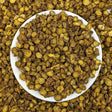
Baikal Skullcap Root
A cornerstone herb of Traditional Chinese Medicine, used for over 2,000 years as a cooling, cleansing root tea.
Baikal skullcap root (Scutellaria baicalensis), known as Huang Qin in Traditional Chinese Medicine, is one of the most important herbs in the Chinese pharmacopoeia. This dried root contains exceptionally high levels of baicalin and baicalein, flavone compounds that have been the subject of extensive modern research. Baikal skullcap root is a decoction herb that needs simmering to release its active compounds.
Key Benefits
- TCM heritage: One of the 50 fundamental herbs in Traditional Chinese Medicine, used continuously for over 2,000 years. Listed in the Shennong Ben Cao Jing, China's oldest herbal text.
- Rich in baicalin: Contains baicalin and baicalein, flavone compounds that are among the most researched natural antioxidants. These compounds are largely unique to this species.
- Antioxidant support: Traditionally used to support the body's natural antioxidant defences and promote general wellbeing.
- Not American skullcap: Baikal skullcap is a completely different herb from American skullcap (Scutellaria lateriflora), which Herb Cottage also sells as Skullcap. The two have different traditional uses and active compounds.
Decoction: Add 1 to 2 teaspoons of dried baikal skullcap root to a cup of water. Bring to a gentle simmer and cook for 15 to 20 minutes. Strain and drink. The flavour is distinctly bitter. Add Licorice Root for natural sweetness.
TCM-style blend: In Chinese herbal tradition, Huang Qin is rarely used alone. Combine with Astragalus Root for a classic pairing, or with Ginger Root to balance the root's cold nature.
The roots of baikal skullcap are bright yellow when freshly cut, which is reflected in the Chinese name Huang Qin (yellow). Good quality dried root should still show hints of this golden colour. The deeper the yellow, the richer the baicalin content.
Over 3,000 scientific papers have been published on baicalin and related compounds from this plant, making it one of the most intensively studied herbs in modern phytochemistry.
Not recommended during pregnancy or breastfeeding. May interact with sedative, blood-thinning, and diabetes medications. This herb is best used under the guidance of a qualified herbalist or TCM practitioner. This information is not a substitute for medical advice. Consult a healthcare provider before use.
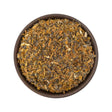
Buckthorn Bark
Aged bark with a long history in European herbal tradition, usually simmered slowly as a decoction.
Buckthorn bark comes from Frangula alnus, a small European shrub whose bark has been used in herbal traditions since the Middle Ages. It is always aged before use, never taken fresh, and is prepared as a slow decoction rather than a quick cup of tea.
Key Benefits
- Traditional European herb: one of the classic barks of Western herbalism, recorded in monastery gardens and herbals for centuries.
- Properly aged: buckthorn bark must be aged at least a year before use so the harsh fresh compounds mellow. Ours is supplied aged and ready to prepare.
- Cut for decoction: the pieces are sized for simmering, which is how this bark has always been prepared.
- Short-term use only: a herb for occasional use rather than daily drinking, as generations of herbalists have advised.
- Practitioner favourite: most often bought by herbalists and students who know exactly how they want to work with it.
Barks need longer than leaves to give up their goodness, so buckthorn is simmered rather than steeped. Use around half a teaspoon of the cut bark per cup of cold water, bring it gently to a simmer, hold it there for 10 to 15 minutes, then strain well. Keep it to a single cup and to occasional use only.
Many people soften the taste with a little Ginger Root or Liquorice Root simmered alongside it. If you are after something gentler for everyday drinking, Roasted Dandelion Root is the far more relaxed option.
Alder buckthorn is thornless, despite the name, and its small berries turn from green through red to black on the same branch. Hedgerow lore says you can read the season in a single twig.
The wood had a second life entirely: buckthorn charcoal was once prized by gunpowder makers, and by artists, who still favour it for fine drawing charcoal today.
This is a herb where the ageing genuinely matters. Fresh bark was traditionally avoided altogether, and old herbals are unusually firm on the point.
Not for use during pregnancy or breastfeeding, by children, or by anyone with a bowel condition or abdominal pain. Intended for short-term occasional use only, not daily or long-term drinking. This information is not a substitute for medical advice. Consult a healthcare provider before use, especially if pregnant, breastfeeding, or taking medication.
Stevia - Powder
Certified organic whole-leaf stevia powder, a natural zero-calorie sweetener for tea, baking, and cooking.
Stevia powder (Stevia rebaudiana) is a natural, zero-calorie sweetener made from the dried, ground leaves of the stevia plant. This certified organic stevia leaf powder is the whole-leaf form, which has a green colour and is around 30 to 40 times sweeter than sugar. Unlike processed white stevia extracts, whole-leaf stevia powder retains the full range of the plant's natural compounds and has a more complex flavour profile with subtle herbal notes.
Key Benefits
- Natural zero-calorie sweetener: Approximately 30 to 40 times sweeter than sugar with zero calories. A tiny amount goes a long way. Use a pinch in place of a teaspoon of sugar.
- Whole-leaf powder: This is the whole dried leaf, ground to a fine green powder. More natural and less processed than the refined white stevia extracts found in supermarkets.
- Versatile in the kitchen: Add to tea, coffee, smoothies, baking, sauces, and desserts. Particularly useful for reducing sugar in recipes without artificial sweeteners.
- Herbal heritage: The Guarani people of Paraguay have used stevia leaves to sweeten their yerba mate for over 1,500 years.
- Certified organic: Ground from certified organic stevia leaves.
Sweetening tea: Add a tiny pinch (about one-eighth of a teaspoon) to a cup of tea. Stir well. Start with less than you think you need, as stevia is very concentrated. Works well in Chamomile, Peppermint, and other herbal teas.
Baking: Replace sugar with stevia powder at roughly a 1:30 ratio (1 teaspoon of stevia for every 30 teaspoons, or about 2/3 cup, of sugar). Note that stevia does not caramelise or provide bulk, so recipes may need adjustments.
Smoothies and drinks: Add a small pinch to smoothies, juices, or homemade lemonade for natural sweetness without calories.
Whole-leaf stevia powder has a green colour and a slightly different flavour profile from the refined white stevia products sold in supermarkets. It may have subtle herbal or liquorice-like undertones that some people enjoy and others prefer to mask by blending with other herbs.
Stevia is generally considered safe for dogs but should be kept away from pets in large quantities. It does not contain xylitol (a sugar substitute that is highly toxic to dogs).
Generally recognised as safe (GRAS). People taking blood sugar or blood pressure medications should consult a healthcare provider before regular use, as stevia may enhance their effects. This information is not a substitute for medical advice.
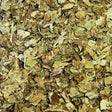
Coltsfoot
A traditional respiratory herb used to soothe occasional coughs and support clear breathing.
Coltsfoot tea (Tussilago farfara) is one of the oldest known respiratory herbs in traditional Western herbalism. The dried coltsfoot leaf produces a mild, slightly bitter infusion that has been traditionally used for centuries to soothe occasional coughs and support comfortable breathing. The botanical name itself reflects this traditional use: "Tussilago" derives from the Latin "tussis," meaning cough. Coltsfoot benefits are primarily associated with respiratory comfort, making this a valued addition to the herbal cupboard during the cooler months.
Key Benefits
- Respiratory comfort: Traditionally used to help soothe occasional dry or irritating coughs and support clear breathing. The best-known coltsfoot benefit.
- Throat soothing: Traditionally used to help ease mild throat irritation and discomfort. The mucilage content provides a gentle coating action.
- Seasonal wellness: Traditionally used as a winter wellness herb to support respiratory comfort during the cooler months.
- Rich in mucilage: Coltsfoot leaf contains natural polysaccharides that produce a soothing, demulcent infusion.
- Historical herb: One of the most historically documented respiratory herbs, with a continuous tradition of use spanning over 2,000 years.
Coltsfoot tea: Add 1 to 2 teaspoons of dried coltsfoot leaf to a cup of boiling water. Cover and steep for 10 to 15 minutes. Strain and drink up to 2 cups daily. Best used for short periods during acute respiratory discomfort rather than as a daily tea.
Blending: For a soothing respiratory blend, combine with Mullein, another traditional lung herb. Add Licorice Root for natural sweetness, or pair with Thyme for additional respiratory support.
The common name "coltsfoot" refers to the shape of the leaf, which resembles a young horse's hoof. Coltsfoot is unusual among plants because the bright yellow flowers appear in early spring before the leaves emerge, earning it the folk name "son before the father."
Coltsfoot is not recommended for pets. Keep dried coltsfoot herb away from dogs and cats as a precaution.
Contains pyrrolizidine alkaloids (PAs). Use only for short periods and not as a daily tea. Not recommended during pregnancy, breastfeeding, or for children. This information is not a substitute for medical advice. Consult a healthcare provider before use, especially if pregnant, breastfeeding, or taking medication.
Desert Lime Powder
Whole native limes, freeze dried into a sharp citrus powder you use by the pinch.
Desert lime is Australia's only true desert citrus, and this desert lime powder is the whole Australian grown fruit of Citrus glauca, freeze dried and ground, rind and all. The fresh fruit barely lasts days off the tree, so freeze drying is how this sharp, aromatic native lime becomes an everyday pantry ingredient you can use by the pinch, all year round.
Key Benefits
- Whole fruit, nothing wasted: Australian desert limes are grape-sized with a paper-thin rind and often no seeds, so the entire fruit goes into the powder, tang, aromatics and all.
- Naturally high in vitamin C: published analyses put desert lime among the richest citrus fruits for vitamin C, roughly three and a half times a typical orange, and freeze drying avoids the heat that destroys it.
- Unusual riches for a citrus: the whole fruit also carries folate, the highest of twelve native foods in a benchmark study, along with lutein and notable calcium.
- A real lime tang, by the pinch: sharper and more aromatic than standard lime with a rounder acidity, and no juicing, zesting or waste.
- The world's toughest citrus: a deep-rooted native that shrugs off 45 degree heat, drought and hard frost, grown in low-input Australian orchards and managed wild stands.
Start with a quarter to half a teaspoon and adjust, because the powder is concentrated. Whisk the freeze dried lime powder into vinaigrettes, yoghurt dressings and marinades for fish or chicken, stir it through butter sauces for seafood, or fold it into cheesecake, icings, shortbread and pavlova cream. A pinch in sparkling water, cordial or a gin cocktail is lovely, and mixed with sugar or salt it makes a very good glass rim.
In the native dessert pantry it sits naturally beside Strawberry Gum and Davidson Plum Powder, and it loves macadamia, coconut and white chocolate.
Desert lime is a traditional bush food, long collected and eaten fresh in season by Aboriginal people of inland eastern Australia, and colonial cooks of the 1890s were making it into jams, pickles and preserves.
Graziers once grubbed it out as a thorny paddock weed. The modern industry began when a Queensland grazing family started hand-picking the wild trees on their own property in the 1990s and ended up with a lime business bigger than their cattle operation.
It is also the fastest citrus in the world from flower to fruit, ten to twelve weeks, a desert survival trick for setting seed while the season allows.
Desert lime is an ordinary food enjoyed in normal culinary amounts, though like any citrus it is acidic, and the powder is best kept away from pets. This information is not a substitute for medical advice. Consult a healthcare provider before use, especially if pregnant, breastfeeding, or taking medication.
Stevia
A naturally sweet, zero-calorie organic herb for sweetening teas and recipes without sugar.
Stevia leaf (Stevia rebaudiana) is nature's sweetener. These certified organic dried leaves are approximately 30 times sweeter than sugar, yet contain virtually no calories. Used for centuries to sweeten yerba mate tea, stevia leaf offers a genuinely natural way to reduce sugar intake. Unlike refined white stevia extracts, whole dried stevia leaf retains its full spectrum of plant compounds, delivering a more rounded sweetness with subtle herbaceous notes.
Key Benefits
- Natural stevia sweetener: Approximately 30 times sweeter than sugar, with virtually zero calories. A few leaves in your cup replaces a teaspoon of sugar.
- Whole leaf, minimally processed: Simply dried and nothing else. No chemical extraction, bleaching, or refining. What you get is pure, whole stevia leaf.
- Certified organic: Grown without synthetic pesticides or fertilisers. Free from the additives (erythritol, maltodextrin) commonly found in commercial stevia products.
- Versatile sweetening: Use in teas, smoothies, baking, or make your own liquid stevia extract at home. Works beautifully as a natural sweetener in herbal tea blends.
- Suitable for many diets: Naturally gluten-free and vegan. A practical option for those managing sugar intake or following low-calorie diets.
As a tea sweetener: Drop 2 to 3 whole dried stevia leaves into your cup along with your chosen herbal tea. Steep for 5 to 10 minutes. The longer you steep, the sweeter and more herbaceous the flavour. Start with fewer leaves and adjust to your taste. Works especially well with Peppermint, Chamomile, and Hibiscus.
Stevia powder: Crush dried leaves in a mortar and pestle or spice grinder. Use approximately 1 tablespoon of ground stevia plant leaf to replace 1 cup of sugar. Start with less and adjust, as over-sweetening can produce a slight licorice-like aftertaste.
Homemade liquid extract: Steep a small handful of dried leaves in hot water for 15 to 20 minutes. Strain and refrigerate. Use drops to sweeten beverages, smoothies, or recipes.
The Guarani people called stevia "ka'a he'e" (sweet herb) and used it for over a thousand years to sweeten bitter mate tea. Most supermarket stevia sugar products are blends where erythritol or maltodextrin is the bulk ingredient. Whole dried stevia leaf is the most natural, unprocessed form available.
Stevia is classified as non-toxic to dogs, cats, and horses by the ASPCA. However, some stevia-sweetened products contain xylitol, which is dangerous for dogs. This pure dried stevia leaf does not contain xylitol.
Stevia belongs to the daisy family (Asteraceae), so those with Asteraceae allergies should use with caution. May interact with diabetes and blood pressure medications. This information is not a substitute for medical advice. Consult a healthcare provider before use, especially if pregnant, breastfeeding, or taking medication.

Kola Nut Powder
A natural energy tonic from West Africa, traditionally used to boost alertness, focus, and stamina.
Kola nut powder (Cola nitida) is a traditional stimulant and cultural tonic, widely used in West Africa for endurance, appetite control, and mental clarity. Naturally rich in caffeine and theobromine, it offers a clean, focused lift without synthetic additives. Often used in teas, tinctures, or energy blends for a gentle but effective boost.
- Used to support energy, alertness, mood, and appetite control
- Contains natural caffeine, theobromine, and antioxidants like catechins and tannins
- May enhance physical performance, stamina, and metabolic activity
- Traditionally taken for digestion, hangovers, and general wellness
- Featured in cultural and ceremonial use as a symbol of hospitality, unity, and vitality
Powder: Take ¼–½ tsp (1–2 g) daily. Mix into water, juice, tea, or smoothies. Best in the morning or pre-workout.
Decoction: Simmer 1 tsp in water for 10–15 minutes. Drink plain or with ginger, cinnamon, or hibiscus.
Tincture: Take 1–2 mL up to twice daily in water. Often paired with gotu kola, ginseng, or cayenne in energy blends.
Capsules: Use 500–1000 mg per capsule. Take one or two daily as needed.
Culinary: Blend into energy balls, DIY cola syrup, or natural caffeinated snacks. Mask bitterness with citrus, cacao, or honey.
Kola nut is often used as a coffee alternative or metabolic tonic. Customers enjoy it for focus, study, workout stamina, or weight support. Traditionally used across West Africa for digestion, breath, and fatigue. Popular in teas, tinctures, herbal sodas, and powdered blends. Use moderately to avoid overstimulation. Do not mix with other stimulants unless guided.
Not for children, pets, pregnancy, or those with heart, blood pressure, or anxiety conditions. May interact with antidepressants, blood thinners, or stimulants. Store airtight and away from heat or moisture.
- Actions: Stimulant, cardiotonic, mood-lifting, bronchodilator, digestive tonic, thermogenic
- Systems: Nervous, cardiovascular, metabolic, respiratory, digestive
- Energetics: Warming, stimulating, drying
- Pairings: Gotu kola, ginger, cinnamon, cayenne, rhodiola, schisandra
- Clinical note: Avoid late in the day or if caffeine sensitive. Limit to 1–2 g per dose, no more than 6 g per day unless guided.
This information is for general reference only. Consult a qualified practitioner before use if pregnant, breastfeeding, on medication, or managing chronic illness. Use caution with caffeine sensitivity or stimulant medications.
Triphala Powder
The classic Ayurvedic three fruit blend, milled fine and usually taken as half a teaspoon in warm water.
Triphala powder is the best known formula in Ayurvedic herbalism, an equal blend of three dried fruits: amalaki (Phyllanthus emblica), bibhitaki (Terminalia bellirica) and haritaki (Terminalia chebula). Milled fine, it is tangy and earthy with a strong astringent edge, and it is usually taken as half a teaspoon stirred into warm water at the end of the day.
Key Benefits
- Three fruits, one formula: equal parts amalaki, bibhitaki and haritaki, combined the same way the classical Ayurvedic texts describe.
- Certified organic: grown and processed to organic certification standards.
- Traditionally used for digestion: triphala has been taken for centuries to support comfortable digestion and regularity.
- Vitamin C from amalaki: amla is one of the better known plant sources of vitamin C, and it is a full third of the blend.
- Milled fine: the powder disperses in warm water instead of sitting on the surface, so you can take it without capsules.
- Also used as a mouth rinse: a weak triphala infusion is a long-standing daily gargle in Ayurvedic practice.
Half a teaspoon in a mug of warm water is the usual amount, stirred well and drunk in the evening. It is worth starting at a quarter teaspoon for the first week and building up, since the astringency takes some getting used to. A little honey softens the taste if you need it.
You can also steep it like a tea, half a teaspoon in just-boiled water for ten minutes, then strained. If you are putting together an Ayurvedic shelf, triphala sits naturally alongside Ashwagandha Powder and Brahmi. For a plainer approach to fibre, Psyllium Husk Powder is the usual starting point.
Triphala means three fruits in Sanskrit, and the recipe has barely shifted in two thousand years. It appears in nearly every classical Ayurvedic text, usually as the formula a household simply kept on hand.
Ayurvedic tradition holds that triphala carries five of the six tastes, everything but salty, which is part of why it is described as balancing rather than specific.
The flavour catches people out. It is sour and puckering on the first few nights, and most regular drinkers say they stop noticing within a fortnight.
Not suitable during pregnancy or breastfeeding. Start with a small amount, as too much can loosen the bowels, and check with your doctor first if you take blood thinners or medication for blood sugar. This information is not a substitute for medical advice. Consult a healthcare provider before use, especially if pregnant, breastfeeding, or taking medication.
Gravel Root
Wildcrafted gravel root for urinary support, kidney health, and traditional stone-clearing tea.
Gravel root (Eupatorium purpureum), also known as Joe Pye weed, is a traditional North American herb valued for its long history of use in supporting kidney and urinary tract health. This wildcrafted dried gravel root is a gravel root tea decoction herb that needs simmering to release its active compounds. The name "gravel root" directly references its traditional use in helping to ease the discomfort associated with urinary gravel and stones.
Key Benefits
- Kidney and urinary support: Traditionally used in Native American and Western herbal medicine to support healthy kidney function and promote comfortable urination.
- Traditional stone herb: The common name "gravel root" reflects centuries of traditional use in supporting the urinary tract during episodes of urinary gravel and discomfort.
- Fluid balance: Traditionally used as a mild diuretic to support healthy fluid balance and the body's natural elimination processes.
- Wildcrafted: Ethically gathered from wild populations in its native North American habitat.
Decoction: Add 1 to 2 teaspoons of dried gravel root to a cup of water. Bring to a gentle simmer and cook for 15 to 20 minutes. Strain and drink up to 3 cups daily. Ensure adequate water intake throughout the day.
Kidney blend: Combine gravel root with Marshmallow Root for soothing demulcent support, and Dandelion Leaf for gentle diuretic action. Add Ginger Root for warmth.
The name "Joe Pye weed" honours a Native American healer named Joe Pye, who is said to have used the plant to help early European settlers through a typhus outbreak. The tall, pink-purple flower heads of this striking wetland plant can reach over two metres in height.
Gravel root belongs to the Eupatorium genus, which also includes boneset (E. perfoliatum). The two are different herbs with different traditional uses.
Contains pyrrolizidine alkaloids (PAs). Not for long-term continuous use. Not suitable during pregnancy or breastfeeding, or for people with liver disease. This information is not a substitute for medical advice. Consult a healthcare provider before use.
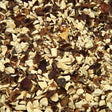
Horse Chestnut
Dried horse chestnut seeds traditionally used for circulatory support and vein health preparations.
Horse chestnut (Aesculus hippocastanum) is one of the most well-researched herbs in European phytotherapy for supporting healthy venous circulation. These dried horse chestnut seeds contain aescin, a compound that has been the focus of extensive clinical research for circulatory support, particularly for leg comfort and vein health. Horse chestnut is primarily used in tinctures and external preparations.
Key Benefits
- Circulatory support: Traditionally used in European herbal medicine to support healthy venous circulation and vein tone. One of the most clinically studied herbs for this purpose.
- Leg comfort: Traditionally used to help relieve feelings of heaviness, tiredness, and discomfort in the legs associated with long periods of sitting or standing.
- Contains aescin: The key active compound, aescin (escin), has been the subject of over 20 clinical trials for circulatory support. It is the basis of many European pharmaceutical preparations.
- External preparations: Popular in homemade tinctures, compresses, and topical preparations for leg and circulatory comfort.
Tincture: Chop or grind horse chestnut seeds and place in a jar. Cover with vodka (40% alcohol). Seal and store in a dark place for 4 to 6 weeks, shaking daily. Strain and bottle. Use as directed by a herbalist.
Decoction: Add 1 teaspoon of crushed horse chestnut seeds to a cup of water. Simmer gently for 15 to 20 minutes. Strain carefully and drink in small amounts. The flavour is bitter and astringent.
External compress: Make a strong decoction, allow to cool, and soak a cloth in the liquid. Apply to legs for 15 to 20 minutes. Combine with Yarrow or Calendula for a topical blend.
Horse chestnuts (conkers) are not related to sweet chestnuts (Castanea sativa) and are not edible as a food. The "horse" in the name may come from the Turkish practice of feeding the seeds to horses with breathing difficulties, or from the horseshoe-shaped leaf scars on the twigs.
Horse chestnut seeds are toxic to dogs, cats, and horses if ingested. The toxic compound is esculin, which can cause vomiting, diarrhoea, and neurological symptoms. Keep this product well out of reach of pets.
Raw horse chestnut seeds contain esculin, which can be harmful. Do not consume in large quantities. Not suitable for people with liver or kidney disease, bleeding disorders, or those taking blood-thinning medication. Toxic to pets. Not suitable during pregnancy or breastfeeding. This information is not a substitute for medical advice. Consult a healthcare provider before use.

Cats Claw powder
Botanical Name: Uncaria tomentosa
Cats claw is used in acute and chronic conditions, HIV, cancer and chronic fatigue syndrome.
Cats Claw is also used in diabetes, arthritis and circulatory problems, inflammation of the digestive tract and chronic inflammatory disorders.
Part Used
Stem bark
Actions
Immune stimulant, anti-inflammatory, anti-viral, anti-bacterial, anti-tumour, antioxidantContraindications
Pregnancy, lactation and young children.
All information provided on this website is for informational purposes only. Please seek professional advice before commencing any treatment.
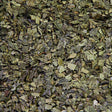
Birch
Certified organic birch leaf for gentle urinary support, spring cleansing, and kidney health tea blends.
Dried birch leaf (Betula pendula) is a gentle, cleansing herb with a long history in European herbal medicine. This certified organic birch leaf tea has a light, clean flavour with mild astringency, making it pleasant to drink on its own or blended with other herbs. Birch leaf is traditionally used to support healthy kidney and urinary tract function, and remains one of the most widely used herbs in European herbal practice for this purpose.
Key Benefits
- Urinary tract support: Traditionally used in European herbal medicine to support healthy urinary tract function and promote natural fluid balance. Recognised by the European Medicines Agency for this traditional use.
- Gentle cleansing: Traditionally used as a mild, natural diuretic to support the body's normal elimination processes. The high potassium content helps maintain mineral balance.
- Spring cleanse herb: A cornerstone of the traditional European spring cleanse, where birch leaf tea is taken as a short course (2 to 4 weeks) at the change of season to support natural detoxification.
- Joint comfort: Traditionally used to support joint comfort and mobility, particularly when combined with other joint-supporting herbs.
- Certified organic: Grown without synthetic pesticides or fertilisers, ensuring a clean, pure leaf for tea.
Tea infusion: Add 1 to 2 teaspoons of dried birch leaf to a cup of freshly boiled water. Cover and steep for 10 to 15 minutes. Strain and drink up to 3 cups daily. Best consumed earlier in the day due to its gentle diuretic action. Ensure adequate water intake throughout the day.
Kidney support blend: Combine equal parts birch leaf with Nettle Leaf and Dandelion Leaf for a traditional European kidney tea. Add a little Peppermint for flavour.
Joint comfort blend: Blend birch leaf with Meadowsweet and Ginger Root for a warming, joint-supporting tea.
In Celtic and Norse traditions, birch was the first tree to colonise bare ground after the last Ice Age, earning it the role of "pioneer tree" and symbol of renewal and new beginnings. The birch tree was sacred in many Northern European cultures, and birch branches were used in Beltane celebrations to welcome spring.
Birch leaf is distinct from birch bark, which has a different chemical profile dominated by betulin and betulinic acid. The leaf is rich in flavonoids and is the part used for urinary and kidney support teas.
Not suitable for people with kidney disease or oedema due to heart or kidney conditions. Those with aspirin sensitivity should use caution. This information is not a substitute for medical advice. Consult a healthcare provider before use, especially if pregnant, breastfeeding, or taking medication.
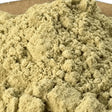
Kelp Powder
A pinch adds savoury depth to broths, dressings and homemade seasoning blends.
Kelp powder is brown seaweed milled fine, usually Ascophyllum nodosum or one of the Laminaria kelps. It has a clean ocean saltiness and a savoury depth that rounds out soups, stocks and dressings. A quarter of a teaspoon goes a long way.
Key Benefits
- Savoury depth without more salt: kelp is naturally rich in glutamic acid, the compound behind savoury umami flavour, so a small pinch lifts a whole pot.
- Naturally rich in minerals: a good source of iodine, along with potassium, magnesium and other trace minerals found in sea vegetables.
- Milled fine: stirs straight into liquid and blends evenly through dry seasoning mixes. No soaking, no straining, no grit.
- Certified organic: harvested and processed to organic certification standards.
- Useful across the kitchen: stocks, marinades, sesame sprinkles, savoury baking and anywhere you want more savour and less salt.
Start small. A quarter to half a teaspoon is plenty for a pot of soup, a jug of stock or a batch of salad dressing. Stir it straight in and give it a minute to disperse.
For a savoury sprinkle, mix one part kelp powder with three parts toasted sesame seeds and a pinch of Garlic Granules, then use it on rice, eggs and roast vegetables. If you would rather work with cut seaweed than powder, Bladderwrack is the other sea vegetable in the range, and Nettle Leaf is the go-to if minerals are what you are after in a cup rather than a pot.
Keep it sealed in an airtight jar away from heat and light. Fine powders take up moisture from the air and will clump if the lid is left off.
Umami got its name in 1908, when a chemist working on kombu seaweed broth isolated glutamic acid and worked out what was giving the stock its savour. Kelp had been doing that job in kitchens for centuries before anyone named it.
Kelp is one of the fastest growing organisms on the planet. Giant kelp can add half a metre a day in good conditions, and it needs no fresh water, no fertiliser and no farmland.
Iodine content varies a lot between kelp species and between harvests, which is why the sensible approach is to season with it rather than take it by the spoonful.
Kelp is high in iodine. Keep it to culinary amounts, and check with your doctor first if you have a thyroid condition or take thyroid medication. This information is not a substitute for medical advice. Consult a healthcare provider before use, especially if pregnant, breastfeeding, or taking medication.
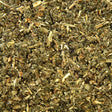
Horehound
Botanical Name: Marrubium vulgare
Horehound tea is used for bronchitis, bronchial asthma, dry unproductive coughs and whooping cough.
Horehound is also used for digestive complaints such as indigestion, dyspepsia, loss of appetite and flatulence.
Other Uses
Horehound is used in herbal beer and to flavour liqueurs.
Actions
Expectorant, spasmolytic, bitter tonic
Contraindications
Avoid High Doses, (may be cardioactive and uterine stimulant).
All information provided on this website is for informational purposes only. Please seek professional advice before commencing any treatment.
Oolong Tea
Partly oxidised leaf sitting between green and black tea, and good for several infusions from the same leaves.
Oolong tea comes from Camellia sinensis, the same plant as green and black tea, stopped partway through oxidation instead of at either end. That middle ground gives a smooth, toasty, faintly fragrant cup with much less bite than a strong black tea. A good oolong will give you several infusions from the same leaves.
Key Benefits
- Certified organic: grown without synthetic fertilisers or pesticides.
- Partly oxidised: anywhere from about 10 to 70 per cent, which is why oolong sits between green and black in both colour and flavour.
- Several infusions: the rolled leaves open slowly, and the second and third cups are often the best of the lot.
- Moderate caffeine: roughly 30 to 65mg a cup, between green tea and black tea.
- Forgiving to brew: much harder to over steep into bitterness than green tea, so it suits anyone who finds green tea sharp.
- Drunk on its own: no milk, no sugar, nothing to hide behind.
Use a teaspoon per cup and water just off the boil, around 90 to 95 degrees, and steep 2 to 3 minutes for the first cup. Then keep the leaves. Re-steep three or four more times, adding a little time each round, and the flavour shifts with every cup. For the traditional approach, use more leaf, less water and short steeps of 20 to 30 seconds.
It sits neatly between Sencha Green Tea and English Breakfast Tea if you are still working out what you like. A few Jasmine Flowers in the pot is a classic addition and needs nothing else.
Oolong means black dragon, said to describe the long dark twisted leaves. One old story pins the name on a farmer who was distracted mid harvest by a deer, and whose leaves quietly oxidised while he was away.
The degree of oxidation varies enormously between styles. A light oolong can taste almost like a green tea while a heavily roasted one drinks closer to a black tea, from the same leaf and the same plant.
Rolling matters as much as oxidation. Tightly balled leaves give up their flavour slowly and stand many steeps, while ribbon rolled leaves open fast and brew a more immediate cup.
Oolong contains caffeine, so go easy in the evening or if you are sensitive to it. Tea tannins can reduce iron absorption, so it is best taken away from iron rich meals. This information is not a substitute for medical advice. Consult a healthcare provider before use, especially if pregnant, breastfeeding, or taking medication.
Cassia Cinnamon Chips
Cut small so it gives up its flavour fast in a simmering pot, then strains out cleanly.
Cassia cinnamon is the bark of Cinnamomum cassia, and it is the bolder, hotter, sweeter of the two cinnamons you will meet. These chips are cut small, so they give up their flavour in a simmering pot far quicker than a whole quill and still strain out in one go. Certified organic.
Key Benefits
- Cut for brewing: chip-sized pieces release flavour much faster than whole quills, but unlike ground cinnamon they lift straight out of the pot when you are done.
- Bold and sweet: cassia carries more of that hot, sweet spice note than the milder true cinnamon, so you need less of it.
- Certified organic: grown and processed to organic certification standards.
- Kitchen and teapot both: chai, mulled wine, stewed fruit, pickling spice, curries, rice and slow-cooked meats.
- Traditionally warming: mature cinnamon bark has a long record in Chinese herbal tradition as a warming spice for cold weather.
- Holds its aroma: whole bark keeps its oils far longer than pre-ground cinnamon, which fades within months.
Bark wants heat and time rather than a quick steep. For a pot of chai, simmer about a teaspoon and a half of chips in four cups of water for ten minutes before you add the tea and milk. For mulled wine, cider or stewed fruit, a heaped teaspoon per litre is plenty.
It pairs naturally with Ginger Root and Star Anise in a spice pot. If you want the softer, more floral cinnamon for baking, custards and everyday sprinkling, Cinnamon Sticks are true cinnamon and a different thing entirely.
Cassia and true cinnamon come from different trees, and once you have seen them side by side you will not confuse them again. Cassia bark is thick, hard and dark red-brown, rolled into a single tight curl. True cinnamon is thin, papery and layered like a rolled cigar.
The thicker grades come off trees ten years or older, stripped in autumn and dried in the shade so the volatile oils stay put.
Most of what gets sold simply as cinnamon, and almost every chai masala blend, is cassia rather than true cinnamon.
Cassia is naturally high in coumarin, so keep it to culinary amounts rather than large daily doses, particularly if you have a liver condition or take blood-thinning medication. This information is not a substitute for medical advice. Consult a healthcare provider before use, especially if pregnant, breastfeeding, or taking medication.
Quandong Kibble
A tart, vitamin C-rich native Australian fruit for pies, jams, sauces, and desserts.
Quandong kibble (Santalum acuminatum), also known as desert peach or native peach, is dried quandong fruit from one of Australia's most significant bush food trees. Aboriginal Australians have relied on this tart, vitamin C-rich fruit for over 40,000 years, drying it for long-term storage and transport across arid landscapes. The flavour is distinctly its own, often compared to peach, apricot, or rhubarb, with a refreshing tartness from natural malic acid. Quandong contains roughly twice the vitamin C of oranges and more antioxidants than blueberries.
Key Benefits
- High in vitamin C: Contains approximately 180 mg of vitamin C per 100g of fresh fruit, roughly twice that of oranges.
- Rich in antioxidants: Contains phenolic compounds including chlorogenic acid, rutin, and ferulic acid. Antioxidant capacity exceeds that of blueberries.
- Nutrient-dense: A natural source of iron, zinc, magnesium, vitamin E, and folate.
- Versatile in the kitchen: Perfect for pies, jams, chutneys, sauces, crumbles, and desserts. Also makes a delicious quandong liqueur.
- Long shelf life: Dried quandong kibble stores well and rehydrates easily. 100g of dried fruit becomes approximately 500g when soaked.
Rehydrating: Soak dried quandong in water overnight for the best texture, or cover with boiling water for 15 minutes for a quicker soak. For extra flavour, soak in apple juice instead of water. 100g of dried fruit becomes roughly 500g when fully rehydrated.
Classic quandong pie: Combine rehydrated quandong with apple, a little sugar, and water. Simmer until soft, thicken with cornflour, fill a pastry-lined pie tin, and bake. Quandong and apple crumble is equally delicious and simpler to make.
Sauces and preserves: Makes outstanding jam, chutney, and fruity sauces for kangaroo, duck, or pork. For a native twist, add Tasmanian Pepper Berries and Lemon Myrtle to your quandong jam. Also pairs well with Davidson Plum Powder in mixed native fruit preserves.
The quandong tree is a hemiparasite, meaning it draws nutrients from the roots of neighbouring trees while still photosynthesising on its own. It cannot survive without a host plant, which is why it is always found growing near other trees like acacias.
In Aboriginal tradition, the emu plays a vital role in dispersing quandong seeds across the landscape. This relationship is encoded in the Emu and Quandong Dreaming, one of many stories that preserve ecological knowledge spanning tens of thousands of years.
The high malic acid content may aggravate acid reflux in some people. This product is dried fruit flesh only and does not contain the kernel. This information is not a substitute for medical advice. Consult a healthcare provider before use, especially if pregnant, breastfeeding, or taking medication.

Sumac Berry Powder
Certified organic sumac berry powder, a tangy Middle Eastern spice for za'atar, fattoush, and grilled meats.
Sumac berry powder (Rhus coriaria) is a vibrant, deep-red spice with a tangy, citrusy flavour that is essential to Middle Eastern and Mediterranean cooking. This certified organic sumac powder adds a bright, lemony tartness to dishes without the liquid of lemon juice, making it ideal for dry rubs, salads, and sprinkled finishes. Sumac is a key ingredient in za'atar spice blend and is traditionally sprinkled over hummus, kebabs, and grilled vegetables.
Key Benefits
- Tangy citrus flavour: Adds a bright, lemony tartness to dishes. Use anywhere you would squeeze lemon juice but want a dry seasoning instead. The flavour is fruity, tart, and slightly astringent.
- Essential Middle Eastern spice: A key ingredient in za'atar (mixed with thyme and sesame seeds), and traditional on fattoush salad, kebabs, grilled meats, rice dishes, and hummus.
- Rich in antioxidants: Sumac has one of the highest antioxidant levels of any spice, thanks to its concentrated tannins, anthocyanins, and gallic acid.
- Versatile seasoning: Works in marinades, dressings, dry rubs, sprinkled on roasted vegetables, mixed into yoghurt dips, or added to bread dough.
- Certified organic: Ground from certified organic sumac berries.
Finishing spice: Sprinkle sumac powder generously over hummus, grilled halloumi, roasted cauliflower, avocado toast, or fried eggs. The vibrant red colour makes dishes look as good as they taste.
Za'atar blend: Mix equal parts sumac with dried Thyme and toasted sesame seeds for a homemade za'atar. Drizzle with olive oil and serve with warm flatbread.
Marinades and dressings: Whisk into salad dressings, yoghurt marinades, or olive oil for a tangy twist. Pairs beautifully with Turmeric and Cinnamon in Middle Eastern spice blends.
Culinary sumac (Rhus coriaria) is completely unrelated to poison sumac (Toxicodendron vernix), which is a North American swamp plant with white berries. Culinary sumac has distinctive dark red berries and is perfectly safe to eat. The two plants are in different genera despite sharing a common name.
Sumac has been used as a souring agent in the Middle East for thousands of years, long before lemons arrived in the region. The Romans used it as a substitute for citrus, and it remains a kitchen staple across Turkey, Iran, and the Levant.
Safe as a culinary spice at normal cooking quantities. People with allergies to the Anacardiaceae family (cashews, mangoes, pistachios) may rarely react. This information is not a substitute for medical advice.
Allspice
Botanical Name: Pimenta dioica
Allspice is a dried, unripe berry from the Pimenta dioica tree. Our organic allspice comes finely ground.
It's a common ingredient in many cuisines and is often used to add a warm, spicy flavor to dishes. Allspice is best paired with hearty dishes such as stews, roasts and curries, as well as baked goods like cakes, cookies and pies (and anything apple!).
Allspice is known to also help reduce inflammation, improve digestion, and enhance circulation.
All information provided on this website is for informational purposes only. Please seek professional advice before commencing any treatment.
Amla Berries (Indian Gooseberry)
Sharply tart berries that hold their vitamin C through drying, good in teas, oxymels and hair rinses.
Amla berries are the dried fruit of Phyllanthus emblica, known in Ayurvedic tradition as amalaki. They are cut ready to use, properly sour and astringent, and unusually for a dried fruit they keep much of their vitamin C. That combination is why they have stayed a household staple for thousands of years.
Key Benefits
- Very high in vitamin C: amla is one of the richest natural sources, and a good share of it survives the drying.
- Certified organic: grown without synthetic fertilisers or pesticides.
- A cornerstone of Ayurvedic tradition: one of the three fruits in triphala and the main ingredient in chyawanprash.
- Cut and ready: the pieces are sized for steeping, simmering or an overnight cold soak, no chopping needed.
- Used inside and out: traditionally taken as a tea or an oxymel, and just as often used as a hair and scalp rinse.
- Genuinely sour: that tartness works in cooking too, as a souring agent the way you would use tamarind or lemon.
For a simple tea, use about a teaspoon of the cut berries per cup, cover with boiling water and steep for 10 minutes. Simmer it gently for the same time if you want it stronger. It is properly sour, so most people add honey. A cold soak works well too: cover a teaspoon in a cup of water overnight, strain in the morning and drink it as it is.
For a hair rinse, steep two tablespoons in a cup of hot water, let it cool, strain and pour it through clean hair before rinsing out. Hibiscus is the usual partner there. In a cup, Ginger Root takes the edge off the sourness, and Brahmi is a common companion in Ayurvedic blends.
Amla is one of the three fruits in triphala, the old Ayurvedic blend, and the main ingredient in chyawanprash, a spiced fruit paste eaten by the spoonful.
Its taste is famously complicated. Ayurvedic texts credit amla with five of the six tastes at once, missing only salt, which is part of why it turns up in so many formulas.
The tannins that make it so astringent also gave it a second life in traditional black hair dyes and inks.
Amla is high in tannins and can cause loose stools or stomach discomfort in large amounts. Take care if you are on blood thinning or blood sugar medication. This information is not a substitute for medical advice. Consult a healthcare provider before use, especially if pregnant, breastfeeding, or taking medication.
Dill Seed
Botanical Name: Anethum graveolens
All information provided on this website is for informational purposes only. Please seek professional advice before commencing any treatment.
Earl Grey Tea
Organic black tea (Camellia sinensis) scented with bergamot, the fragrant citrus that has made Earl Grey a favourite cup for nearly two centuries. Bright, aromatic and certified organic, this is the black tea to slow down with.
Key Benefits
- Certified organic: whole leaf black tea with natural bergamot character.
- Bright citrus lift: bergamot gives Earl Grey its classic fragrant, uplifting cup.
- An afternoon classic: lighter and more aromatic than a breakfast blend, lovely with or without milk.
- More than a cuppa: made for London Fog lattes, iced tea and baking. Earl Grey shortbread is a keeper.
- Moderate caffeine: about half the caffeine of a cup of coffee.
Hot: Use 1 teaspoon per cup of freshly boiled water and steep for 3 to 4 minutes. Try it black with a twist of lemon first.
London Fog: Brew it strong, then top with steamed milk and a drop of vanilla or honey.
Make it French-style: Add a pinch of Organic Red Rose Petals for a French Earl Grey, or a little Lavender for a floral cup.
The blend is named after Charles, the second Earl Grey, who was British Prime Minister in the 1830s and was reputedly gifted the recipe. Bergamot is a fragrant citrus whose peel oil gives the tea its signature perfume.
Store it sealed away from light and strong odours. The bergamot aroma fades before the tea does, so it is at its best within a year.
Contains caffeine, roughly half that of a cup of coffee. This information is not a substitute for medical advice. Consult a healthcare provider before use, especially if pregnant, breastfeeding, or taking medication.
English Breakfast Tea
A full-bodied organic black tea (Camellia sinensis) with the rich, malty character of a classic English Breakfast blend. This is whole leaf tea, certified organic, and it brews a proper strong cuppa that stands up beautifully to milk.
Key Benefits
- Certified organic whole leaf: loose leaf black tea, nothing added and no teabag dust.
- Rich, malty strength: a bold morning brew that takes milk and honey well.
- A steady lift: around half the caffeine of a cup of coffee, for a gentler start to the day.
- Goes further than teabags: a 50g bag makes roughly 25 cups.
- Kombucha ready: a clean organic black tea base for home brewing.
Hot: Use 1 heaped teaspoon (about 2g) per cup of freshly boiled water and steep for 3 to 5 minutes. Add milk or honey to taste.
Iced: Brew it double strength, let it cool, then pour over ice with a slice of lemon.
Kombucha: Around 1 tablespoon per litre of sweetened water makes a reliable organic base brew.
Drinking tea into the evening? Keep our caffeine-free Rooibos Tea on hand, or browse the herbal tea blends for after-dark options.
Breakfast blends earned their name in the 1800s as strong black teas robust enough to sit alongside a hearty morning meal, and the style has been the default cuppa in Australian kitchens ever since.
Store it sealed in a cool, dark place and the leaves will stay lively for up to two years.
Contains caffeine, roughly half that of a cup of coffee. This information is not a substitute for medical advice. Consult a healthcare provider before use, especially if pregnant, breastfeeding, or taking medication.

Honeybush Tea
Naturally caffeine free with a soft honeyed sweetness, and it never turns bitter no matter how long you leave it.
Honeybush tea comes from Cyclopia intermedia, a shrubby legume and the closest relative to rooibos. It brews a deep amber cup with a gentle honeyed sweetness and no caffeine at all, which makes it an easy evening drink if you are cutting back on tea and coffee.
Key Benefits
- Genuinely caffeine free: the plant does not make caffeine in the first place, so there is none to remove. Fine last thing at night and fine for the kids' cups.
- Sweet without sugar: honey and caramel notes with a soft floral edge. Most people drink it as it comes.
- Will not go bitter: very low in tannin, so a forgotten pot is still perfectly drinkable. A long steep just makes it richer.
- The sweeter cousin to rooibos: if you already drink Rooibos Tea, honeybush is the rounder, sweeter one. Plenty of people keep both on the shelf.
- Good hot, iced or with milk: it holds up to milk better than most herbal teas and makes an excellent iced tea.
- Certified organic: grown and processed to certified organic standards.
One heaped teaspoon per cup, water straight off the boil, five minutes as a minimum. Leave it ten minutes if you like a stronger cup, it will not turn astringent. Strain and drink as is, or add a splash of milk. For iced tea, brew it double strength, chill it, then pour over ice.
It is a generous blending base because the sweetness carries other flavours well. Half and half with Rooibos Tea makes a rounder everyday cup, and a piece of Cinnamon Stick or a little Ginger Root simmered alongside turns it into something warmer for winter.
The name comes from the honey scent of the small yellow flowers rather than the taste of the brew, though the two happen to line up nicely.
The sweetness is made, not just grown. After cutting, the leaf and stem are heaped up, packed down and covered for three to five days. The heap warms, the material turns from green to reddish brown, and the honey and caramel notes come out. Unoxidised green honeybush also exists and tastes much grassier.
A travelling botanist wrote it up as "honigtee" in 1772, and there are records of people drinking it well before that.
Honeybush is drunk as an everyday tea and is generally well tolerated, with no caffeine to work around. As with any herb you drink daily, have a word with your doctor first if you are on medication. This information is not a substitute for medical advice. Consult a healthcare provider before use, especially if pregnant, breastfeeding, or taking medication.
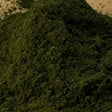
Chlorella Powder
A dense green algae powder for smoothies and juices, best started small and built up slowly.
Chlorella powder is a single celled freshwater algae, Chlorella vulgaris, dried and milled to a fine deep green powder. It is around half protein by weight, with all the essential amino acids present, plus iron, magnesium and a lot of chlorophyll. The flavour is bold and savoury, so most people blend it rather than drink it straight.
Key Benefits
- Around half protein by weight: with all the essential amino acids present.
- Certified organic: grown and dried without synthetic inputs.
- Loaded with chlorophyll: the deep green colour comes straight from it, and a little goes a long way in a glass.
- Iron and magnesium: alongside B group vitamins and beta carotene.
- Mixes cleanly: a fine powder that blends into cold liquid without clumping if you shake or blend it properly.
- Small serves: a level teaspoon is around 3g, so even a modest bag covers a good stretch.
Start with half a teaspoon a day for the first week, then build up. A typical serve is one to two teaspoons, roughly 3 to 6g, stirred into cold water or juice or blended into a smoothie. Cold liquid mixes far better than hot, and it sits more comfortably taken with food. Some bloating in the first few days is common and usually settles.
The flavour is strongly green and faintly oceanic, so pair it with something sweet or sharp. Banana, apple juice or a squeeze of citrus all cover it well. Moringa Leaf Powder is a milder green to blend alongside it, and Kakadu Plum Powder adds vitamin C and a good tartness. If you would rather drink your minerals, Nettle Leaf Tea is the gentler route.
Chlorella was named in 1890, from the Greek for green and the Latin for small. It is one of the oldest single celled plants on earth and has barely changed in the fossil record.
After the Second World War it was seriously investigated as a large scale protein crop, with research programmes running for years on the idea of growing it in tanks to feed cities.
Its cell wall is tough cellulose that we cannot digest, so good chlorella powder is processed to break that wall open. That step is the difference between a useful powder and an expensive green dye.
Chlorella is high in vitamin K, which matters if you take blood thinning medication. Start at a small dose, as bloating or loose stools are common in the first few days. This information is not a substitute for medical advice. Consult a healthcare provider before use, especially if pregnant, breastfeeding, or taking medication.
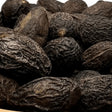
Saw Palmetto Berries
Whole berries keep their oils far better than ground, so you crush only what you need for a tincture.
Saw palmetto berries are the whole dried fruit of Serenoa repens, a low fan palm that grows in dense, spiny thickets. The berries are oily rather than sugary, with a rich olive-like smell that catches most people by surprise the first time they open the bag. They are bought almost entirely by herbalists and students who already know what they want to make.
Key Benefits
- Whole, not ground: the berry is oily, and oils go stale once milled. Whole fruit keeps far better, and you crush only what you need. If you would rather skip that step, we also stock Saw Palmetto Powder.
- Rich in fatty acids: unusually for a herb, the useful fraction is fat soluble, mostly fatty acids and plant sterols. That shapes how you prepare it.
- A long-standing men's herb: written up in detail by nineteenth century herbalists and still one of the best known berries in that corner of the herb cabinet.
- Wildcrafted: hand harvested from wild stands rather than farmed, in high summer heat.
- Distinctive aroma: rich, oily and olive-like, sometimes called soapy. Not unpleasant, just unexpected.
Because the good stuff is oily, water on its own will not pull much out, so a tincture is the usual route. Crush around 100g of berries, cover them with a high proof spirit such as vodka, seal the jar and leave it four to six weeks in a cool dark cupboard, giving it a shake every few days. Strain through cloth and bottle.
If you would rather drink it, crush a heaped teaspoon of berries, simmer in a cup of water for 15 minutes and strain. The result is mild and faintly oily. Nettle Root is the root most often simmered alongside it, and a slice of Ginger Root lifts the flavour considerably.
These are remarkably long lived plants. Individual palms can carry on for several hundred years, and some of the sprawling clonal patches have been dated in the thousands.
The saw in the name is the row of teeth along the leaf stalks, which will cut straight through gloves. The berries are still picked by hand, in the heat, which is honest work and not much fun.
The Eclectic physicians of the 1800s wrote pages on this berry, and it held a place in the official pharmacopoeias for decades before falling out of fashion and coming back again.
Saw palmetto acts on hormone activity, so it is not suitable during pregnancy or breastfeeding, or alongside hormonal contraception or hormone replacement. Tell your doctor you are taking it if you are having a PSA test. This information is not a substitute for medical advice. Consult a healthcare provider before use, especially if pregnant, breastfeeding, or taking medication.
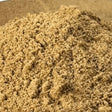
Camu Camu Powder
Sharply tart berry powder, high in vitamin C, and a quarter teaspoon is enough to lift a smoothie.
Camu camu powder is milled from the small, sharply sour berry of Myrciaria dubia, one of the richest natural sources of vitamin C of any fruit. It is properly tart, closer to sherbet than to fruit juice, so a quarter teaspoon in a smoothie is usually plenty. Certified organic.
Key Benefits
- Certified organic: grown and processed to organic certification standards.
- Naturally high in vitamin C: among the highest of any fruit, and it arrives with the berry's own colour compounds rather than on its own.
- Sharp and bright: a sherbet lift for smoothies, yoghurt and sparkling water.
- A little goes a long way: a quarter to half a teaspoon is a normal serve, so even a small bag lasts.
- Fine powder: stirs straight into cold drinks, with no soaking or brewing.
Stir a quarter to half a teaspoon into a smoothie, juice, yoghurt or a glass of water. The tartness works best against something sweet, so banana, mango or apple juice carry it well. Start at the lower end, since too much makes a drink unpleasantly sour.
Keep it cold. Vitamin C breaks down with heat, so camu camu powder goes into food after the cooking is done rather than into a hot brew or a baking mix. For more of the same sharp fruit character, Kakadu Plum Powder is the Australian native equivalent, and Rose Hip or Hibiscus Tea bring a similar tang to a brewed cup.
The shrub grows out on river flats and spends months of the year standing in floodwater, fruiting once the water drops away again.
The berries are about the size of a grape and far too sour to eat off the bush, which is exactly why the fruit is nearly always dried and milled.
It belongs to the myrtle family, which makes it a distant relation of lilly pilly and lemon myrtle.
Large amounts can upset the stomach, so keep the serve small. Check with your doctor first if you have haemochromatosis, as vitamin C increases iron absorption. This information is not a substitute for medical advice. Consult a healthcare provider before use, especially if pregnant, breastfeeding, or taking medication.

Chaste Tree - Berry Powder
Chaste tree berry in fine powder form for women's hormonal balance support and herbal formulations.
Chaste tree berry powder (Vitex agnus-castus) is a finely ground form of one of the most well-known herbs for supporting women's hormonal balance. This chaste tree powder offers the same traditional benefits as the whole berry in a convenient powder form that mixes easily into smoothies, capsules, and herbal preparations. Vitex has been used in European herbal medicine for over 2,000 years and is one of the most clinically studied herbs for women's wellness.
Key Benefits
- Hormonal balance: Traditionally used in Western herbal medicine to support healthy hormonal balance in women. One of the most well-researched herbs for this purpose, with multiple clinical studies supporting its traditional use.
- Menstrual comfort: Traditionally used to support regular, comfortable menstrual cycles and ease premenstrual discomfort.
- Convenient powder form: Easy to mix into smoothies, yoghurt, or water. Also suitable for filling into capsules at home for those who prefer not to taste the herb.
- Long tradition: Used since ancient Greek times. Hippocrates, Dioscorides, and Pliny all wrote about chaste tree berries. The name "agnus castus" means "chaste lamb," reflecting its historical association with monasteries.
Powder in water: Stir half to one teaspoon of chaste tree berry powder into a glass of water or juice. Take once daily in the morning. The flavour is peppery and mildly bitter. Best results are seen with consistent use over 3 to 6 months.
Smoothie: Blend into a morning smoothie with fruit to mask the peppery taste. Combines well with Maca Powder for an energy and hormone support blend.
DIY capsules: Fill empty capsules with chaste tree berry powder for a tasteless, convenient daily dose. Herb Cottage also sells the whole berry form for making tinctures and decoctions.
Chaste tree berry works gradually over time, not immediately. Most clinical studies show benefits after 3 to 6 months of consistent daily use. It is traditionally taken every day throughout the entire cycle, not just during certain phases.
Medieval monks reportedly used chaste tree berries to help reduce desire, hence the common names "monk's pepper" and "chaste tree." The berries do have a warm, peppery flavour similar to black pepper.
Not suitable during pregnancy, breastfeeding, or for people with hormone-sensitive conditions. May interact with hormonal medications, oral contraceptives, and dopamine-related medications. This information is not a substitute for medical advice. Consult a healthcare provider before use.
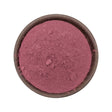
Beetroot Powder
A teaspoon is roughly one whole beetroot, ready for smoothies, baking and natural colour.
Beetroot powder is beetroot (Beta vulgaris) dried and milled fine, with all the sweet earthiness of the fresh root and none of the stained chopping boards. A teaspoon is roughly one whole beetroot, so a small jar goes a very long way in smoothies, baking and anything that needs colour.
Key Benefits
- Vivid natural colour: the betalain pigments give a deep magenta that works as a natural food colouring in icing, pasta dough and lattes.
- Sweet and earthy: mild enough to blend into a fruit smoothie without taking it over.
- One teaspoon, one beetroot: a useful rule of thumb for how concentrated the powder is.
- Certified organic: grown and processed to organic certification standards.
- Naturally high in dietary nitrates: beetroot is one of the richest everyday sources, which is why athletes reach for it before training.
- Keeps well: stored airtight away from light and heat, the powder holds its colour far longer than fresh beetroot lasts in the fridge.
One to two teaspoons is the usual amount in a smoothie, and it sits well with berries, banana, apple and citrus. For baking, whisk two to three tablespoons through the dry ingredients of a cake, muffin or pancake batter. Long heat dulls the colour, so for icing, yoghurt and no-bake slices stir it in at the end.
For a beetroot latte, whisk a teaspoon into hot but not boiling milk with a pinch of Ginger Powder. In baking it pairs well with Carob Powder Roasted, and if you are colouring drinks rather than food, Hibiscus (Rosella) Tea gives a similar ruby tone with a tart edge.
Beetroot can turn urine or stool pink for a day or so. It happens to roughly one in ten people, it is simply the pigment passing through, and it is nothing to be alarmed about.
Beetroot was grown for its leaves long before anyone bothered with the root. The swollen red root most of us picture is a comparatively recent piece of plant breeding.
Those same betalain pigments are used commercially as a food colour, which is why beetroot powder does such a tidy job of turning icing pink without anything artificial.
Beetroot is high in oxalates, so go easy if you are prone to kidney stones. It can also nudge blood pressure down, worth knowing if you already take medication for it. This information is not a substitute for medical advice. Consult a healthcare provider before use, especially if pregnant, breastfeeding, or taking medication.
Aloe Vera Powder
Whole aloe leaf, dried and milled for face masks, hair rinses and home cosmetic making.
This aloe vera powder is the whole leaf of Aloe barbadensis, dried and milled, certified organic. Aloe has been the skin plant of every tradition that met it, and the powder form is made for the DIY bench: face masks, hair rinses, bath soaks and soap making, with the plant's cooling, film-forming character in a stable, scoopable form.
Key Benefits
- The DIY skincare classic: mixed to a paste with water, honey or yoghurt it makes the simplest aloe face mask there is.
- A haircare tradition: aloe rinses and hair masks are a long-standing practice now thoroughly rediscovered, and the powder keeps indefinitely where fresh gel will not.
- The famous polysaccharides: whole-leaf aloe carries acemannan, the gel compound behind the plant's cooling, softening reputation.
- Six thousand years of standing: the Egyptians called aloe the plant of immortality, and nearly every tradition since has kept it close for skin.
- Certified organic: grown and processed to organic certification standards.
For a face mask, mix a teaspoon of powder with enough water, honey or plain yoghurt to make a paste, leave on for ten to fifteen minutes and rinse. For hair, whisk a teaspoon into a cup of warm water as a final rinse, or into a conditioner base. It also blends into home-made soaps, bath soaks and after-sun gels. Patch test first, as with any new cosmetic ingredient.
On the DIY bench it keeps company with Calendula and Lavender, the other two pillars of home skincare making.
Whole-leaf powder is a different thing from inner-gel powder. The whole leaf includes the latex layer and its aloin, the bitter compound behind aloe's old reputation as a purgative, which is exactly why this powder belongs on your skin and hair rather than in your smoothie.
Cleopatra's aloe beauty regime is legend rather than record, but the legend is old, and Alexander the Great was said to have seized the island of Socotra for its aloes. Few plants have been wanted for so long.
For cosmetic and topical use. Whole-leaf aloe contains aloin, so it is not for internal use in pregnancy or breastfeeding, not for children, and best kept off the menu generally. Patch test on skin first. This information is not a substitute for medical advice. Consult a healthcare provider before use, especially if pregnant, breastfeeding, or taking medication.
Wheatgrass Powder
Finely milled young wheat shoots, ready to blend a teaspoon at a time into juice or a smoothie.
Wheatgrass powder is the young shoot of common wheat (Triticum aestivum), cut about a week after sprouting when the grass is at its greenest, then dried and milled. It tastes like fresh cut grass, green and faintly sweet with a bitter finish, and a teaspoon blends straight into juice or a smoothie without a juicer in sight.
Key Benefits
- Cut young: harvested at around seven to ten days, before the plant puts its energy into forming grain.
- Rich in chlorophyll: the deep green colour is chlorophyll, and it is most of what wheatgrass is known for.
- A plant source of iron: wheatgrass also supplies vitamin C and vitamin K.
- Certified organic: grown and processed to organic certification standards.
- Finely milled: it disperses in liquid rather than clumping, so no juicer or shot glass required.
- Cut before the grain forms: gluten sits in the wheat kernel, not the leaf, though anyone highly sensitive should note that cross contact during growing and milling cannot be ruled out.
Start with half a teaspoon in a glass of juice or water and work up to one or two teaspoons a day. Apple or citrus juice does the best job of rounding off the grassy taste. Add it at the end of blending rather than to a hot drink, since boiling water flattens both the colour and the flavour.
If green powders are your thing, Moringa Leaf Powder is the milder one to blend alongside it, and Alfalfa is the traditional green to keep beside it on the shelf. A pinch of Peppermint in the same smoothie covers the grass note better than extra fruit does.
Cereal grasses were first studied as a food in the 1930s, when a food chemist dried young grass leaves and fed the powder to his hens through winter. Egg production jumped, and decades of cereal grass research followed.
Wheatgrass and wheat are the same plant. The difference is timing: cut it at a week old and it is wheatgrass, leave it in the ground and it becomes a wheat crop.
Chlorophyll and haemoglobin have strikingly similar molecular structures, magnesium sitting at the centre of one and iron at the centre of the other. The point gets stretched a long way in marketing, but the chemistry itself is real.
Wheatgrass is high in vitamin K, so check with your doctor if you take blood thinning medication. Some people find it unsettles the stomach at first, which is why it pays to start with a small amount. This information is not a substitute for medical advice. Consult a healthcare provider before use, especially if pregnant, breastfeeding, or taking medication.
Mustard Yellow
Certified organic yellow mustard seeds for homemade mustard, pickling, cooking, and spice blends.
Yellow mustard seeds (Sinapis alba), also known as white mustard, are the milder, nuttier variety of mustard seed used to make classic American and English mustard condiments. These certified organic yellow mustard seeds have a gentler heat than black mustard, with a warm, slightly sweet, tangy flavour that makes them the most versatile mustard variety for cooking, pickling, and mustard-making.
Key Benefits
- Homemade mustard: The classic seed for making your own mustard condiment. Soak, blend with vinegar and spices, and you have fresh, preservative-free mustard. The milder flavour of yellow seeds produces the familiar tangy mustard taste.
- Milder, nuttier flavour: Yellow mustard seeds are less pungent than black mustard, with a warm, slightly sweet, tangy character. Perfect for people who want mustard flavour without intense heat.
- Pickling essential: A key ingredient in traditional pickling spice. The whole seeds add a gentle mustard warmth to pickled vegetables, relishes, and chutneys.
- Cooking versatility: Use whole in roasts and braises, ground into spice rubs, or toasted for salad dressings. Also works well in cheese sauces and potato dishes.
- Certified organic: Grown without synthetic pesticides or fertilisers.
Homemade mustard: Soak half a cup of yellow mustard seeds in equal parts water and apple cider vinegar overnight. Blend until smooth (or leave chunky for wholegrain), adding salt, honey, and Turmeric for colour. Refrigerate for a week before using to allow flavours to mellow.
Pickling: Add whole yellow mustard seeds to pickling brines alongside Coriander Seed, peppercorns, and bay leaves. Use 1 to 2 tablespoons per jar.
Cooking: Toast whole seeds in a dry pan until they pop, then scatter over roasted vegetables or salads. Grind into spice rubs for meat and fish. Add to cheese sauces and potato salads.
The bright yellow colour of American mustard comes from added turmeric, not from the seeds themselves. Yellow mustard seeds are actually pale tan in colour. The name "white mustard" (the traditional English name) can cause confusion, but yellow and white mustard are the same species.
Mustard has been used as a condiment for over 5,000 years. The Romans mixed ground mustard seeds with unfermented grape juice (must) to create "mustum ardens" (burning must), which is the origin of the word "mustard." Herb Cottage also sells Black Mustard Seeds for hotter Indian-style dishes.
Safe as a culinary spice at normal cooking quantities. Mustard is a common allergen and must be declared on food labels in Australia. Prolonged skin contact with crushed mustard can cause irritation. This information is not a substitute for medical advice.
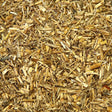
Couch grass
Certified organic couch grass rhizome for gentle urinary support and kidney health tea blends.
Couch grass (Elymus repens, also classified as Agropyron repens or Elytrigia repens) is a gentle, soothing herb traditionally used to support healthy urinary tract and kidney function. This certified organic couch grass rhizome, also known as twitch grass, quackgrass or dog grass, has a mild, slightly sweet flavour and has been valued in European herbal medicine for centuries. As a dried rhizome, couch grass tea needs simmering (decoction) to extract its beneficial compounds.
Key Benefits
- Urinary tract support: Traditionally used in European herbal medicine to support healthy urinary tract function and promote comfortable urination. Recognised by the European Medicines Agency for this traditional use.
- Gentle natural diuretic: Traditionally used to support healthy fluid balance and promote the body's natural elimination processes. A gentle, soothing diuretic suitable for sensitive systems.
- Kidney support: Traditionally used to support healthy kidney function. Often included in European kidney tea blends alongside birch leaf and nettle.
- Certified organic: Sourced from certified organic couch grass, grown without synthetic pesticides or fertilisers.
Decoction: Add 2 teaspoons of dried couch grass rhizome to a cup of water. Bring to a gentle simmer and cook for 10 to 15 minutes. Strain and drink up to 3 cups daily. The flavour is mild and slightly sweet. Best consumed earlier in the day.
Kidney blend: Simmer couch grass with Birch Leaf and Dandelion Leaf for a traditional European kidney support tea. Add Marshmallow Root for extra soothing quality.
Cold infusion: Place 2 tablespoons in cold water overnight. Strain in the morning and gently warm before drinking. Cold infusion extracts more of the mucilage content.
If you have a garden, you probably know couch grass as a persistent lawn weed. The very rhizomes that make it so hard to remove from garden beds are the medicinal part used in herbal medicine. Dogs and cats will instinctively seek out and eat couch grass when they feel unwell, which is why it is also known as "dog grass."
During times of famine in Europe, couch grass rhizomes were dried and ground into flour for bread-making. The rhizomes contain enough starch and natural sugars to serve as an emergency food source.
Not suitable for people with oedema caused by heart or kidney conditions. Ensure adequate water intake when using. This information is not a substitute for medical advice. Consult a healthcare provider before use, especially if pregnant, breastfeeding, or taking medication.

Rhubarb Root Powder
Certified organic medicinal rhubarb root powder for digestive support and bowel regularity.
Rhubarb root powder (Rheum palmatum), also known as Chinese rhubarb or Turkish rhubarb, is a potent digestive herb with a 2,000-year history in Traditional Chinese Medicine. This certified organic rhubarb root powder is not the same as garden rhubarb used in cooking. Medicinal rhubarb root is traditionally used in small doses to support digestive comfort and in larger doses to promote bowel regularity.
Key Benefits
- Digestive support: Traditionally used in small doses as a bitter digestive tonic to support healthy digestive function and ease stomach discomfort.
- Bowel regularity: Traditionally used in larger doses to support regular bowel movements. Contains naturally occurring compounds that promote healthy bowel function.
- Dose-dependent action: An unusual herb in that small doses (under half a teaspoon) have a toning, astringent effect on digestion, while larger doses promote bowel movement. Start with a small amount and adjust.
- TCM heritage: Known as Da Huang in Chinese herbal medicine, rhubarb root has been one of the most important herbs in the Chinese pharmacopoeia for over 2,000 years.
- Certified organic: Ground from certified organic medicinal rhubarb root.
Digestive tea (small dose): Stir a quarter to half a teaspoon of rhubarb root powder into a cup of hot water. Drink before meals for digestive support. The flavour is strongly bitter and astringent.
Bowel support (larger dose): Use 1 to 2 teaspoons in hot water as needed. Effects are typically felt within 6 to 10 hours. Do not exceed recommended amounts. Combine with Ginger Root to reduce the chance of stomach griping.
Blending: In Chinese herbal tradition, rhubarb root is often combined with Licorice Root to moderate its action, or with warming herbs like ginger to balance its cold nature.
Medicinal rhubarb root (Rheum palmatum) is a completely different plant from garden rhubarb (Rheum rhabarbarum). The stalks of garden rhubarb are eaten as food, but the root of medicinal rhubarb is far more potent and should only be used in measured doses.
Historically, rhubarb root was one of the most valuable trade goods on the Silk Road, sometimes worth more than opium or saffron by weight. Marco Polo documented the rhubarb trade during his travels in the 13th century.
Not for long-term daily use. Do not use during pregnancy or breastfeeding. Not suitable for children, or people with bowel obstruction, inflammatory bowel conditions, or kidney stones. May cause electrolyte imbalance with prolonged use. This information is not a substitute for medical advice. Consult a healthcare provider before use.
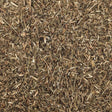
Knotgrass
Certified organic knotgrass for urinary support, respiratory comfort, and gentle herbal tea blends.
Knotgrass (Polygonum aviculare) is a gentle, mineral-rich herb that has been used in European herbal medicine for centuries. This certified organic knotgrass has a mild, slightly astringent flavour and is traditionally used to support healthy urinary tract function and respiratory comfort. Rich in silicic acid and flavonoids, knotgrass tea is a quietly useful herb that deserves more attention.
Key Benefits
- Urinary support: Traditionally used in European herbal medicine to support healthy urinary tract function and promote comfortable urination.
- Respiratory comfort: Traditionally used to support respiratory comfort and help soothe mild coughs and throat irritation.
- Rich in silica: Knotgrass is a natural source of silicic acid (silica), a mineral traditionally valued for supporting healthy connective tissue, hair, skin, and nails.
- Gentle astringent: The mild astringency of knotgrass makes it traditionally useful for supporting healthy mucous membranes throughout the body.
- Certified organic: Grown without synthetic pesticides or fertilisers.
Tea infusion: Add 1 to 2 teaspoons of dried knotgrass to a cup of freshly boiled water. Cover and steep for 10 to 15 minutes. Strain and drink up to 3 cups daily.
Urinary blend: Combine knotgrass with Birch Leaf and Cornsilk for a gentle urinary support tea. Add Peppermint for flavour.
Silica blend: Pair with horsetail for a silica-rich tea traditionally used to support hair, skin, and nail health.
In Shakespeare's A Midsummer Night's Dream, Lysander tells Hermia she is "a dwarf" and refers to knotgrass, reflecting an old folk belief that knotgrass could stunt growth. The name "knotgrass" refers to the prominent swollen joints (nodes) along its stems.
Not to be confused with Japanese knotweed (Reynoutria japonica), which is a different, much larger invasive plant. Knotgrass is a small, low-growing plant commonly found along paths and in disturbed ground.
Not recommended during pregnancy. This information is not a substitute for medical advice. Consult a healthcare provider before use, especially if pregnant, breastfeeding, or taking medication.
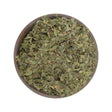
Pepperleaf Flakes
The everyday native pepper: herbal bay notes first, then a warm heat that builds as it cooks.
Pepperleaf is the dried, flaked leaf of Tasmannia lanceolata, the same Australian mountain shrub that gives us pepper berries, harvested from the cool high country. Mountain pepper leaf is the berry's milder, everyday sibling: herbal bay and rosemary notes arrive first, then a clean warmth builds behind them, so you can season a whole dish with it rather than saving it for a finishing flourish.
Key Benefits
- The everyday native pepper: think of it as a spicy Australian bay leaf. A pinch replaces cracked pepper anywhere, and it seasons all the way through a dish.
- A different kind of heat: black pepper stings instantly and chilli burns. Mountain pepper warms slowly, builds, and lingers with a faint tingle, closer in spirit to Sichuan pepper and far more forgiving in the pot.
- Naturally rich in plant polyphenols: in published research on commercially grown native Australian herbs, Tasmannia pepper leaf recorded the highest antioxidant capacity of those tested.
- Genuine bush heritage: a food and traditional plant of Aboriginal peoples of south-eastern Australia, and the colonists' ready stand-in when black pepper was scarce.
- Kitchen range: rubs for kangaroo, beef and lamb, casseroles and braises, pepper-style cream sauces, soft cheeses, even infused oils.
Use a pinch wherever you would crack pepper, or about a teaspoon in a rub or family-sized casserole. The aromatic top notes are volatile, so add it towards the end of cooking for fragrance, or early and modestly for a rounder background warmth in slow cooks. The heat grows with quantity, so start small and taste.
Reach for the leaf for everyday seasoning and for our Tasmanian Native Pepper Berries when you want the bold, fruity-fiery version of the same plant cracked over a finished steak. With saltbush and Lemon Myrtle Leaves it makes the classic Australian seasoning trio.
The genus name Tasmannia honours Tasmania, itself named for the Dutch navigator Abel Tasman. In the wild it is one of the prettiest shrubs of the mountain forests, instantly recognisable by its crimson-red stems against dark leaves.
Colonists rated it "a fair substitute for pepper, or rather allspice", and today it flavours some of Australia's best known craft gins, where distillers describe its character as dried herbs, green tea and white pepper.
Good harvesters leave berries on every tree for the birds and the seed bank, so buying native pepper rewards keeping mountain bush standing.
Mountain pepper is intensely pungent in large amounts, so keep to normal food quantities, particularly during pregnancy and breastfeeding where concentrated native spices lack safety data. This information is not a substitute for medical advice. Consult a healthcare provider before use, especially if pregnant, breastfeeding, or taking medication.
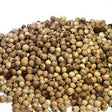
Peppercorns White
Certified organic whole white peppercorns for cream sauces, Asian cooking, and refined seasoning.
White peppercorns (Piper nigrum) offer a milder, more refined heat than black pepper, with earthy, slightly fermented notes that make them ideal for cream sauces, white dishes, and Asian cooking. These certified organic whole white peppercorns are the same species as black pepper but processed differently, with the outer skin removed to reveal the inner seed. The result is a subtler, more elegant pepper that blends invisibly into light-coloured dishes.
Key Benefits
- Milder, refined heat: White pepper has a gentler, more earthy heat than black pepper, without the sharp bite. The flavour is subtler and more complex, with slightly musty, fermented undertones.
- Invisible in light dishes: The pale colour means white peppercorns blend invisibly into cream sauces, bechamel, mashed potatoes, and white fish dishes where black specks would be unwanted.
- Essential in Asian cooking: Widely used in Chinese, Thai, Vietnamese, and Japanese cuisines. White pepper is the traditional choice for hot and sour soup, wonton soup, and many stir-fries.
- Same plant, different character: White and black peppercorns come from the same vine but are processed differently, giving each its distinct flavour profile and culinary role.
- Certified organic: Grown without synthetic pesticides or fertilisers.
Cream sauces: Grind white peppercorns into bechamel, alfredo, cream of mushroom soup, and white fish sauces. The heat adds depth without visible black specks.
Asian cooking: Use in hot and sour soup, wonton filling, congee, and stir-fries. White pepper is the traditional seasoning for many Chinese dishes. Pairs well with Ginger and Star Anise.
Mashed potatoes and egg dishes: The subtle heat of white pepper is perfect for mashed potatoes, scrambled eggs, quiche, and cheese souffles where you want warmth without visible pepper specks.
White peppercorns are made by soaking ripe pepper berries in water until the outer skin loosens and can be removed. This fermentation process gives white pepper its distinctive earthy, slightly funky character that is quite different from the sharp aromatics of black pepper. Some cooks love this quality, while others prefer the cleaner bite of black.
White pepper contains slightly less piperine than black pepper (the outer skin has some), but still offers the bioavailability-enhancing benefits when paired with turmeric and other spices.
Safe as a culinary spice at normal cooking quantities. This information is not a substitute for medical advice.

Arjuna Bark Powder
Simmered into warm milk, the old way, which softens both the astringency and the taste.
Arjuna bark powder is milled from the bark of Terminalia arjuna, a tall riverbank tree named in the Charaka Samhita and used in Ayurvedic tradition ever since. It is mildly astringent and faintly bitter, and is almost always simmered into warm milk rather than brewed as a tea. Certified organic.
Key Benefits
- A classic Ayurvedic bark: recorded roughly two thousand years ago and used steadily by Ayurvedic practitioners since.
- Traditionally a heart tonic: arjuna is the bark Ayurveda reaches for when the subject is the heart and circulation.
- Milled ready to use: the bark is hard, fibrous work to grind at home, and the powder stirs straight into hot milk.
- Certified organic: grown and processed to organic certification standards.
- Gently astringent: a clean, drying, faintly bitter taste that milk and a little honey round out nicely.
- Collected without felling: arjuna sheds its outer bark once a year, so it can be gathered without cutting the tree down.
The traditional preparation is ksheerapaka, bark simmered in milk. Stir half to one teaspoon of the powder into a cup of milk or water, bring it gently to a simmer for three or four minutes, then take it off the heat and sweeten with a little honey or jaggery. Once a day, morning or evening, is the usual pattern. Straining it through a fine sieve gives a smoother cup.
It is often set alongside Hawthorn Berry Powder, the Western herb with much the same reputation, and sits comfortably with Ashwagandha Powder or Brahmi in an Ayurvedic routine.
The tree takes its name from Arjuna of the Mahabharata. Older texts call it partha and kakubha, and the bark itself appears as marudah.
Arjuna leaves are used to rear tasar silkworms, so the same tree has long carried two harvests: bark for the apothecary, leaves for the silk.
The bark is unusually high in tannins. That is why it puckers the mouth, and why it was once used for tanning hides as well.
Arjuna may lower blood pressure and can interact with heart, blood pressure and blood-thinning medication. Not recommended during pregnancy or breastfeeding. This information is not a substitute for medical advice. Consult a healthcare provider before use, especially if pregnant, breastfeeding, or taking medication.
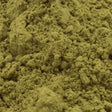
Witch Hazel Leaf Powder
For homemade toners, clay masks and compresses. Not for internal use.
Witch hazel powder is the dried leaf of Hamamelis virginiana milled fine, for people who make their own skin care at home. The leaf is high in tannins, which is what gives witch hazel its familiar astringent, tightening feel on the skin. This is a topical ingredient only, not something to eat or brew as a tea.
Key Benefits
- Made for homemade skin care: blends into masks, compresses and balms without the straining that cut leaf needs.
- Naturally high in tannins: tannins are what give witch hazel its astringent, skin-tightening character.
- Milled fine: mixes smoothly with clays, oats and water into a spreadable paste with no grit.
- Leaf rather than bark: the leaf is the gentler of the two, and the part most often used in cosmetic preparations.
- A little goes a long way: a teaspoon is enough for a single face mask.
- Certified organic: grown and processed to organic certification standards.
For a mask, mix one teaspoon of the powder with two teaspoons of a clay or fine oat base, then add warm water a few drops at a time until you have a spreadable paste. Leave it on for ten minutes and rinse with warm water. Patch test on your inner arm and wait a day before putting anything new on your face.
For a compress, stir half a teaspoon into a cup of just-boiled water, let it stand until it is comfortably warm, then soak a clean cloth and lay it on the skin. It blends well with ground Calendula Petals and Rose Petals, and a little Marshmallow Root Powder adds slip if the mix feels drying.
Keep the powder in an airtight jar away from light and moisture, and mix each preparation fresh rather than storing it wet.
The name has nothing to do with witches. It comes from the old word wych, meaning to bend, after the springy forked branches that were once cut as divining rods for finding water.
The shrub flowers in late autumn and winter, thin ribbon-like yellow petals opening on bare branches when almost nothing else is out. Last season's seed capsules ripen at the same time and fire their seeds several metres.
Most bottled witch hazel is a distillate, which carries the aroma but very little of the tannin, since tannins are not volatile and stay behind in the still. Working from the milled leaf is how you get that astringency into a preparation.
For external use only. Do not take witch hazel leaf powder internally, and patch test before using it on your face or on broken skin. This information is not a substitute for medical advice. Consult a healthcare provider before use, especially if pregnant, breastfeeding, or taking medication.
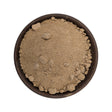
Devils Claw Powder
A famously bitter root from the herbalist's joint-comfort tradition, ground fine for teas and blends.
Devils claw is the ground root tuber of Harpagophytum procumbens, a trailing desert plant named for its woody, hooked fruit that hitches rides on passing animals. It is one of the great bitters of the herbal tradition, taken up by Western herbalists last century and traditionally used for everyday joint comfort as we age.
Key Benefits
- A joint-comfort tradition: traditionally used in Western herbal medicine to relieve mild joint aches and pains, and a long-standing bitter tonic in its southern African homeland before that.
- A true bitter: the same intense bitterness that made it a traditional digestive tonic, taken before meals in the old style.
- The part that matters: ground from the secondary root tubers, the part herbal tradition has always used, rich in the bitter iridoid glycosides the herb is known for.
- Fine powder versatility: simmer it as a decoction, blend it into tea mixes, or fill your own capsules, the way many regular users take it.
- An ethical harvest story: good harvesters worldwide take only some side tubers and leave the parent taproot to regrow, a method tied to fair prices for harvesting communities.
Simmer half to one teaspoon of devils claw powder in a cup of water for five to ten minutes, then strain. Fair warning: it is seriously bitter, so most people soften the cup with honey and lemon, or blend it with Ginger Root, Licorice Root or peppermint. Herbalists traditionally speak of steady use over a few weeks rather than a quick fix.
The powder also suits filling your own capsules, which is how many take it once the novelty of the bitterness wears off. Horse and dog owners seek this herb too; for animals, ask your vet about whether and how to use it.
The name is pure natural history. The ripe fruit is a woody claw that snags the hooves and fur of passing animals, and the frantic stamping dance of an animal shaking one loose apparently suggested the devil himself. Grapple plant is the politer name.
In the Kalahari sands where it grows wild, porcupines and antelope dig up the water-storing tubers in the dry season. San and Khoi peoples have long prepared the tuber as an intensely bitter tonic, knowledge that reached Western herbalism in the twentieth century.
Not recommended with stomach ulcers, gastritis or gallstones, and best avoided in pregnancy and breastfeeding. Check with your health professional if you take anticoagulants or diabetes medication. This information is not a substitute for medical advice. Consult a healthcare provider before use, especially if pregnant, breastfeeding, or taking medication.
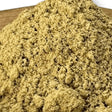
Senna Pods Powder
A short course herb taken in a small dose at bedtime, not something to sip through the day.
Senna pods powder is ground from the seed pods of Senna alexandrina, one of the oldest and best known herbs in Western and Ayurvedic practice alike. Pod preparations are traditionally considered gentler than the leaf, releasing their sennosides more slowly. It is a short course herb, used sparingly rather than daily.
Key Benefits
- Pods rather than leaf: pod preparations have always been regarded as the milder, slower acting option.
- Small doses go a long way: a quarter to half a teaspoon is a typical serve, so a bag lasts.
- Ground ready to use: no crushing, no straining, just stir it into water or juice.
- More than a thousand years of recorded use: senna appears in medical texts going back to the ninth century and is still in pharmacies today.
- Short course herb: traditionally used for a few days at a time, never as an everyday drink.
Start with a quarter of a teaspoon stirred into a glass of water or juice, taken in the evening. It usually acts 8 to 12 hours later, which is why bedtime is the traditional timing. Do not go beyond half a teaspoon, and keep it to a few days at a time. Drink plenty of water alongside it.
Old formulas rarely used senna on its own. Fennel Seed and Ginger Root were added to settle the griping it can cause. If you want something far gentler and suitable for regular use, Psyllium Husk is the usual choice.
Senna has been in continuous medical use for well over a thousand years, and it is one of the few herbs that carried straight through into modern pharmacy largely unchanged.
The pods actually carry slightly more sennosides than the leaf by weight, yet they are still considered the milder preparation because those compounds are released more gradually.
The plant is a small legume, and before grinding the pods look like flat papery pea pods.
Not for use in pregnancy or breastfeeding, by children, or by anyone with abdominal pain or a bowel condition. Short term occasional use only, no more than one week. This information is not a substitute for medical advice. Consult a healthcare provider before use, especially if pregnant, breastfeeding, or taking medication.
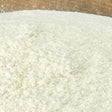
Yucca Root Powder
Whisks into warm water for a soft natural lather, for soap making and hair rinses.
Yucca root powder is the milled root of Yucca schidigera, a desert plant whose root is unusually high in saponins, the plant compounds that foam in water. Whisk it into warm water and it lathers on its own, which is why it has such a long history in soap making and hair washing. Sold for soap making and other external use, not as a food.
Key Benefits
- Foams on its own: the saponins in the root raise a soft, creamy lather with nothing else added.
- For soap and hair rinses: the strained liquid works as a simple wash for hair and skin.
- A soap maker's additive: a spoonful stirred in at trace gives cold process bars a fuller lather.
- Milled fine: it wets out and foams quickly instead of sitting in lumps.
- Long traditional use: desert peoples pounded yucca root for washing hair, skin and cloth long before bar soap existed.
- External use only: this is sold as a soap making and cosmetic ingredient, not for eating or drinking.
For a simple wash, whisk or blend about a tablespoon of the powder into two cups of warm water until it foams, then strain it through muslin. Use it within a day or two, since a plain water extract has nothing in it to keep. For a stronger extract, simmer the powder in water for ten minutes, let it cool and strain.
Soap makers usually add one to two teaspoons per kilo of batch at trace. Botanicals like Calendula and Lavender are the usual companions in a handmade bar. If you would rather grow your own soap plant, Soapwort does much the same job straight from the garden bed.
Yuccas are pollinated by yucca moths and almost nothing else. The female moth deliberately gathers pollen, packs it into the flower and lays her eggs in the same bloom, and neither the plant nor the moth manages without the other.
The lather from pounded yucca root has an old name, amole, and it was used for washing and in ceremony alike. The word saponin comes from the Latin for soap.
The leaves had a second life entirely. Soaked and beaten out, the fibre was twisted into cord for rope, nets, sandals, baskets and sleeping mats.
Not sold for internal use. Saponins sting the eyes and can irritate sensitive skin, so keep the lather away from your face and patch test before using it on skin or hair. This information is not a substitute for medical advice. Consult a healthcare provider before use, especially if pregnant, breastfeeding, or taking medication.
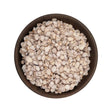
White Peony Root (Bai Shao)
A mild, faintly sweet root from Chinese herbal tradition, simmered into a decoction rather than steeped.
White peony root is the peeled, cut root of Paeonia lactiflora, known as bai shao in Chinese herbal tradition and used there for centuries. It is mild and faintly sweet, which is unusual for a root, and it sits comfortably alongside stronger herbs in a formula. Simmered as a decoction rather than steeped like a tea.
Key Benefits
- A cornerstone of Chinese herbal tradition: bai shao turns up in dozens of classical formulas and has been in continuous use for centuries.
- Mild and slightly sweet: gentler on the palate than most roots, so it blends easily with bitter or pungent herbs.
- Long used in women's formulas: most often taken as part of blends for menstrual comfort and easing muscular tension.
- Cut for decoction: the slices are sized for simmering, which is how peony root has always been prepared.
- The peeled white root: bai shao is peeled and cooked before drying, a different herb from unpeeled red peony, and the two are not interchangeable.
- Practitioner favourite: mostly bought by herbalists and students working from a set formula.
Roots need simmering rather than steeping. Use around 3 to 9 g of the cut root per serve, cover it with cold water, bring it gently to a simmer and hold it there for 20 to 30 minutes, then strain. The taste is mild, faintly sweet with a sour edge behind it.
White peony root is almost never taken on its own. The best known pairing is with Liquorice Root, a two-herb combination that goes back to the classical formula books. In blood-building formulas it is usually simmered alongside Dong Quai Root, and often Astragalus Root as well.
White and red peony come off closely related plants but are handled quite differently in the drying shed. Bai shao is lifted from cultivated stock, peeled and briefly cooked before drying, which is what leaves it pale. Red peony is left unpeeled and simply sun dried, and herbalists count the two as separate herbs.
The genus name comes from Paeon, physician to the gods in Greek myth, who was said to have used a peony root on a wound.
Growers wait three or four years before the roots are worth lifting, so every harvest is a long time coming.
Not recommended during pregnancy or while breastfeeding. Check with your doctor first if you take blood thinning medication. This information is not a substitute for medical advice. Consult a healthcare provider before use, especially if pregnant, breastfeeding, or taking medication.
Muira Puama
Traditional Amazonian bark for nervous system tonic tea and general wellbeing support.
Muira puama (Ptychopetalum olacoides) is a traditional Amazonian tonic herb that has been used in Brazilian folk medicine for generations. This dried muira puama bark makes a mild, woody-flavoured muira puama tea and is traditionally valued as a nerve tonic and general wellbeing support. As a bark, muira puama needs simmering (decoction) to extract its active compounds effectively.
Key Benefits
- Traditional tonic: Used in Brazilian herbal tradition as a general tonic for vitality and overall wellbeing. Known locally as "potency wood" for its traditional reputation as a strengthening herb.
- Nervous system support: Traditionally used to support healthy nervous system function and help maintain energy levels during periods of fatigue.
- Amazonian heritage: One of the most valued tonic herbs in the Brazilian pharmacopoeia, with a long history of traditional use across multiple indigenous and folk traditions.
- Decoction herb: As a dried bark, muira puama needs gentle simmering for 15 to 20 minutes to release its beneficial compounds.
Decoction: Add 1 to 2 teaspoons of dried muira puama bark to a cup of water. Bring to a gentle simmer and cook for 15 to 20 minutes. Strain and drink. The flavour is mild and woody. Can be combined with Ginger Root for warmth.
Tincture: Pack a jar one-third full with muira puama bark. Cover with vodka or brandy (40% alcohol). Seal and store in a dark place for 4 to 6 weeks, shaking daily. Strain and bottle.
Tonic blend: Combine with Astragalus Root for a dual tonic decoction, or add Licorice Root for natural sweetness.
The name "muira puama" comes from the Tupi language of Brazil, meaning "potency wood." It has been listed in the Brazilian Pharmacopoeia since the 1950s and is one of the most commonly prescribed herbs by Brazilian natural health practitioners.
Research on muira puama is still limited compared to more widely studied herbs. Most evidence is based on traditional use and preliminary studies. Consult a qualified herbalist for guidance on appropriate use.
Limited safety data available. May have stimulant effects. Not recommended during pregnancy or breastfeeding. This information is not a substitute for medical advice. Consult a healthcare provider before use, especially if taking medication.
Jiaogulan Tea (Gynostemma)
A naturally sweet, caffeine-free leaf tea that will give you two or three good steeps from the one pot.
Jiaogulan tea is made from the leaf of Gynostemma pentaphyllum, a five-leaflet climbing vine in the cucumber family. It brews a soft green cup, grassy and genuinely sweet on its own, with no caffeine and no need for sugar. Certified organic, and cut ready for brewing.
Key Benefits
- Certified organic: grown and processed to organic certification standards.
- Naturally sweet: the sweetness comes from compounds in the leaf itself, so most people drink it with nothing added.
- Caffeine free: a good evening cup when you want something more interesting than hot water.
- Several steeps from one pot: the leaf gives two or three more infusions before it gives up.
- A long-standing daily tonic tea: known as southern ginseng, though the plant is no relation to ginseng at all.
- Good cold brewed: left overnight in the fridge it comes out sweet and clean, which suits a Queensland summer.
Use 1 to 2 teaspoons of leaf per 250 ml cup. Water just off the boil, around 80 to 85 C, gives the sweetest cup, and fully boiling water works but pulls a little more bitterness. Steep 3 to 5 minutes. It is forgiving, so a long steep makes it stronger rather than harsh.
Refill the same leaf two or three times, adding a minute or so each round. For cold brew, put a tablespoon in a jug of cold water and leave it in the fridge overnight. It blends well with Tulsi Tea or Gotu Kola Tea, and a spoonful stirred through Sencha Green Tea softens the green edge.
It is not a tea bush at all. Jiaogulan is a scrambling vine in the same family as cucumbers, melons and pumpkins, and the five leaflets on each leaf are where the old name five-leaf ginseng comes from.
The southern ginseng nickname comes from its saponins, which are close cousins of the ones in ginseng despite the two plants being unrelated.
It also picked up the nickname herb of immortality, after surveys turned up unusual numbers of very old people in the districts where it was drunk daily.
Not recommended during pregnancy or while breastfeeding. Check with your doctor first if you take regular medication, as jiaogulan can affect how some medicines are processed. This information is not a substitute for medical advice. Consult a healthcare provider before use, especially if pregnant, breastfeeding, or taking medication.
Cistus Tea (Rock Rose)
A resinous, caffeine free infusion with a warm amber cup and a long Mediterranean tradition.
Cistus tea, also called rock rose, comes from Cistus incanus, a low Mediterranean shrub whose leaves are coated in fragrant resin. It brews a warm amber cup, lightly spicy and a little resinous, with no caffeine at all. It is closer to a proper herbal infusion than a fruit tea, and it takes honey and lemon well.
Key Benefits
- Naturally caffeine free: fine at any hour, including late in the evening.
- Certified organic: grown without synthetic fertilisers or pesticides.
- High in polyphenols: the leaves are one of the richer plant sources of ellagitannins, which is where the astringent edge comes from.
- Distinctive flavour: resinous and lightly spicy rather than floral, and it holds up well to a long steep.
- Long Mediterranean tradition: an everyday herbal drink around the Mediterranean for a very long time.
- Doubles as a rinse: the cooled tea has traditionally been used as a skin wash and a gargle.
Use one to two teaspoons per cup, pour over boiling water and steep for 5 to 7 minutes. A longer steep makes it fuller and more astringent rather than bitter, so 10 minutes is fine if you like it strong. Some people go further and steep a whole pot for 20 minutes or more.
It blends nicely. Peppermint lifts the resinous note, Lemon Balm softens it, and a few Rose Hips add fruit and colour. Let a cooled cup double as a skin rinse or a gargle if you like.
The same shrub gives us labdanum, the sticky resin used in perfumery for its warm amber note. It was traditionally collected by combing it out of the coats of goats that had browsed through the bushes.
Greek and Roman writers valued that resin highly, and it still stands in for ambergris in modern perfume.
Rock rose is not a rose. The flowers are papery and crumpled and last a single morning, which is why you never see it sold as a cut flower.
Cistus is high in tannins, so it is best taken away from iron supplements and iron rich meals. A very strong brew can be hard on an empty stomach. This information is not a substitute for medical advice. Consult a healthcare provider before use, especially if pregnant, breastfeeding, or taking medication.
Goji Berry Powder (Freeze-Dried)
Sweet-tart berry powder that stirs straight into smoothies, bliss balls and breakfast bowls.
Goji berry powder is the whole fruit of Lycium barbarum, freeze-dried and milled rather than heat-dried, which is why the colour stays so vivid. It tastes sweet-tart, somewhere between a cranberry and a sultana, and needs no soaking. A level teaspoon is a serve.
Key Benefits
- Freeze-dried, not heat-dried: the fruit never gets hot, so the colour, the flavour and the vitamin C hold up far better than they do with hot-air drying.
- No soaking needed: whole dried goji berries have to be rehydrated. The powder stirs in as it is.
- Naturally sweet-tart: adds fruit sweetness and a little sharpness to smoothies and bliss balls without extra sugar.
- Rich in vitamin C and carotenoids: goji is a good source of vitamin C and iron, and of zeaxanthin, the carotenoid behind that orange-red colour.
- Easy to dose: a level teaspoon blended into a smoothie or stirred through a bowl.
- Certified organic: grown and processed to organic certification standards.
A teaspoon is a good starting serve. Blend it into a smoothie, stir it through yoghurt or porridge, or fold it into bliss balls and slices, where it does the sweetening and the colouring in one go. It disperses best in something with body, so blitz it rather than sprinkling it on a glass of water.
It sits well alongside other powders in the same bowl. Moringa Leaf Powder brings a green, grassy note, Maca Powder adds malty sweetness, and a little Kakadu Plum Powder pushes it tarter if you like it sharp.
Freeze-dried powders draw moisture out of the air, so keep the bag or jar sealed and store it somewhere cool and dry. If it cakes, break it up with a fork before measuring.
Goji is in the same family as tomatoes, potatoes and capsicum. The older English name is wolfberry; goji is the newer one and came in with the export trade.
Freeze-drying works by pulling the water out under vacuum while the fruit is still frozen, so it never sees heat. That is the difference between vivid orange-red powder and the dull brown you get from a hot dryer.
The bushes are thorny and the ripe fruit bruises the moment you squeeze it, so the berries are traditionally shaken onto mats rather than picked by hand.
Goji can interact with warfarin and other blood thinners, and with some blood pressure and diabetes medication. Check with your doctor first if you take any of these. This information is not a substitute for medical advice. Consult a healthcare provider before use, especially if pregnant, breastfeeding, or taking medication.
Andrographis Powder
Andrographis leaf powder. An intensely bitter herb with a long history of traditional use.
Allow 7 to 14 days before dispatch. Anything else in your order will be sent with it, so you only pay one lot of postage.
Mulled Wine Spice Mix
A blend of spices traditionally used in mulled wine. This mix can also be used for sangrias in summer.
Includes:
Star Anise, Cardamom, Cinnamon Sticks, Cloves
This mix can also be blended with cranberry juice or apple juice to make a warming spiced non-alcoholic drink.
Winter Warming Mulled Wine
Simmer a warm batch of this mulled wine spice mix and sip by the fire on a chilly night. Now that's how to enjoy winter!
Here’s what you’ll need:
- 1x Packet of Mudbrick Mulled Wine Spice Mix
- 1x Orange (grated rind and juiced)
- ¼ cup of sugar (optional)
- 2 Cups of Water
- 2x Bottles of Red Wine
Here’s what to do:
- Add the packet of mulled wine spice mix, zest from one orange, and 2 cups of water into a saucepan.
- Bring to the boil, and simmer gently for 10 minutes.
- Strain the spice mixture into a jug, and pour it back into the saucepan.
- Turn down heat and add sugar (if using). Stir until sugar is dissolved.
- Before you juice the orange, make sure to leave one or two slices aside for the garnish.
- Add the wine and the juice of 1x orange to the saucepan and warm gently.
- Pour into a jug, and garnish with a cinnamon stick and a slice of orange.
- Serve immediately.
All information provided on this website is for informational purposes only. Please seek professional advice before commencing any treatment.
Himalayan Pink Salt Sold Out
Himalayan Pink Salt is a natural and pure salt that comes from the Himalayan Mountains in Pakistan. It's one of the purest and most mineral-rich salts available. It contains more than 80 essential minerals and trace elements, including iodine, potassium, calcium, magnesium, and iron.
This salt is mined by hand and is free of any additives or preservatives. It adds a unique flavour to all types of dishes, ranging from savory to sweet and can be used for cooking, baking, seasoning, and as a finishing salt.

Mustard Black
Sold Out
Certified organic black mustard seeds for Indian cooking, tadka tempering, pickling, and spice blends.
Black mustard seeds (Brassica nigra) are small, dark, intensely pungent seeds that are essential to Indian cooking and spice blends worldwide. These certified organic black mustard seeds have a sharp, hot flavour that develops when the seeds are crushed, ground, or tempered in hot oil. They are the traditional choice for tadka (tempering), where the seeds are popped in hot oil or ghee to release their nutty, spicy aroma before being added to dals, curries, and chutneys.
Key Benefits
- Essential Indian cooking spice: The classic seed for tadka (tempering), where black mustard seeds are popped in hot oil or ghee until they crackle. Used in dals, sambars, rasams, chutneys, and South Indian cooking.
- Hot, pungent flavour: Black mustard seeds are the hottest of the mustard varieties, delivering a sharp, wasabi-like heat when ground. The heat comes from sinigrin, a glucosinolate that converts to pungent allyl isothiocyanate.
- Pickling and preserving: A traditional ingredient in pickles, chutneys, and relishes. The whole seeds add texture and bursts of heat to preserved vegetables and fruit.
- Certified organic: Grown without synthetic pesticides or fertilisers.
Tadka (tempering): Heat oil or ghee in a small pan. Add 1 teaspoon of black mustard seeds and cover with a lid. When the seeds start to pop and crackle (about 30 seconds), add curry leaves and pour the sizzling mixture over dal, rice, or vegetables.
Spice blends: Grind black mustard seeds with Coriander Seed, cumin, and Turmeric for a homemade curry powder. Also used in pickling spice alongside Fennel Seed and peppercorns.
Homemade mustard: Soak black mustard seeds overnight, then blend with vinegar, salt, and honey for a fiery wholegrain mustard. Mix with yellow mustard seeds for a milder result.
The pungent heat of mustard seeds only develops when the seeds are broken and mixed with liquid. The enzyme myrosinase converts glucosinolates into the sharp isothiocyanates that give mustard its bite. Cold water produces the hottest result, while hot water or vinegar slows the reaction and produces a milder flavour.
The biblical parable of the mustard seed refers to Brassica nigra, which can grow into a plant over 2 metres tall from a tiny seed. Herb Cottage also sells Yellow Mustard Seeds, which are milder and better suited to American-style mustard.
Safe as a culinary spice at normal cooking quantities. Mustard is a common allergen and must be declared on food labels in Australia. Prolonged skin contact with crushed mustard can cause irritation or burns. This information is not a substitute for medical advice.
Sichuan Pepper Powder (Szechuan)
The tingling, lemony pepper behind five-spice and mala dishes, ground and ready to use.
Sichuan pepper powder (also spelt Szechuan pepper) is ground from the dried peppercorns of Zanthoxylum simulans, a prickly shrub in the citrus family. Despite the name it is no relation to black pepper or chilli, and it brings a bright lemony aroma and a tingling, numbing buzz rather than heat.
Key Benefits
- The famous tingle: a compound called hydroxy-alpha-sanshool sets the lips and tongue buzzing, the signature of Sichuan cooking.
- Made to pair with chilli: it has no heat of its own, so chilli brings the fire and the pepper brings the tingle.
- Ground and ready to go: no toasting or grinding needed, just stir it into dressings, dumpling fillings, marinades and dipping salts.
- A classic five-spice ingredient: traditional Chinese five-spice powder brings it together with star anise, fennel, cinnamon and cloves.
- A little goes a long way: a quarter teaspoon flavours a dish for two.
- Certified organic: grown and processed to certified organic standards.
Start small and add more at the table if you want it. For the fullest flavour, stir it into warm (not smoking) oil for a few seconds before the other ingredients go in, or scatter it over a hot dish just before serving. It is at home in mapo tofu, dan dan noodles, cold noodle dressings and homemade chilli oil made with Chilli Flakes.
Pepper salt: Toast 2 tablespoons of salt in a dry pan until hot, take it off the heat and stir in 2 teaspoons of Szechuan pepper powder. Serve it as a dip for fried chicken, squid or tofu.
Five-spice: Grind 2 parts Star Anise, 2 parts Fennel Seed, 1 part Cassia Cinnamon Chips and half a part Cloves, then stir through 1 part Szechuan pepper powder. Ground pepper loses its perfume faster than whole peppercorns, so keep it sealed and use it within a few months.
Mala, the best known flavour pairing in Sichuan cooking, is made up of ma, meaning numbing, and la, meaning spicy hot, with Szechuan pepper supplying the numbing half.
In a 2013 study, volunteers matched the tingle on their lips to a vibration of about 50 pulses a second. The sanshool sets off the same nerve fibres that sense light touch, which is why it feels like a buzz rather than a taste.
Related Zanthoxylum species are known as toothache trees, from the old habit of chewing the bark to numb a sore tooth.
Szechuan pepper belongs to the citrus family, so avoid it if you have a citrus allergy. Take care too if you react to cashews or pistachios, as cross-reactions have been reported. This information is not a substitute for medical advice. Consult a healthcare provider before use, especially if pregnant, breastfeeding, or taking medication.
Your Pick List
Your list is empty. Tap a size to add herbs.

